


Terex Adds 3 New Aerial Devices to TL Lineup
Terex Utilities has expanded its TL Series of aerial devices with three new telescopic and material handling models designed for transmission work.

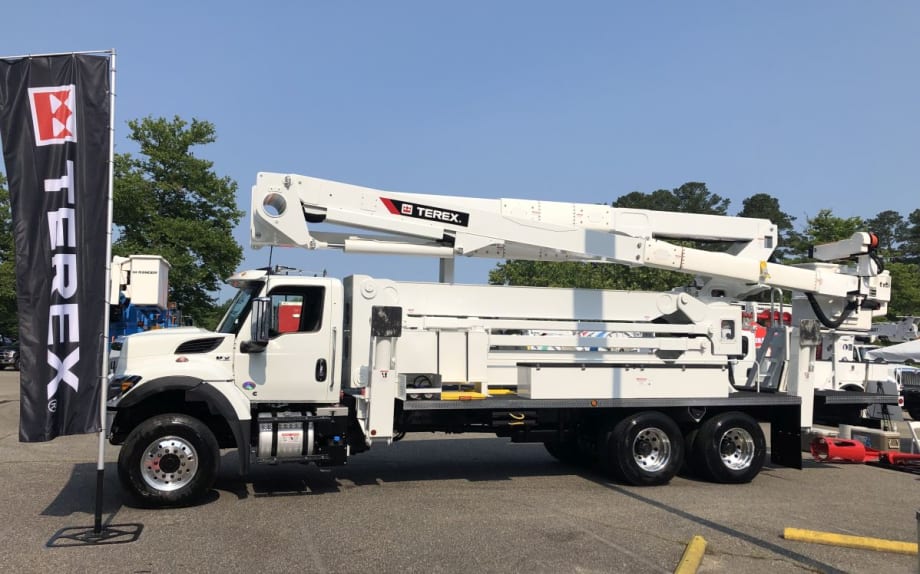
The series includes the TL80, TL100, and TL80/112, which provide 80 foot, 100 foot, and 112 foot working heights, respectively.
Photo courtesy of Terex
Terex Utilities has expanded its TL Series of aerial devices with three new telescopic and material handling models designed for transmission work. The new series was introduced at the 2019 Electric Utility Fleet Managers Conference (EUFMC) June 3.
“Cost-effective mounting options, commonality of parts, and reduced maintenance features are ways TL Transmission Aerials Devices deliver economical cost of ownership over the life of the equipment,” said Dan Brenden, director of engineering for Terex.
The series includes the TL80, TL100, and TL80/112, which provide 80 foot, 100 foot, and 112 foot working heights, respectively. The new TL Transmission aerial devices were developed to have strong working ranges when compared to similar transmission aerials.
“With variable capacity through the working envelope, the TL Series delivers optimum capacity in the work zone areas where you need it the most,” said Brenden. For example, the TL100 has more than 61 feet of horizontal reach. It has a maximum material handling capacity of 1,000 lbs.
All three models feature end-mounted two-person platforms with capacities up to 700 lbs. Self-leveling platforms rotate 180 degrees. The TL80 and TL80/112 are also available with an option of a side mounted platform having a jib capacity up to 2,000 lbs.
Designed to provide ground access, the platform on all TL units can be lowered to within inches of the ground.
“Typically able to be mounted on lower GVW chassis than traditional transmission units, it affords fleet owners greater flexibility to aid in managing their budget,” said Dhondiba. For example, the TL80 can be mounted on a 33,000 lbs. GVW, tandem axle chassis. “Not only is this less expensive to purchase than a tri-axle chassis, it also costs less to maintain over the life of the vehicle,” he said.
In addition, the boom design increases bed space and bed access to the bucket. Use of high grade, high yield strength steel in the upper and lower boom sections, provides rigid operation while reducing weight in the boom, according to Terex. In addition, the lower boom comes with a fiberglass lower boom insert and an upper boom that allows the TL80 and TL80/112 Category B Dielectric to be rated for 138kV work. The TL100 can be rated up to 69kV.
Commonality of parts is another way Terex Utilities is working to streamline fleet management for owners. The TL80 uses the same cylinder for its lower and upper booms, as does the TL100. All three models feature the same leveling cylinders. In addition, the same part is used for the upper boom rest for the TL80 and TL100. For ease of maintenance, hydraulic fittings above the rotation bearing utilize o-ring seals, and adjustable wear pads are easily accessible from outside the boom when adjustment is necessary.
Originally posted on Work Truck Online
More Electric Vehicles
EV Charging Use Is Outpacing Infrastructure Growth
ChargePoint’s 2026 Charging Forward Report points to rising charger use, higher-powered charging, commercial vehicle electrification, and energy-management technology. Here’s what fleets should know.
Read More →
EV Realty Names Henrik Holland President as Charging Platform Expands
The former Prologis Mobility and Shell executive will help expand EV Realty’s truck charging business and move its power-first infrastructure model into autonomous vehicle depots and other fleet sectors.
Read More →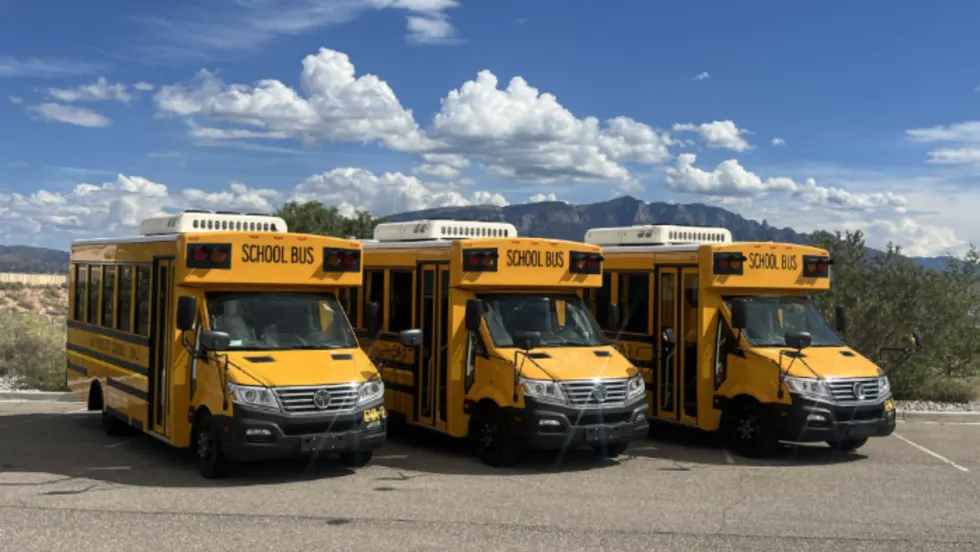
GreenPower Expands New Mexico EV Pilot With Larger Buses, V2G Testing
After logging more than 17,000 electric miles in the first year, New Mexico’s statewide pilot is moving into its second phase with larger vehicles, continued charging evaluations, and more.
Read More →
Can EV-as-a-Service Help Fleets Scale Electrification?
Sustainability Partners CEO Adam Cain explains how matching EVs, charging infrastructure, and duty cycles can help fleets scale electrification.
Read More →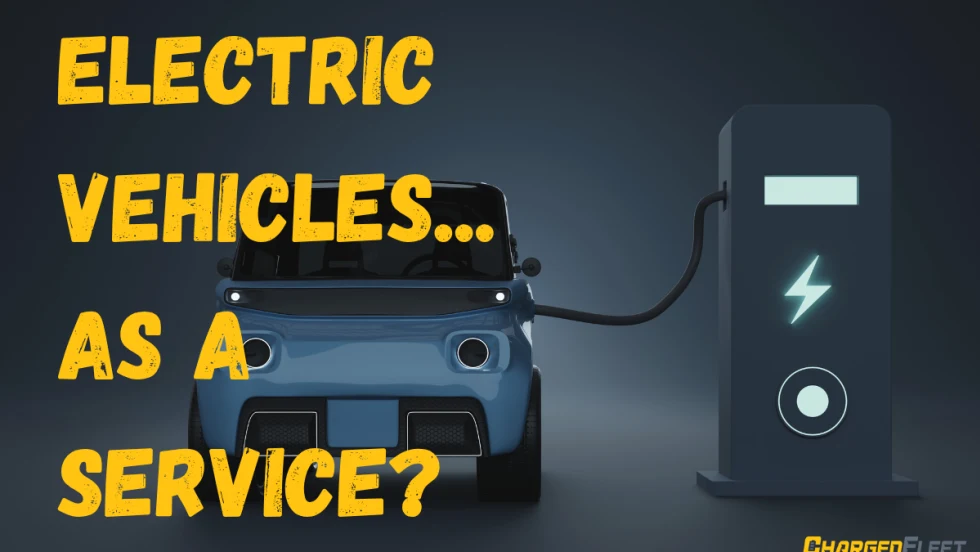
How EV-as-a-Service Is Moving Fleets Beyond Pilots
Adam Cain, president and CEO of Sustainability Partners, explains how EV-as-a-service can help fleets scale deployments by addressing duty-cycle requirements and charging challenges.
Read More →
PowerFlex, The Mobility House Join Forces to Advance Fleet Electrification
Two EV charging providers are joining forces to deliver a broader portfolio of energy management and fleet electrification solutions.
Read More →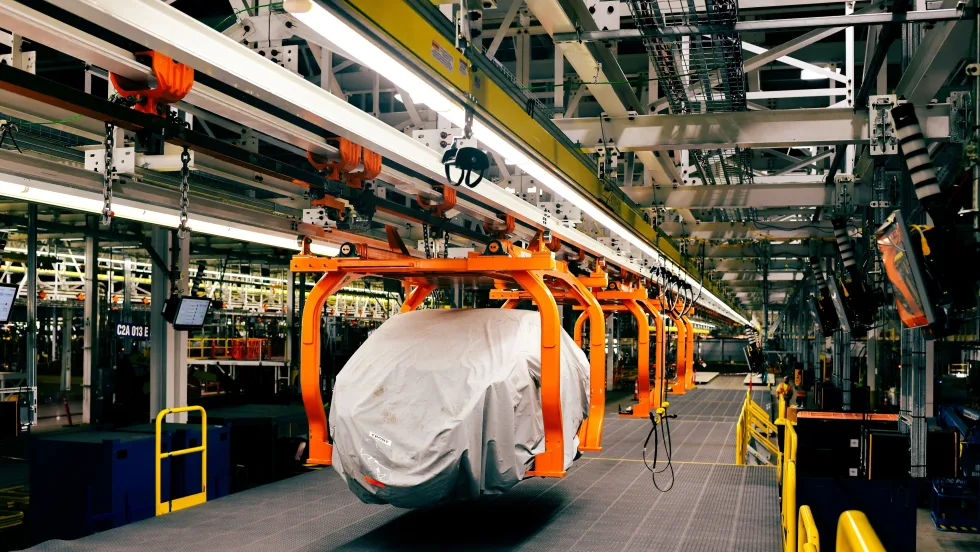
Ford Retools Louisville Plant for Fathom Electric Truck Production
Ford's $2 billion Louisville Assembly Plant overhaul introduces a three-part assembly process for the Fathom midsize electric truck, with production scheduled to begin in 2027.
Read More →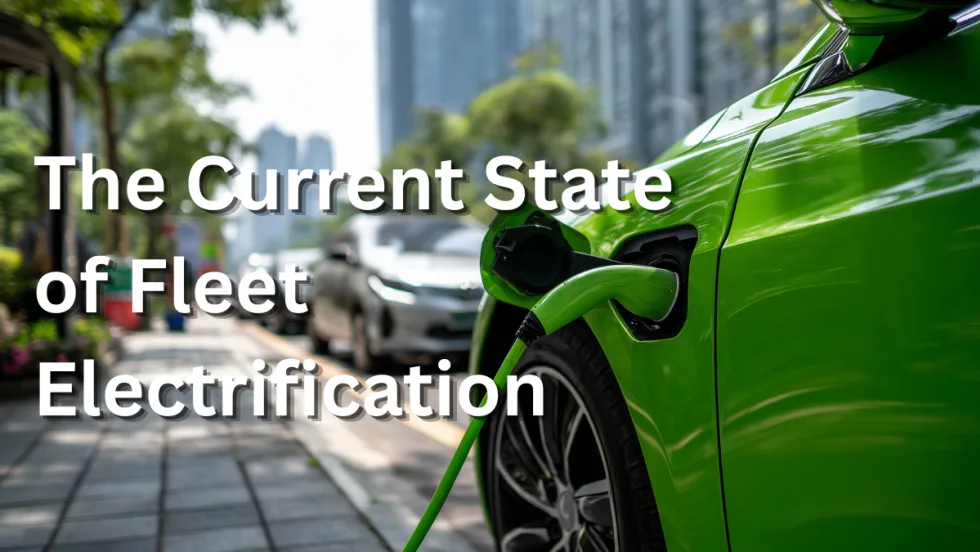
Merchants Fleet Reports 290M EV Miles as Fleets Navigate Changing Electrification Market
From millions in operating savings to hundreds of millions of EV miles, Merchants Fleet’s latest report reveals what’s working and what’s changing in fleet electrification.
Read More →
California District Commits to Electrify 25% of School Bus Fleet by 2028
One of the nation's largest school bus electrification projects to date demonstrates how grants, charging infrastructure, and public-private partnerships can help fleets transition to EVs at scale.
Read More →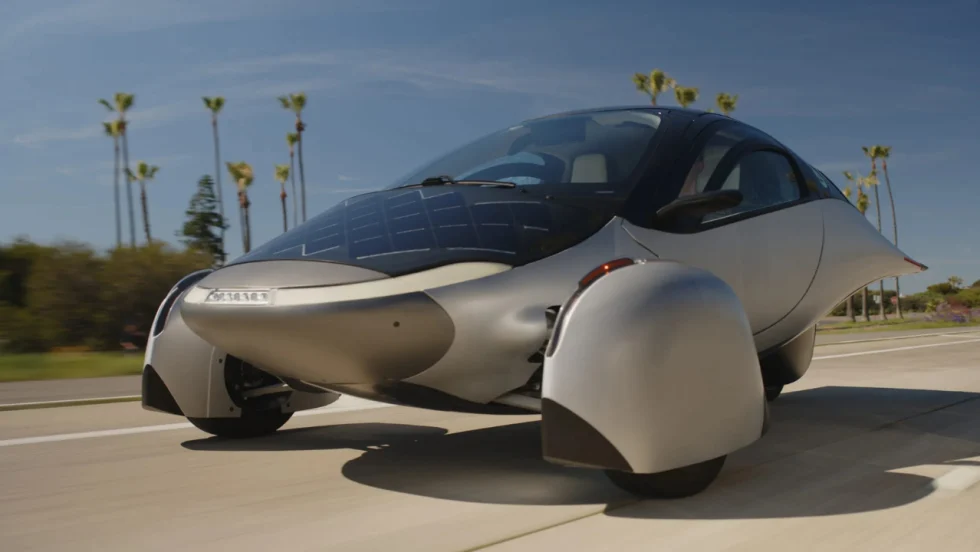
Aptera Orders Bodies and Chassis for Its First 40 Production Vehicles
Aptera Motors Corp. has issued purchase orders for the major structural components of its first 40 vehicles, and body and chassis components are expected to begin arriving in October.
Read More →