


Learn More: Don’t Let Medium-Duty EVs Catch Your Fleet by Surprise
Survey: EV Trucks Not Meeting Vocational Fleet Demands Yet
A recent Work Truck pulse survey reveals the current selection of electric trucks is still lacking in terms of meeting fleet needs.

Lexi Tucker・Former Senior Editor
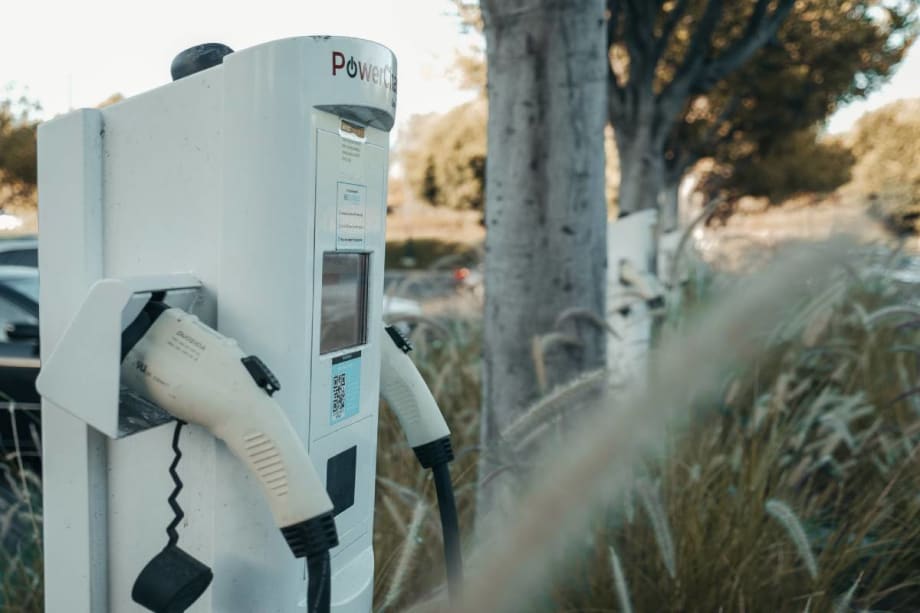
A recent Work Truck pulse survey reveals the current selection of electric trucks is still lacking in terms of meeting fleet needs.
Photo: Pexels/Kindel Media
2 min to read
No matter which side of the fence you’re on, the answers to our latest survey probably won’t come as a surprise: fleet managers still feel there are too many unknowns when it comes to EV trucks to make them a viable selection. Work Truck collected a total of 149 fleet professional responses (143 completed and 6 partially completed surveys) from January 7 to 23, 2022. All respondents manage a fleet that includes light- and/or medium-duty trucks or vans, and currently operate at least one EV truck, van, or piece of equipment.
The top three respondents identified themselves as corporate/executive management (including owner/operator), operations management, and maintenance/shop management. The top three lines of business include federal, state, or local government; construction (mining, logging, concrete, paving, or excavating); and services (HVAC, pest control, landscape, or towing).
Those who responded have the following fleet breakdowns:
Class 1 or 2 – 80%
Class 3 – 69%
Class 4 – 53%
Class 5 – 51%
Class 6 – 57%
Class 7 – 47%
Class 8 – 58%
Most had fleets with 2-50 vehicles (40%), 101-1,000 (24%), and 51-100 or 1,001-3,000 (both 15%).
Some EVs mentioned by name were Daimler, BrightDrop, and Ford Transit vans; E-PTO aerial units; and the Ford F-150 XL Hybrid.
When asked if they felt there are currently enough EV truck options available to vocational fleets, only 11% said yes, while 62% said no. Another 27% stated they didn’t know or simply weren’t sure.
In addition to this, a whopping 71% of those who answered said they didn’t think EV trucks, as they are now, will be capable of accomplishing the same amount of work as traditional vehicles. Only 15% think they are sufficient the way they are now, and 14% said it’s too early to tell.
The biggest hurdles fleet managers face in including EV trucks in their vocational fleets included some of the following:
Acquisition costs
Range/battery limitations
Infrastructure availability
Availability of suitable vehicles
Weather challenges
Another intriguing answer was “how using an EV will affect hauling haz-mat cargo.”
Some concerns brought up related to how charging will occur if there’s a blackout and how the grid will handle an influx in EV truck purchases. One respondent stated they were more interested in hybrids than full-blown electric trucks. Others are waiting to see how other fleets make use of them and are open to using them down the road, but don’t want to be “Guinea pigs.”
Topics:Surveyscharging infrastructureBattery-Electric TrucksBattery Chargingresearch and trendsElectric Vehicles
Originally posted on Work Truck Online
More Electric Vehicles
EV Charging Use Is Outpacing Infrastructure Growth
ChargePoint’s 2026 Charging Forward Report points to rising charger use, higher-powered charging, commercial vehicle electrification, and energy-management technology. Here’s what fleets should know.
Read More →
EV Realty Names Henrik Holland President as Charging Platform Expands
The former Prologis Mobility and Shell executive will help expand EV Realty’s truck charging business and move its power-first infrastructure model into autonomous vehicle depots and other fleet sectors.
Read More →
GreenPower Expands New Mexico EV Pilot With Larger Buses, V2G Testing
After logging more than 17,000 electric miles in the first year, New Mexico’s statewide pilot is moving into its second phase with larger vehicles, continued charging evaluations, and more.
Read More →
Can EV-as-a-Service Help Fleets Scale Electrification?
Sustainability Partners CEO Adam Cain explains how matching EVs, charging infrastructure, and duty cycles can help fleets scale electrification.
Read More →
How EV-as-a-Service Is Moving Fleets Beyond Pilots
Adam Cain, president and CEO of Sustainability Partners, explains how EV-as-a-service can help fleets scale deployments by addressing duty-cycle requirements and charging challenges.
Read More →
PowerFlex, The Mobility House Join Forces to Advance Fleet Electrification
Two EV charging providers are joining forces to deliver a broader portfolio of energy management and fleet electrification solutions.
Read More →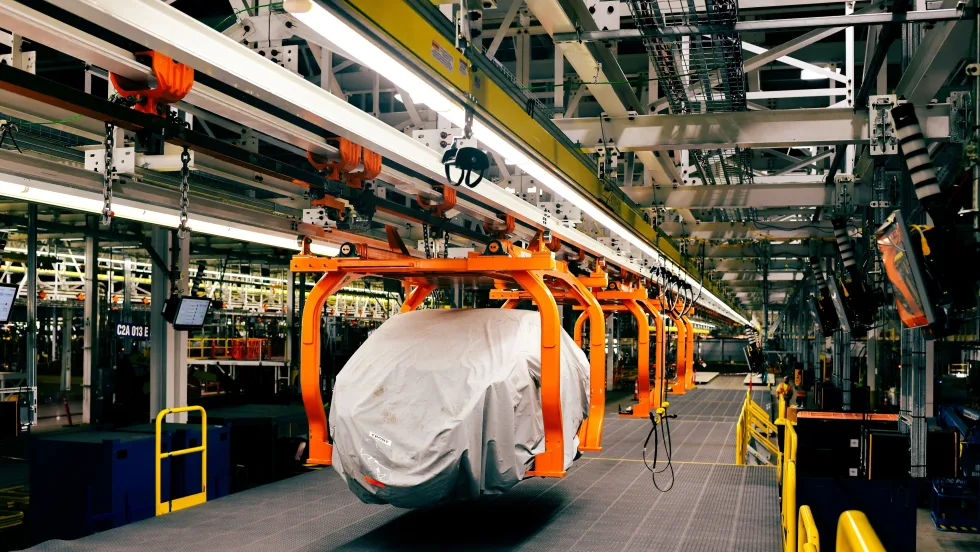
Ford Retools Louisville Plant for Fathom Electric Truck Production
Ford's $2 billion Louisville Assembly Plant overhaul introduces a three-part assembly process for the Fathom midsize electric truck, with production scheduled to begin in 2027.
Read More →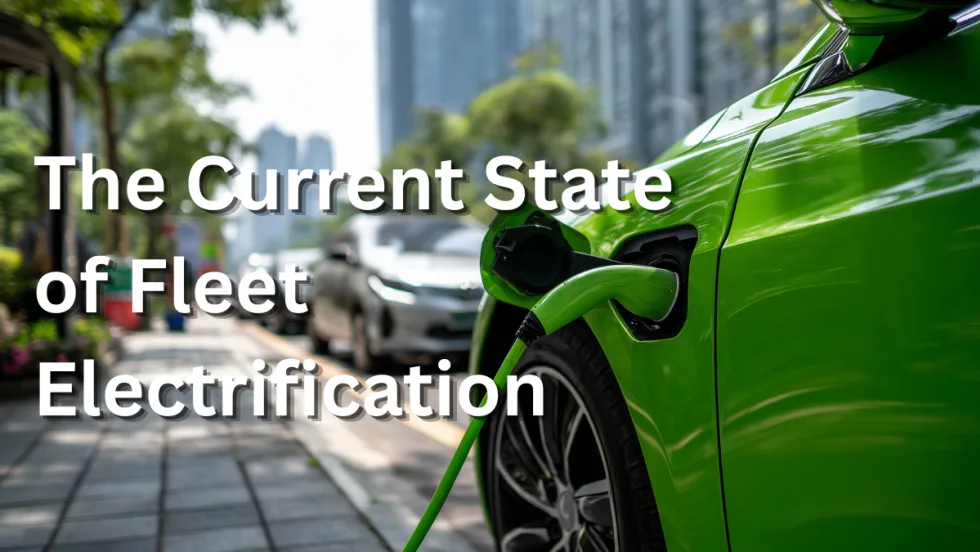
Merchants Fleet Reports 290M EV Miles as Fleets Navigate Changing Electrification Market
From millions in operating savings to hundreds of millions of EV miles, Merchants Fleet’s latest report reveals what’s working and what’s changing in fleet electrification.
Read More →
California District Commits to Electrify 25% of School Bus Fleet by 2028
One of the nation's largest school bus electrification projects to date demonstrates how grants, charging infrastructure, and public-private partnerships can help fleets transition to EVs at scale.
Read More →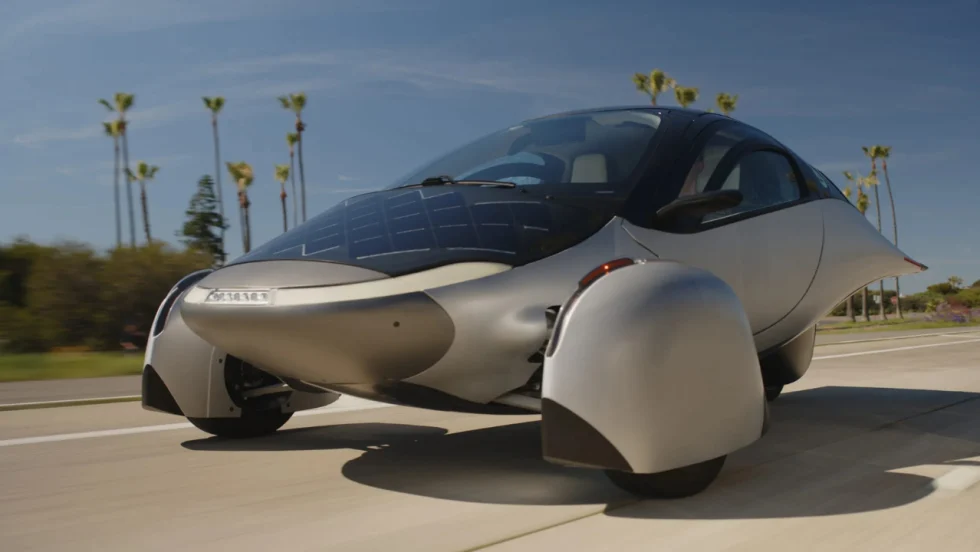
Aptera Orders Bodies and Chassis for Its First 40 Production Vehicles
Aptera Motors Corp. has issued purchase orders for the major structural components of its first 40 vehicles, and body and chassis components are expected to begin arriving in October.
Read More →