



Learn More: How PG&E is Doing More with Data
SDG&E Pledges To Reach Net Zero GHG Emissions By 2045
The company is moving forward with two hydrogen projects, adding battery storage and vehicle-to-grid technology.
April 19, 2021
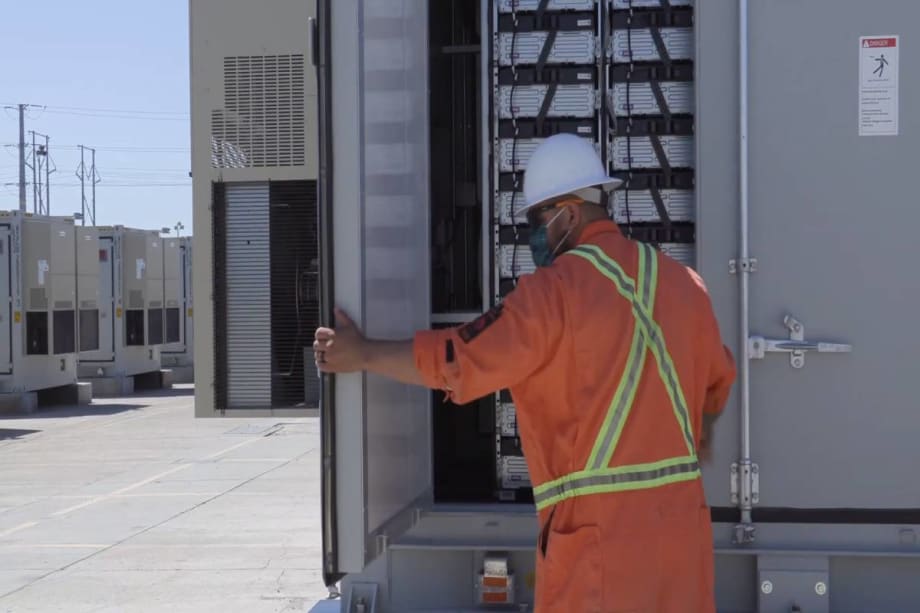
SDG&E is moving forward with two hydrogen projects, adding battery storage and vehicle-to-grid technology.
Photo: SDG&E B-Roll screenshot
3 min to read
Building on the sustainability strategy it released in October 2020 and its pledge to reach net zero greenhouse gas (GHG) emissions by 2045, San Diego Gas & Electric (SDG&E) announced it is developing two hydrogen pilot projects, nearing completion of an additional battery storage facility and will break ground on another, and launching a vehicle-to-grid pilot program featuring six electric school buses, among other efforts.
In partnership with local startups and organizations, SDG&E has advanced a number of hydrogen, energy storage, and electric vehicle charging infrastructure projects over the past year. These projects illustrate some of the concrete steps SDG&E is taking to deliver on its sustainability commitments.
Hydrogen Innovations: SDG&E will begin construction this year on two hydrogen pilot projects that will test half a dozen use cases and anticipates putting them into service in 2022.
The Borrego Springs Green Hydrogen Project will demonstrate hydrogen's use as long-duration energy storage; a microgrid asset; and a resource for dispatch by the California Independent System Operator (CAISO) to support grid reliability.
The Palomar Green Hydrogen Systems Project will demonstrate the blending of hydrogen with natural gas as fuel for an electric generator, as well as onsite production of green hydrogen for use as a cooling gas. Additionally, SDG&E will install its first hydrogen fueling station to support the first fuel cell vehicles in its fleet.
Energy Storage: Currently, SDG&E owns and operates 13 energy storage projects, totaling about 45 MW of energy storage. To maximize the use of renewable energy and enhance reliability, SDG&E expects to have a total of 135 MW of utility-owned energy storage integrated into the local with the addition of the following:
Top Gun Energy Storage in Miramar area of San Diego (30MW/120MWh): Expected to be operational in June 2021.
Kearny Energy Storage in the City of San Diego (20MW/80MWh): Breaking ground this month with completion expected in late summer/early fall 2021.
Fallbrook Energy Storage in unincorporated North San Diego County (40MW/160MWh facility): Construction is expected to begin late 2021/early 2022.
Clean Transportation: In addition to expanding the EV charging network through multiple programs, SDG&E is striving to pioneer vehicle-to-grid (V2G) technology.
Vehicle-to-Grid Pilot Program: SDG&E anticipates breaking ground this month on the construction of bi-directional DC fast chargers at the Cajon Valley Union School District to support six electric buses.
Bringing Chargers to Parks and Beaches: SDG&E kicked off construction on the first project in its parks and beaches program, which will bring 140 chargers to 22 locations.
Power Your Drive for Fleets: In March, SDG&E energized the first EV chargers it installed as part of its medium and heavy-duty EV infrastructure program, which aims to serve at least 3,000 vehicles at 300 sites.
SDG&E's climate pledge to achieve net zero emissions by 2045 covers all emissions (Scope 1, 2, and 3), which would eliminate not only its own direct emissions, but also those generated by customers. Efforts are already underway, and the company will seek out more opportunities to collaborate with business and industry in the communities it serves.
Topics:San DiegoReducing EmissionsBattery-Electric VehiclesUtility Fleetscharging infrastructurehydrogen fuel cellElectric VehiclesChargingVehicle Research
Originally posted on Work Truck Online
More Electric Vehicles
EV Charging Use Is Outpacing Infrastructure Growth
ChargePoint’s 2026 Charging Forward Report points to rising charger use, higher-powered charging, commercial vehicle electrification, and energy-management technology. Here’s what fleets should know.
Read More →
EV Realty Names Henrik Holland President as Charging Platform Expands
The former Prologis Mobility and Shell executive will help expand EV Realty’s truck charging business and move its power-first infrastructure model into autonomous vehicle depots and other fleet sectors.
Read More →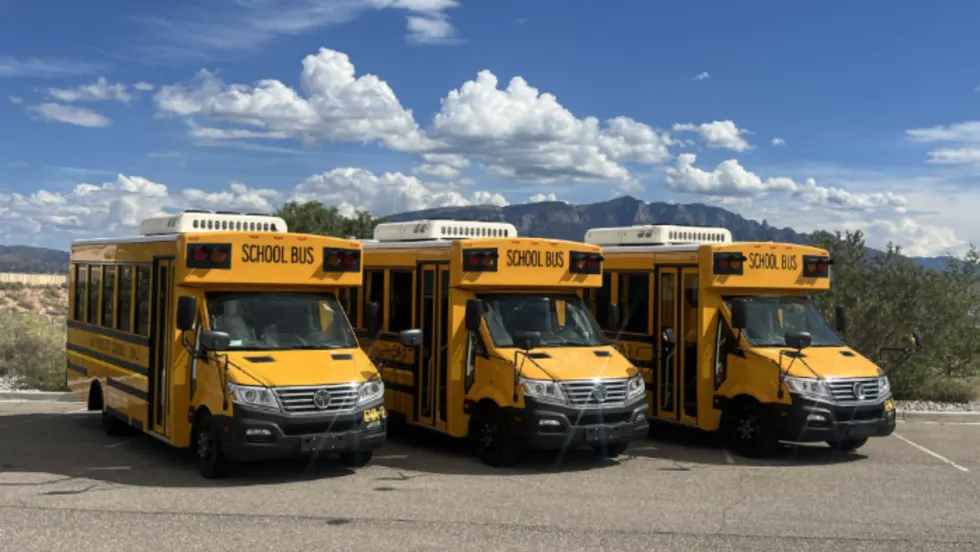
GreenPower Expands New Mexico EV Pilot With Larger Buses, V2G Testing
After logging more than 17,000 electric miles in the first year, New Mexico’s statewide pilot is moving into its second phase with larger vehicles, continued charging evaluations, and more.
Read More →
Can EV-as-a-Service Help Fleets Scale Electrification?
Sustainability Partners CEO Adam Cain explains how matching EVs, charging infrastructure, and duty cycles can help fleets scale electrification.
Read More →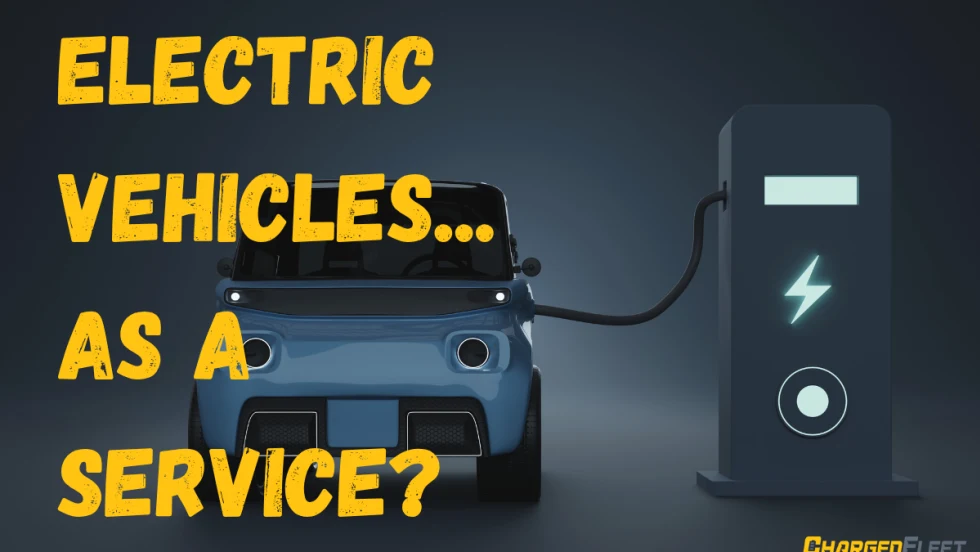
How EV-as-a-Service Is Moving Fleets Beyond Pilots
Adam Cain, president and CEO of Sustainability Partners, explains how EV-as-a-service can help fleets scale deployments by addressing duty-cycle requirements and charging challenges.
Read More →
PowerFlex, The Mobility House Join Forces to Advance Fleet Electrification
Two EV charging providers are joining forces to deliver a broader portfolio of energy management and fleet electrification solutions.
Read More →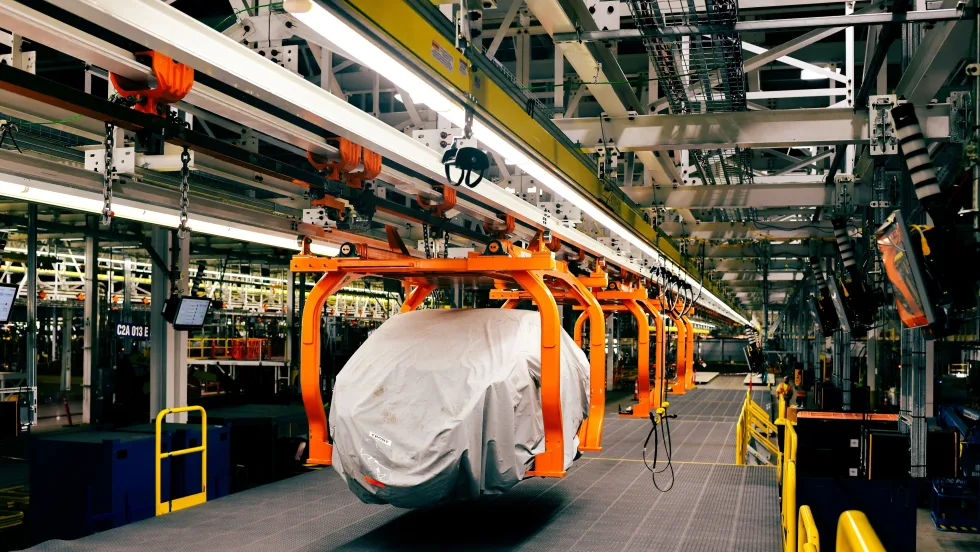
Ford Retools Louisville Plant for Fathom Electric Truck Production
Ford's $2 billion Louisville Assembly Plant overhaul introduces a three-part assembly process for the Fathom midsize electric truck, with production scheduled to begin in 2027.
Read More →
Merchants Fleet Reports 290M EV Miles as Fleets Navigate Changing Electrification Market
From millions in operating savings to hundreds of millions of EV miles, Merchants Fleet’s latest report reveals what’s working and what’s changing in fleet electrification.
Read More →
California District Commits to Electrify 25% of School Bus Fleet by 2028
One of the nation's largest school bus electrification projects to date demonstrates how grants, charging infrastructure, and public-private partnerships can help fleets transition to EVs at scale.
Read More →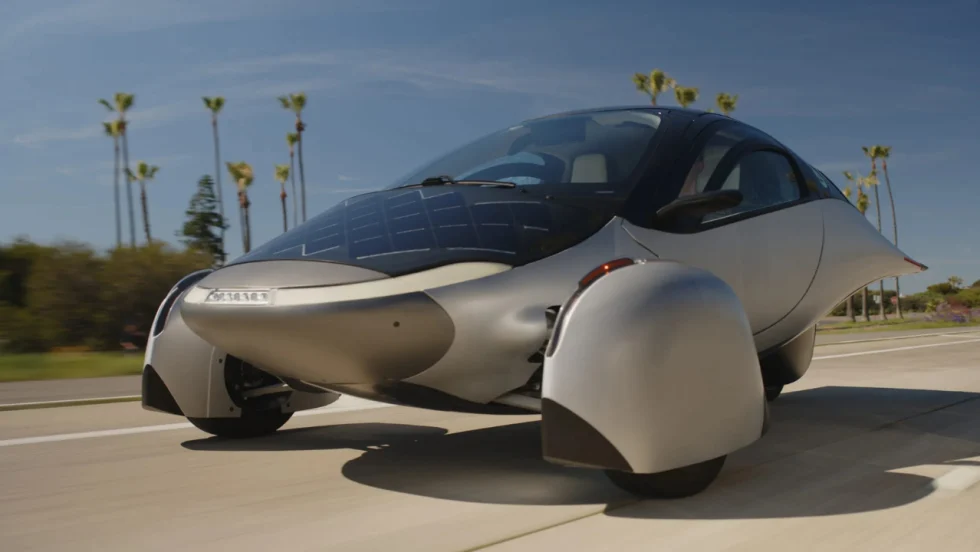
Aptera Orders Bodies and Chassis for Its First 40 Production Vehicles
Aptera Motors Corp. has issued purchase orders for the major structural components of its first 40 vehicles, and body and chassis components are expected to begin arriving in October.
Read More →