



More IARA coverage: Hard Facts on Electric Vehicles Favor Fleet Usage
Remarketers Group Generates Deeper Topics on EVs
IARA Summer Roundtable: The International Automotive Remarketers Alliance recently found far more questions than answers on how to value and handle the coming wave of used electric vehicles.
August 25, 2022
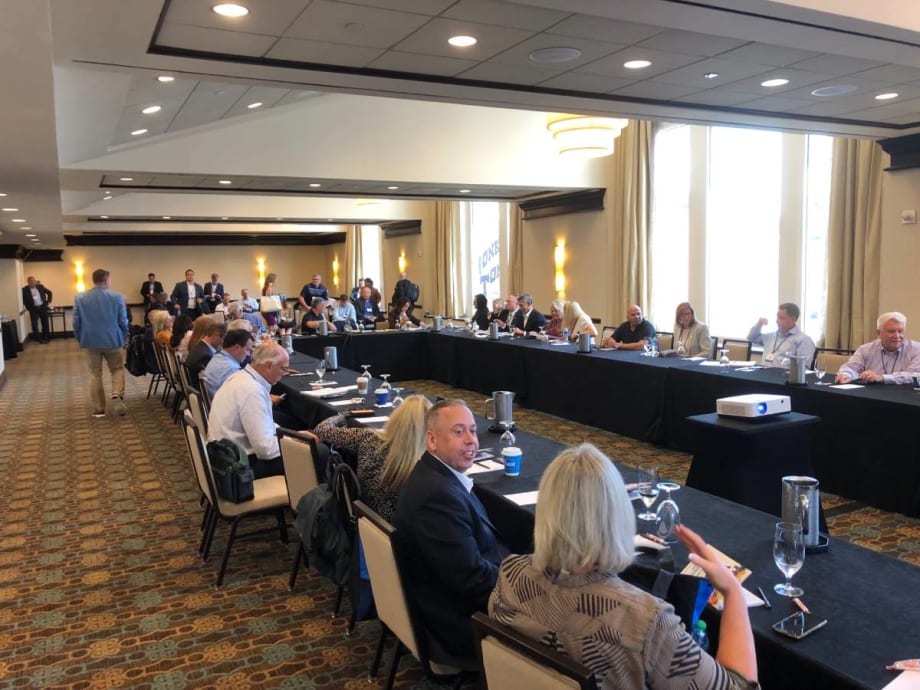
The IARA Summer Roundtable hosted meetings of all its standing committees on Aug. 17, 2022 in Nashville, Tennessee, to discuss a wide array of remarketing industry topics, including the valuation and handling of used electric vehicles.
Photo: Martin Romjue / Bobit
4 min to read
Roundtables aren’t just meant to be talked over, but can be loaded up with issues and agendas, like a convoy of casseroles difficult to digest.
At the International Automotive Remarketers annual Summer Roundtable Aug. 17, its Industry Advancement Committee, tasked with overseeing standards, technology, and electric vehicle policies, raised a list of questions that could fuel plenty of future discussions and spur the guidelines needed for consignors and auctions to recondition and resell electric fleet vehicles.
As the global electric vehicle market expands, the sector on track to be among first mass early adopters is fleet transportation, given its more controlled and predictable usage and duty cycles.
The committee announced it has a foundation for taking on EVs: It’s come up with a glossary of EV terms that members can commonly refer to and it has formed a working relationship with the National Auto Auction Association on developing remarketing standards for used electric vehicles. Those would include assessing battery life and installing charging infrastructure.
Committee member Venkat Krishnamoorthy, the CEO of AutoIMS, said the committee wants to focus on the logistics and transportation aspects of EVs, in getting them to and from auctions, dealers and customers. The committee seeks diverse representation among the many professional and vocational roles within remarketing that touch on EVs, he said.
Participants seated along a packed “square set” committee roundtable soon delved into a ricocheting discussion about all-electric vehicles that drew out mounting challenges and concerns:
How will heavier electric vehicles affect the weight capacities of transport trucks and vehicles and affect decisions on what vehicles to use?
Will new load distributions increase damage risks to EVs and the trucks carrying them?
Will the auto transport industry need newer, larger truck models that can handle the heavier EVs, and how would heavier trucks affect the weight capacities of roadways?
Will trailers be big enough to handle wider, heavier EVs? How do you prevent drivers from jamming in EVs with conventional vehicles to
What is the risk of damage to the undercarriage of an electric vehicles, and what if the battery is positioned there? Does minor damage result in the totaling of the car?
What are the fire risks given that EV battery fires can burn for hours before being extinguished with sediments in addition to water?
And would that raise insurance compensation limits in the event of catastrophic transport truck fire loaded with EVs?
How do weight and safety questions affect insurance policy and liability calculations overall, and will new policies with higher rates be needed?
Will auto transporters have to raise their rates to maintain margins?
When the EVs are dead and won’t start, will a jump pack work? What equipment needs to be installed on a transport truck to start an EV?
How do consignors, auctions, and captive finance companies coordinate with repo operations to successfully retrieve and transport EVs?
Will there be new competitive opportunities for transport companies that specialize in EVs and who can charge higher rates?
How do you set up the support structure to educate all industry workers involved in handling and assessing EVs, including transporters, technicians, mechanics, drivers, condition report writers, lenders, financers, floor managers, etc.?
How do you reconcile the practices and standards of asset-based carriers with those of broker-haulers who don’t use same equipment?
How do you establish the consistent auction standards to handle what happens when an EV out of its first lifecycle beyond warranty goes through auctions a second or third time?
What are the risks for underwriting an electric vehicle?
Do you repair EVs at auctions or specialized third party services?
What are wholesale buyers expecting on EV purchasing and transition costs? Do you put in the cost for certain repairs to make an EV more sellable?
What will be the buyer pool for end-of-life EVs? Do foreign countries have same capabilities to handle them?
“There are so many variables, and we are all still learning,” said committee member John Mathiowetz, who has started a blog-podcast series on EVs from a remarketing angle. “There are so many considerations we have to factor in.”
As the roundtable ran out the clock, IARA President Jeff Bescher summed up the discussion as a series of “rabbit holes” worthy of much deeper inquiry and examination.
Topics:auto transportInternational Automotive Remarketers AllianceIARA Summer RoundtableElectric VehiclesBatteries/Tech
Originally posted on Vehicle Remarketing
More Electric Vehicles
EV Charging Use Is Outpacing Infrastructure Growth
ChargePoint’s 2026 Charging Forward Report points to rising charger use, higher-powered charging, commercial vehicle electrification, and energy-management technology. Here’s what fleets should know.
Read More →
EV Realty Names Henrik Holland President as Charging Platform Expands
The former Prologis Mobility and Shell executive will help expand EV Realty’s truck charging business and move its power-first infrastructure model into autonomous vehicle depots and other fleet sectors.
Read More →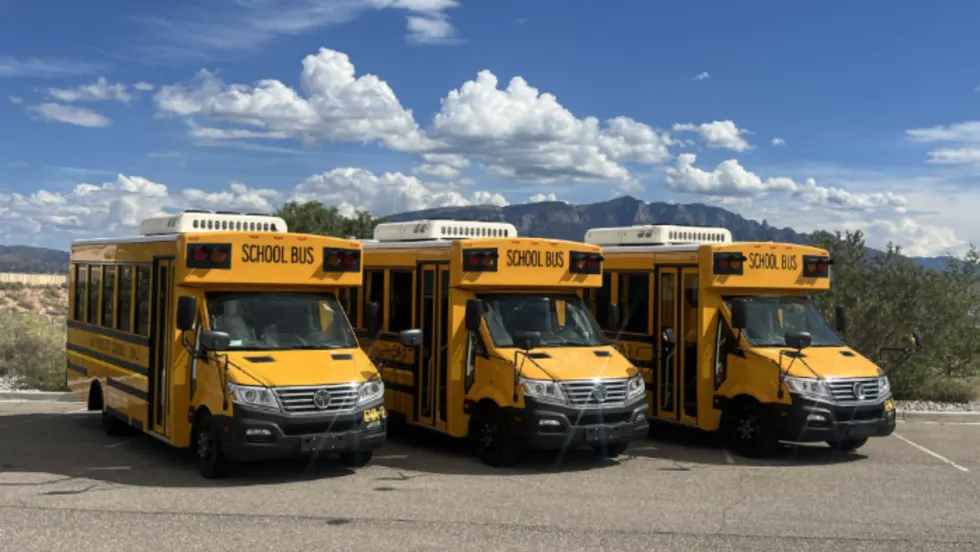
GreenPower Expands New Mexico EV Pilot With Larger Buses, V2G Testing
After logging more than 17,000 electric miles in the first year, New Mexico’s statewide pilot is moving into its second phase with larger vehicles, continued charging evaluations, and more.
Read More →
Can EV-as-a-Service Help Fleets Scale Electrification?
Sustainability Partners CEO Adam Cain explains how matching EVs, charging infrastructure, and duty cycles can help fleets scale electrification.
Read More →
How EV-as-a-Service Is Moving Fleets Beyond Pilots
Adam Cain, president and CEO of Sustainability Partners, explains how EV-as-a-service can help fleets scale deployments by addressing duty-cycle requirements and charging challenges.
Read More →
PowerFlex, The Mobility House Join Forces to Advance Fleet Electrification
Two EV charging providers are joining forces to deliver a broader portfolio of energy management and fleet electrification solutions.
Read More →
Ford Retools Louisville Plant for Fathom Electric Truck Production
Ford's $2 billion Louisville Assembly Plant overhaul introduces a three-part assembly process for the Fathom midsize electric truck, with production scheduled to begin in 2027.
Read More →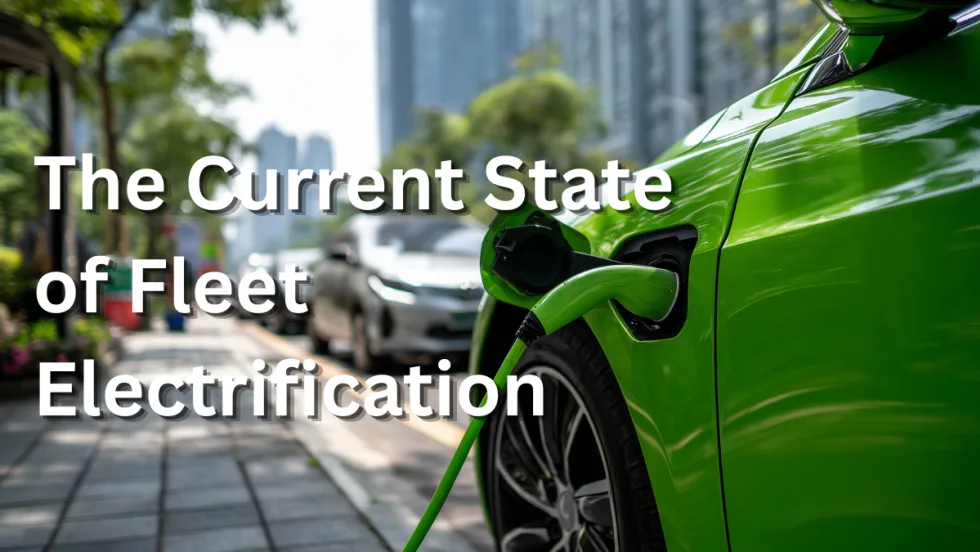
Merchants Fleet Reports 290M EV Miles as Fleets Navigate Changing Electrification Market
From millions in operating savings to hundreds of millions of EV miles, Merchants Fleet’s latest report reveals what’s working and what’s changing in fleet electrification.
Read More →
California District Commits to Electrify 25% of School Bus Fleet by 2028
One of the nation's largest school bus electrification projects to date demonstrates how grants, charging infrastructure, and public-private partnerships can help fleets transition to EVs at scale.
Read More →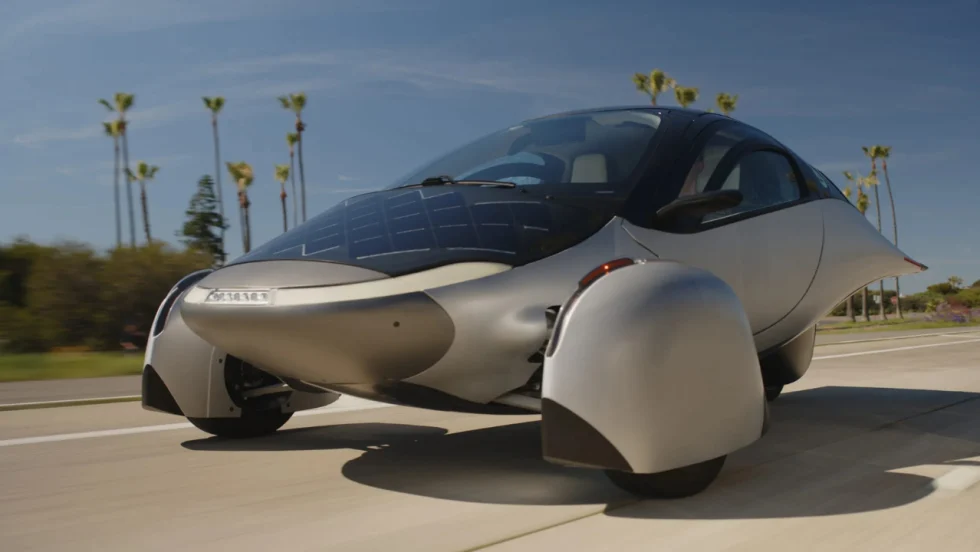
Aptera Orders Bodies and Chassis for Its First 40 Production Vehicles
Aptera Motors Corp. has issued purchase orders for the major structural components of its first 40 vehicles, and body and chassis components are expected to begin arriving in October.
Read More →