


Protocols for Cleaning and Disinfecting Aerial Equipment
Based on guidelines from the Centers for Disease Control and Prevention (CDC), Genie shared new procedures and protocols for cleaning and disinfecting aerial equipment on jobsites to help prevent the spread of COVID-19 while working at height.

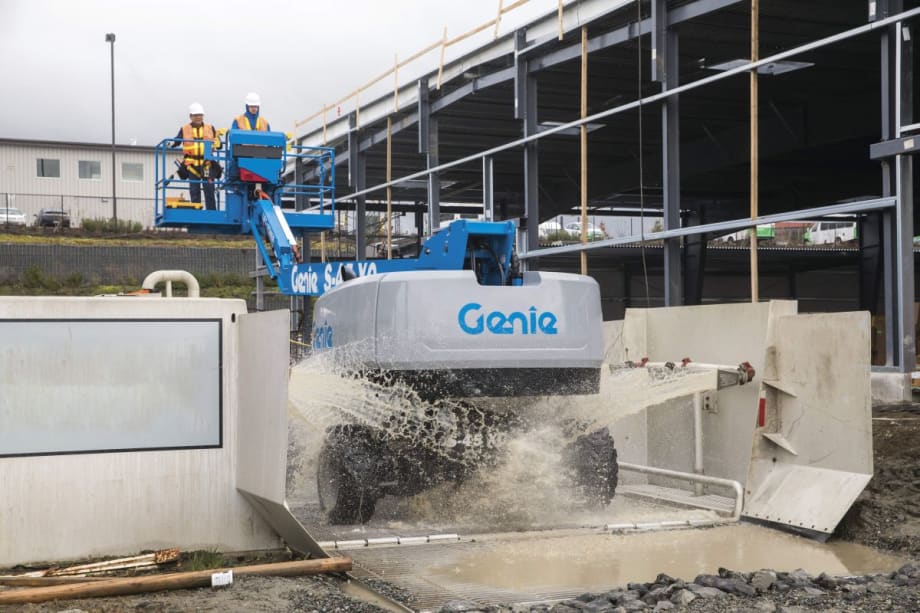
Cleaning with soap and water reduces number of germs, dirt, and impurities on the surface.
Photo: Genie
Based on guidelines from the Centers for Disease Control and Prevention (CDC), Genie shared new procedures and protocols for cleaning and disinfecting aerial equipment on jobsites to help prevent the spread of COVID-19 while working at height. This information provides jobsite superintendents and fleet managers with specific precautions to take to keep workers and jobsites safe and productive.
“The ongoing COVID-19 global pandemic has caused significant disruptions in the aerial access industry,” said Scott Owyen, Genie Director of Training, Terex AWP. “For many weeks, aerial jobsites shut down to mitigate the risk of people contracting the virus, as well as to slow the spread from those who already had it. Now, as jobsites are beginning to reopen worldwide, jobsite superintendents and fleet managers need to think about how to best protect workers and prevent the spread of the virus. Following the CDC’s guidance, we can offer recommendations to our customers on the most effective way for aerial equipment operators to clean and disinfect machines before, during and after each use.”
According to Owyen, the first, and number one, goal of all aerial jobsites should be to provide a safe and productive work environment for workers and equipment. To do this, Owyen says that aerial equipment operators need to take the following actions when cleaning and disinfecting machines:
Cleaning Machines
Wear reusable or disposable gloves for routine cleaning and disinfection.
Clean surfaces using soap and water, then use disinfectant.
Cleaning with soap and water reduces number of germs, dirt, and impurities on the surface. Disinfecting kills germs on surfaces.
Practice routine cleaning of frequently touched surfaces.
Disinfecting Machines
Genie recommends the use of EPA-registered household disinfectants.
Some common EPA-registered disinfectants include: Fantastik All-Purpose Cleaner, Scrubbing Bubbles Disinfectant Restroom Cleaner II, Lysol Bathroom Cleaner, and Lysol Brand Bleach Mold and Mildew Remover.
Follow the instructions on the label to ensure safe and effective use of the product. Read the EPA’s infographic on how to use these disinfectant products safely and effectively. Many products recommend:
Keeping surface wet for a period of time (see product label)
Precautions such as wearing gloves and making sure you have good ventilation during use of the product
Diluted household bleach solutions may also be used if appropriate for the surface.
Check the label to see if your bleach is intended for disinfection, and ensure the product is not past its expiration date.
Unexpired household bleach will be effective against coronaviruses when properly diluted.
Follow manufacturer’s instructions for application and proper ventilation. Never mix household bleach with ammonia or any other cleanser.
Leave solution on the surface for at least 1 minute.
To make a bleach solution, mix:
5 tablespoons (one-third cup) bleach per gallon of water OR 4 teaspoons bleach per quart of water
Bleach solutions will be effective for disinfection up to 24 hours. Please keep in mind that bleach may negatively affect warning labels and other safety markings.
Alcohol solutions with at least 70% alcohol may also be used.
“The best way to prevent the spread of COVID-19 is to avoid being exposed to it,” Owyen concluded. “These recommendations will help protect our equipment operators from contact with the virus while working at height, as well as assisting our customers, jobsite superintendents and fleet managers in their efforts to promote safety in the aerial access industry.”
Originally posted on Work Truck Online
More Electric Vehicles
EV Charging Use Is Outpacing Infrastructure Growth
ChargePoint’s 2026 Charging Forward Report points to rising charger use, higher-powered charging, commercial vehicle electrification, and energy-management technology. Here’s what fleets should know.
Read More →
EV Realty Names Henrik Holland President as Charging Platform Expands
The former Prologis Mobility and Shell executive will help expand EV Realty’s truck charging business and move its power-first infrastructure model into autonomous vehicle depots and other fleet sectors.
Read More →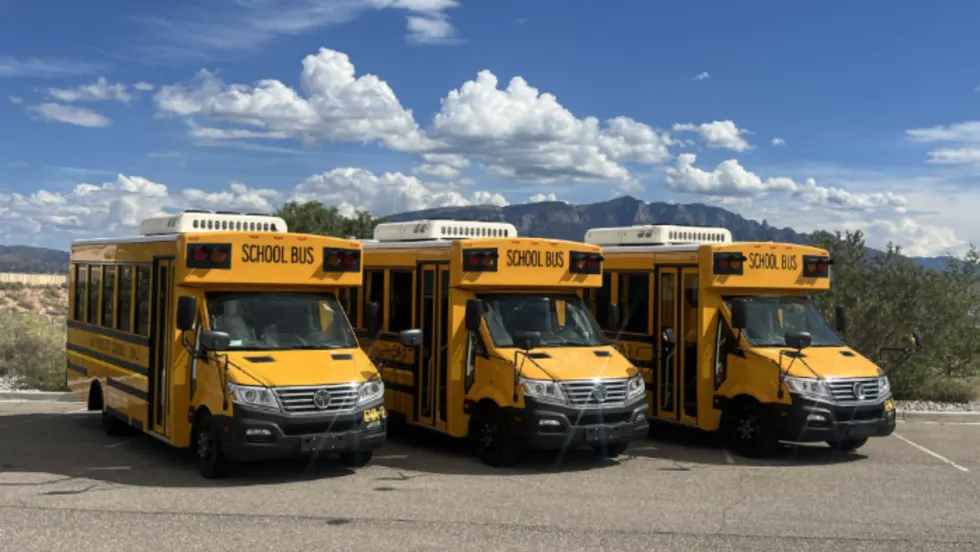
GreenPower Expands New Mexico EV Pilot With Larger Buses, V2G Testing
After logging more than 17,000 electric miles in the first year, New Mexico’s statewide pilot is moving into its second phase with larger vehicles, continued charging evaluations, and more.
Read More →
Can EV-as-a-Service Help Fleets Scale Electrification?
Sustainability Partners CEO Adam Cain explains how matching EVs, charging infrastructure, and duty cycles can help fleets scale electrification.
Read More →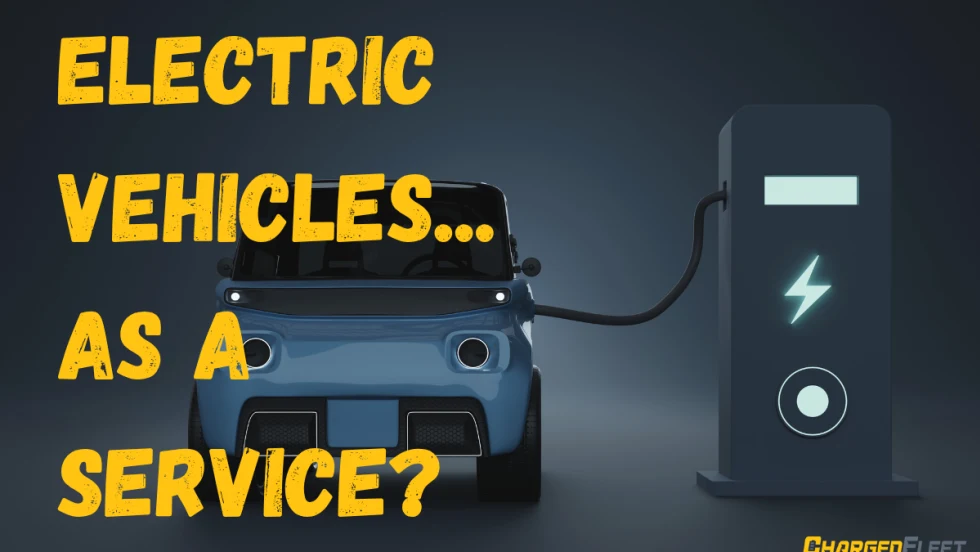
How EV-as-a-Service Is Moving Fleets Beyond Pilots
Adam Cain, president and CEO of Sustainability Partners, explains how EV-as-a-service can help fleets scale deployments by addressing duty-cycle requirements and charging challenges.
Read More →
PowerFlex, The Mobility House Join Forces to Advance Fleet Electrification
Two EV charging providers are joining forces to deliver a broader portfolio of energy management and fleet electrification solutions.
Read More →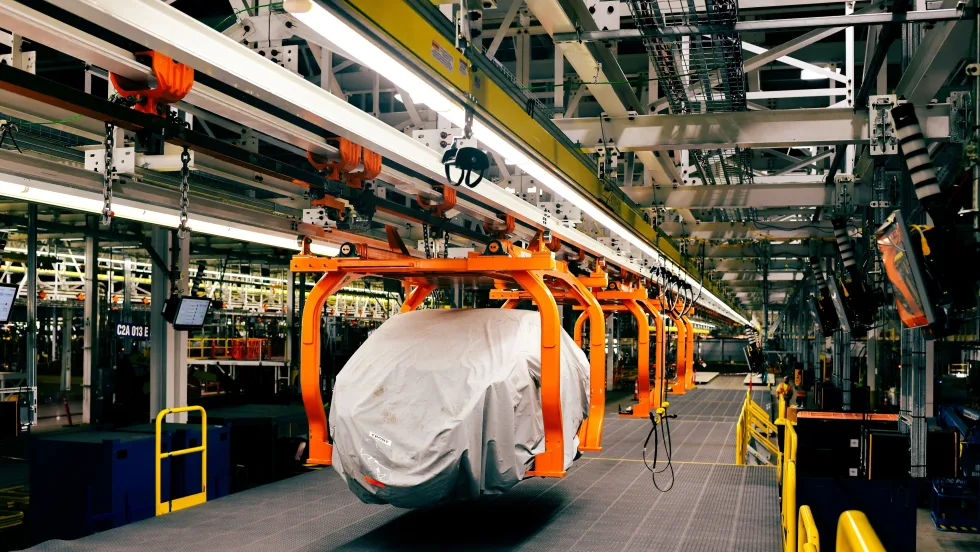
Ford Retools Louisville Plant for Fathom Electric Truck Production
Ford's $2 billion Louisville Assembly Plant overhaul introduces a three-part assembly process for the Fathom midsize electric truck, with production scheduled to begin in 2027.
Read More →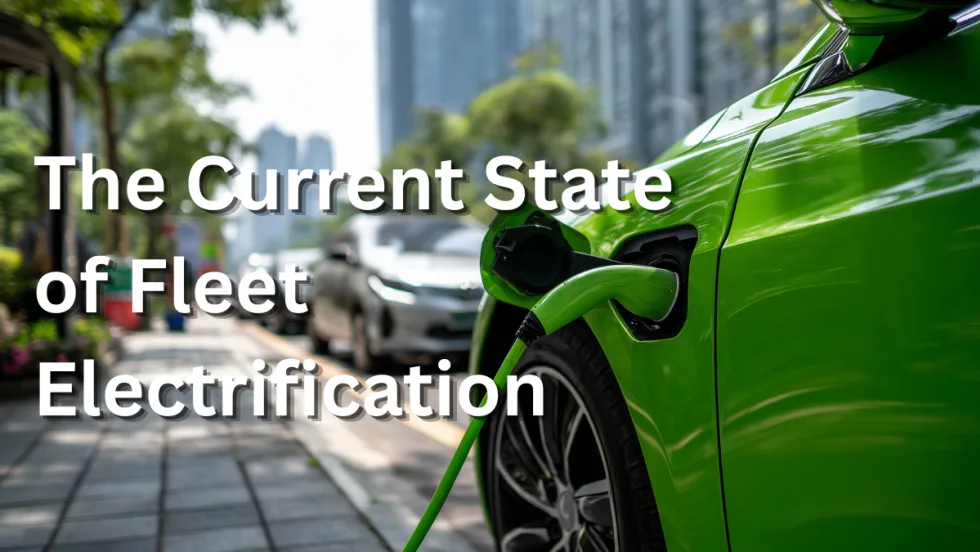
Merchants Fleet Reports 290M EV Miles as Fleets Navigate Changing Electrification Market
From millions in operating savings to hundreds of millions of EV miles, Merchants Fleet’s latest report reveals what’s working and what’s changing in fleet electrification.
Read More →
California District Commits to Electrify 25% of School Bus Fleet by 2028
One of the nation's largest school bus electrification projects to date demonstrates how grants, charging infrastructure, and public-private partnerships can help fleets transition to EVs at scale.
Read More →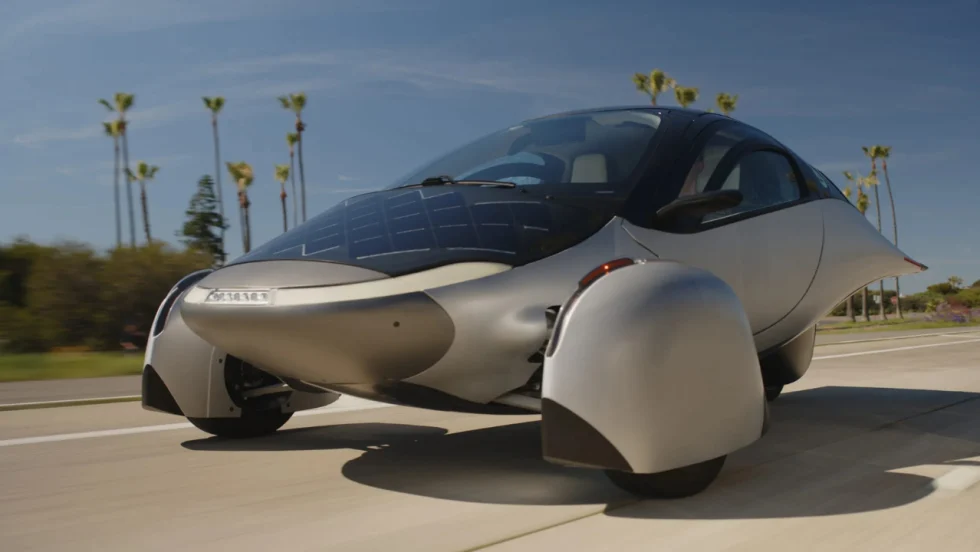
Aptera Orders Bodies and Chassis for Its First 40 Production Vehicles
Aptera Motors Corp. has issued purchase orders for the major structural components of its first 40 vehicles, and body and chassis components are expected to begin arriving in October.
Read More →