



See Also: Polestar Readies All-Electric SUV Model
Polestar Improves Battery Capacity
The higher battery capacity in the Polestar 2 leads to and increased maximum range of up to 295 miles, faster charging, and higher motor output.
April 28, 2022
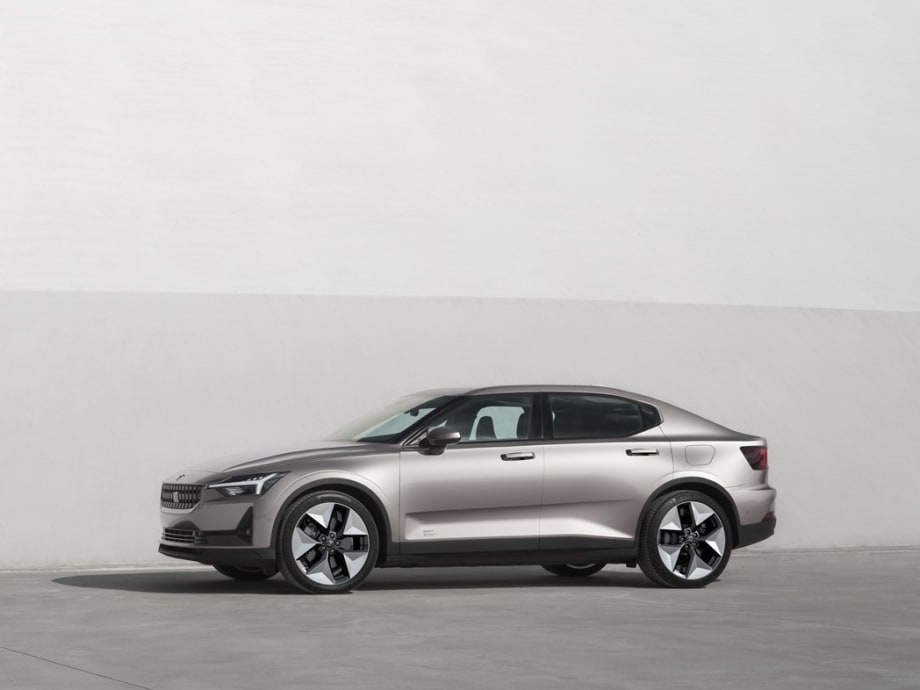
The Polestar 2 changes include reduced CO2e thanks to implementation of renewable energy in aluminium component sourcing and production.
Photo: Polestar
3 min to read
Swedish electric vehicle manufacturer Polestar 2 announced in a statement that the car is being updated with new solutions connected to climate impact and transparency, along with design detail and specification updates.
“We have revisited materials and processes that go into making Polestar 2, introducing updates that reduce the climate impact and increase material traceability of this award-winning car, said Thomas Ingenlath, Polestar CEO in the statement. "These are important additions to how we can improve cars over their lifetime – not just with functionality and design updates but addressing sustainability and carbon footprint as well.”
Polestar’s partnership with Circulor includes blockchain traceability of mica, in addition to cobalt that is already traced in Polestar 2 batteries. The blockchain technology allows Polestar to trace risk minerals from material source to finished product.
The battery in the Polestar 2 standard range single motor sees improved cell chemistry that provides a higher capacity (now 69 kWh). This leads to increased range (now up to 474 km WLTP or 295 miles), faster charging (now up to 130 kW DC), and higher motor output (170 kW). The aluminium tray that carries the battery casing for all versions will see a CO2e reduction of 750 kg per car, thanks to the decision to only purchase aluminium for this component from smelters that use renewable energy.
“In our program updates we want to take action on improvements that can make a positive sustainability impact quickly, rather than traditional mid-cycle facelifts, added Fredrika Klarén, Polestar’s head of sustainability. "Product optimization programs are common in the car industry, but we are taking an extended approach at Polestar, combining these with CO2e reduction programs as well.
“A first pilot has been rolled out, replacing the aluminium in the wheels with low-carbon aluminium that is produced using renewable energy. We expect this to result in a 600 kg CO2e reduction per car for Polestar 2 in the second half of the year. Together with the improvements to aluminium in the battery tray, we’re expecting to see a total reduction of around 1,350 kg per car.
“We require that all leather used in Polestar products must live up to the strictest standards on animal welfare and the Five Freedoms, alongside being fully traceable and chrome-free. A new leather supplier, Bridge of Weir, meets our requirements.”
The scope of design and feature updates includes:
New exterior colors: Space (replaces Void) and Jupiter (replaces Moon).
Magnesium is now the default standard color.
New designs for the standard 19-inch and optional 20-inch wheels.
New Zinc color for ventilated Nappa leather upholstery (replaces Barley), available with new Light Ash deco (replaces Reconstructed Wood).
Removable sunshade for the panoramic glass roof (also available in Polestar Extras web shop from mid-June 2022 for all Polestar 2 with glass roof).
The performance software upgrade with maximum output of 350 kW and 680 Nm is now included in the Performance Pack in Europe.
The heat pump (included in Plus Pack) has an improved optimal temperature range, now between -7°C and 25°C.
Advanced cabin filter and upgraded interior particulate matter sensor with new in-car app that quantifies exterior air quality improvement in the cabin (Plus Pack).
Originally posted on Automotive Fleet
More Electric Vehicles
EV Charging Use Is Outpacing Infrastructure Growth
ChargePoint’s 2026 Charging Forward Report points to rising charger use, higher-powered charging, commercial vehicle electrification, and energy-management technology. Here’s what fleets should know.
Read More →
EV Realty Names Henrik Holland President as Charging Platform Expands
The former Prologis Mobility and Shell executive will help expand EV Realty’s truck charging business and move its power-first infrastructure model into autonomous vehicle depots and other fleet sectors.
Read More →
GreenPower Expands New Mexico EV Pilot With Larger Buses, V2G Testing
After logging more than 17,000 electric miles in the first year, New Mexico’s statewide pilot is moving into its second phase with larger vehicles, continued charging evaluations, and more.
Read More →
Can EV-as-a-Service Help Fleets Scale Electrification?
Sustainability Partners CEO Adam Cain explains how matching EVs, charging infrastructure, and duty cycles can help fleets scale electrification.
Read More →
How EV-as-a-Service Is Moving Fleets Beyond Pilots
Adam Cain, president and CEO of Sustainability Partners, explains how EV-as-a-service can help fleets scale deployments by addressing duty-cycle requirements and charging challenges.
Read More →
PowerFlex, The Mobility House Join Forces to Advance Fleet Electrification
Two EV charging providers are joining forces to deliver a broader portfolio of energy management and fleet electrification solutions.
Read More →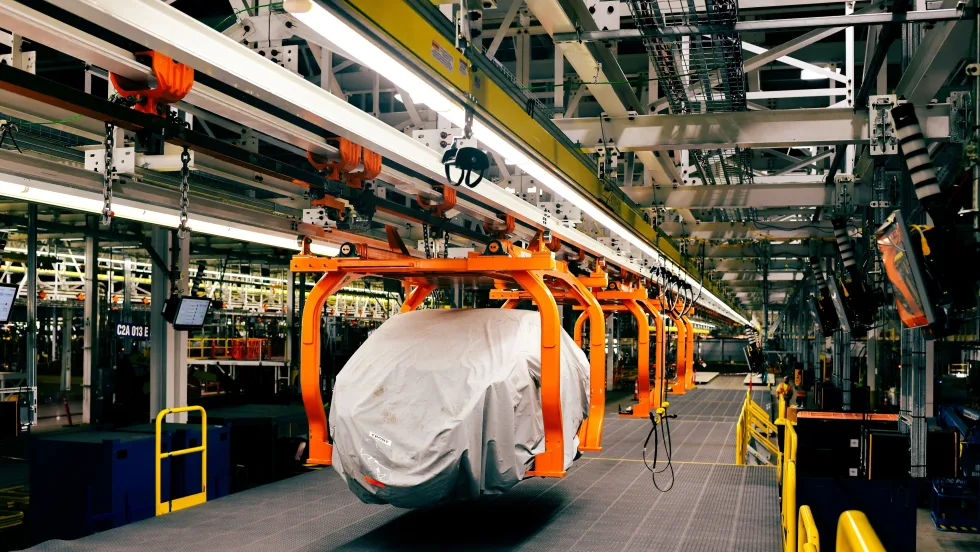
Ford Retools Louisville Plant for Fathom Electric Truck Production
Ford's $2 billion Louisville Assembly Plant overhaul introduces a three-part assembly process for the Fathom midsize electric truck, with production scheduled to begin in 2027.
Read More →
Merchants Fleet Reports 290M EV Miles as Fleets Navigate Changing Electrification Market
From millions in operating savings to hundreds of millions of EV miles, Merchants Fleet’s latest report reveals what’s working and what’s changing in fleet electrification.
Read More →
California District Commits to Electrify 25% of School Bus Fleet by 2028
One of the nation's largest school bus electrification projects to date demonstrates how grants, charging infrastructure, and public-private partnerships can help fleets transition to EVs at scale.
Read More →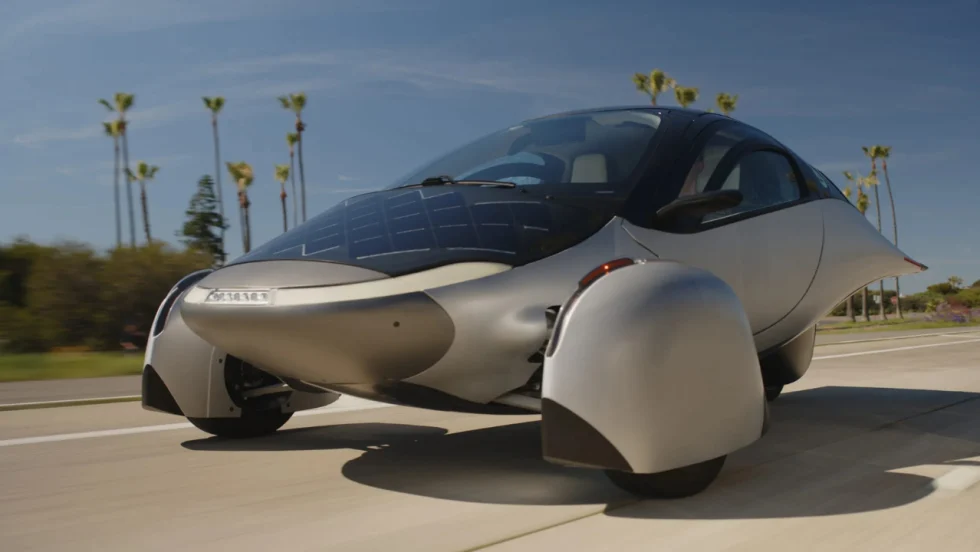
Aptera Orders Bodies and Chassis for Its First 40 Production Vehicles
Aptera Motors Corp. has issued purchase orders for the major structural components of its first 40 vehicles, and body and chassis components are expected to begin arriving in October.
Read More →