



Learn More:Why Subscription Models May Be First Step to EV Adoption
New Data Shows How Car-Sharing Affects Parking, Traffic in NYC
Zipcar finds that car-sharing New Yorkers spend half as much on transportation than car-owning counterparts, just in time for “Car-Free Day” on Sept. 22.
September 22, 2023

No more stress of owning a car in a crowded city: Zipcar provides 24/7 on-demand, self-service access to vehicles by the hour, day, or week in convenient urban, college, or business locations.
Photo: Zipcar
4 min to read
Sept. 22 marks the worldwide initiative “Car-Free Day,” which encourages motorists to take a break from driving and explore greener options like mass transit, biking, scooters, and walking.
Zipcar, a global car-sharing company that is a subsidiary of Avis Budget Group, recently found through a survey that a segment of New Yorkers who share a car (compared to personal car owners) help boost the environmental and social health of New York.
Their car sharing eliminated additional cars, traffic, parking competition, and carbon emissions from the city. About 30% of Zipcar members in New York City ditched their personal car after joining Zipcar, eliminating an estimated 37,000 vehicles from city streets.
“As the cost of car ownership rises and parking becomes increasingly competitive in neighborhoods, New Yorkers are looking to car sharing as a cost-effective and convenient way to drive a car when they need one,” said Angelo Adams, head of Zipcar, in a Sept. 19 news release. “A little-known byproduct of car sharing is that it eliminates personally owned vehicles from city streets, which reduces congestion and competition for parking on the curb. Who wants the hassle of car payments and to circle the block in the Bronx or Queens? No one!”
The Impact of Car Sharing on New York City
Founded in 2000, Zipcar aims to enable simple and responsible urban living by reducing personal car ownership. According to Zipcar's new North American Transportation Survey, car-sharing New Yorkers take the suitable transportation mode (walking, biking, transit, car sharing) for the right trip, saving money and supporting sustainable urban living at a higher rate than the average resident. Of note:
Car sharers eliminate congestion on New York City’s streets. New York City has the fifth most congested streets worldwide, according to INRIX. Those who share cars are not to blame for this unwanted title: 89% of New York Zipcar members do not own a vehicle, and 42% postponed buying a vehicle due to Zipcar. If Zipcar were to leave New York, members would purchase an estimated 56,000 vehicles or enough vehicles to line the roads from Manhattan to Albany, New York or Providence, Rhode Island.
Zipcar fleet frees spatial equivalent of seven hometown baseball stadiums. Each Zipcar is estimated to replace up to 13 personally owned vehicles in New York City. With a fleet of over 3,000 vehicles, including hybrids and electric vehicles, Zipcar enables over 9.8 million square feet (about the total floor space of the Pentagon) of free space, or the spatial equivalent of 149 miles of protected bike lanes, Governor’s Island, nearly 14 Museums of Modern Art or the entire Carroll Gardens neighborhood.
Who Are NYC’s Car Sharing Users?
New Yorkers spend nearly 50% less on transportation costs. The annual cost of new car ownership totals a record high of $10,000, according to AAA. New York Zipcar members spend far less annually on total transportation costs than the national average: the average resident’s annual household transportation cost is estimated to be more than $7,000, whereas a Zipcar member's annual household transportation cost totals about $3,900, netting a 50% savings that can be used for housing, childcare or leisure, etc.
Car Sharing is for all New Yorkers. About 60% of Zipcar’s New York fleet is in “disadvantaged communities,” as defined by the U.S. Department of Transportation. Of its NYC membership base, 55% identify as BIPOC (60% in Queens, 90% in the Bronx), 90% live in multi-family housing, 30% report children under their guardianship (which is twice the rate of comparable markets), and 35% have a household income lower than the national median income of $67,500.
Car sharers embrace the “car-free” lifestyle. New York Zipcar members report walking, riding bikes, taking mass transit, and driving Zipcars only when truly needed, embracing greener transportation options more than the average resident: About 200 walking trips annually, 27 biking trips annually (nearly double the average resident); and 183 transit trips annually (21% more than the average resident).
Zipcar provides 24/7 on-demand, self-service access to vehicles by the hour, day, or week in convenient urban, college or business locations with gas or electric charging, insurance options, maintenance and dedicated parking included. Standard memberships are $9 a month or $90 a year, with driving rates starting from $12.50/hour and $103/day. Information: www.zipcar.com.
Originally posted on Auto Rental News
More Electric Vehicles
EV Charging Use Is Outpacing Infrastructure Growth
ChargePoint’s 2026 Charging Forward Report points to rising charger use, higher-powered charging, commercial vehicle electrification, and energy-management technology. Here’s what fleets should know.
Read More →
EV Realty Names Henrik Holland President as Charging Platform Expands
The former Prologis Mobility and Shell executive will help expand EV Realty’s truck charging business and move its power-first infrastructure model into autonomous vehicle depots and other fleet sectors.
Read More →
GreenPower Expands New Mexico EV Pilot With Larger Buses, V2G Testing
After logging more than 17,000 electric miles in the first year, New Mexico’s statewide pilot is moving into its second phase with larger vehicles, continued charging evaluations, and more.
Read More →
Can EV-as-a-Service Help Fleets Scale Electrification?
Sustainability Partners CEO Adam Cain explains how matching EVs, charging infrastructure, and duty cycles can help fleets scale electrification.
Read More →
How EV-as-a-Service Is Moving Fleets Beyond Pilots
Adam Cain, president and CEO of Sustainability Partners, explains how EV-as-a-service can help fleets scale deployments by addressing duty-cycle requirements and charging challenges.
Read More →
PowerFlex, The Mobility House Join Forces to Advance Fleet Electrification
Two EV charging providers are joining forces to deliver a broader portfolio of energy management and fleet electrification solutions.
Read More →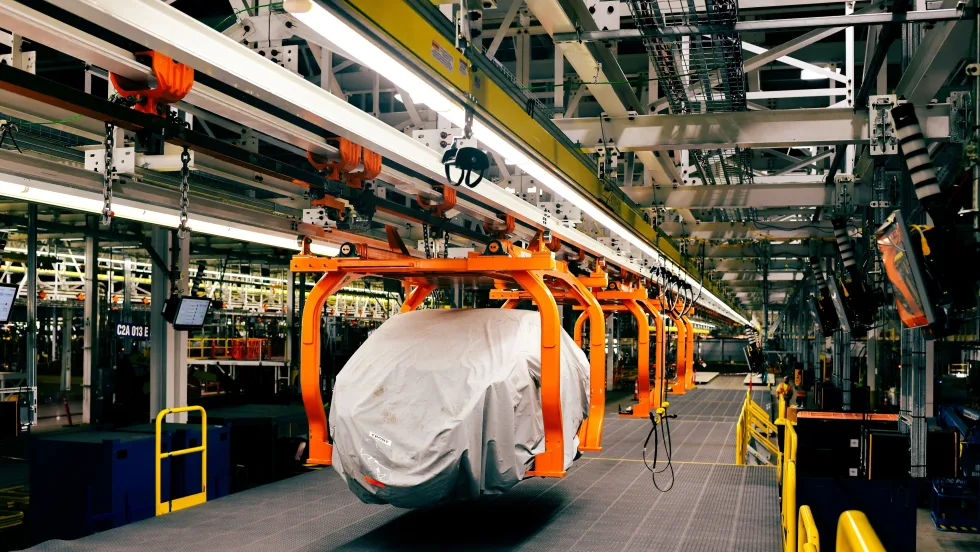
Ford Retools Louisville Plant for Fathom Electric Truck Production
Ford's $2 billion Louisville Assembly Plant overhaul introduces a three-part assembly process for the Fathom midsize electric truck, with production scheduled to begin in 2027.
Read More →
Merchants Fleet Reports 290M EV Miles as Fleets Navigate Changing Electrification Market
From millions in operating savings to hundreds of millions of EV miles, Merchants Fleet’s latest report reveals what’s working and what’s changing in fleet electrification.
Read More →
California District Commits to Electrify 25% of School Bus Fleet by 2028
One of the nation's largest school bus electrification projects to date demonstrates how grants, charging infrastructure, and public-private partnerships can help fleets transition to EVs at scale.
Read More →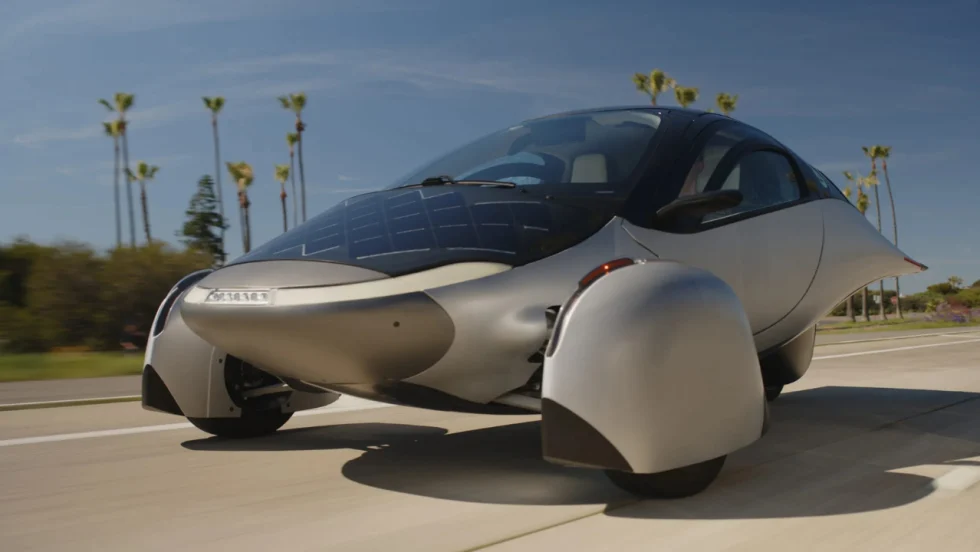
Aptera Orders Bodies and Chassis for Its First 40 Production Vehicles
Aptera Motors Corp. has issued purchase orders for the major structural components of its first 40 vehicles, and body and chassis components are expected to begin arriving in October.
Read More →