


Meals on Wheels People Debuts Electric-Solar Van
The van comes equipped with a refrigerated unit so it can deliver ready meals to children and families experiencing food insecurity.

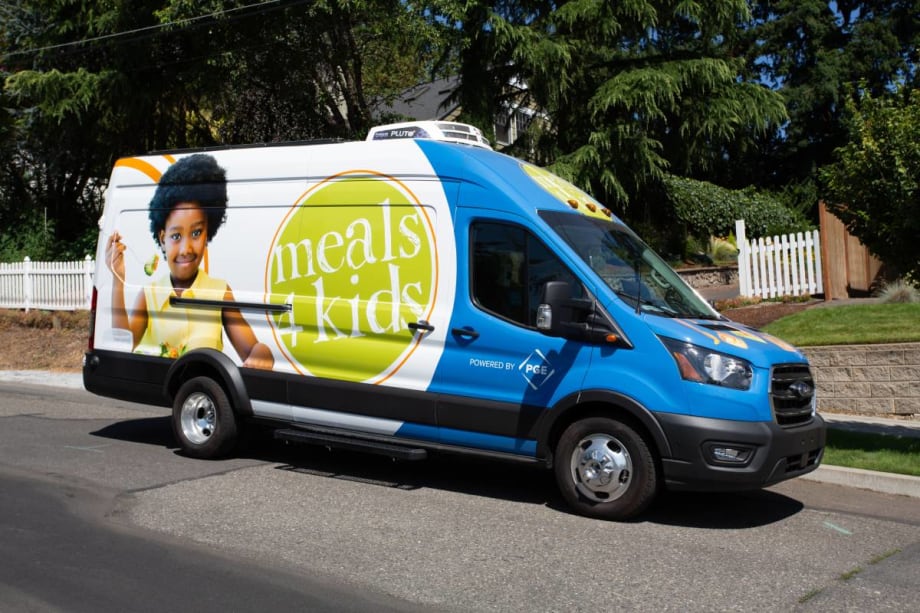
The zero emission Lightning Electric Transit Van has joined the fleet of Meals on Wheels People in Portland, Oregon, and is believed to be the first electric van deployed in the U.S. with a fully functioning solar-powered refrigeration system, according to the group.
Photo: Meals on Wheels People
Meals on Wheels People in Portland, Oregon recently begain using an all-electric van with a solar-powered refrigeration unit, according to an Aug. 9 press release.
The van, built by Lightning eMotors of Loveland, Col., is believed to be the first electric van deployed in the U.S. with a fully functioning solar-powered refrigeration system, used to keep meals fresh for delivery. The refrigeration unit is powered by a 12-volt battery pack charged by the vehicle when the van is plugged in and by a solar panel when the it sits in the sun.
The Lightning Electric Transit Van is a zero-emission vehicle that will be used for the Meals 4 Kids, which serves qualified children and families within Portland experiencing food insecurity. Meals 4 Kids and is funded by the Portland Children’s Levy.
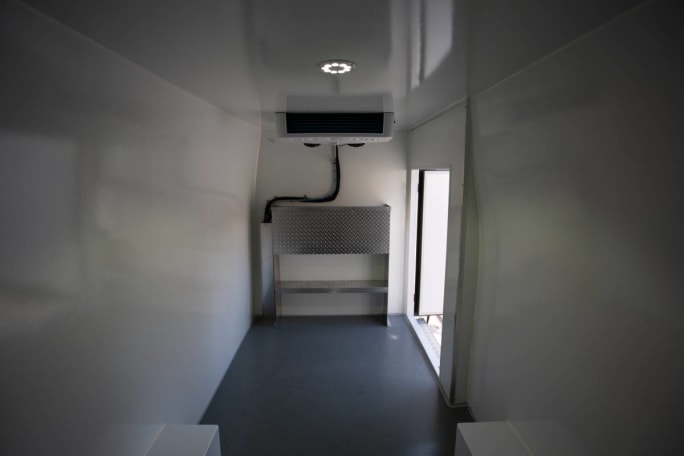
The refrigeration unit is powered by a 12-volt battery pack charged by the vehicle when the van is plugged in and by a solar panel when the it sits in the sun.
Photo: Meals on Wheels People
The Meals on Wheels People fleet van is supported by a grant from the Portland General Electric (PGE) Drive Change Fund, which draws its funds via the Department of Environmental Quality’s (DEQ) Clean Fuels Program. Through an annual competitive grant process, Meals on Wheels People received the grant in 2020. The PGE Drive Change Fund enabled Meals on Wheels People to purchase two electric vehicles and install EV charging stations at its headquarters in Multnomah Village, allowing staff, volunteers and the public to charge their vehicles while on location.
"Sustainability is part of our corporate culture and Meals on Wheels People is committed to reducing its impact on the environment,” said Meals on Wheels People CEO Suzanne Washington, in the news release. “Converting to electric vehicles is just one step in our green initiative and helped us earn a spot on the list of 100 Best Green Workplaces in Oregon. We are extremely grateful to PGE for providing us the funding for our new electric vehicles and charging stations.”
Eva DeCesaro, manager of PGE’s Clean Fuels Program, added, “This electric van and charging infrastructure will contribute to the reduction of emissions not just for the wonderful people at Meals on Wheels, but for everyone they serve, and the larger community here in Oregon.”
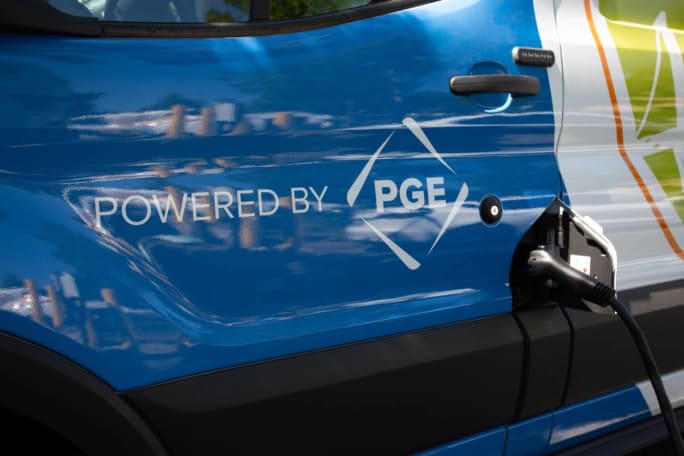
The PGE Drive Change Fund enabled Meals on Wheels People to purchase two electric vehicles and install electric vehicle charging stations at its headquarters, allowing public charging access.
Photo: Meals on Wheels People
To build the Class 3 vehicle, Lightning eMotors partnered with refrigeration manufacturer Volta Air, based in Canada, and solar-panel supplier Merlin Solar of San Jose, Calif. The van is capable of traveling delivery routes while maintaining cargo at refrigerator temperatures – all with zero emissions. Emerald Transportation Solutions of Fayetteville, Georgia installed the refrigeration unit, its battery pack and insulation liner.
“Last-mile delivery of chilled food via electric vehicles is expected to be an emerging trend as more zero-emission vehicles are deployed,” said Bill Kelley, chief technical officer, Lightning eMotors. “Our engineering team worked very closely with Volta Air to assure seamless integration of this innovative battery charging and refrigeration functionality. It’s a pleasure to be able to deliver this innovative van to Meals on Wheels People.”
More Operations

The EV Breakdown Nobody's Talking About: Why Most Electric Vehicle Roadside Calls Aren't Mechanical Failures
Here's why EV breakdowns are widely misunderstood.
Read More →
Xos White Paper Asserts LA Olympics Will Lack Enough EV Chargers
The commercial EV fleet company recommends some faster and more flexible remedies to relieve the anticipated shortfall.
Read More →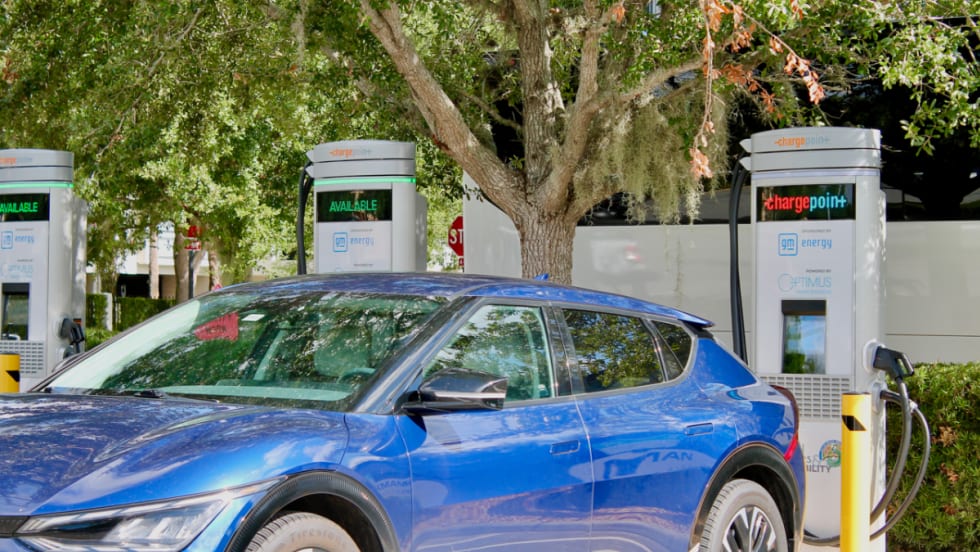
ChargePoint, Optimus Expand Fast-Charging Network Across Southeastern U.S.
ChargePoint will serve as the exclusive solutions provider, delivering hardware, software, and services to support Optimus’ growing charging network.
Read More →
Running A Profitable Electric Rental Fleet
How do you successfully operate an all-electric rental car fleet? Whether you manage a rental fleet or another commercial fleet, this conversation offers practical lessons on deploying, operating, and scaling electric vehicles.
Read More →
Registration Opens for 2026 Fleet Forward Conference
Held on the East Coast for the first time, the Washington, D.C.-area event features expert-led education, a new IIHS Crash Test Experience, and collocation with the NAFA’s Fleet Safety Symposium.
Read More →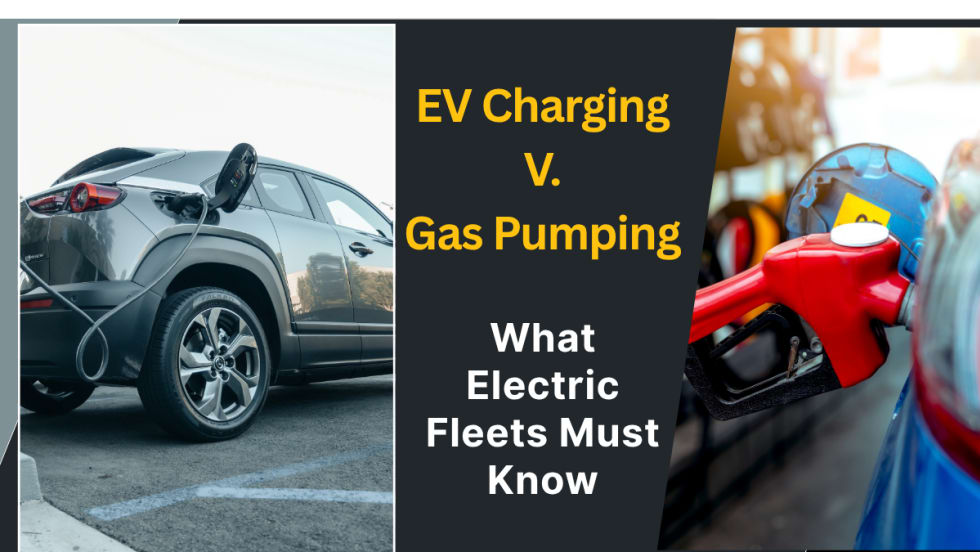
Why Charging May Never Be As Easy As Filling Up Gas
A seamless charge depends on a string of independent companies getting it right together, every time. How can electric fleets navigate the challenges to create a successful charging plan?
Read More →
Slate Debuts Colorful, Unique EV Models
A recent media and client event, studded with electric vehicles dressed up on platforms, planted a new position for the manufacturer in the wider EV market. Fleets will find cost-saving advantages.
Read More →
Slate Electric SUV, Pickup Switchable Model Aims For Light-Duty Fleets
Everything about this EV is counterintuitive and understated, making it stand out from the crowd.
Read More →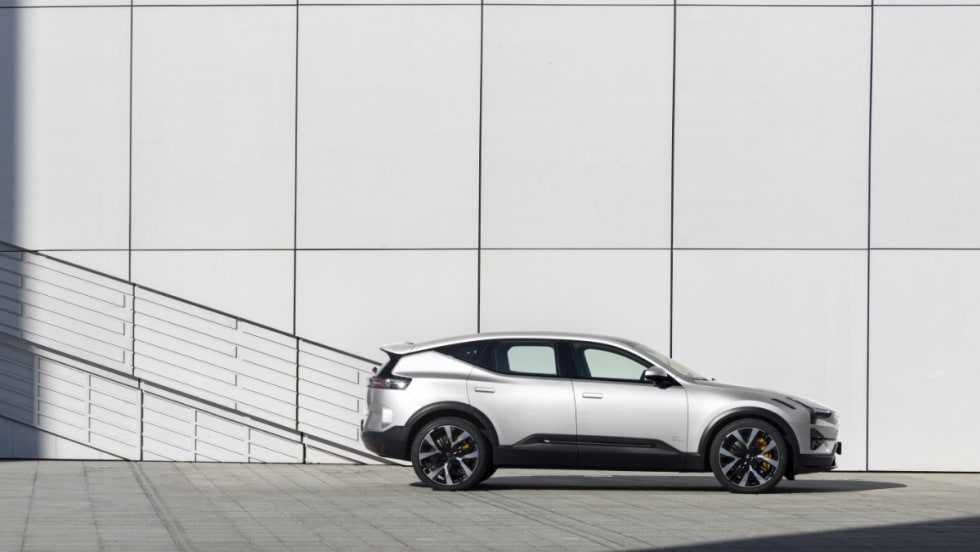
Polestar Barred from U.S. Market Under Connected Vehicle Rule
The automaker loses its authorization to sell new vehicles in the U.S., starting with the 2027 model year. Polestar owners will retain access to the brand's service network.
Read More →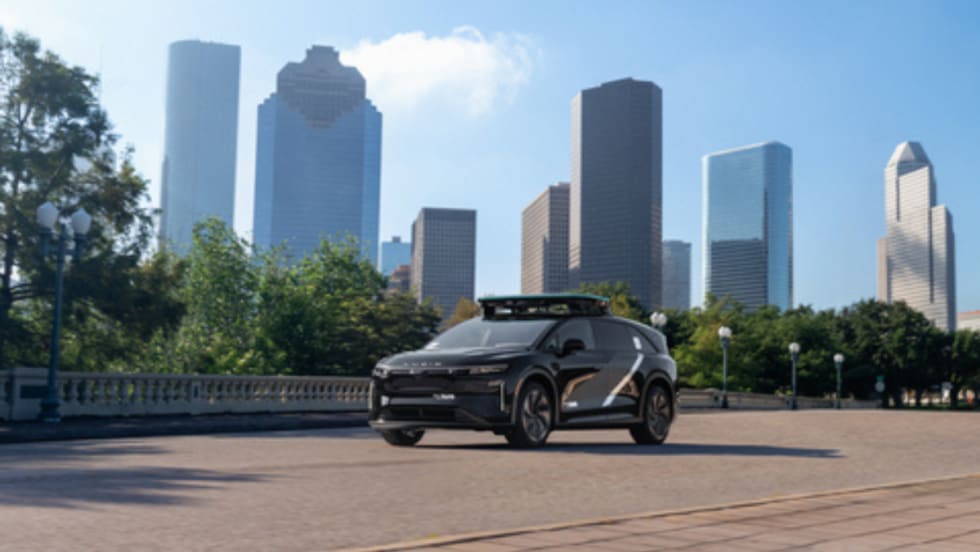
Uber, Nuro and Lucid Plan Houston Robotaxi Service in 2027
The tripartite venture brings out the combined advantages of electric vehicles, mobility, and autonomy into ground transportation.
Read More →