



Learn More: Amply Power Helps Hawaiian Electric Transition Passenger Vehicle Fleet to Zero-Emissions
Hawaiian Electric Wins Approval for Electric Bus Pilot Program
The program will encourage the growth of electric bus fleets by helping operators reduce the upfront cost of installing charging equipment on Oahu, Maui, and Hawaii Island.
June 15, 2021
2 min to read
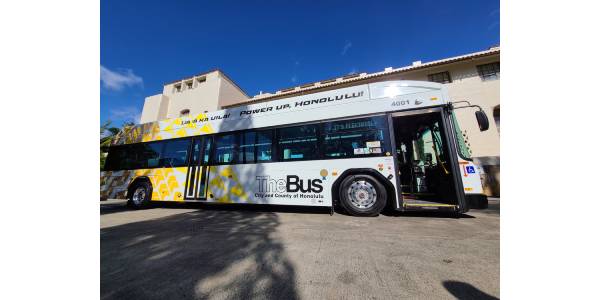
Hawaiian Electric received approval to move forward with a pilot program that will encourage the growth of electric bus fleets by helping operators reduce the upfront cost of installing charging equipment on Oahu, Maui, and Hawaii Island.
The "eBus Make-Ready Infrastructure Pilot Project" recently approved by the Public Utilities Commission (PUC) is the latest initiative launched by Hawaiian Electric under its commitment to support and accelerate the electrification of transportation as part of a clean energy vision for Hawaii.
The PUC approval clears the way for Hawaiian Electric to install “make-ready” infrastructure that will support up to 20 electric bus charging ports at five to 10 qualifying customer sites over three years on the three islands. The company will use the pilot to inform the design of a potential full-scale program.
Under the pilot program, Hawaiian Electric will pay for and manage construction of equipment and wiring up to and beyond the fleet operator's meter to the point where the chargers would be installed. The customers’ responsibilities will include installing and maintaining the charging station(s), the cost of the electricity used, and procuring the electric buses.
Hawaiian Electric is in the process of ramping up the program and expects to begin accepting applications from prospective participants by January 2022. The program will be available to bus operators that meet specific eligibility criteria.
For bus fleet operators, two obstacles to electric bus use are cost – which includes the buses, charging stations, and infrastructure – and operational adjustments needed to the switch from diesel fueling to charging. Hawaiian Electric addresses these issues by assuming some of the expense. After an initial investment, operating an electric bus could save more than $400,000 over its lifetime due to lower fuel and maintenance costs.
Switching to electric buses as fleets are replaced or expanded will reduce diesel use and tailpipe emissions, benefiting riders, drivers, and the communities in which they operate. In its application to the PUC, Hawaiian Electric included an analysis of the pilot’s impact on greenhouse gas emissions. Factoring in the 2019 composition of generation resources on Hawaiian Electric's Oahu electric grid, and depending on the time of charging, net GHG emissions were estimated to be 27% to 38% lower per mile for an electric bus compared to a diesel-powered bus.
Hawaiian Electric anticipates the local electric bus market will grow over the next 12 to 15 years, and the costs undertaken in the pilot are a preliminary investment that will result in broader ongoing benefits to all customers in the future.
Originally posted on Work Truck Online
More Charging
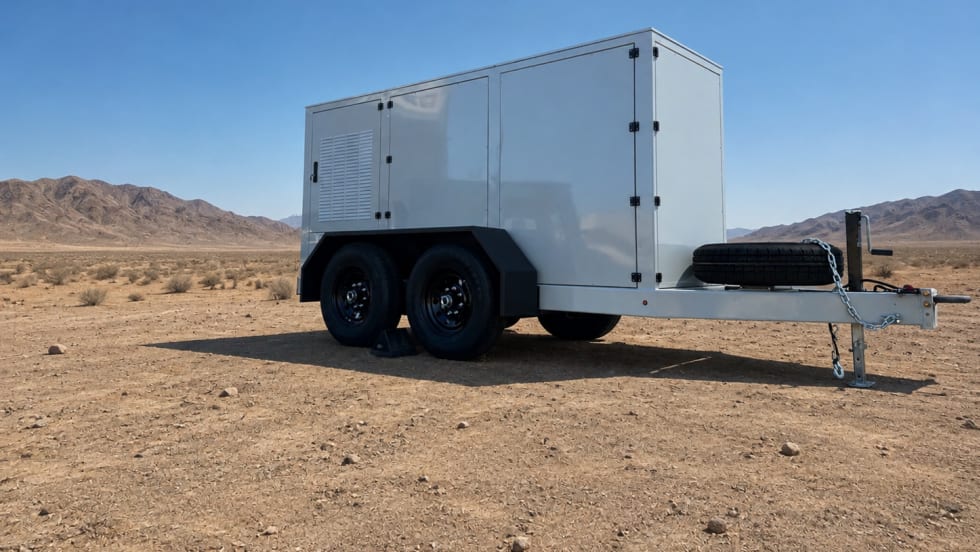
Xos Mobile Charging Hub Surpasses 1 GWh of Energy Delivered
As fleets electrify, charging capacity does not always arrive on the same timeline as the vehicles. Operating data from one Xos Hub shows how mobile, grid-independent charging can support vehicles when permanent infrastructure or utility upgrades aren't available.
Read More →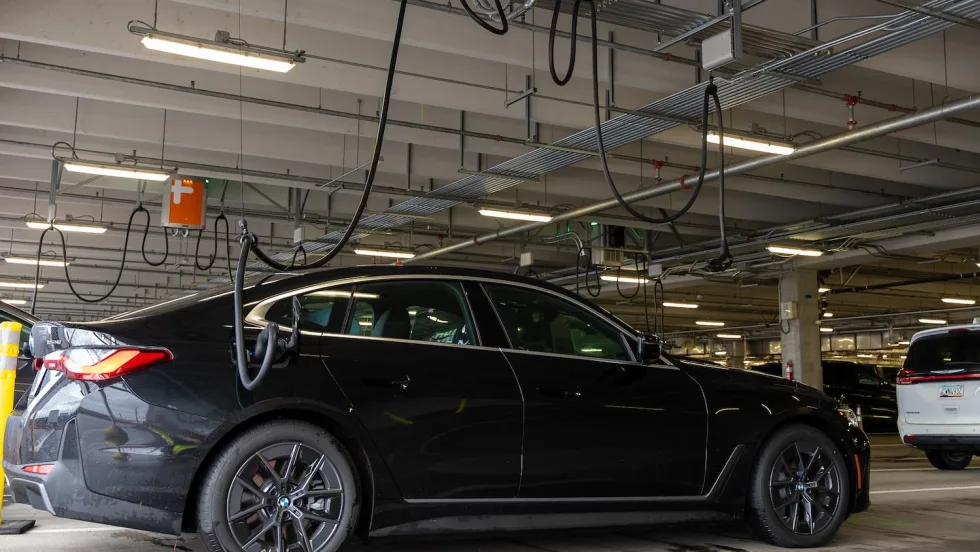
ChargePoint Adds Overhead EV Fast Charging at Portland International Airport
The installation can charge up to 20 rental vehicles simultaneously and uses overhead equipment to preserve ground-level space at the airport's Quick Turnaround Facility.
Read More →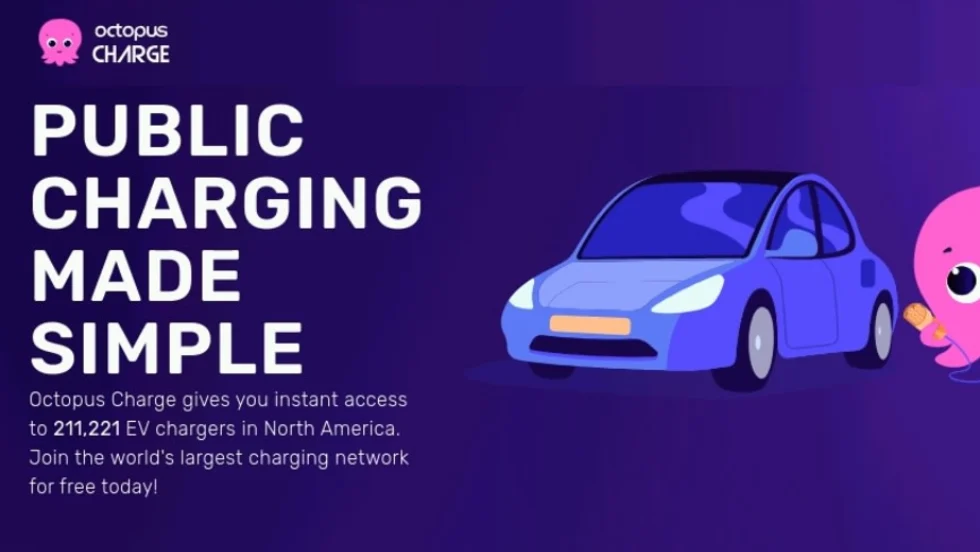
Octopus Energy Launches Public EV Charging App in U.S.
Octopus Charge allows EV drivers to locate and access public charging stations through a single app, building on the company's Electroverse platform in Europe.
Read More →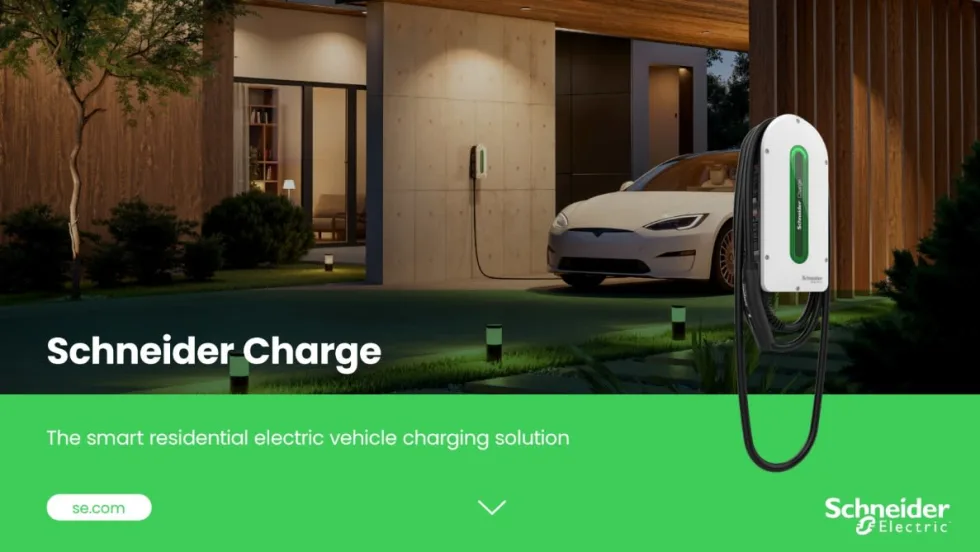
Schneider Electric Launches Level 2 Home EV Charger With Integrated Load Management
Schneider Charge uses integrated SmartAmp technology to adjust charging output based on household electrical demand and is available with NACS or J1772 connectors.
Read More →
Why EV Charging Reliability Is More Complicated Than It Looks
GridLink CEO Josh Silets explains what causes EV chargers to fail, why fleet operators often struggle to identify the source, and what questions they should ask charging vendors.
Read More →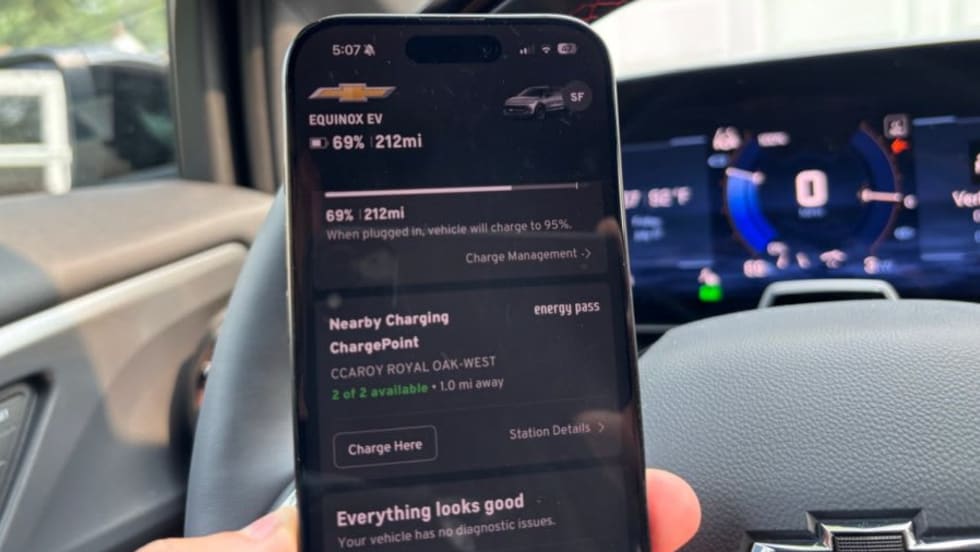
GM Adds ChargePoint Network to Energy Pass Platform
The integration gives GM EV drivers access to additional DC fast chargers and Level 2 stations through a single app while expanding the automaker's public charging ecosystem.
Read More →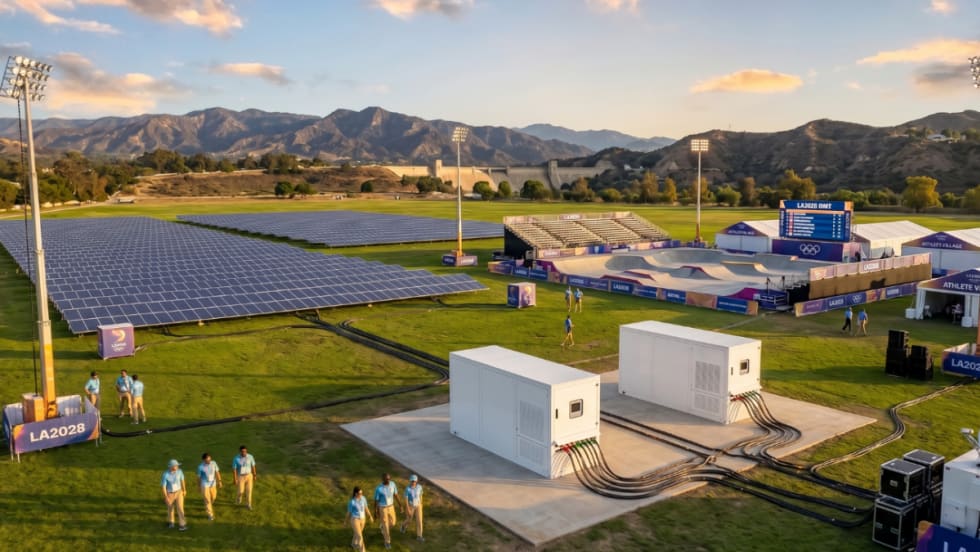
Xos White Paper Asserts LA Olympics Will Lack Enough EV Chargers
The commercial EV fleet company recommends some faster and more flexible remedies to relieve the anticipated shortfall.
Read More →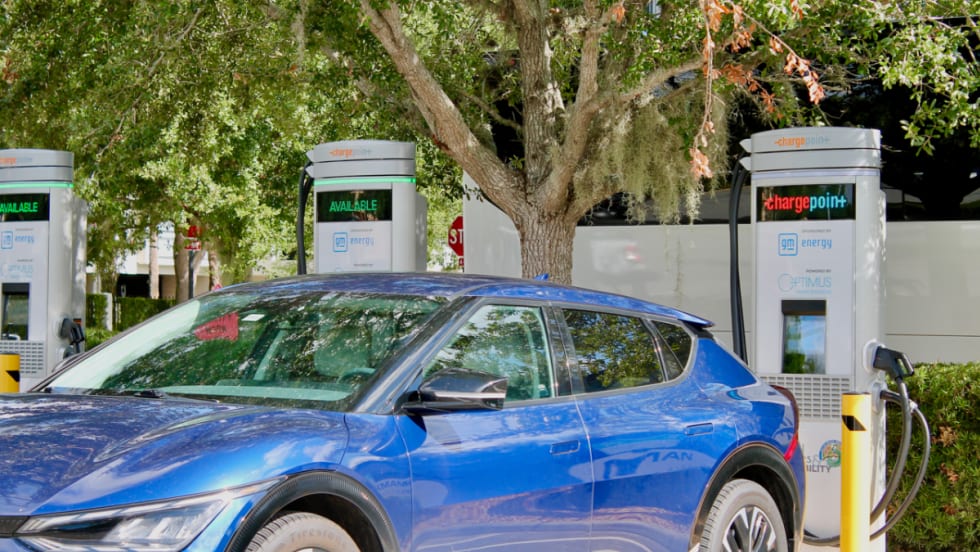
ChargePoint, Optimus Expand Fast-Charging Network Across Southeastern U.S.
ChargePoint will serve as the exclusive solutions provider, delivering hardware, software, and services to support Optimus’ growing charging network.
Read More →
Running A Profitable Electric Rental Fleet
How do you successfully operate an all-electric rental car fleet? Whether you manage a rental fleet or another commercial fleet, this conversation offers practical lessons on deploying, operating, and scaling electric vehicles.
Read More →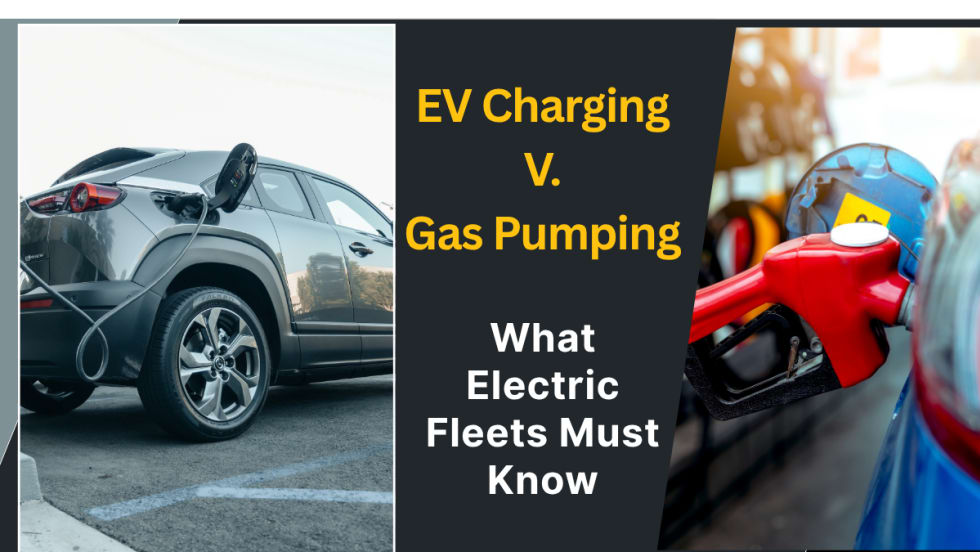
Why Charging May Never Be As Easy As Filling Up Gas
A seamless charge depends on a string of independent companies getting it right together, every time. How can electric fleets navigate the challenges to create a successful charging plan?
Read More →