



Related News:Honda Unveils Plug-In Hydrogen Fuel Cell EV
GM Starts Pilot Program on Hydrogen Fuel Cell Trucks
GM is collaborating with the Department of Energy to develop low-emissions fuel cell-powered medium duty trucks for fleets and supporting infrastructure.
March 6, 2024
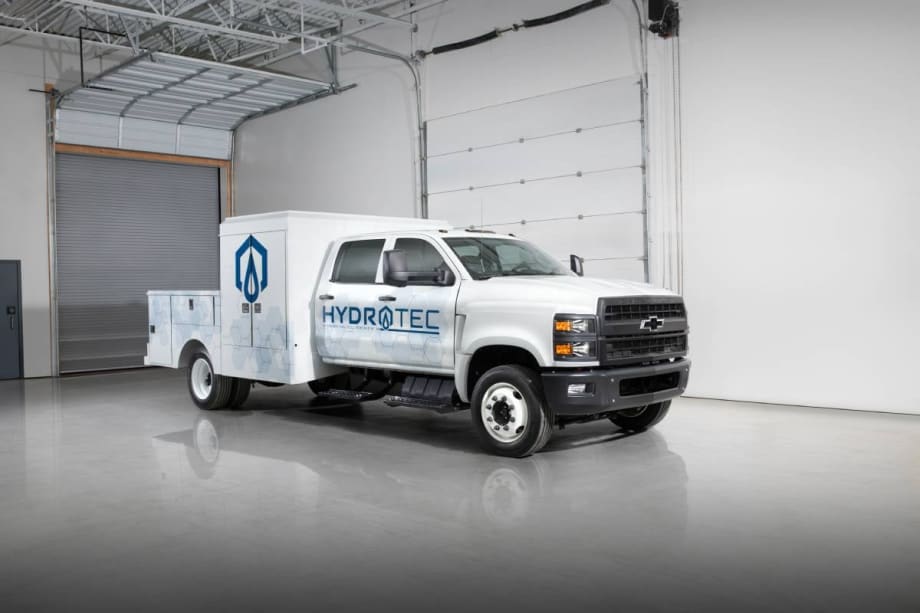
A front 3/4 view of the GM HYDROTEC fuel cell-powered prototype field evaluation medium-duty fleet truck. Hydrogen fuel cells are a key component of GM’s electrification strategy, which extends beyond battery-powered passenger vehicles. Fuel cells combine hydrogen and oxygen to generate electricity through an electrochemical reaction. The fuel cell enables the conversion of energy stored in hydrogen into electricity to power a vehicle.
Photo: General Motors
3 min to read
GM’s latest fuel cell-related project is a hydrogen-based worksite centered around its fleet of medium duty fuel cell trucks, the company announced March 5.
With funding awarded from the Department of Energy’s SuperTruck 3 program and the Hydrogen and Fuel Cell Technologies Office, GM is spearheading a pilot program that demonstrates real life applications of fuel cells for fleet and commercial customers.
Built on a similar frame to the 2024 Chevrolet Silverado 5500 MD, these field evaluation fleet trucks will be powered by HYDROTEC fuel cell systems. The prototype trucks are expected to have a GM-estimated range greater than 300 miles and a 19,500-pound gross vehicle weight rating. The trucks operate in a native 800V architecture and can produce more than 300kW peak power.
Southern Company, one of the largest utility companies in the U.S., will receive HYDROTEC fuel cell-powered medium duty trucks to be used as shop vehicles at its worksites. Southern Company, together with GM and Nel ASA, will also demonstrate an integrated hydrogen microgrid for fueling infrastructure, including a stationary fuel cell-based mobile power generator. Nel, a world-leading electrolyzer company, will provide the project with its advanced PEM electrolyzers, which can help create green hydrogen onsite.
“These trucks and their accompanying hydrogen infrastructure can help enable a zero-emissions solution for HD and MD truck customers looking to meet their clean energy goals as well as reduce their operational noise and carbon footprint,” said Charlie Freese, executive director of global HYDROTEC, in a news release. “GM’s advanced fuel cell technology gives these trucks a competitive edge against their diesel counterparts, with comparable towing and payload capabilities.”
Hydrogen fuel cells are a key component of GM’s electrification strategy, which extends beyond battery-powered passenger vehicles. Fuel cells combine hydrogen and oxygen to generate electricity through an electrochemical reaction. The fuel cell enables the conversion of energy stored in hydrogen into electricity to power a vehicle.
Since fuel cells are lightweight and enable large payloads, excellent range, quiet operation and rapid refueling, they can meet the needs of the heaviest duty applications. With regulations rapidly changing in many countries, fuel cell-powered vehicles have the added advantage of zero tailpipe emissions when compared to diesel vehicles.
A key pillar of GM’s electrification strategy is developing foundational technologies that will help other industries and companies meet their clean energy goals. GM's HYDROTEC fuel cells both can help fleet customers meet changing regulations in states like California, and help meet their own sustainability goals and potentially reduce fleet costs over time.
In addition, GM Envolve was formed specifically to help fleets make the transition to electric and fuel cell vehicles, and to work with and provide them with the broad spectrum of GM technologies, including fuel cells. GM Envolve also works with fleets and hydrogen infrastructure providers to help establish hydrogen hubs where the fleets need it most.
This microgrid project, developed by Southern Company’s electric subsidiary Georgia Power with approval by the Georgia Public Service Commission, is expected to be located at a Georgia power plant. Southern Company, GM, and Nel intend to use their microgrid approach to create green hydrogen at off-peak hours and use it to power the site's operations when grid power is most expensive. This stacked value system can enable both a more affordable and low-emissions approach, which can improve the economics and resiliency of the installation.
GM’s fuel cells will also help provide power for a 350kW fast charger for medium-duty battery electric vehicles and resilient power for the site. Ultimately, Southern Company’s approach could help support sustainable infrastructure and transportation for the future.
Separately, the U.S. Army’s Ground Vehicle Systems Center (GVSC) is supporting the development of the fuel cell propulsion systems in these medium duty trucks with additional funding. The initial field evaluation fleet prototypes were built in Southeastern Michigan, with testing taking place at GM’s Milford Proving Ground.
Topics:pilot programsCommercial FleetsMedium-Duty TrucksHydrogen VehiclesHydrogen Fuel Cell VehiclesOperationsSuppliersVehicle Research
Originally posted on Automotive Fleet
More Operations

The EV Breakdown Nobody's Talking About: Why Most Electric Vehicle Roadside Calls Aren't Mechanical Failures
Here's why EV breakdowns are widely misunderstood.
Read More →
Xos White Paper Asserts LA Olympics Will Lack Enough EV Chargers
The commercial EV fleet company recommends some faster and more flexible remedies to relieve the anticipated shortfall.
Read More →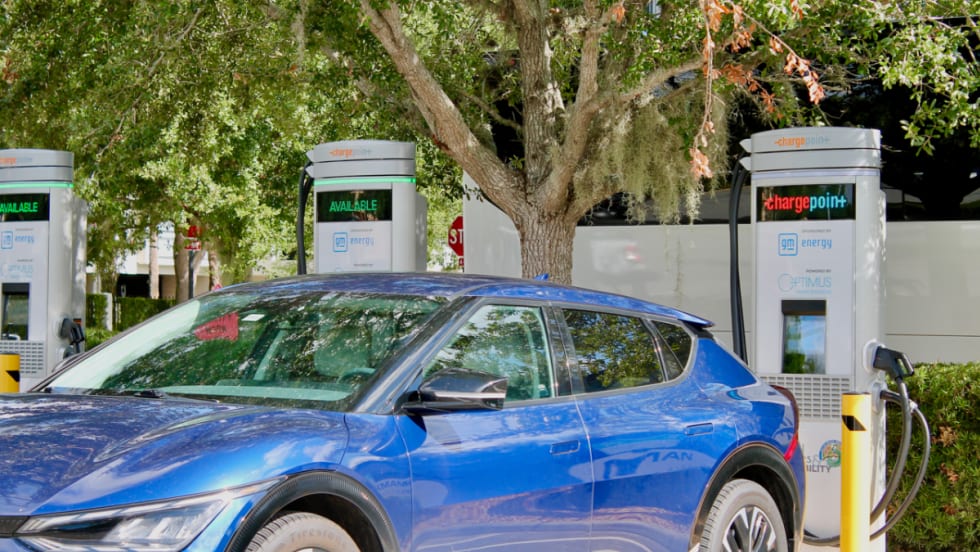
ChargePoint, Optimus Expand Fast-Charging Network Across Southeastern U.S.
ChargePoint will serve as the exclusive solutions provider, delivering hardware, software, and services to support Optimus’ growing charging network.
Read More →
Running A Profitable Electric Rental Fleet
How do you successfully operate an all-electric rental car fleet? Whether you manage a rental fleet or another commercial fleet, this conversation offers practical lessons on deploying, operating, and scaling electric vehicles.
Read More →
Registration Opens for 2026 Fleet Forward Conference
Held on the East Coast for the first time, the Washington, D.C.-area event features expert-led education, a new IIHS Crash Test Experience, and collocation with the NAFA’s Fleet Safety Symposium.
Read More →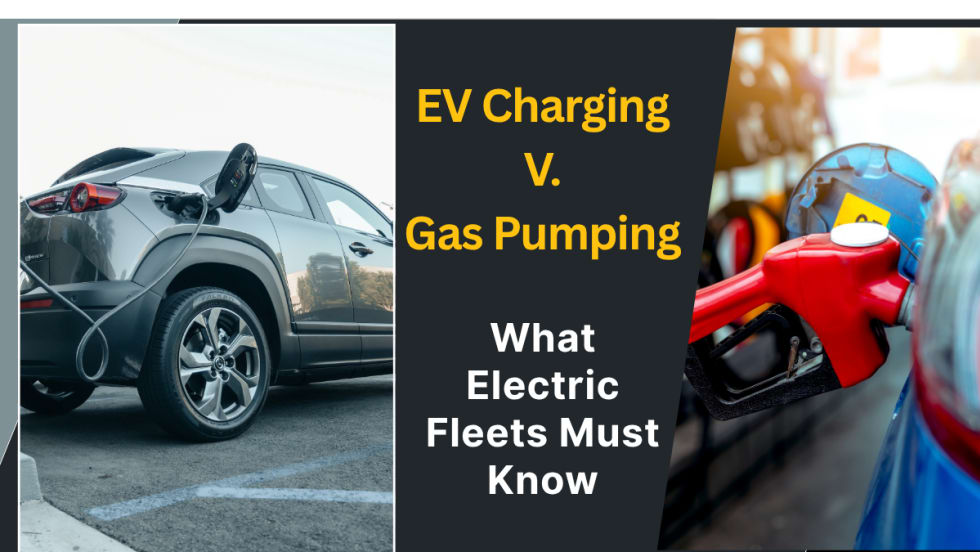
Why Charging May Never Be As Easy As Filling Up Gas
A seamless charge depends on a string of independent companies getting it right together, every time. How can electric fleets navigate the challenges to create a successful charging plan?
Read More →
Slate Debuts Colorful, Unique EV Models
A recent media and client event, studded with electric vehicles dressed up on platforms, planted a new position for the manufacturer in the wider EV market. Fleets will find cost-saving advantages.
Read More →
Slate Electric SUV, Pickup Switchable Model Aims For Light-Duty Fleets
Everything about this EV is counterintuitive and understated, making it stand out from the crowd.
Read More →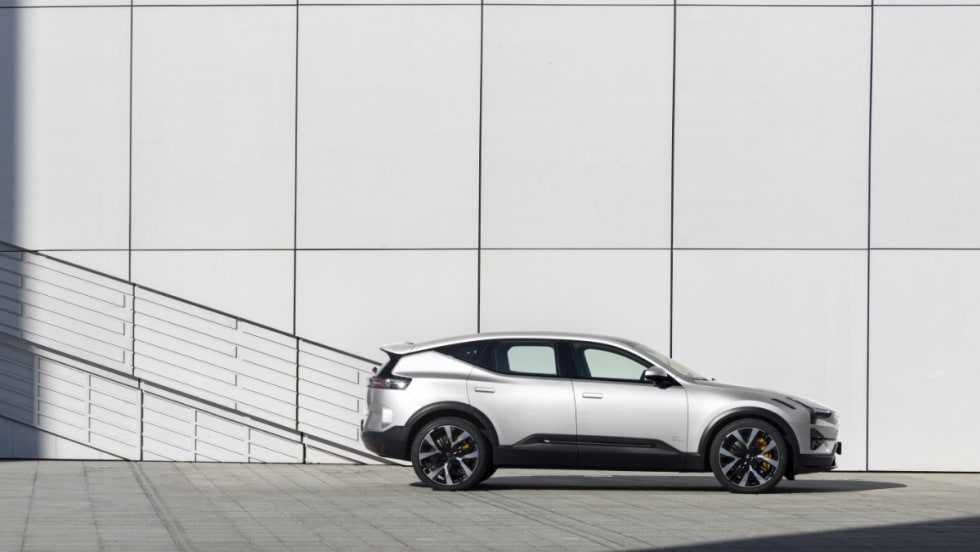
Polestar Barred from U.S. Market Under Connected Vehicle Rule
The automaker loses its authorization to sell new vehicles in the U.S., starting with the 2027 model year. Polestar owners will retain access to the brand's service network.
Read More →
Uber, Nuro and Lucid Plan Houston Robotaxi Service in 2027
The tripartite venture brings out the combined advantages of electric vehicles, mobility, and autonomy into ground transportation.
Read More →