


GM & Glencore Enter Cobalt Supply Agreement
Cobalt is an important metal in the production of EV batteries, and the cobalt processed from Australia will help power electric vehicles such as the Chevrolet Silverado EV.

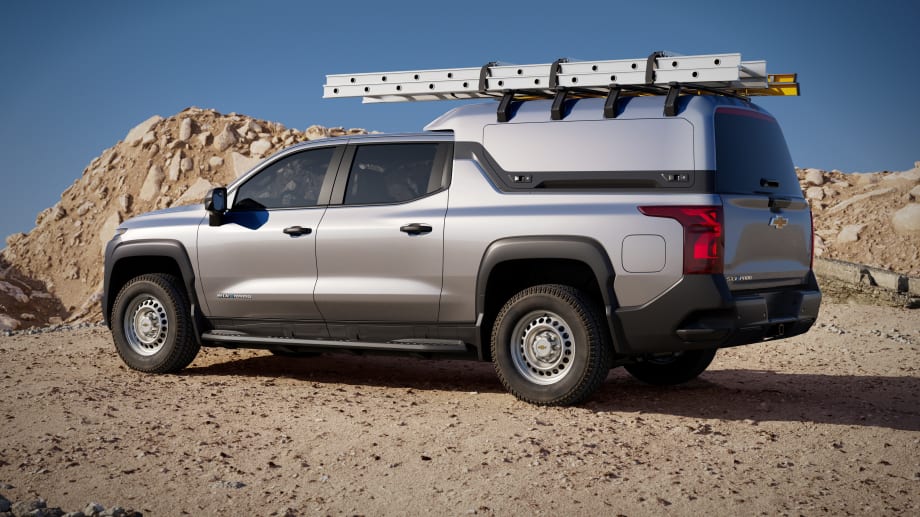
The 2024-MY Chevrolet Silverado EV will be offered in a WT model for vocational fleets.
Photo: Chevrolet
Glencore and General Motors Co. announced a multi-year sourcing agreement in which Glencore will supply GM with cobalt from its Murrin Murrin operation in Australia.
Cobalt is an important metal in the production of EV batteries, and the cobalt processed from Australia will be used in GM’s Ultium battery cathodes, which will power electric vehicles such as the Chevrolet Silverado EV, GMC HUMMER EV, and Cadillac LYRIQ.
The agreement builds on a commitment both companies share to create strong, sustainable and resilient supply chains through collective industry and multi-stakeholder platforms, according to a release. Both Glencore and General Motors are members of the Responsible Minerals Initiative (RMI), and Glencore’s Murrin Murrin operation is conformant with the OECD-aligned Responsible Minerals Assurance Process.
“GM and our suppliers are building an EV ecosystem that is focused on sourcing critical raw materials in a secure sustainable manner,” said Jeff Morrison, GM vice president, Global Purchasing and Supply Chain. “Importantly, given the critical role of EVs in reducing the carbon footprint of the transportation sector, this agreement is aligned with our approach to responsible sourcing and supply chain management.”
Cobalt is a metal that makes up only 0.001% of the earth’s crust. It is known for its heat-resistant properties and is added to lithium-ion battery cathodes to improve energy density and battery longevity.
By the end of 2025, GM plans to have capacity to build 1 million electric vehicles in North America, and has announced a series of actions to create a new and more secure EV supply chain, including projects targeting key EV materials and components:
Cathode Active Material (CAM) with POSCO Chemical. GM and POSCO Chemical are building a new facility in Quebec, Canada, as part of their joint venture to produce CAM for GM’s Ultium batteries.
Lithium with Controlled Thermal Resources (CTR) to secure lithium produced by the first stage of its Hell’s Kitchen Project in California.
Rare earth materials with GE, to develop a rare earth value chain.
Alloy flakes with MP Materials, who will establish the first North American processing site for alloy flakes. The company will then expand into magnet manufacturing around 2025 at its new production facility in Fort Worth, Texas.
Permanent magnets with VAC, the largest producer of permanent magnets in the Western Hemisphere with nearly 100 years of experience. VAC will establish a North American footprint to support GM’s magnet requirements starting in 2024, including locally sourced raw materials and finished magnet production.
Originally posted on Work Truck Online
More Electric Vehicles
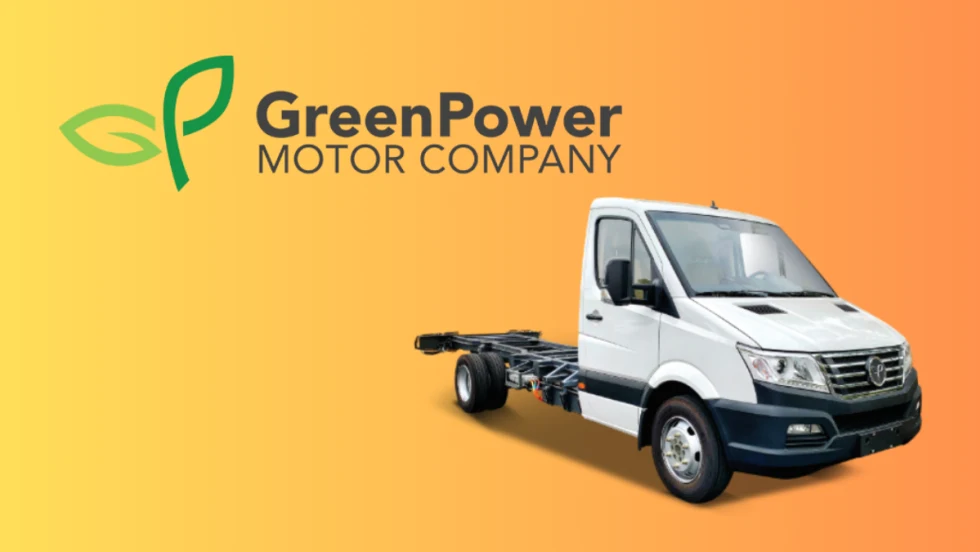
GreenPower Plans 50 Electric Shuttle Buses for Mexico
GreenPower plans to build 50 electric shuttle buses for Mexico using its EV Star Cab & Chassis platform, partnering with local body builders to expand its market reach.
Read More →
Who You Gonna Call? Rivian Turns Electric Vehicles Into Ghostbusters Rides
Rivian teams up with Sony Pictures for a Ghostbusters-inspired Halloween software update, complete with custom sounds, lighting effects, and a special Ecto-R1.
Read More →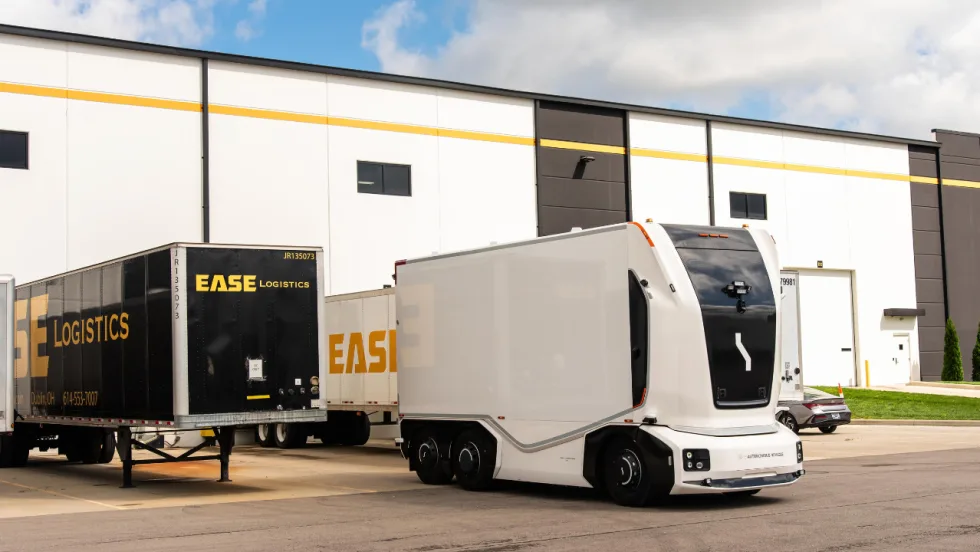
Einride Electric Driverless Trucks Begin Daily Freight Operations in Ohio
Two cabless electric trucks are now moving freight between EASE Logistics facilities, putting autonomous EV technology into daily commercial operations.
Read More →
FedEx Orders 2,000 Harbinger Electric Trucks in $300 Million Deal
The Class 5 and 6 electric trucks are planned for delivery by the end of 2027 and will be deployed in FedEx pickup and delivery operations across the U.S. and Canada.
Read More →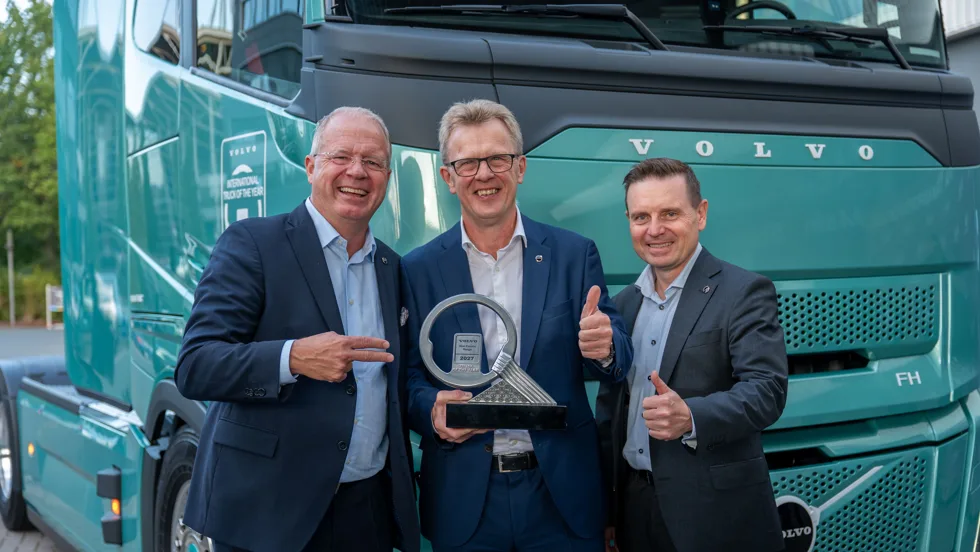
Volvo Trucks’ Electric Range Named International Truck of the Year 2027
The award recognizes Volvo’s global heavy-duty electric lineup, while more than 750 VNR Electric trucks have accumulated nearly 37 million miles in U.S. and Canadian fleet operations.
Read More →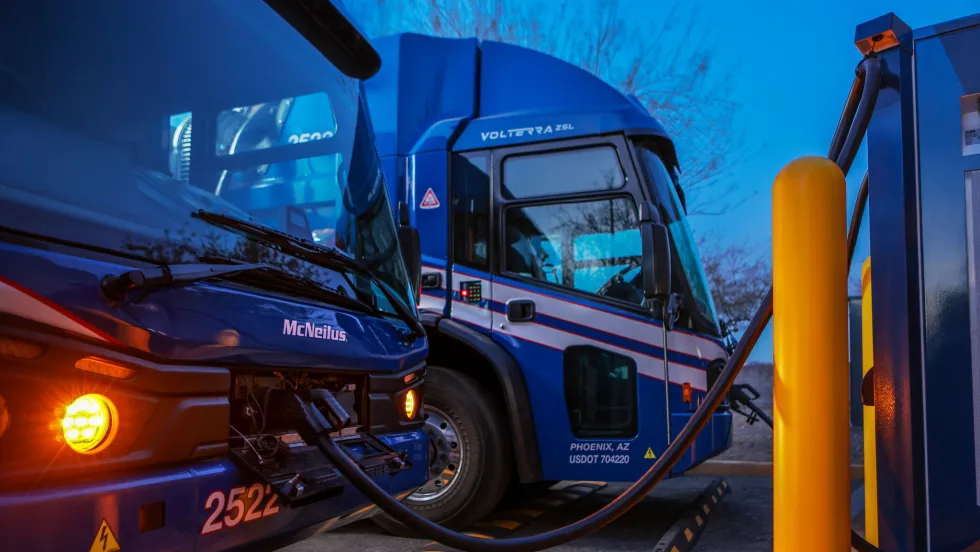
How Republic Services Decides Where Its Next Electric Trucks Can Go
With 250 electric collection trucks now in service, Republic Services is learning that scaling electrification depends less on proving the vehicle and more on whether each site can support what comes next.
Read More →
EV Charging Use Is Outpacing Infrastructure Growth
ChargePoint’s 2026 Charging Forward Report points to rising charger use, higher-powered charging, commercial vehicle electrification, and energy-management technology. Here’s what fleets should know.
Read More →
EV Realty Names Henrik Holland President as Charging Platform Expands
The former Prologis Mobility and Shell executive will help expand EV Realty’s truck charging business and move its power-first infrastructure model into autonomous vehicle depots and other fleet sectors.
Read More →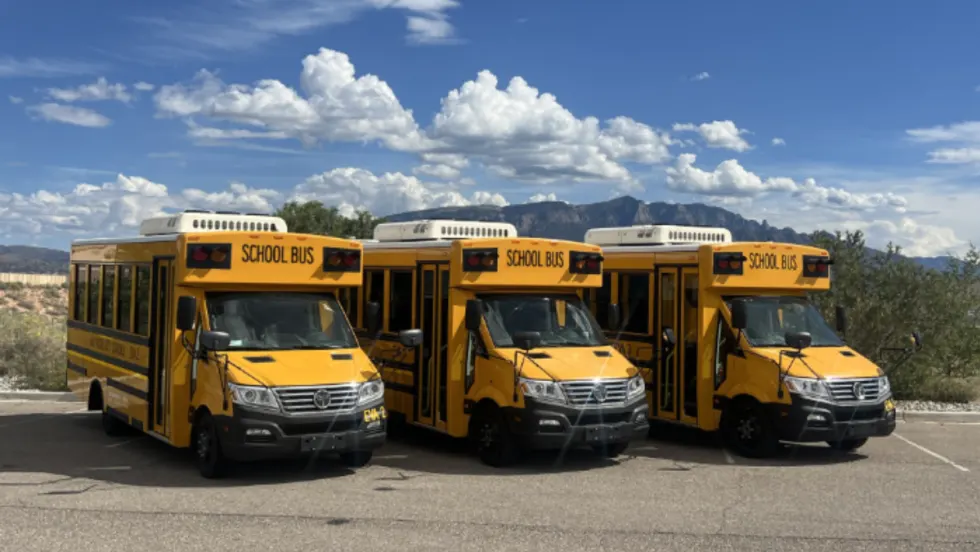
GreenPower Expands New Mexico EV Pilot With Larger Buses, V2G Testing
After logging more than 17,000 electric miles in the first year, New Mexico’s statewide pilot is moving into its second phase with larger vehicles, continued charging evaluations, and more.
Read More →
Can EV-as-a-Service Help Fleets Scale Electrification?
Sustainability Partners CEO Adam Cain explains how matching EVs, charging infrastructure, and duty cycles can help fleets scale electrification.
Read More →