



Background News: Corporate Action on Vehicles Doubled in 2020
Global Businesses Commit 5.5 Million Vehicles to Electric
As businesses gear up to follow through on net zero right across the global economy, EV100 members are getting closer to achieving their fleet electrification targets.
March 29, 2022
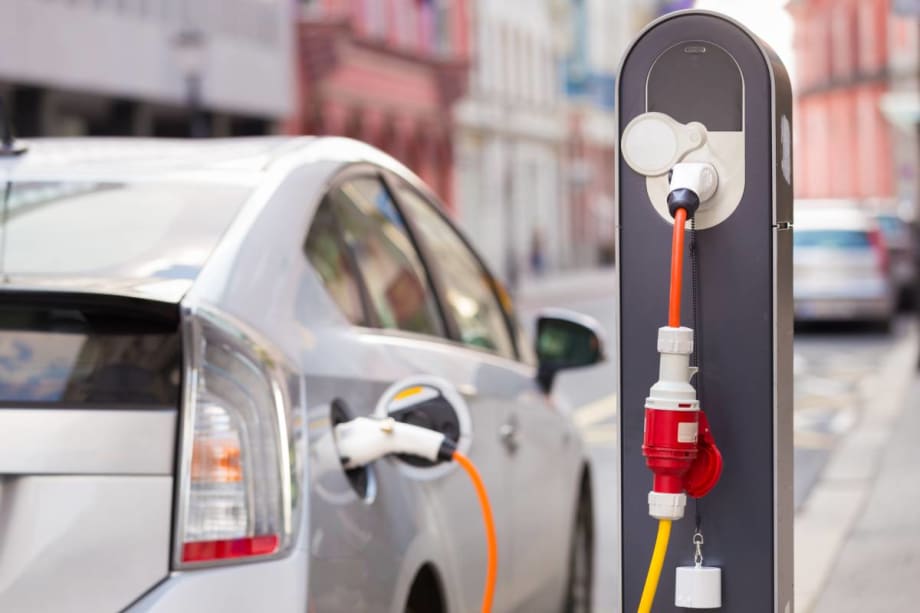
Over 209,000 EVs are already on the road across EV100 fleets, with our members installing over 20,000 charging points across 3,100 locations worldwide.
Photo: Climate Group
3 min to read
Major businesses are committing over 5.5 million vehicles to electric and avoiding 86 million tonnes of CO2 by the end of 2030, according to a new report released on March 23.
These global businesses — including AstraZeneca, EDF Group and HP Inc. — are all part of a 121 strong membership committed to making electric transport the new normal by 2030, through international non-profit Climate Group’s global initiative EV100.
The newly released 2022 EV100 Progress and Insights Report shows they have already put more than 209,000 electric vehicles on the road across their fleets and have installed over 20,000 charging points across 3,100 locations in 74 markets.
As businesses globally gear up to deliver major commitments on net zero right across the economy, EV100 members are demonstrating increasing momentum on achieving their fleet electrification targets.
The report also highlights the three biggest barriers companies encounter on their way to mass electric vehicle (EV) adoption: A lack of reliable charging infrastructure, the higher up-front cost of EVs, and the limited variety of vehicles on the market.
The report highlights that 78% of EV100 members believe that supportive policies from state, regional and city governments are vital to creating the right political climate for systematic change.
Strong policy support, in particular clear direction-setting in the form of internal combustion engine (ICE) phase-out dates and zero-emission vehicle (ZEV) mandates, are needed to help businesses invest with clarity and confidence in the EV transition.
Sandra Roling, head of Transport at Climate Group, said in the release: “Businesses are increasingly viewing a transition to EVs as a necessary step in their drive toward net zero. We need their ambition to be matched by a wider range of governments, auto manufacturers, and businesses across the globe. For the EV transition to go further, faster – which it must if we are to limit global temperature rises to no more than 1.5 degrees - charging infrastructure must be built out and manufacturers must expand production and offer a greater variety of EVs. Governments also need to provide clear direction in the form of phase-out dates and ZEV mandates."
The report highlights these key achievements in international markets:
EU: Commitments across the EU now total over 215,000 vehicles, and 30,300 of these are already in operation. 56% of EV100 members with fleets across the EU state that charging infrastructure is a significant issue.
France: Members have so far committed over 50,000 vehicles to electric. EDF has seen the most significant increase in EV deployment with 1,950 cars over the past year. 67% of our members with vehicles in France stated that the capital cost of EVs remained a significant barrier to further progress, pointing to the need to build further scale in the market.
U.K.: The U.K. leads with the largest number of corporate vehicles committed, at 90,000. The U.K. also leads the way with committed charging locations at almost 1,000 sites. Despite the positive long-term direction of EV uptake in the U.K., continued efforts are necessary to ensure the U.K. maintains its world leading position. For example, 82% of U.K.-based members say that a lack of charging infrastructure is a ‘significant’ or ‘very significant barrier’ to greater EV adoption in the U.K.
U.S.: EV100 members have commitments for over 2 million corporate and leased vehicles, and these companies are already operating over 32,000 EVs across the country.
India: EV100 companies based in India are planning to buy at least 40,000 EVs in 2022 – a huge demand signal from our members to manufacturers and governments across the country. But to deliver on these ambitions, our members are clear that supportive policies are needed. 75% of members who have vehicles in India state that an uncertain and underdeveloped policy landscape for EVs is impacting confidence in the transition.
More Electric Vehicles
EV Charging Use Is Outpacing Infrastructure Growth
ChargePoint’s 2026 Charging Forward Report points to rising charger use, higher-powered charging, commercial vehicle electrification, and energy-management technology. Here’s what fleets should know.
Read More →
EV Realty Names Henrik Holland President as Charging Platform Expands
The former Prologis Mobility and Shell executive will help expand EV Realty’s truck charging business and move its power-first infrastructure model into autonomous vehicle depots and other fleet sectors.
Read More →
GreenPower Expands New Mexico EV Pilot With Larger Buses, V2G Testing
After logging more than 17,000 electric miles in the first year, New Mexico’s statewide pilot is moving into its second phase with larger vehicles, continued charging evaluations, and more.
Read More →
Can EV-as-a-Service Help Fleets Scale Electrification?
Sustainability Partners CEO Adam Cain explains how matching EVs, charging infrastructure, and duty cycles can help fleets scale electrification.
Read More →
How EV-as-a-Service Is Moving Fleets Beyond Pilots
Adam Cain, president and CEO of Sustainability Partners, explains how EV-as-a-service can help fleets scale deployments by addressing duty-cycle requirements and charging challenges.
Read More →
PowerFlex, The Mobility House Join Forces to Advance Fleet Electrification
Two EV charging providers are joining forces to deliver a broader portfolio of energy management and fleet electrification solutions.
Read More →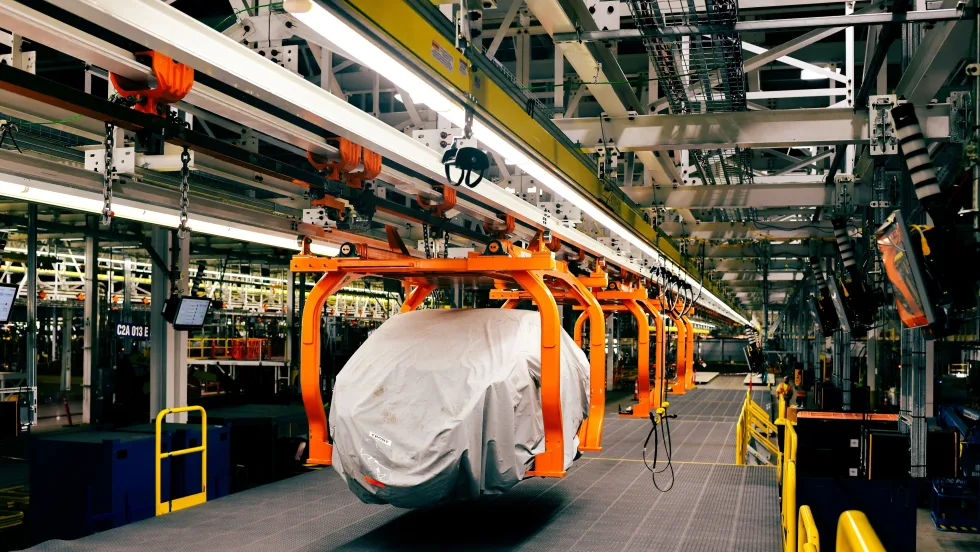
Ford Retools Louisville Plant for Fathom Electric Truck Production
Ford's $2 billion Louisville Assembly Plant overhaul introduces a three-part assembly process for the Fathom midsize electric truck, with production scheduled to begin in 2027.
Read More →
Merchants Fleet Reports 290M EV Miles as Fleets Navigate Changing Electrification Market
From millions in operating savings to hundreds of millions of EV miles, Merchants Fleet’s latest report reveals what’s working and what’s changing in fleet electrification.
Read More →
California District Commits to Electrify 25% of School Bus Fleet by 2028
One of the nation's largest school bus electrification projects to date demonstrates how grants, charging infrastructure, and public-private partnerships can help fleets transition to EVs at scale.
Read More →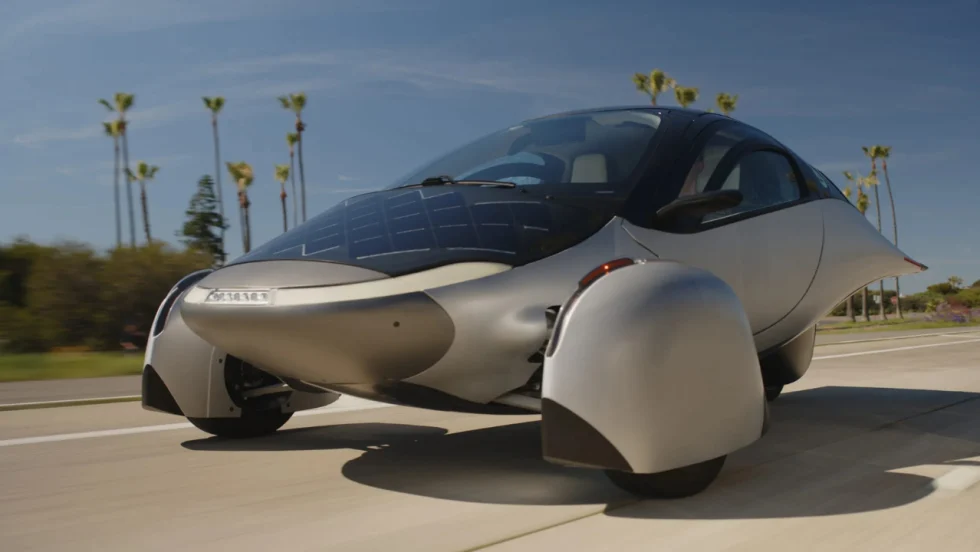
Aptera Orders Bodies and Chassis for Its First 40 Production Vehicles
Aptera Motors Corp. has issued purchase orders for the major structural components of its first 40 vehicles, and body and chassis components are expected to begin arriving in October.
Read More →