


Related: Get Spiffy Releases Vehicle Disinfection Verification App
Get Spiffy, SparkCharge Deliver On-Demand EV Charging
Customers can choose Spiffy on-demand charging in the BoostEV app by SparkCharge or directly in the Spiffy app.
by Staff
October 20, 2020
Spiffy on-demand charging is now piloting in the Raleigh and Charlotte, N.C., and Atlanta metro areas.
Photo courtesy of GetSpiffy.
1 min to read
Get Spiffy today announced a partnership with SparkCharge to deliver on-demand electric vehicle charging.
The Roadie portable charging system by SparkCharge fights the problem of lack of EV charging infrastructure and gives people the ability to charge where and when they want. The system is a Level 3 ultrafast charger, capable of delivering 1 mile every 60 seconds. That's up to eight times faster than most wired chargers.
For some, this eliminates “range anxiety” standing in the way of buying an electric vehicle. For others, the Roadie offers a solution when the worst happens and you find yourself broken down on the side of the road.
That’s where Spiffy comes in. People can choose Spiffy on-demand charging in the BoostEV app by SparkCharge or directly in the Spiffy app.
Electric vehicles are one of the megatrends driving automotive change in Wingo’s Vehicle 2.0 model, which also includes connectivity, autonomy, and changing ownership models. While EVs are the fastest moving piece of that puzzle, infrastructure limitations always stand in the way of meaningful progress.
Spiffy on-demand charging is now piloting in the Raleigh and Charlotte, N.C., and Atlanta metro areas.
Originally posted on Automotive Fleet
More Electric Vehicles
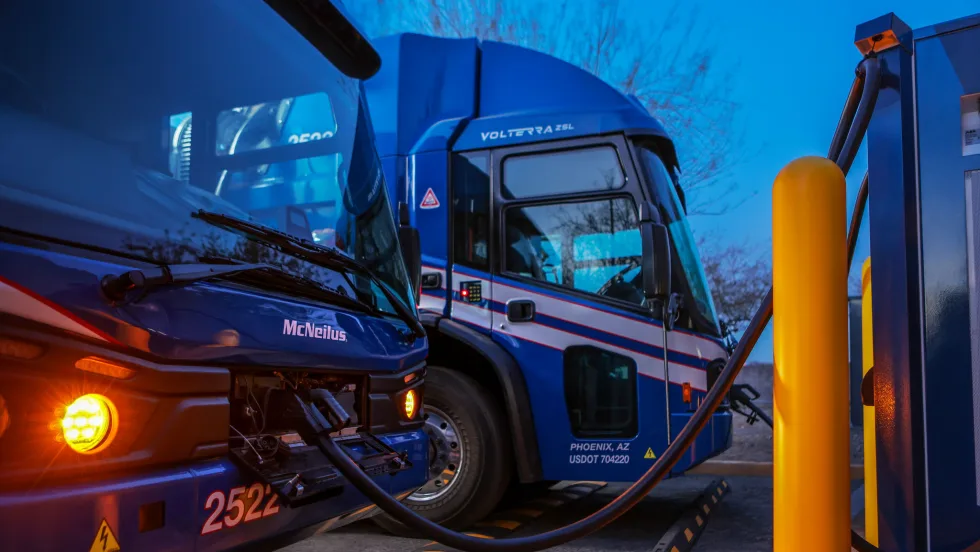
How Republic Services Decides Where Its Next Electric Trucks Can Go
With 250 electric collection trucks now in service, Republic Services is learning that scaling electrification depends less on proving the vehicle and more on whether each site can support what comes next.
Read More →
EV Charging Use Is Outpacing Infrastructure Growth
ChargePoint’s 2026 Charging Forward Report points to rising charger use, higher-powered charging, commercial vehicle electrification, and energy-management technology. Here’s what fleets should know.
Read More →
EV Realty Names Henrik Holland President as Charging Platform Expands
The former Prologis Mobility and Shell executive will help expand EV Realty’s truck charging business and move its power-first infrastructure model into autonomous vehicle depots and other fleet sectors.
Read More →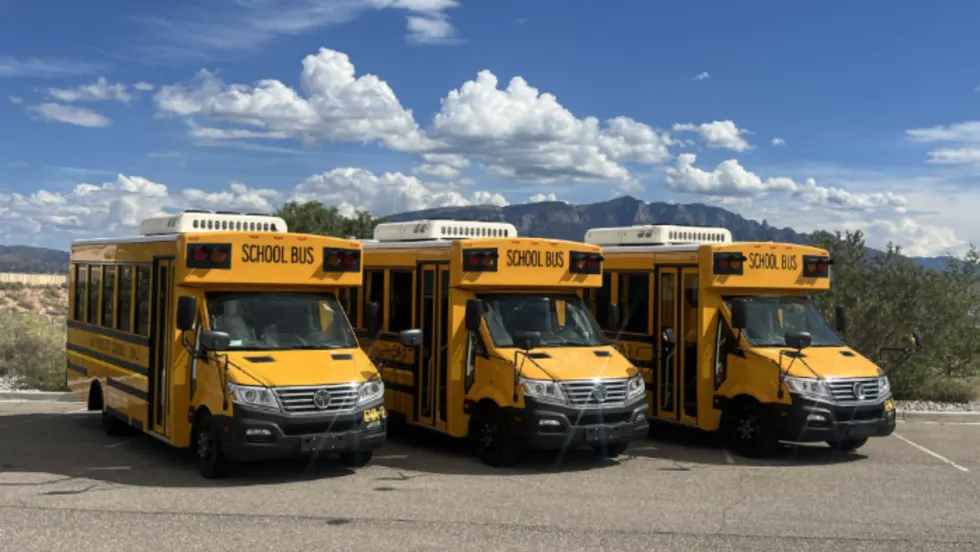
GreenPower Expands New Mexico EV Pilot With Larger Buses, V2G Testing
After logging more than 17,000 electric miles in the first year, New Mexico’s statewide pilot is moving into its second phase with larger vehicles, continued charging evaluations, and more.
Read More →
Can EV-as-a-Service Help Fleets Scale Electrification?
Sustainability Partners CEO Adam Cain explains how matching EVs, charging infrastructure, and duty cycles can help fleets scale electrification.
Read More →
How EV-as-a-Service Is Moving Fleets Beyond Pilots
Adam Cain, president and CEO of Sustainability Partners, explains how EV-as-a-service can help fleets scale deployments by addressing duty-cycle requirements and charging challenges.
Read More →
PowerFlex, The Mobility House Join Forces to Advance Fleet Electrification
Two EV charging providers are joining forces to deliver a broader portfolio of energy management and fleet electrification solutions.
Read More →
Ford Retools Louisville Plant for Fathom Electric Truck Production
Ford's $2 billion Louisville Assembly Plant overhaul introduces a three-part assembly process for the Fathom midsize electric truck, with production scheduled to begin in 2027.
Read More →
Merchants Fleet Reports 290M EV Miles as Fleets Navigate Changing Electrification Market
From millions in operating savings to hundreds of millions of EV miles, Merchants Fleet’s latest report reveals what’s working and what’s changing in fleet electrification.
Read More →
California District Commits to Electrify 25% of School Bus Fleet by 2028
One of the nation's largest school bus electrification projects to date demonstrates how grants, charging infrastructure, and public-private partnerships can help fleets transition to EVs at scale.
Read More →