



Related: GM Confirms EV Hummer
General Motors Outlines Sustainability Goals
General Motors outlined its sustainability goals, which includes goals for 2020, 2030, and 2040.
February 6, 2020
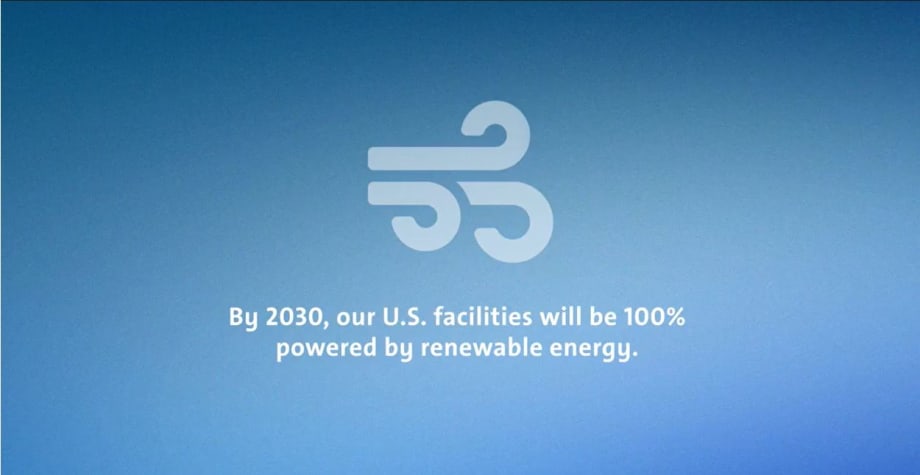
Screenshot via General Motors.
2 min to read
General Motors outlined its sustainability goals, which includes goals for 2020, 2030, and 2040.
The company noted that it currently enables 100% of the reuse or recycling of its EV batteries. By 2030 the company aims to power its U.S. facilities entirely with renewable energy. And, by 2040, GM wants to source its global electricity from renewables.
The company also committed to increasing the percentage of sustainable materials in its vehicles. By 2030 the company expects at least 50% of the materials in its vehicles to be sustainable, and it will work with its suppliers to accomplish this.
To help accomplish its sustainability goals, GM has established a Sustainability Office with Dane Parker, chief sustainability officer, leading it.
These sustainability goals are in addition to a National Zero Emission Vehicle (NZEV) program that GM also proposed.
The program, according to GM, would require buy-in from all 50 states in the U.S. and would expand battery and electric vehicle research, development, and production. One of the initiatives to accomplish this would be infrastructure investments to accelerate accessible and convenient electric charging.
Another initiative would be renewing and enhancing federal incentives for U.S. consumers to buy electric vehicles in order to make electric vehicles more affordable. GM also proposed regulatory incentives to support U.S. battery suppliers, which would help promote domestic job growth with advanced battery development and production.
GM estimates that the program it laid out has the potential to place more than 7 million long-range EVs on the road by 2030. With the addition of these EVs, the program could also yield a cumulative incremental reduction of 375 million tons of CO2 emissions between 2021 and 2030 over the current U.S. zero emissions framework.
Originally posted on Automotive Fleet
More Legal/Legislative
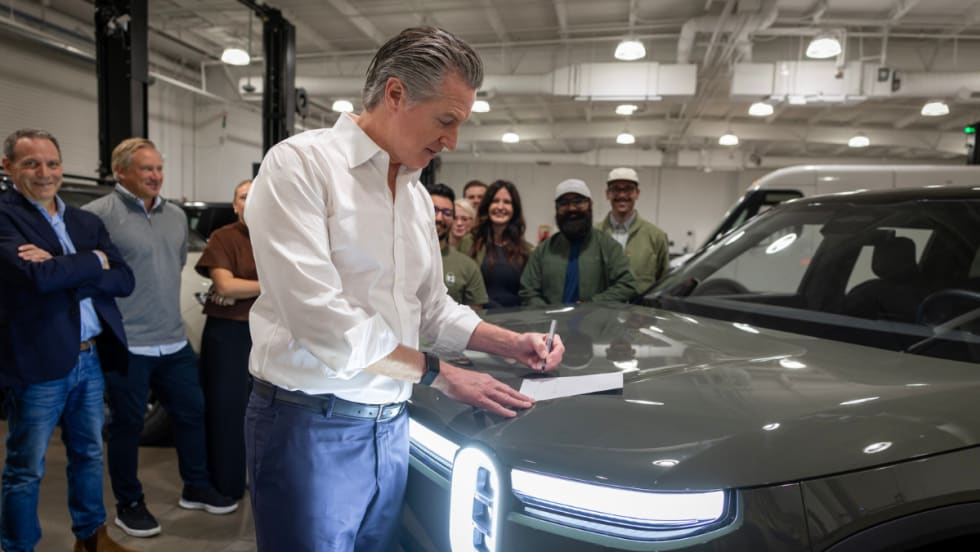
California Governor Approves Instant ZEV Rebates For First-Time Buyers
That instant rebate is the centerpiece of a broader $600 million package Governor Newsom signed into law, keeping California active in the global clean transportation race.
Read More →
Used EVs Set Wholesale Sales Record In Q1
Rising gas prices may have boosted demand last month, as dealers pursued potential opportunities with more affordable used EVs.
Read More →
OEMS Expose Overdue EV Truths
Recent announcements from two automakers underscore a significant shift in the electric vehicle market, driven by EV losses and changing strategies. [VIDEO}
Read More →
The Freedom Era For Electric Vehicles
Season 2 Episode 1 of The Off-Peak premieres as the electric vehicle market no longer benefits from federal tax credits that expired at the end of Q3 2024. What does this mean for the future appeal of EVs?
Read More →
New Research Shows Renewed Potential And Tolerance For EVs
A new EV consumer survey finds partisan resistance is easing, but concerns around cost, incentives, and charging access still shape buyer interest.
Read More →
2025 Generated Big Headlines In The EV World
The EV industry entered a new more nuanced phase defined by realities and practical outcomes after a few years of grand visions, media hype, and bold investments.
Read More →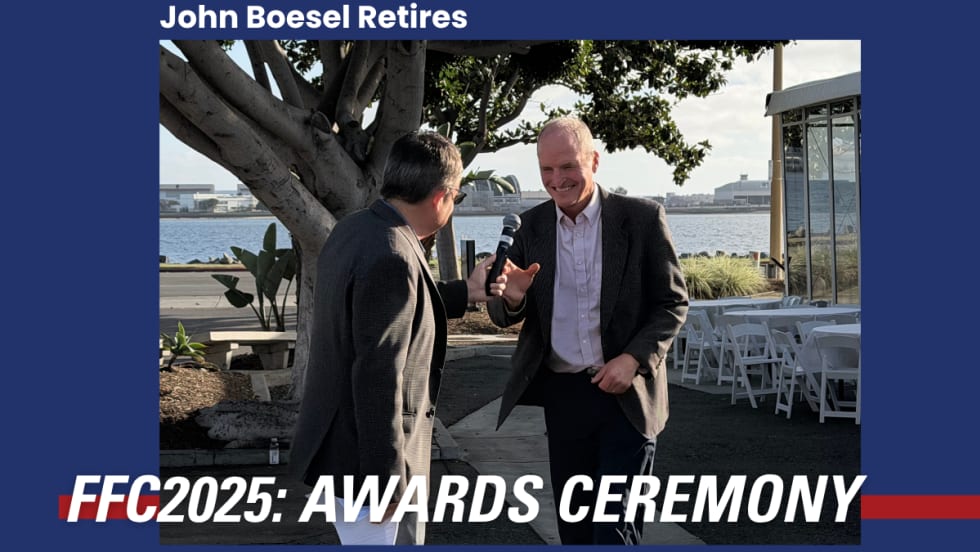
John Boesel Recognized at 2025 Fleet Forward Conference
Bobit recognized John Boesel, CEO of Calstart, who is retiring after over three decades of service.
Read More →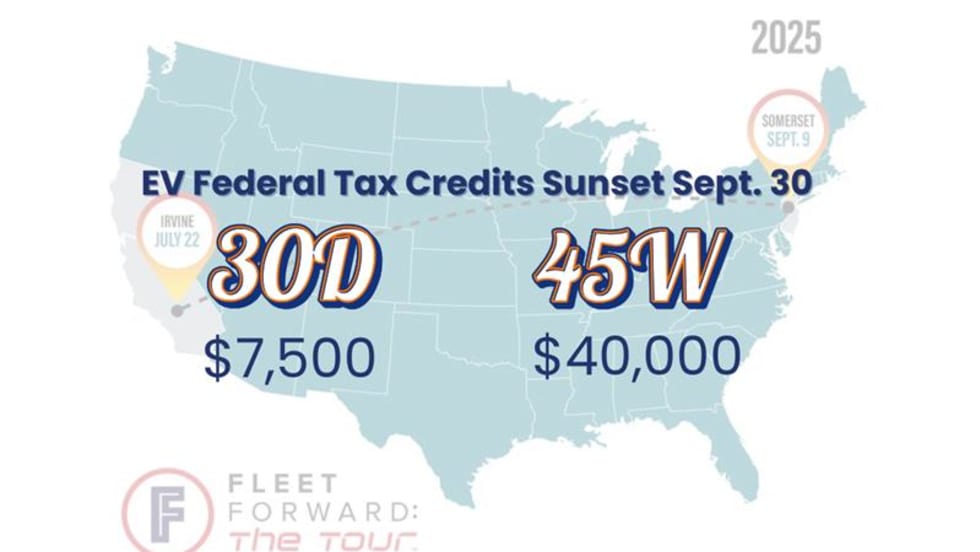
Final Push for Federal EV Incentives Highlighted at Fleet Forward Tour NJ Stop
Fleet managers in the Northeast will have a timely opportunity to take action on electric vehicle purchases at the upcoming Fleet Forward Tour stop in Somerset, NJ, on Sept. 9.
Read More →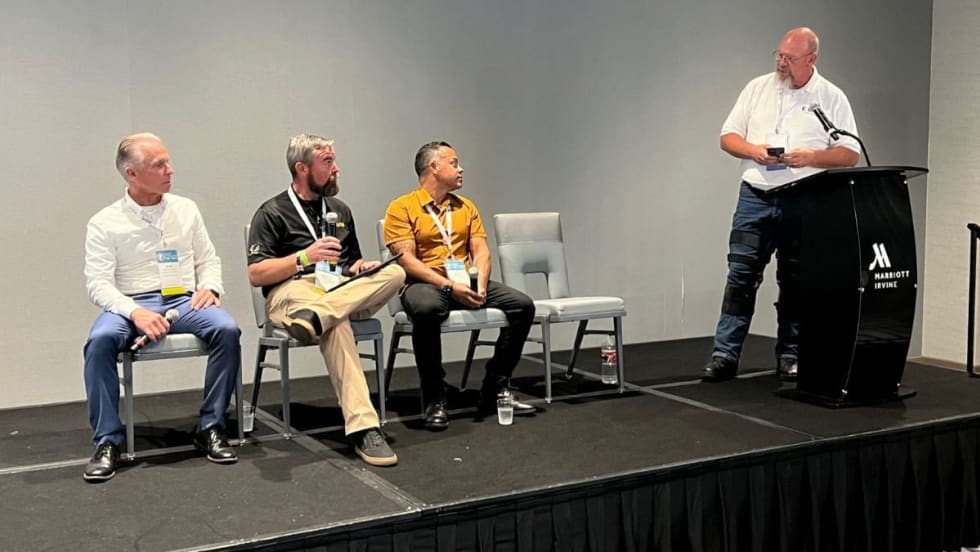
Latest Hard Realities, Top Pressures For Electric Fleets
Speakers and experts at Fleet Forward: The Tour shared hands-on, hard-won insights on how fleet operations are handling tariffs, EV charging, rules and regs, and safety issues.
Read More →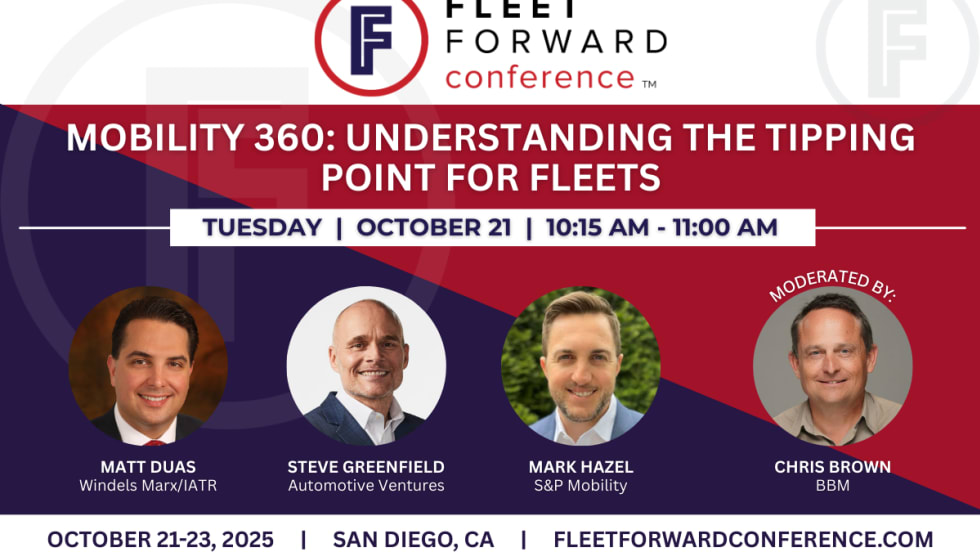
Mobility 360 Panel to Define the Fleet Industry’s Next Tipping Point
At the 2025 Fleet Forward Conference, experts in capital, policy, and data will assess which trends are transforming fleet.
Read More →