


Ford Data Reveals How Often Plug-In Hybrid Owners Run on Battery Alone
New sales data from Ford shows that the Ford Kuga Plug-In Hybrid electric vehicle was the best‑selling PHEV in Europe during the first half of this year.

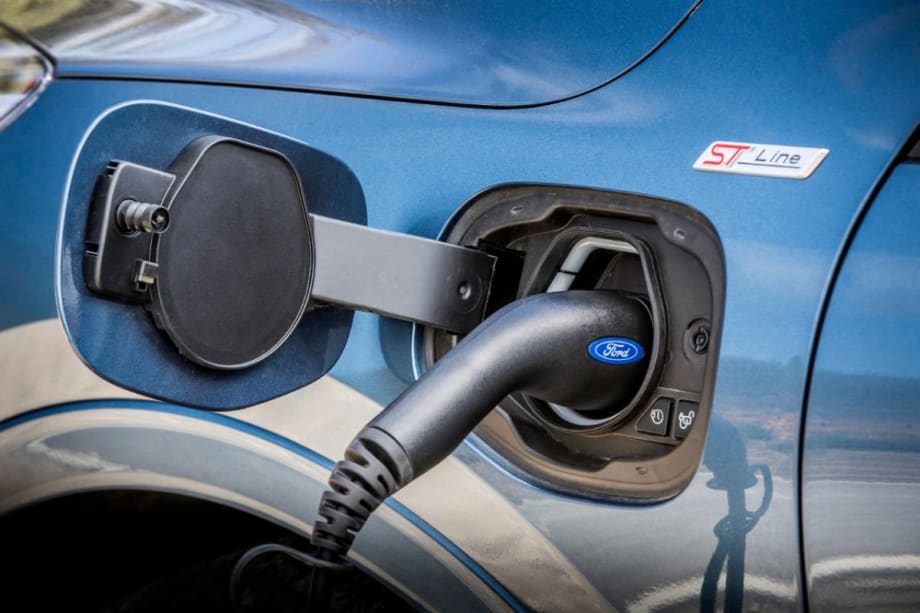
By mid-2026, Ford aims for 100% of its passenger vehicle range in Europe to be zero-emissions capable, all-electric or PHEV, and will move to all-electric by 2030.
Photo: Ford
The Ford Kuga Plug-In Hybrid electric vehicle (PHEV) was the best-selling PHEV across all segments in Europe during the first half of 2021, Ford announced on August 5. The automaker also shared key insights from drivers of the vehicle across Europe.
Data from the OEM shows that customers are making the most of their vehicles’ 56 km WLTP (which stands for Worldwide harmonized Light vehicles Test Procedure, a series of tests required to certify that new vehicles abide by global regulation standards) electric driving range. Findings also showed that Kuga Plug-In Hybrid drivers across Europe so far this year have traveled 49% of their distance using externally charged battery power alone.
The Kuga Plug-In Hybrid achieved more sales in June than any previous month — with more than 6,300 models sold — and now outsells all other models in the Kuga range put together. Across April, May, and June this year, Ford sold almost 16,000 Kuga Plug-In Hybrids — over a third more than the next best-selling competitor during the same period.
Sales of PHEV and all-electric passenger vehicles are surging across Europe as a growing number of people discover how their driving needs can be managed using at-home charging. PHEV models accounted for 8.4% of all new cars sold in Europe during the second quarter of this year, an increase of more than 255% compared with the same period last year.
“We firmly believe that our customers buy hybrid vehicles to benefit from the advantages of driving on electric power, and this data shows that Kuga Plug-In Hybrid customers are keen to use their cars in EV mode as much as possible,” said Roelant de Waard, general manager, Passenger Vehicles, Ford of Europe. “We are committed to an electrified future for Ford, and the fact that Kuga is the best-selling PHEV shows that our customers want to join us on this exciting journey.”
Kuga Plug-In Hybrid Customer Usage
Anonymous real-world data collected by Ford helps to understand and optimize the PHEV ownership experience, with insights including:
Drivers are using the battery-electric driving capability of their Kuga Plug-In Hybrid significantly. Almost half (49%) of the collective distance traveled this year has used externally charged battery power alone.
More than two-thirds of Kuga Plug-In Hybrid customers’ journeys are shorter, local trips of 50 km or less that could be completed using just externally charged battery power. From more than 633,000 drive days this year, the vehicle made possible more than 420,000 drive days with zero tailpipe emissions. The average daily driving distance was 52 km, which is less than the vehicle’s 56 km WLTP pure-electric driving range.
Customers are confident when it comes to using battery technology and are routinely able to access charging points. For every 100 drive days in a Kuga Plug-In Hybrid, there were 89 charging events.
Customers are taking advantage of overnight charging and cheaper night-time domestic electricity rates to reduce their motoring costs. Thirty-five percent of charging events took place overnight with a plug-in time of 12 hours or more – twice the six hours required to charge the battery fully from a conventional domestic 230-volt supply. In total, 45% of all charging events took place overnight, demonstrating that customer car charging habits are similar to how they would charge their smartphone or tablet.
Ford earlier this year announced that 100% of its passenger vehicle range in Europe will be zero-emissions capable, all-electric or PHEV by mid-2026; moving to all-electric by 2030.
Originally posted on Automotive Fleet
More Electric Vehicles
EV Charging Use Is Outpacing Infrastructure Growth
ChargePoint’s 2026 Charging Forward Report points to rising charger use, higher-powered charging, commercial vehicle electrification, and energy-management technology. Here’s what fleets should know.
Read More →
EV Realty Names Henrik Holland President as Charging Platform Expands
The former Prologis Mobility and Shell executive will help expand EV Realty’s truck charging business and move its power-first infrastructure model into autonomous vehicle depots and other fleet sectors.
Read More →
GreenPower Expands New Mexico EV Pilot With Larger Buses, V2G Testing
After logging more than 17,000 electric miles in the first year, New Mexico’s statewide pilot is moving into its second phase with larger vehicles, continued charging evaluations, and more.
Read More →
Can EV-as-a-Service Help Fleets Scale Electrification?
Sustainability Partners CEO Adam Cain explains how matching EVs, charging infrastructure, and duty cycles can help fleets scale electrification.
Read More →
How EV-as-a-Service Is Moving Fleets Beyond Pilots
Adam Cain, president and CEO of Sustainability Partners, explains how EV-as-a-service can help fleets scale deployments by addressing duty-cycle requirements and charging challenges.
Read More →
PowerFlex, The Mobility House Join Forces to Advance Fleet Electrification
Two EV charging providers are joining forces to deliver a broader portfolio of energy management and fleet electrification solutions.
Read More →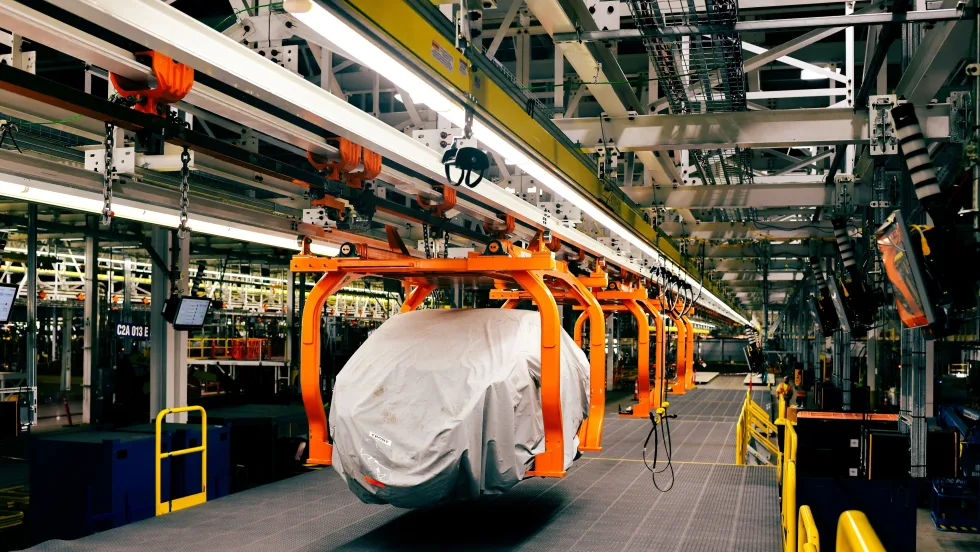
Ford Retools Louisville Plant for Fathom Electric Truck Production
Ford's $2 billion Louisville Assembly Plant overhaul introduces a three-part assembly process for the Fathom midsize electric truck, with production scheduled to begin in 2027.
Read More →
Merchants Fleet Reports 290M EV Miles as Fleets Navigate Changing Electrification Market
From millions in operating savings to hundreds of millions of EV miles, Merchants Fleet’s latest report reveals what’s working and what’s changing in fleet electrification.
Read More →
California District Commits to Electrify 25% of School Bus Fleet by 2028
One of the nation's largest school bus electrification projects to date demonstrates how grants, charging infrastructure, and public-private partnerships can help fleets transition to EVs at scale.
Read More →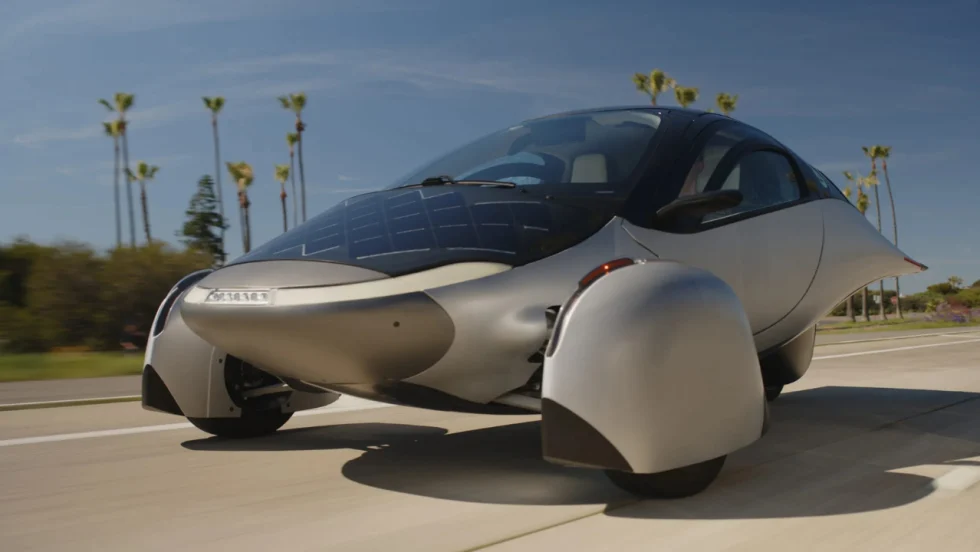
Aptera Orders Bodies and Chassis for Its First 40 Production Vehicles
Aptera Motors Corp. has issued purchase orders for the major structural components of its first 40 vehicles, and body and chassis components are expected to begin arriving in October.
Read More →