


Fit for 55: EU Announces Ambitious Decarbonization Plans
Fleets operating in Europe will be forced to electrify vehicles by 2035 under far-reaching plans announced on July 14, 2021 by the European Commission. Called the European Green Deal and dubbed ‘Fit for 55’, the plan embraces the EU’s climate, energy, land use, transport and taxation policies making them fit for reducing net greenhouse gas emissions by at least 55% by 2030, compared with 1990 levels.

The European Green Deal is a wide ranging proposal by the European Commission to radically reduce CO2 emissions in Europe.
Credit: European Commission
Fleets operating in Europe will be forced to electrify vehicles by 2035 under far-reaching plans announced on July 14, 2021 by the European Commission.
Called the European Green Deal and dubbed ‘Fit for 55’, the plan embraces the EU’s climate, energy, land use, transport and taxation policies making them fit for reducing net greenhouse gas emissions by at least 55% by 2030, compared with 1990 levels.
While these plans have to be ratified, dramatic action is required to reduce the EU’s carbon emissions. In particular, this will affect passenger cars which will be required to be zero emission by 2035. The EU wants average emissions of new cars to come down by 55% from 2030 and 100% from 2035 compared to 2021 levels.
President of the European Commission, Ursula von der Leyen, said: “The fossil fuel economy has reached its limits. We want to leave the next generation a healthy planet as well as good jobs and growth that does not hurt our nature. The European Green Deal is our growth strategy that is moving towards a decarbonised economy.”
While the European Automobile Manufacturers’ Association (ACEA) welcomed the report, it said it wanted to study the detail more fully, saying that carmakers were already committed to reducing emissions to zero. However, it said that banning a single technology was not a rational way forward while Europe was still adjusting to the infrastructure required to deliver emission-free motoring.
Oliver Zipse, ACEA President and CEO of BMW, commented: “The current proposal for an even bigger cut in CO2 emissions by 2030 requires a massive further increase in market demand for electric vehicles in a short timeframe. Without significantly increased efforts by all stakeholders – including member states and all involved sectors – the proposed target is simply not viable.”
Zipse added that all options should be on the table, from highly efficient combustion engines to hybrid, battery electric and hydrogen fuel cell vehicles, because all have a role to play in the route to carbon neutrality, adding that without the the availability of renewable fuels, a 100% reduction target in 2035 was effectively a ban of the internal combustion engine.
“Within the context of the proposed technology restrictions from 2035 onwards, we urge all EU institutions to focus on innovation rather than mandating, or effectively banning, a specific technology,” Zipse underlined.
The environmental group, Transport & Environment (T&E), said that the transition from sales of cars with polluting engines to fully electric vehicles was “an essential step” for achieving carbon neutrality by 2050, with Isabell Büschel, director of T&E in Spain calling it "a turning point for the automotive industry".
Originally posted on Automotive Fleet
More Legal/Legislative
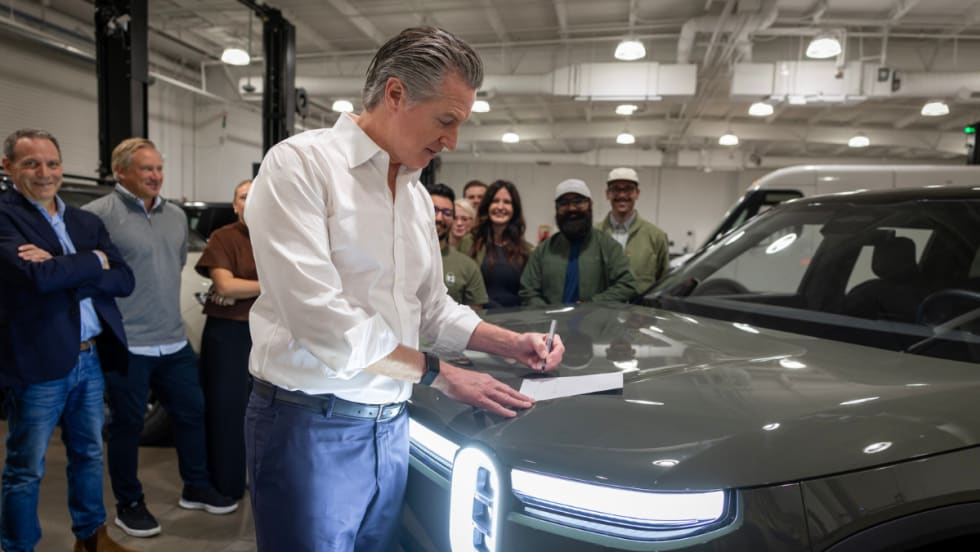
California Governor Approves Instant ZEV Rebates For First-Time Buyers
That instant rebate is the centerpiece of a broader $600 million package Governor Newsom signed into law, keeping California active in the global clean transportation race.
Read More →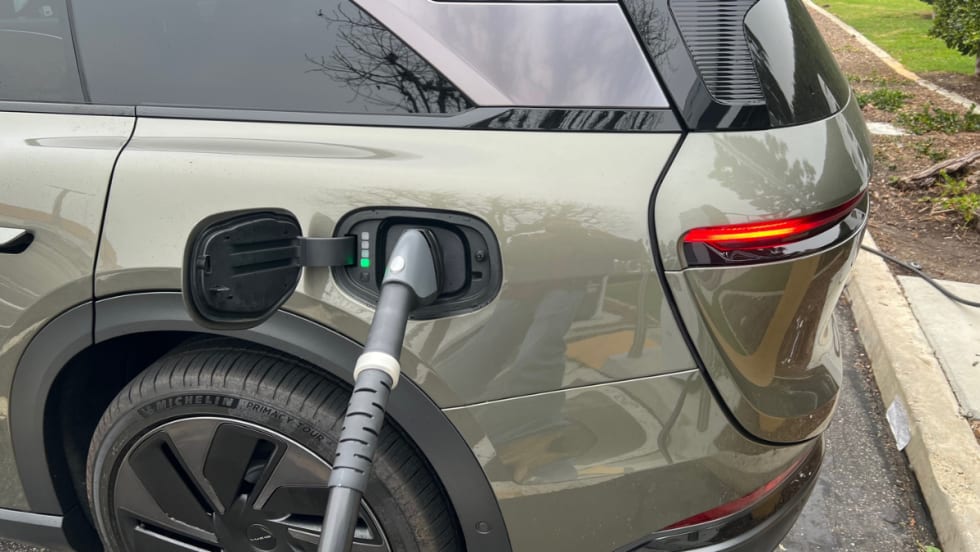
Used EVs Set Wholesale Sales Record In Q1
Rising gas prices may have boosted demand last month, as dealers pursued potential opportunities with more affordable used EVs.
Read More →
OEMS Expose Overdue EV Truths
Recent announcements from two automakers underscore a significant shift in the electric vehicle market, driven by EV losses and changing strategies. [VIDEO}
Read More →
The Freedom Era For Electric Vehicles
Season 2 Episode 1 of The Off-Peak premieres as the electric vehicle market no longer benefits from federal tax credits that expired at the end of Q3 2024. What does this mean for the future appeal of EVs?
Read More →
New Research Shows Renewed Potential And Tolerance For EVs
A new EV consumer survey finds partisan resistance is easing, but concerns around cost, incentives, and charging access still shape buyer interest.
Read More →
2025 Generated Big Headlines In The EV World
The EV industry entered a new more nuanced phase defined by realities and practical outcomes after a few years of grand visions, media hype, and bold investments.
Read More →
John Boesel Recognized at 2025 Fleet Forward Conference
Bobit recognized John Boesel, CEO of Calstart, who is retiring after over three decades of service.
Read More →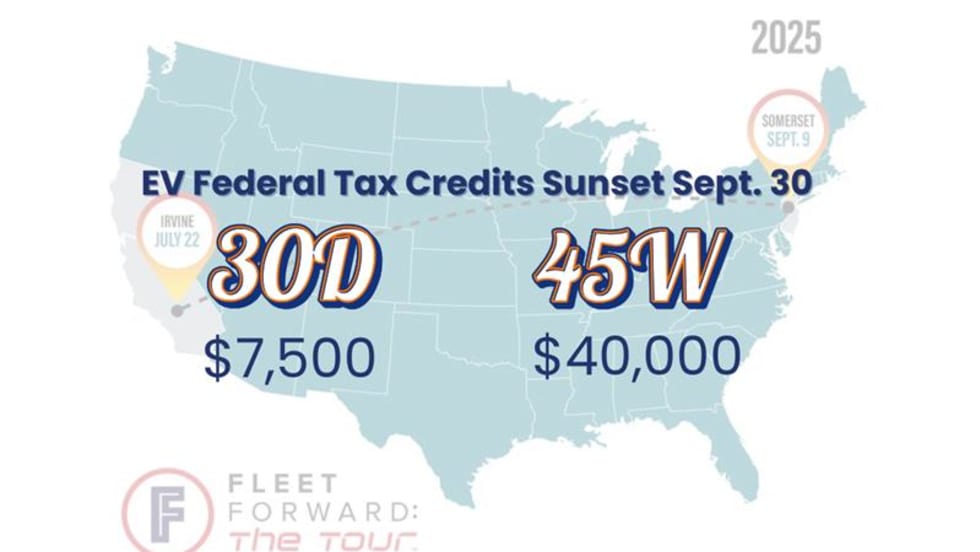
Final Push for Federal EV Incentives Highlighted at Fleet Forward Tour NJ Stop
Fleet managers in the Northeast will have a timely opportunity to take action on electric vehicle purchases at the upcoming Fleet Forward Tour stop in Somerset, NJ, on Sept. 9.
Read More →
Latest Hard Realities, Top Pressures For Electric Fleets
Speakers and experts at Fleet Forward: The Tour shared hands-on, hard-won insights on how fleet operations are handling tariffs, EV charging, rules and regs, and safety issues.
Read More →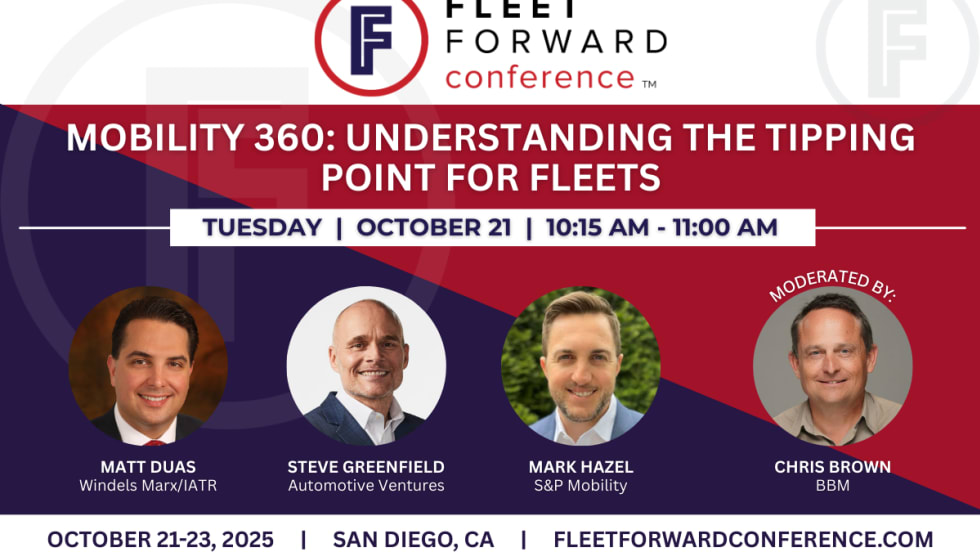
Mobility 360 Panel to Define the Fleet Industry’s Next Tipping Point
At the 2025 Fleet Forward Conference, experts in capital, policy, and data will assess which trends are transforming fleet.
Read More →