


EPA Proposes Increasing Renewable Fuel Volumes
The U.S. Environmental Protection Agency issued a proposed rule that would set the minimum amount of renewable fuels that must be supplied to the market in 2020, as well as the biomass-based diesel volume standards for 2021.


EPA Administrator Andrew Wheeler issued the statement under the federal government's Renewable Fuel Standards (RFS).
Photo of a Renewable Energy Group (REG) Seneca biofuel refinery courtesy of REG.
The U.S. Environmental Protection Agency issued a proposed rule that raised the amount of renewable fuels that must be supplied to the market in 2020 by 0.12 billion gallons, while biomass-based diesel volume standards for 2021 are stagnant. Overall, the EPA maintained flat required volumes.
Andrew Wheeler, the EPA's administrator, issued the statement under the federal government's Renewable Fuel Standards. Proposed increases for 2020 includes making the advanced biofuel volume requirement for 2020 set for 5.04 billion gallons, 0.12 billion high than the 2019 requirement, according to the EPA.
"It shouldn't have a major impact on a fleet who is already operating on biofuels," said Kaleb Little, director of communications for the National Biodiesel Board. "However, it's a missed opportunity. If EPA's proposal had grown the volumes, there would be more biofuels in the supply chain. Basic supply and demand would say that could help lower costs."
Meanwhile, the cellulosic biofuel volume requirement of 0.54 billion ethanol-equivalent gallons for 2020 is 0.12 billion higher than that which was finalized for 2019. These figures leave a 15 billion gallon requirement for conventional renewable fuels such as corn ethanol, which is flat with 2019.
Further in the future, the EPA is also proposing to maintain the biomass-based diesel volume for 2021 at 2.43 billion gallons.
Originally posted on Automotive Fleet
More Legal/Legislative

California Governor Approves Instant ZEV Rebates For First-Time Buyers
That instant rebate is the centerpiece of a broader $600 million package Governor Newsom signed into law, keeping California active in the global clean transportation race.
Read More →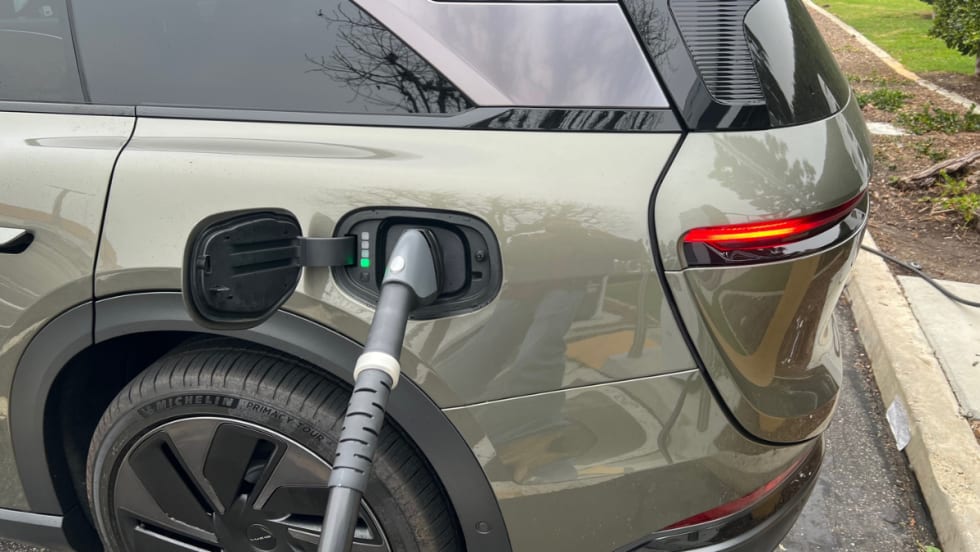
Used EVs Set Wholesale Sales Record In Q1
Rising gas prices may have boosted demand last month, as dealers pursued potential opportunities with more affordable used EVs.
Read More →
OEMS Expose Overdue EV Truths
Recent announcements from two automakers underscore a significant shift in the electric vehicle market, driven by EV losses and changing strategies. [VIDEO}
Read More →
The Freedom Era For Electric Vehicles
Season 2 Episode 1 of The Off-Peak premieres as the electric vehicle market no longer benefits from federal tax credits that expired at the end of Q3 2024. What does this mean for the future appeal of EVs?
Read More →
New Research Shows Renewed Potential And Tolerance For EVs
A new EV consumer survey finds partisan resistance is easing, but concerns around cost, incentives, and charging access still shape buyer interest.
Read More →
2025 Generated Big Headlines In The EV World
The EV industry entered a new more nuanced phase defined by realities and practical outcomes after a few years of grand visions, media hype, and bold investments.
Read More →
John Boesel Recognized at 2025 Fleet Forward Conference
Bobit recognized John Boesel, CEO of Calstart, who is retiring after over three decades of service.
Read More →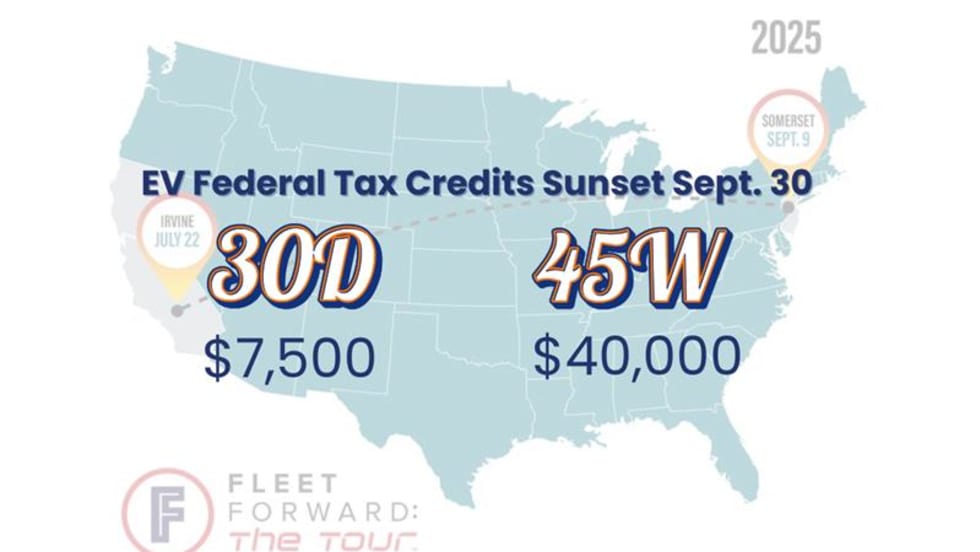
Final Push for Federal EV Incentives Highlighted at Fleet Forward Tour NJ Stop
Fleet managers in the Northeast will have a timely opportunity to take action on electric vehicle purchases at the upcoming Fleet Forward Tour stop in Somerset, NJ, on Sept. 9.
Read More →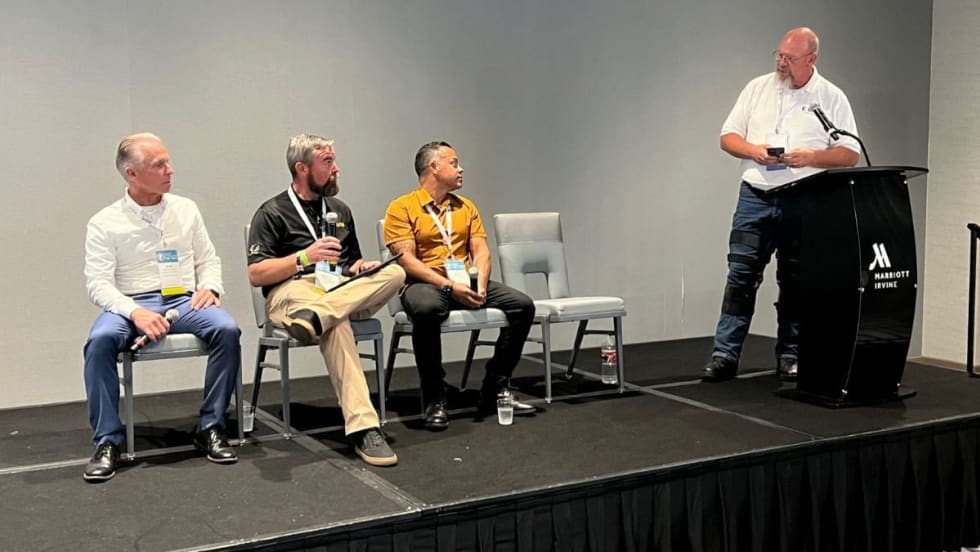
Latest Hard Realities, Top Pressures For Electric Fleets
Speakers and experts at Fleet Forward: The Tour shared hands-on, hard-won insights on how fleet operations are handling tariffs, EV charging, rules and regs, and safety issues.
Read More →
Mobility 360 Panel to Define the Fleet Industry’s Next Tipping Point
At the 2025 Fleet Forward Conference, experts in capital, policy, and data will assess which trends are transforming fleet.
Read More →