


Further Reading
Electric Vehicles Expected to Comprise 31% of the Global Fleet by 2050
The global market for light-duty electric vehicles (LDVs) are expected to grow by almost 1% for year for the next three decades, peaking around 2038.

Jordan Wiklund・Former Senior Editor

The global fleet market for electric vehicles is expected to grow by about 1% for the next three decades.
Pexels
2 min to read
One percent per year until 2050—that’s the prediction by the U.S. Energy Information Administration (EIA) for light-duty electric vehicles. From 2020 to 2050, the segment is expected to explode from today’s 0.7% to 31% by 2050 for a whopping 672 million fleet EVs on the road.
The EIA estimates that today’s global LDV fleet (gas and electric) is about 1.31 billion vehicles strong, and that this number should grow to roughly 2.21 billion vehicles by 2050 due to increasing economic activity, population growth, and the expansion of private mobility options.
It also predicts that the global gas and diesel LDV fleet will hit its apex in 2038 as the result of significant EV sales growth.
The EIA defines LDVs as, “passenger and fleet cars and trucks with a gross vehicle weight rating of 8,500 pounds or less.” It defines electric vehicles as any LDV with a charging plug, and that definition includes all-electric vehicles and plug-in hybrid electric vehicles.
It's important to remember that these projections are based on current technological and policy trends and drawn from that data set; if nothing changes drastically from this data, then the EIA predictions should remain relatively stable. There’s no doubt that the rise of EVs will occur in the 2020s, but just what occurs under the hoods (and on the roads) of the world’s countries with large automotive markets remains to be seen. China remains the largest global automotive market for all sales while Norway has more electric cars per capita than any other country, with EVs making up almost 75% of new car sales in 2020.
Four Steps to Prepare for Commercial Vehicle Electrification
Fifteen Countries Pledge 100% Zero-Emissions Truck, Bus Sales by 2040
Originally posted on Automotive Fleet
More Electric Vehicles
EV Charging Use Is Outpacing Infrastructure Growth
ChargePoint’s 2026 Charging Forward Report points to rising charger use, higher-powered charging, commercial vehicle electrification, and energy-management technology. Here’s what fleets should know.
Read More →
EV Realty Names Henrik Holland President as Charging Platform Expands
The former Prologis Mobility and Shell executive will help expand EV Realty’s truck charging business and move its power-first infrastructure model into autonomous vehicle depots and other fleet sectors.
Read More →
GreenPower Expands New Mexico EV Pilot With Larger Buses, V2G Testing
After logging more than 17,000 electric miles in the first year, New Mexico’s statewide pilot is moving into its second phase with larger vehicles, continued charging evaluations, and more.
Read More →
Can EV-as-a-Service Help Fleets Scale Electrification?
Sustainability Partners CEO Adam Cain explains how matching EVs, charging infrastructure, and duty cycles can help fleets scale electrification.
Read More →
How EV-as-a-Service Is Moving Fleets Beyond Pilots
Adam Cain, president and CEO of Sustainability Partners, explains how EV-as-a-service can help fleets scale deployments by addressing duty-cycle requirements and charging challenges.
Read More →
PowerFlex, The Mobility House Join Forces to Advance Fleet Electrification
Two EV charging providers are joining forces to deliver a broader portfolio of energy management and fleet electrification solutions.
Read More →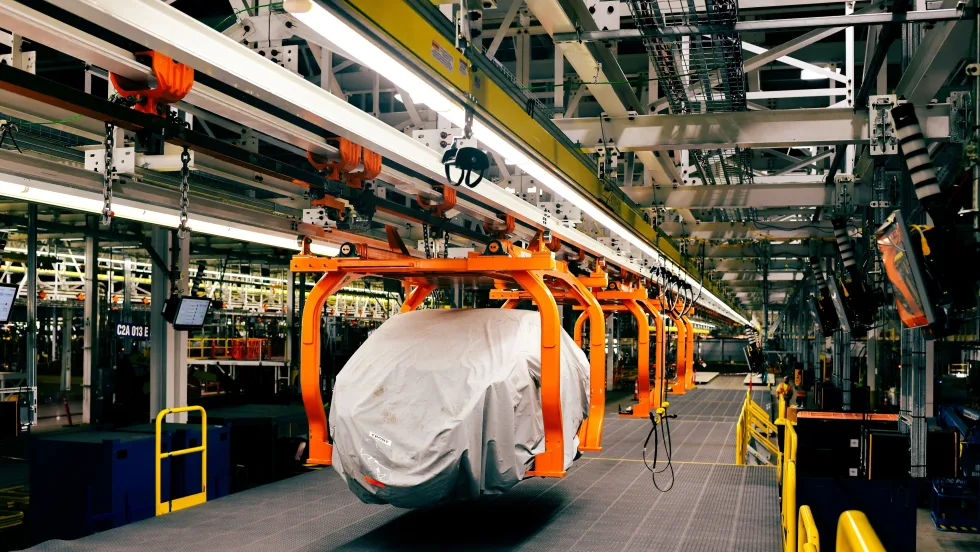
Ford Retools Louisville Plant for Fathom Electric Truck Production
Ford's $2 billion Louisville Assembly Plant overhaul introduces a three-part assembly process for the Fathom midsize electric truck, with production scheduled to begin in 2027.
Read More →
Merchants Fleet Reports 290M EV Miles as Fleets Navigate Changing Electrification Market
From millions in operating savings to hundreds of millions of EV miles, Merchants Fleet’s latest report reveals what’s working and what’s changing in fleet electrification.
Read More →
California District Commits to Electrify 25% of School Bus Fleet by 2028
One of the nation's largest school bus electrification projects to date demonstrates how grants, charging infrastructure, and public-private partnerships can help fleets transition to EVs at scale.
Read More →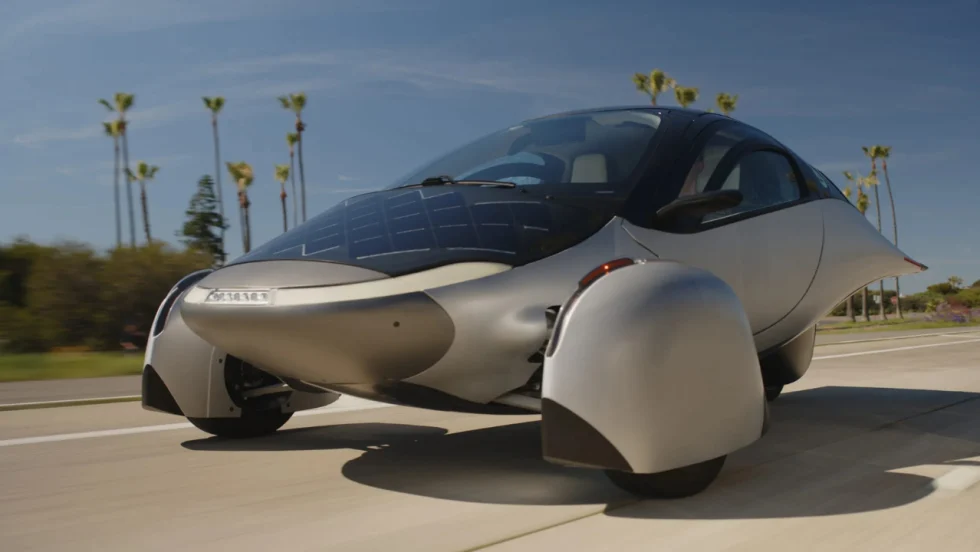
Aptera Orders Bodies and Chassis for Its First 40 Production Vehicles
Aptera Motors Corp. has issued purchase orders for the major structural components of its first 40 vehicles, and body and chassis components are expected to begin arriving in October.
Read More →