Electric Vehicle Fleet Sales Likely To Grow In 2021
New Charging Forward Fleet report sheds light on key insights that are driving more fleets to electrify faster.
by Charged Fleet Staff
January 15, 2021
Photo: Rathaphon Nanthapreecha/Pexels
2 min to read
Photo: Rathaphon Nanthapreecha/Pexels
Electrification can lead to cost savings of about 20-25% from greater efficiency for light-duty vehicles.
“The number of medium- and heavy-duty electric fleet vehicles sold is expected to grow by more than 100% from 2020 to 2021,” underscoring that the shift to fleet electrification is happening now on a broad scale and expected to accelerate in the years to come, according to a Chargepoint report, “Electrification Is the Way Forward for Every Fleet.”
The report is the next in a series of interactive, vertical-focused analysis with the latest edition focusing on the shift fleets around the world are making to electric, as explained in a Jan. 12 Chargepoint press release.
Ad Loading...
Through research outlined in the report, ChargePoint said, it found that three motivations are driving the shift in the fleet market:
Encreased vehicle availability with the number of medium- and heavy-duty electric vehicle (EV) models expected to double by 2023;
Cost savings of about 20-25% from greater efficiency for light-duty vehicles, more affordable fueling, and reduced maintenance requirements; and
Environmental benefits lowering greenhouse gas emissions by half or more.
“More fleets are realizing the overwhelming benefits of electrification and now is the time to start implementing changes to begin that transition and a key component of the journey is education,” said Michael Hughes, chief revenue officer, ChargePoint. “Understanding what is driving mass EV adoption – cost reductions and other operational benefits as well as increased efficiencies – will help drive the transition and propel the category into the future. This report demonstrates each of those factors in great detail and is a resource for the market as the shift accelerates.”
As electrification gains traction in the market, Charging Forward dives deeper into data about the drivers of mass fleet electrification—sustainability goals, cost savings, government regulations and more, while taking a full-market view of what’s needed to get started and scale to each fleet’s needs. The barriers to adoption are also a focus with insight into growing EV model availability and other potential drivers of adoption.
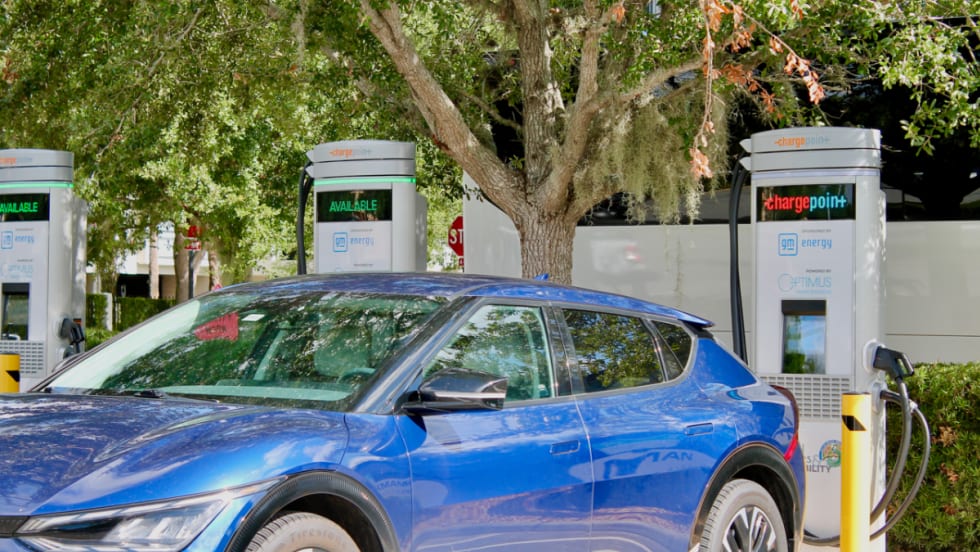
ChargePoint is creating the new fueling network to move all people and goods on electricity. Since 2007, ChargePoint has been committed to making it easy for businesses and drivers to go electric with one of the largest EV charging networks and most complete portfolio of charging solutions available today. ChargePoint’s cloud subscription platform and software-defined charging hardware are designed to include options for every charging scenario from home and multifamily to workplace, parking, hospitality, retail and transport fleets of all types.
How do you successfully operate an all-electric rental car fleet? Whether you manage a rental fleet or another commercial fleet, this conversation offers practical lessons on deploying, operating, and scaling electric vehicles.
Held on the East Coast for the first time, the Washington, D.C.-area event features expert-led education, a new IIHS Crash Test Experience, and collocation with the NAFA’s Fleet Safety Symposium.
A seamless charge depends on a string of independent companies getting it right together, every time. How can electric fleets navigate the challenges to create a successful charging plan?
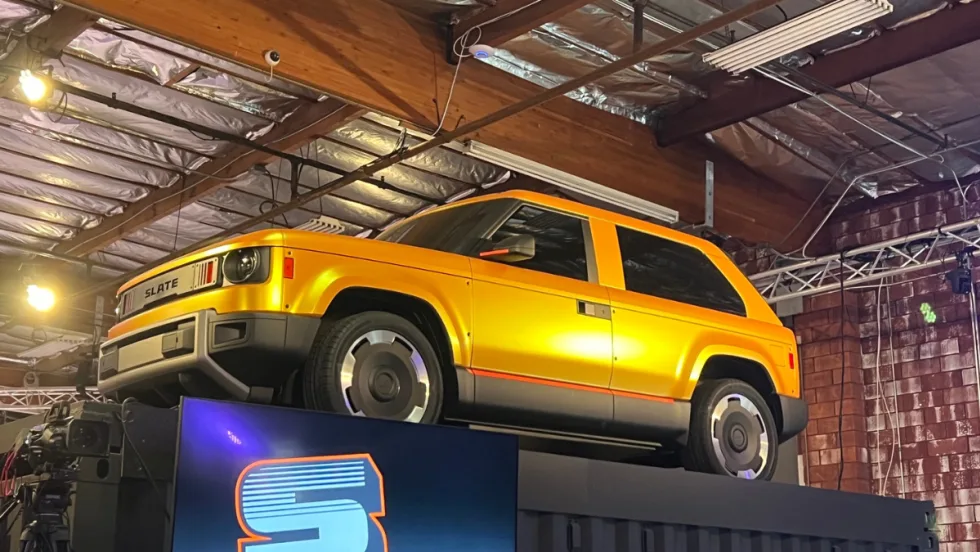
A recent media and client event, studded with electric vehicles dressed up on platforms, planted a new position for the manufacturer in the wider EV market. Fleets will find cost-saving advantages.
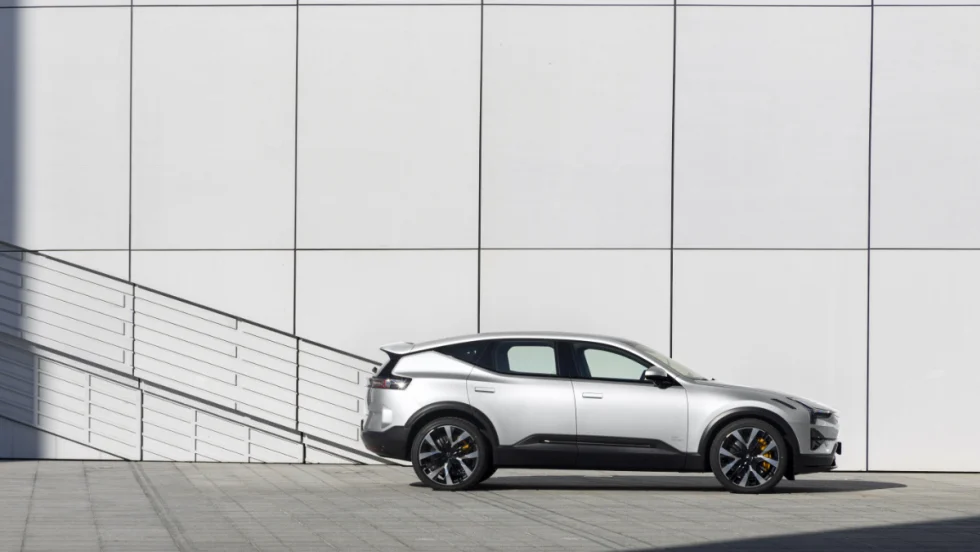
The automaker loses its authorization to sell new vehicles in the U.S., starting with the 2027 model year. Polestar owners will retain access to the brand's service network.