



Learn More: Peterbilt Launches EV Operating Cost Calculator
E Source Launches EV Data Science Consortium to Empower Utilities
The company has launched EV4Sight, a consortium to continuously forecast the utility-specific impacts of electric transportation growth.
April 12, 2021
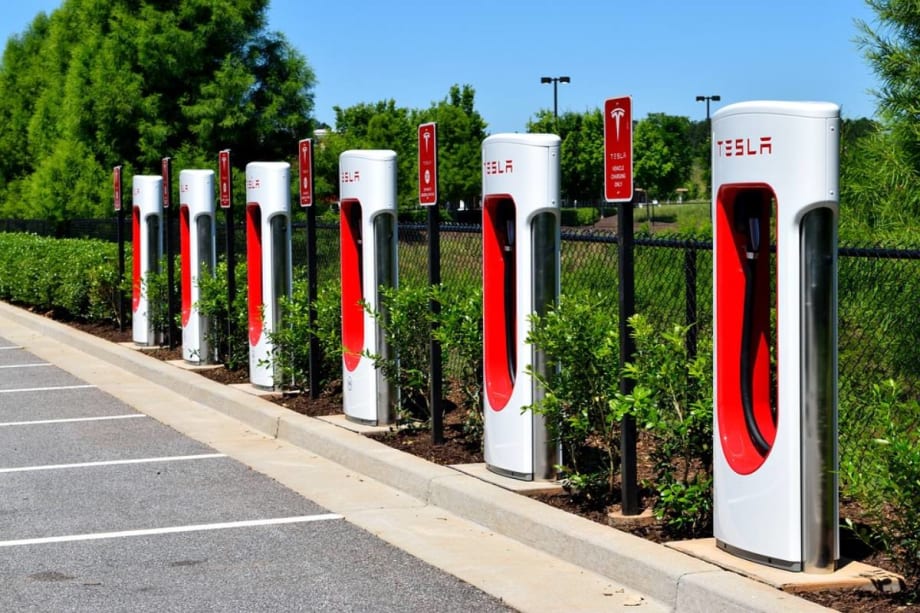
The company has launched EV4Sight, a consortium to continuously forecast the utility-specific impacts of electric transportation growth.
2 min to read
To aid utility success in a dramatically shifting landscape, E Source has launched EV4Sight, a consortium to continuously forecast the utility-specific impacts of electric transportation growth. Using a growing data hub and advanced data science, EV4Sight will also provide consortium members with ongoing insights into electric transportation charging patterns, analysis of factors that influence charging behavior, and impacts of load growth at the national, state, service-territory, or distribution-feeder level. EV4Sight will address both consumer vehicles as well as key categories of commercial and fleet vehicles.
“Utilities are facing considerable risk exposure if they either under- or over-build in anticipation of electric vehicle demand, and regulators and policy-makers want hard data to support investments. We also know electric load growth will be very uneven, with some regions, and even neighborhoods, having vastly different trajectories of adoption,” says Bill LeBlanc, E Source’s Chief Instigation Agent.
EV4Sight consortium members will have access to continuously updated dashboards powered by forecasting models rooted in advanced data science techniques. The data includes charging load shapes, EV owner data records, and proprietary market insights on every household and business in the U.S. E Source, through its partner Rolling Energy Resources, will enroll 100 consumer vehicles in each consortium member’s service territory to collect detailed real-time information on charging location and speed of charge, miles traveled, and state of battery charge. Members are encouraged to also add their own data, such as charging load shapes/AMI data, rate designs, and customer program participation to develop granular and accurate load forecasts. As the EV markets rapidly evolve, the projections will too.
“Today, we just don’t know what the real influences and levers are of EV adoption. Similarly, we aren’t aware of what affects charging habits the most,” explains Ted Schultz, president of E Source Data Science. “For consumer EV adoption, is it gas prices, number of public charging stations, model availability, EV range, or something hidden from us? For commercial vehicles, is rate design, range, managed charging, vehicle cost, or other factors that are the biggest influencers? That’s where data science will provide consortium members the tools you need in an ongoing basis to help manage the grid of the future.”
With dozens of utilities all pooling their data along with E Source’s proprietary data sets, advanced data science within EV4Sight will provide the ability to discern which utility programs, rate designs, policies, and activities work best with various target groups of customers under varying driving conditions.
Topics:Electric UtilitiesBattery-Electric Vehiclesdata collectioncharging infrastructureElectric VehiclesChargingVehicle Research
Originally posted on Work Truck Online
More Electric Vehicles
EV Charging Use Is Outpacing Infrastructure Growth
ChargePoint’s 2026 Charging Forward Report points to rising charger use, higher-powered charging, commercial vehicle electrification, and energy-management technology. Here’s what fleets should know.
Read More →
EV Realty Names Henrik Holland President as Charging Platform Expands
The former Prologis Mobility and Shell executive will help expand EV Realty’s truck charging business and move its power-first infrastructure model into autonomous vehicle depots and other fleet sectors.
Read More →
GreenPower Expands New Mexico EV Pilot With Larger Buses, V2G Testing
After logging more than 17,000 electric miles in the first year, New Mexico’s statewide pilot is moving into its second phase with larger vehicles, continued charging evaluations, and more.
Read More →
Can EV-as-a-Service Help Fleets Scale Electrification?
Sustainability Partners CEO Adam Cain explains how matching EVs, charging infrastructure, and duty cycles can help fleets scale electrification.
Read More →
How EV-as-a-Service Is Moving Fleets Beyond Pilots
Adam Cain, president and CEO of Sustainability Partners, explains how EV-as-a-service can help fleets scale deployments by addressing duty-cycle requirements and charging challenges.
Read More →
PowerFlex, The Mobility House Join Forces to Advance Fleet Electrification
Two EV charging providers are joining forces to deliver a broader portfolio of energy management and fleet electrification solutions.
Read More →
Ford Retools Louisville Plant for Fathom Electric Truck Production
Ford's $2 billion Louisville Assembly Plant overhaul introduces a three-part assembly process for the Fathom midsize electric truck, with production scheduled to begin in 2027.
Read More →
Merchants Fleet Reports 290M EV Miles as Fleets Navigate Changing Electrification Market
From millions in operating savings to hundreds of millions of EV miles, Merchants Fleet’s latest report reveals what’s working and what’s changing in fleet electrification.
Read More →
California District Commits to Electrify 25% of School Bus Fleet by 2028
One of the nation's largest school bus electrification projects to date demonstrates how grants, charging infrastructure, and public-private partnerships can help fleets transition to EVs at scale.
Read More →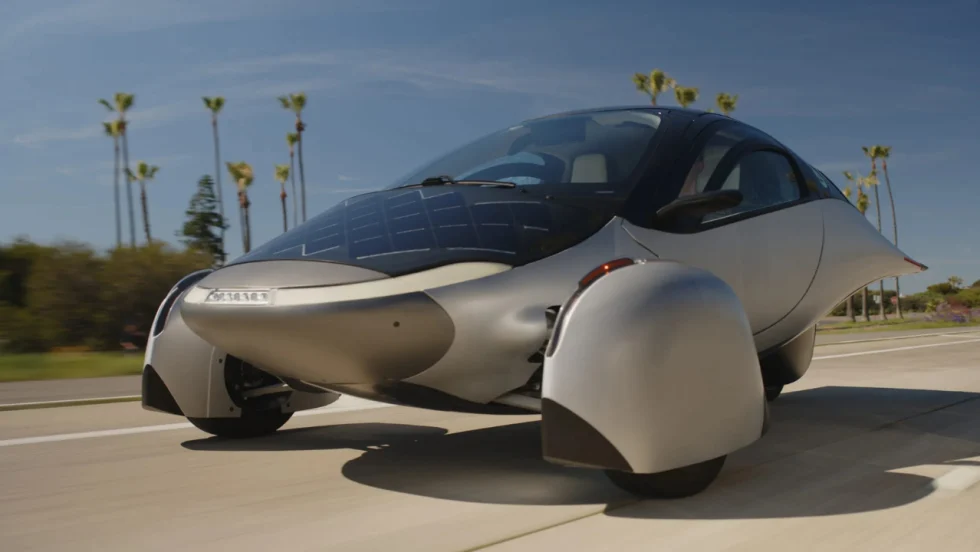
Aptera Orders Bodies and Chassis for Its First 40 Production Vehicles
Aptera Motors Corp. has issued purchase orders for the major structural components of its first 40 vehicles, and body and chassis components are expected to begin arriving in October.
Read More →