


Related: Cruise Delays Rollout of AVs
Cruise CEO Urges an End to Single Occupancy Car Use
Currently, more than three in four people drive to work in single occupant vehicles, as has been for the past 20 years.
by Staff
December 23, 2019
Ammann advocates for an increase in self-driving cars, electric vehicles, sharing rides.
Photo via Arcaion/Pixabay.
1 min to read
Cruise CEO Dan Ammann is calling for the industry and the public to ditch single occupancy, gasoline vehicles in favor of more sustainable ways of transportation.
In a post on Medium, Ammann notes that "the human-driven, gasoline-powered, single-occupant car" is an expensive, unsustainable, environmentally damaged mode of transportation. Working with city leaders has validated Ammann's belief that "the status quo of transportation is broken, and... our need to find better solutions grows more urgent every day."
Currently, more than three in four people drive to work in single occupant vehicles, as has been for the past 20 years. Amman notes that electric vehicle adoption still remains under 1%, and that traffic accidents are still the leading cause of death for five- to 29-year olds around the world.
"To make order-of-magnitude — rather than incremental — improvements in transportation, we need to build alternatives that are superior to the status quo in every way."
Ammann criticizes ride-hailing for contributing to congestion and unsafe conditions in cities. "While these apps have disrupted the taxi industry with subsidized rides at the push of a button, they haven’t fixed transportation," he writes.
Ammann advocates for an increase in self-driving cars, electric vehicles, sharing rides.
Originally posted on Automotive Fleet
More Electric Vehicles
EV Charging Use Is Outpacing Infrastructure Growth
ChargePoint’s 2026 Charging Forward Report points to rising charger use, higher-powered charging, commercial vehicle electrification, and energy-management technology. Here’s what fleets should know.
Read More →
EV Realty Names Henrik Holland President as Charging Platform Expands
The former Prologis Mobility and Shell executive will help expand EV Realty’s truck charging business and move its power-first infrastructure model into autonomous vehicle depots and other fleet sectors.
Read More →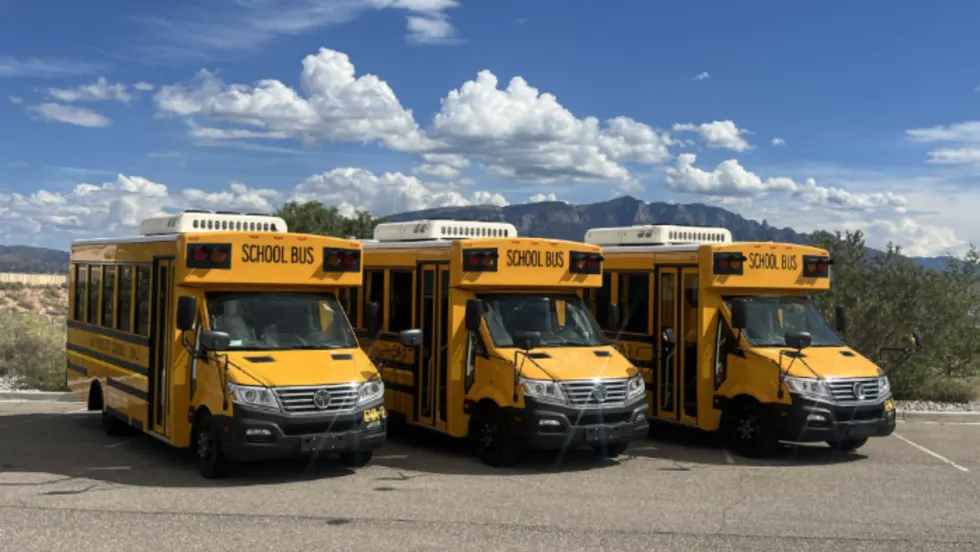
GreenPower Expands New Mexico EV Pilot With Larger Buses, V2G Testing
After logging more than 17,000 electric miles in the first year, New Mexico’s statewide pilot is moving into its second phase with larger vehicles, continued charging evaluations, and more.
Read More →
Can EV-as-a-Service Help Fleets Scale Electrification?
Sustainability Partners CEO Adam Cain explains how matching EVs, charging infrastructure, and duty cycles can help fleets scale electrification.
Read More →
How EV-as-a-Service Is Moving Fleets Beyond Pilots
Adam Cain, president and CEO of Sustainability Partners, explains how EV-as-a-service can help fleets scale deployments by addressing duty-cycle requirements and charging challenges.
Read More →
PowerFlex, The Mobility House Join Forces to Advance Fleet Electrification
Two EV charging providers are joining forces to deliver a broader portfolio of energy management and fleet electrification solutions.
Read More →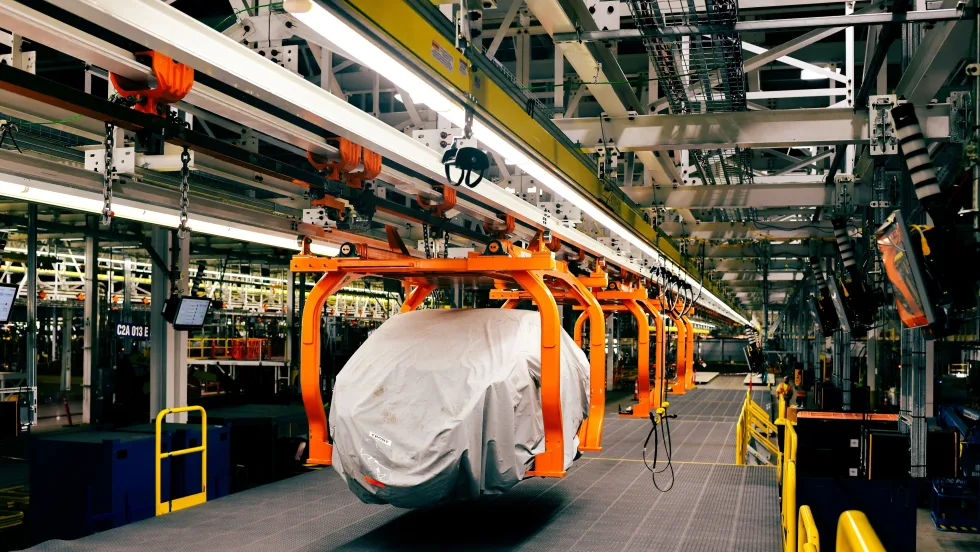
Ford Retools Louisville Plant for Fathom Electric Truck Production
Ford's $2 billion Louisville Assembly Plant overhaul introduces a three-part assembly process for the Fathom midsize electric truck, with production scheduled to begin in 2027.
Read More →
Merchants Fleet Reports 290M EV Miles as Fleets Navigate Changing Electrification Market
From millions in operating savings to hundreds of millions of EV miles, Merchants Fleet’s latest report reveals what’s working and what’s changing in fleet electrification.
Read More →
California District Commits to Electrify 25% of School Bus Fleet by 2028
One of the nation's largest school bus electrification projects to date demonstrates how grants, charging infrastructure, and public-private partnerships can help fleets transition to EVs at scale.
Read More →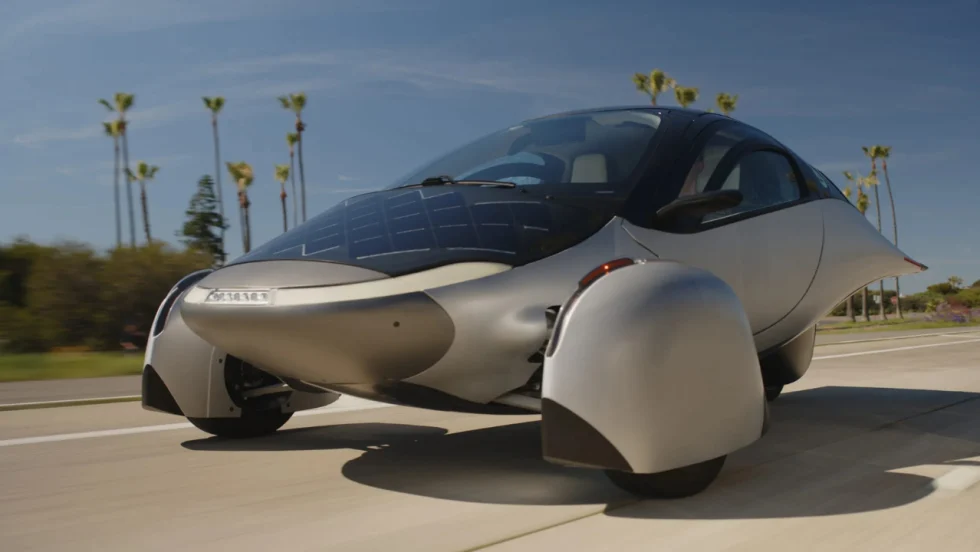
Aptera Orders Bodies and Chassis for Its First 40 Production Vehicles
Aptera Motors Corp. has issued purchase orders for the major structural components of its first 40 vehicles, and body and chassis components are expected to begin arriving in October.
Read More →