



LEED is an acronym for Leadership in Energy and Environmental Design, a set of standards for the construction and operation of green buildings administered by the United States Green Building Council.
Corporate Social Responsibility Driving EV Adoption
The initial costs of alternative-fuel vehicles can sometimes be prohibitive, so the mindset when acquiring these vehicles should be in the long-term.
January 15, 2020
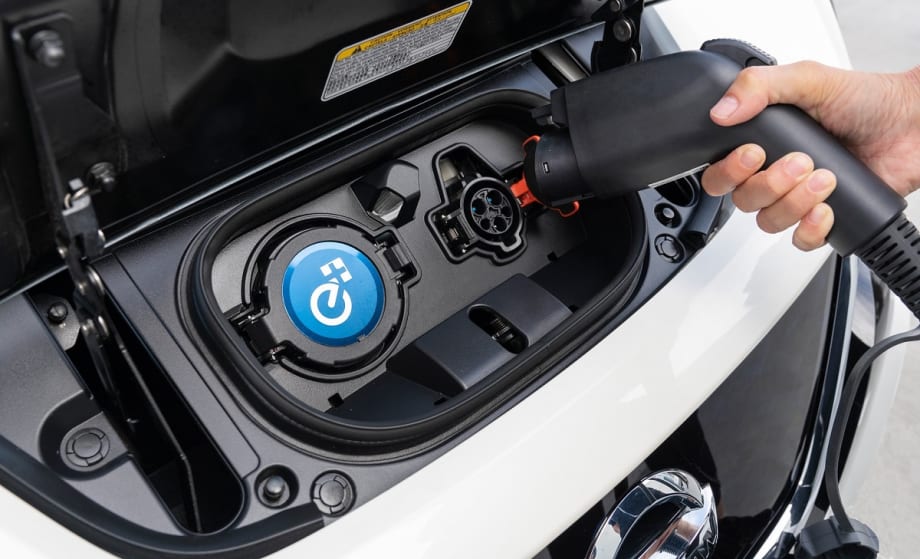
Photo via FirstEnergy Corp. on Flickr.
2 min to read
Corporate social responsibility is a key factor in motivating corporate sustainability programs. Fleet plays an important role in projecting good corporate citizenship.

[EMPTY CREDIT]
Clearly aligning a fleet policy with the corporate sustainability strategy is a requirement. Governmental regulations, employee and client perceptions of a company’s attitude toward the environment are sometimes driving fleets to move quicker than the budgets or fleet policies that are in place.
“Fleets must consider more eco-friendly vehicles when procuring new vehicles and incorporate reduced emissions and fuel consumption into the overall fleet strategy, but this requires alignment with policy and budget owners who may be less interested in sustainability,” said Sheri Hardesty, global fleet leader at Jones Lang LaSalle (JLL). “If your company provides workplace charging to attract and retain progressive employees or to enhance a company’s image or gain points toward LEED certification, the facilities team may be responsible for the installation of the stations, but ultimately the fleet manager will need to deal with challenges of utilization.”
Other additional factors still need to be addressed when implementing a fleet sustainability initiative, such as a unit’s total cost of ownership, employee reimbursement of electricity charges, and reduced cargo-carrying capacity.
“Unfortunately, the commercial vehicle product development cycle is lagging behind the light-duty sector, but progress is being made,” said Steven LaPorte, vice president, transportation & engineering at Iron Mountain Information Management Services, Inc. in Boston, Mass. “The challenges for the fleet manager are generally two-fold — calculating a TCO when you do not have a history of maintenance expense as a reference, and more importantly, have no residual value assumption to apply because of very limited and relatively illiquid secondary market.”

Steven LaPorte,
Iron Mountain
Information
Management Services
Due to the initial acquisition cost of many alt-fuel vehicles to either acquire new unit or retrofit an existing unit, it is necessary to receive financial incentives from the government to justify the lifecycle cost of these vehicles.
However, as has been shown over the past several decades, these incentives will fluctuate or may expire without being renewed.
“Currently, government subsidies are an absolute necessity to make financial sense when acquiring an alt-fuel vehicle, but these are administered at the state level, with each state enforcing their own individual requirements, processes, and agencies. For a national fleet, this quilt-work makes it exceptionally difficult to develop a coherent strategy when attempting to employ alt-fuel vehicles in multiple markets,” said LaPorte. “As an example, one of the more common requirements mandates the complete retirement of an older existing vehicle, meaning you have to drill the block, thus forfeiting residual fair market value (FMV) for that vehicle unless you have a very poor vehicle to sacrifice. This further adds to the administrative complexity and the TCO.”
Topics:Green Alternative SystemsGreen FleetsBattery-Electric VehiclesElectric VehiclesVehicle Research
Originally posted on Automotive Fleet
More Electric Vehicles
EV Charging Use Is Outpacing Infrastructure Growth
ChargePoint’s 2026 Charging Forward Report points to rising charger use, higher-powered charging, commercial vehicle electrification, and energy-management technology. Here’s what fleets should know.
Read More →
EV Realty Names Henrik Holland President as Charging Platform Expands
The former Prologis Mobility and Shell executive will help expand EV Realty’s truck charging business and move its power-first infrastructure model into autonomous vehicle depots and other fleet sectors.
Read More →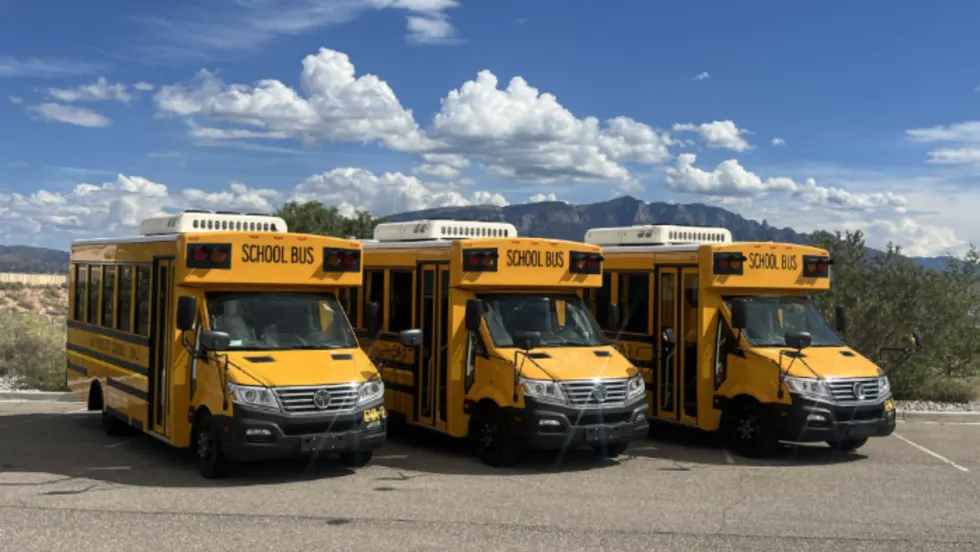
GreenPower Expands New Mexico EV Pilot With Larger Buses, V2G Testing
After logging more than 17,000 electric miles in the first year, New Mexico’s statewide pilot is moving into its second phase with larger vehicles, continued charging evaluations, and more.
Read More →
Can EV-as-a-Service Help Fleets Scale Electrification?
Sustainability Partners CEO Adam Cain explains how matching EVs, charging infrastructure, and duty cycles can help fleets scale electrification.
Read More →
How EV-as-a-Service Is Moving Fleets Beyond Pilots
Adam Cain, president and CEO of Sustainability Partners, explains how EV-as-a-service can help fleets scale deployments by addressing duty-cycle requirements and charging challenges.
Read More →
PowerFlex, The Mobility House Join Forces to Advance Fleet Electrification
Two EV charging providers are joining forces to deliver a broader portfolio of energy management and fleet electrification solutions.
Read More →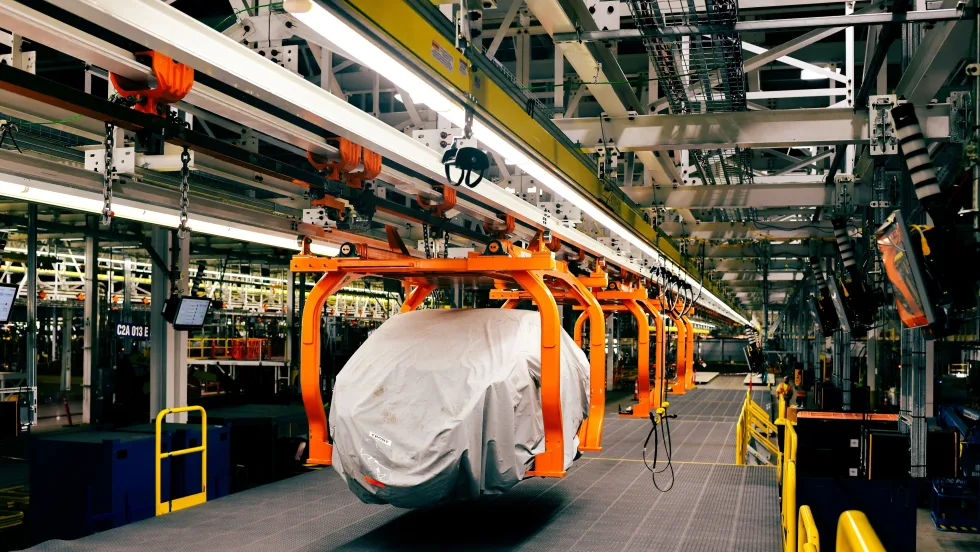
Ford Retools Louisville Plant for Fathom Electric Truck Production
Ford's $2 billion Louisville Assembly Plant overhaul introduces a three-part assembly process for the Fathom midsize electric truck, with production scheduled to begin in 2027.
Read More →
Merchants Fleet Reports 290M EV Miles as Fleets Navigate Changing Electrification Market
From millions in operating savings to hundreds of millions of EV miles, Merchants Fleet’s latest report reveals what’s working and what’s changing in fleet electrification.
Read More →
California District Commits to Electrify 25% of School Bus Fleet by 2028
One of the nation's largest school bus electrification projects to date demonstrates how grants, charging infrastructure, and public-private partnerships can help fleets transition to EVs at scale.
Read More →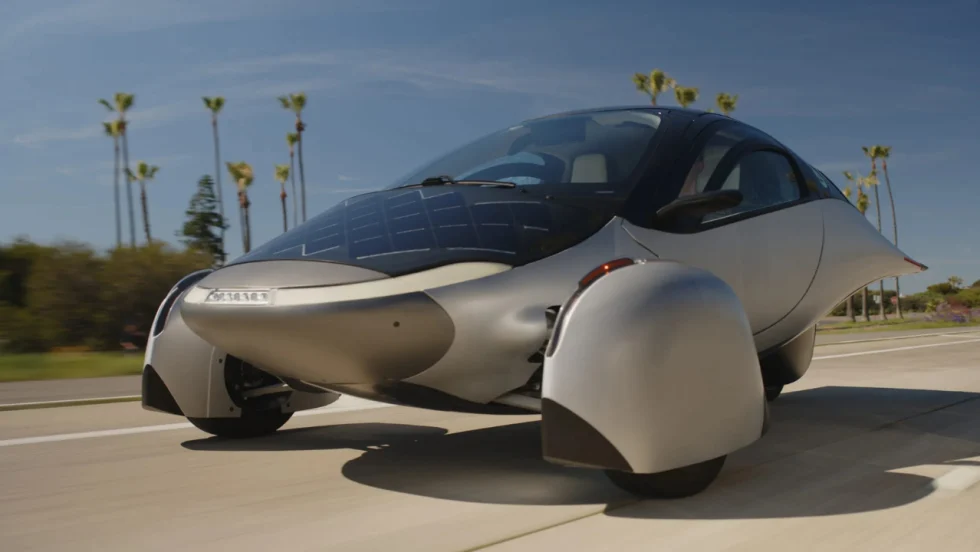
Aptera Orders Bodies and Chassis for Its First 40 Production Vehicles
Aptera Motors Corp. has issued purchase orders for the major structural components of its first 40 vehicles, and body and chassis components are expected to begin arriving in October.
Read More →