


Technical Data
Range: 100 miles +
Battery: 77 kWh Lithium Ion
Payload volume: 703 cu.-ft.
Payload weight: 5,622 lb.
Gross Vehicle Weight Rating: 4.8 tons
Dimensions: 21.6 (l) x 8.86 (h) x 6.56 (w) ft.

The van introduces new technology to Class 3 medium-duty trucks, including a heat pump‐based thermal management system and steer‐by‐wire capability.

The van introduces new technology to Class 3 medium-duty trucks, including a heat pump‐based thermal management system and steer‐by‐wire capability.
Photo: CityFreighter
CityFreighter unveiled a ‘beta version’ of its CF1 fully electric box van. The CF1 combines the space benefits of a truck with the maneuverability of a van. It is specifically designed for last‐mile deliveries.
The beta version CF1 is an early production‐ready model for customer testing. As well as zero emissions, it introduces new technology to Class 3 medium-duty trucks, including a heat pump‐based thermal management system and steer‐by‐wire capability. CityFreighter has also focused on weight reduction, recyclability, and ease of use for drivers.
“Its 703 cu.-ft. expandable payload volume is around 176.5 cu.-ft. more than typical cargo vans,” said CityFreighter President Michael Schoening.
With CF1, CityFreighter has employed another brand hallmark: the modular design concept. This enables maximum cargo space flexibility while the driver’s cabin can be customized as well. The beta version has been designed for package delivery and features a walk‐through with easy‐in/easy‐out access for maximum driver convenience.
Using a heat pump for thermal management takes load from the battery to help increase driving range. The heat pump operates the heating, ventilation, and air conditioning (HVAC) system and regulates battery and inverter temperatures. It can even be used to cool the cargo area for fresh food deliveries.
The customizable cargo box is made from recyclable composite materials and weighs less than 662 lbs. The driver operates the vehicle’s features from a 15.6‐inch TFT touchscreen which also offers fleet management and third‐party integration. Other standard features will include over‐the‐air upgrade capability, 360‐degree cameras, and an intelligent keyless‐go system.
CityFreighter will start production of CF1 at the end of 2022. It will be aimed at the US and EU markets first with a target price of less than $60,000 for the standard version. CityFreighter is currently taking pre‐orders for 2023 and 2024.
Originally posted on Work Truck Online

Two EV charging providers are joining forces to deliver a broader portfolio of energy management and fleet electrification solutions.
Read More →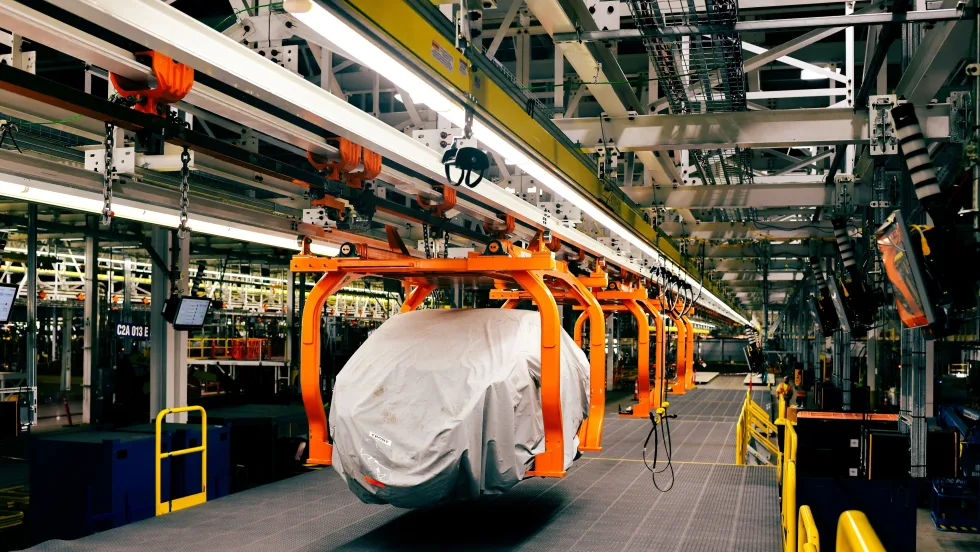
Ford's $2 billion Louisville Assembly Plant overhaul introduces a three-part assembly process for the Fathom midsize electric truck, with production scheduled to begin in 2027.
Read More →
From millions in operating savings to hundreds of millions of EV miles, Merchants Fleet’s latest report reveals what’s working and what’s changing in fleet electrification.
Read More →
One of the nation's largest school bus electrification projects to date demonstrates how grants, charging infrastructure, and public-private partnerships can help fleets transition to EVs at scale.
Read More →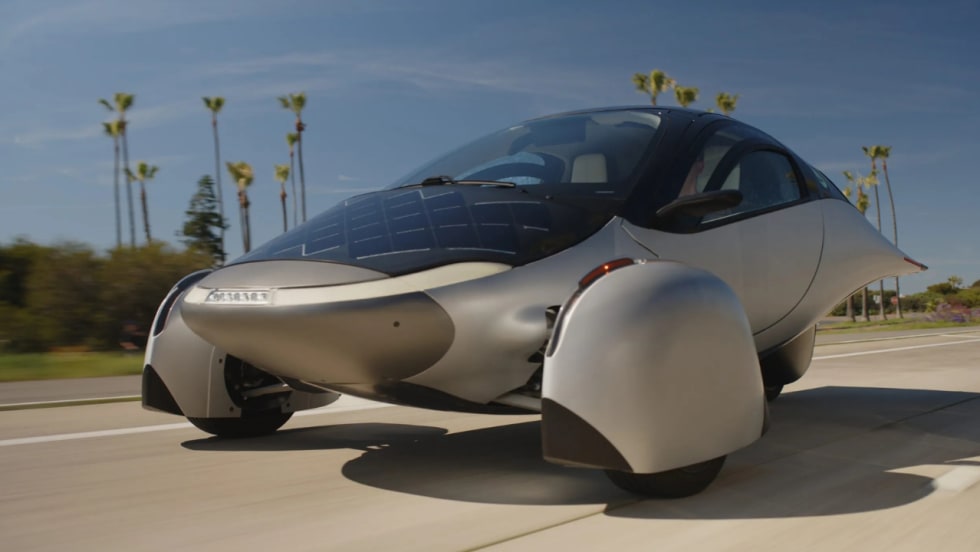
Aptera Motors Corp. has issued purchase orders for the major structural components of its first 40 vehicles, and body and chassis components are expected to begin arriving in October.
Read More →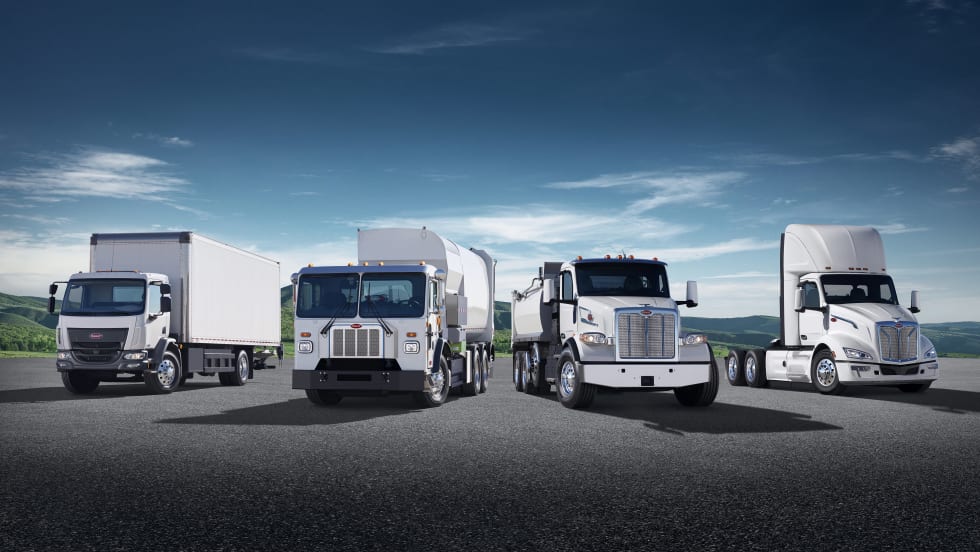
The cooperative purchasing contract, now extended through July 2028, adds Peterbilt's battery-electric lineup for eligible government, education, nonprofit and tribal organizations.
Read More →
The logistics company donated two 75-kW DC fast chargers to CCAC to support electric vehicle education and workforce training programs.
Read More →
That instant rebate is the centerpiece of a broader $600 million package Governor Newsom signed into law, keeping California active in the global clean transportation race.
Read More →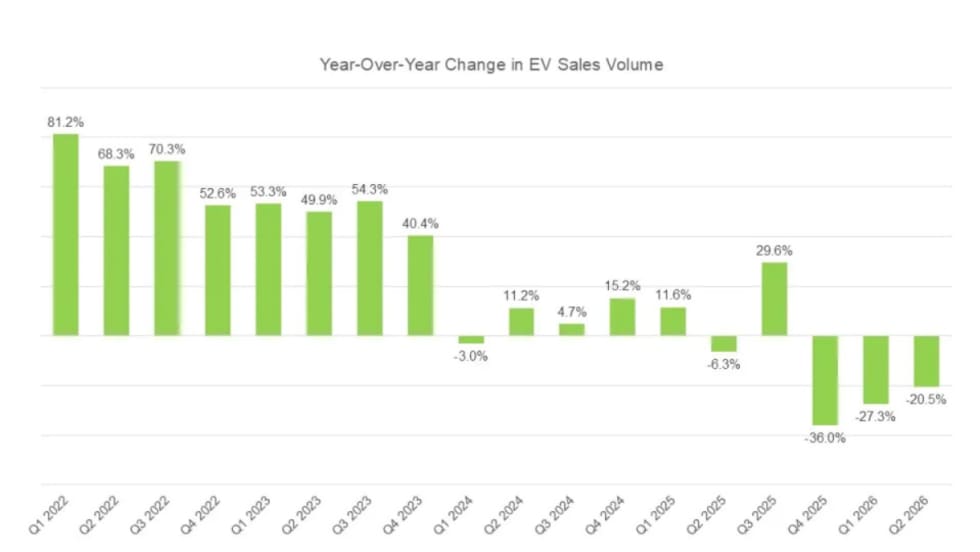
But more credit goes to hybrids than to all-electric vehicles, as more buyers look for fuel-efficient alternatives amid high gas prices.
Read More →
The commercial EV fleet company recommends some faster and more flexible remedies to relieve the anticipated shortfall.
Read More →