



Learn More: Lightning eMotors Expands to meet Commercial EV Demand
California City Deploys 12 All-Electric Microtransit Vans
The 12 vehicles, all Class 3 Lightning Electric Transit Vans, were developed by Lightning eMotors.
January 28, 2021
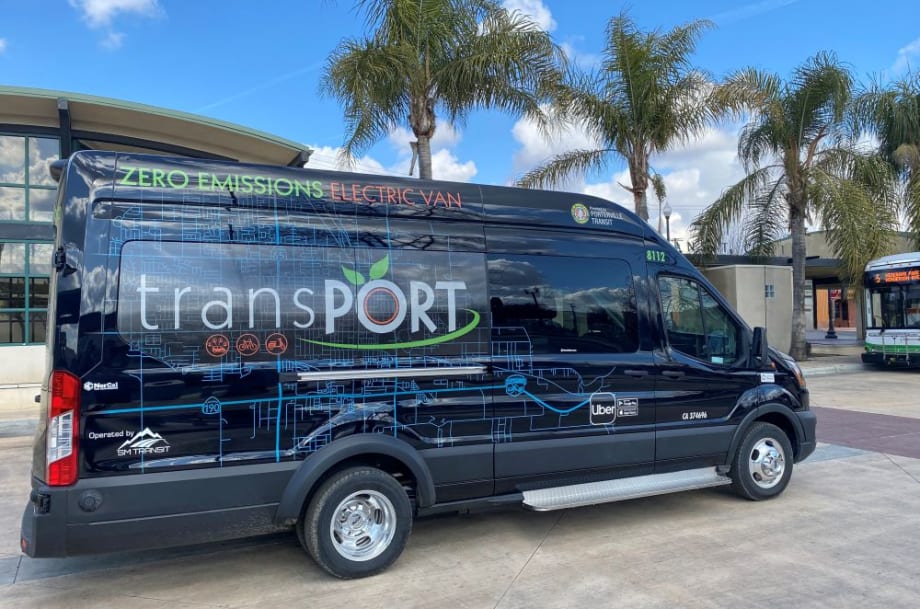
The electric vans will replace transit buses on routes with low ridership, allowing residents to use an app to get on-demand, curb-to-curb service.
Photo: Lightning eMotors
3 min to read
With a focus on its mission of sustainability for its residents, the City of Porterville, Calif., is putting 12 zero-emission microtransit vans from Lightning eMotors into service.
The city’s new all-electric passenger vans will be used for transporting residents around the community, such as from home to work and for shopping and other services. The electric vans will replace transit buses on routes with low ridership, allowing residents to use an app to get on-demand, curb-to-curb service.
“We look forward to serving our residents with quiet, zero-emission passenger vans,” said City of Porterville Transit Administrator Richard Tree. “Air quality is top of mind in Porterville and throughout California. Our choice of battery-electric vehicles aligns with our mission of improving air quality and reducing our carbon footprint, while lowering costs at the same time.”
The 12 vehicles, all Class 3 Lightning Electric Transit Vans, were developed by Lightning eMotors, a manufacturer of commercial electric vehicles for fleets based in Loveland, Colo. The vans are built on Ford Transit 350 HD chassis and are upfitted by NorCal Vans/Driverge of Chico, Calif. to meet ADA requirements with support for wheelchair lifts and other customizations.
Porterville configured their zero-emission Lightning Electric Transit Van with seats for seven passengers and a wheelchair securement area. They have 86 kilowatt-hours of battery capacity with a range of 120 miles. The vans can be charged in just over an hour by a 50-kW DC fast charger.
Fully owned by the City of Porterville, the new vans were partially funded with special funding from the California Air Resources Board (CARB) Hybrid and Zero Emission Truck and Bus Voucher Incentive Project (HVIP). The voucher program reduces the upfront cost of advanced zero-emission fleet vehicles and requires manufacturers to have CARB and HVIP certification to participate.
The City of Porterville offers its on-demand curb-to-curb, ride-hailing service for only $3 to its residents. The new electric vans will be a part of that service beginning in May.
“Our Lightning Electric Transit 350HD passenger van is ideally suited to the emerging micro-transit model,” said Tim Reeser, chief executive officer of Lightning eMotors. “Our vehicles are produced in a modular configuration to support features such as wheelchair lifts, aftermarket HVAC systems, and third-party seating configurations. The combination of performance and range, as well as the quiet and smooth passenger experience that comes from riding in a battery-electric vehicle, all contribute to making it a great choice for door-to-door transit.”
Unlike scheduled transit buses, on-demand routes are not consistent. “This makes it critical to know each vehicle’s location and state of battery charge at all times,” Reeser said. “With that in mind, the City of Porterville’s new electric vans have telematics software that provide drivers real-time range, diagnostics, and efficiency data. We integrated the telematics software that the city is using from ViriCiti with Lightning Analytics, our cloud-based analytics system that provides predictive maintenance, route scoring, range analysis, driver behavior, and geofencing for maximum range and efficiency.”
Originally posted on Work Truck Online
More Electric Vehicles
EV Charging Use Is Outpacing Infrastructure Growth
ChargePoint’s 2026 Charging Forward Report points to rising charger use, higher-powered charging, commercial vehicle electrification, and energy-management technology. Here’s what fleets should know.
Read More →
EV Realty Names Henrik Holland President as Charging Platform Expands
The former Prologis Mobility and Shell executive will help expand EV Realty’s truck charging business and move its power-first infrastructure model into autonomous vehicle depots and other fleet sectors.
Read More →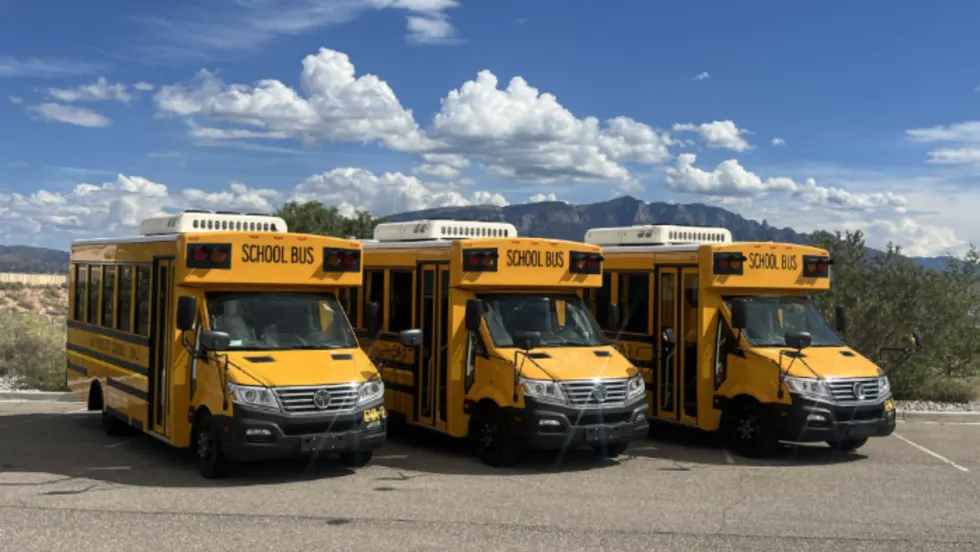
GreenPower Expands New Mexico EV Pilot With Larger Buses, V2G Testing
After logging more than 17,000 electric miles in the first year, New Mexico’s statewide pilot is moving into its second phase with larger vehicles, continued charging evaluations, and more.
Read More →
Can EV-as-a-Service Help Fleets Scale Electrification?
Sustainability Partners CEO Adam Cain explains how matching EVs, charging infrastructure, and duty cycles can help fleets scale electrification.
Read More →
How EV-as-a-Service Is Moving Fleets Beyond Pilots
Adam Cain, president and CEO of Sustainability Partners, explains how EV-as-a-service can help fleets scale deployments by addressing duty-cycle requirements and charging challenges.
Read More →
PowerFlex, The Mobility House Join Forces to Advance Fleet Electrification
Two EV charging providers are joining forces to deliver a broader portfolio of energy management and fleet electrification solutions.
Read More →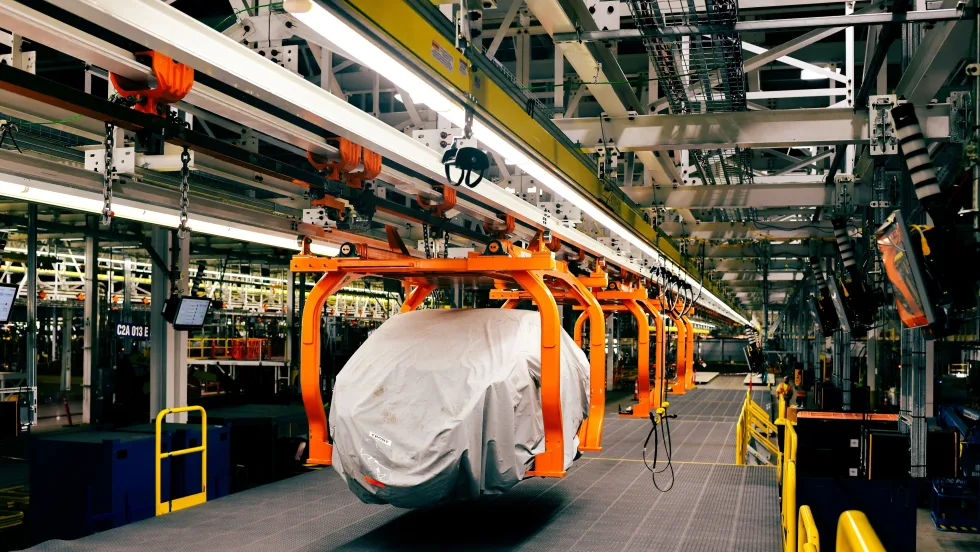
Ford Retools Louisville Plant for Fathom Electric Truck Production
Ford's $2 billion Louisville Assembly Plant overhaul introduces a three-part assembly process for the Fathom midsize electric truck, with production scheduled to begin in 2027.
Read More →
Merchants Fleet Reports 290M EV Miles as Fleets Navigate Changing Electrification Market
From millions in operating savings to hundreds of millions of EV miles, Merchants Fleet’s latest report reveals what’s working and what’s changing in fleet electrification.
Read More →
California District Commits to Electrify 25% of School Bus Fleet by 2028
One of the nation's largest school bus electrification projects to date demonstrates how grants, charging infrastructure, and public-private partnerships can help fleets transition to EVs at scale.
Read More →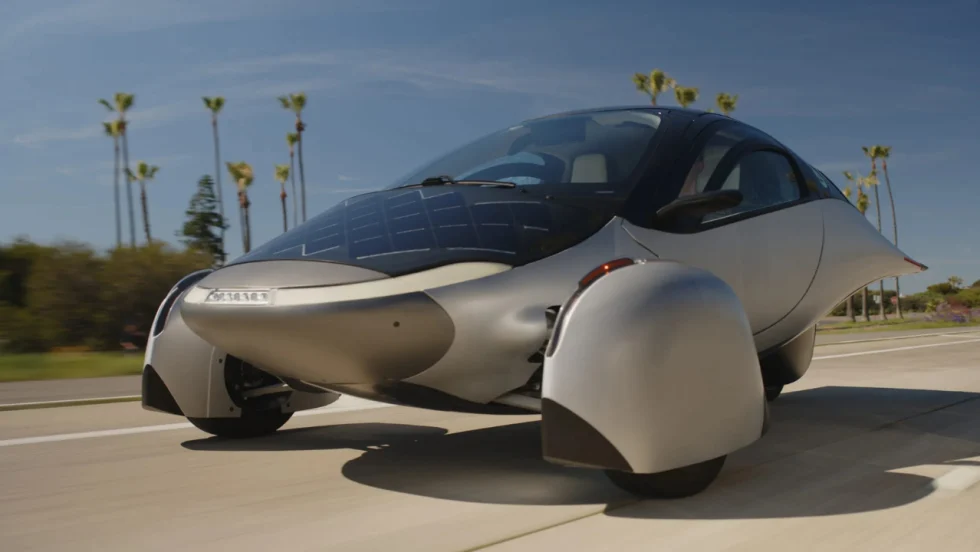
Aptera Orders Bodies and Chassis for Its First 40 Production Vehicles
Aptera Motors Corp. has issued purchase orders for the major structural components of its first 40 vehicles, and body and chassis components are expected to begin arriving in October.
Read More →