


Big Changes Ahead for Used-Vehicle Transport
Analysis: When it comes to transporting electric vehicles, there are questions on all sides about weight, safety, and hauling.
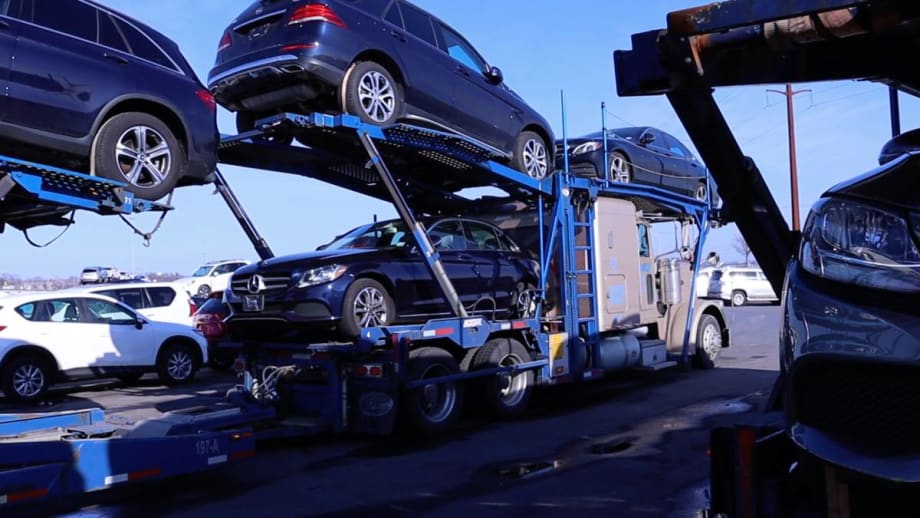
Car buyers today are demanding a more digital experience, including the expectation that the vehicle will show up like any other package: in their driveway.
Photo: Manheim
After years of steady state in vehicle logistics, the sector is now evolving at light speed. And while this increased pace means new challenges for shippers, carriers and brokers, the good news is that technology-driven solutions are advancing just as rapidly.
I recently had the chance to speak about these trends during the Q1 Manheim Used Vehicle Value Index call, focusing on two of the biggest changes we see for logistics in the near future: how consumer expectations are shaping the future of vehicle transport, and how dramatically EVs will impact the way vehicles are moved. Each represents a turning point — and a landmark opportunity.
And how do we know? Because Cox Automotive touches more vehicle moves than anyone. Our Central Dispatch brand, which hosts the largest logistics marketplace used by 31,000 subscribers, helped move more than 13 million vehicles in 2023. That same year, our white glove service transportation service, Ready Logistics, moved an additional 1.2 million vehicles. That’s over 14 million vehicle moves last year alone, giving us an unmatched understanding of what’s going on in the vehicle transport space.
Transporting Vehicles in the Digital Age
B2B transport has been — and will remain — vital in vehicle logistics. Dealers had their big push to digital during the pandemic years, when the percentage of digital purchases in wholesale jumped from around half pre-pandemic to nearly two-thirds today.
Today, Simulcast buyers purchase vehicles from over 350 miles away from their dealerships on average. That’s a long way away and a key indicator that B2B transport is here to stay.
However, there’s a new trend emerging — and it is what you have become accustomed to on Amazon.
The consumer retail experience has been forever changed by ecommerce. Expectations for digital buying experiences are high — and they’re changing the way vehicles are moved.
Car buyers today are demanding a more digital experience, including the expectation that the vehicle will show up like any other package: in their driveway. But vehicles aren’t packages, and that kind of transport brings with it a need for speed (hours vs. days), information sharing (real-time tracking), and more detailed reporting that hasn’t yet been required for B2B transport. At Cox Automotive, we are working to deliver on each of those.
Moving Electric Vehicles Gets More Complex
You can’t talk about the future of automotive without mentioning EVs. Used EV sales at Manheim grew to almost 18,000 units last quarter, up 86% year over year, according to data shared in the latest Manheim Used Vehicle Value Index call. We’ve seen more makes and models enter the market, and we expect that to continue. That’s why brands across Cox Automotive — including our Logistics brands — have been investing in and preparing for a more electric future.
When it comes to transporting EVs, there are questions on all sides.
There’s the policy side: how much of a charge should an EV have before being loaded onto a carrier?
Who should be responsible for that?
Then there’s the practical side: EVs weigh significantly more than ICE vehicles. How will that impact load building and routing?
And how will the push toward electrification of heavy trucks, like carriers, affect vehicle logistics?
Certainly, how far, or not, car haulers can travel between charges will add up quickly. At a minimum, planning and optimization tools for routes and loads will be paramount to solving some of these challenges, especially in a market that has struggled recently with carrier capacity.
Technology Is Key
At Cox Automotive, we firmly believe that technology is the key to meeting this transformative moment in the industry — for consumers, EVs, and beyond. That’s why we committed over $100 milloion to transform Central Dispatch from a matchmaking service into a logistics marketplace driving our clients’ businesses.
We’re delivering more integrated capabilities to forge stronger connections between shippers, brokers, and carriers to help them increase efficiency, fuel trust, and improve transparency. And we’re leaning into data and insights to optimize pricing, improve delivery speed, and help them generate more profitability.
Joe Kichler is vice president of Logistics at Cox Automotive.
Originally posted on Automotive Fleet
More Operations
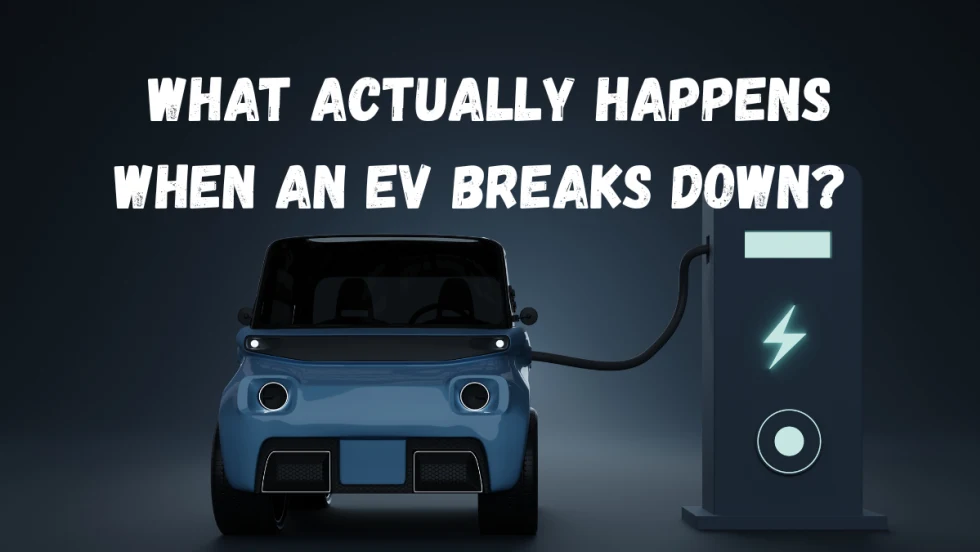
The EV Breakdown Nobody's Talking About: Why Most Electric Vehicle Roadside Calls Aren't Mechanical Failures
Here's why EV breakdowns are widely misunderstood.
Read More →
Xos White Paper Asserts LA Olympics Will Lack Enough EV Chargers
The commercial EV fleet company recommends some faster and more flexible remedies to relieve the anticipated shortfall.
Read More →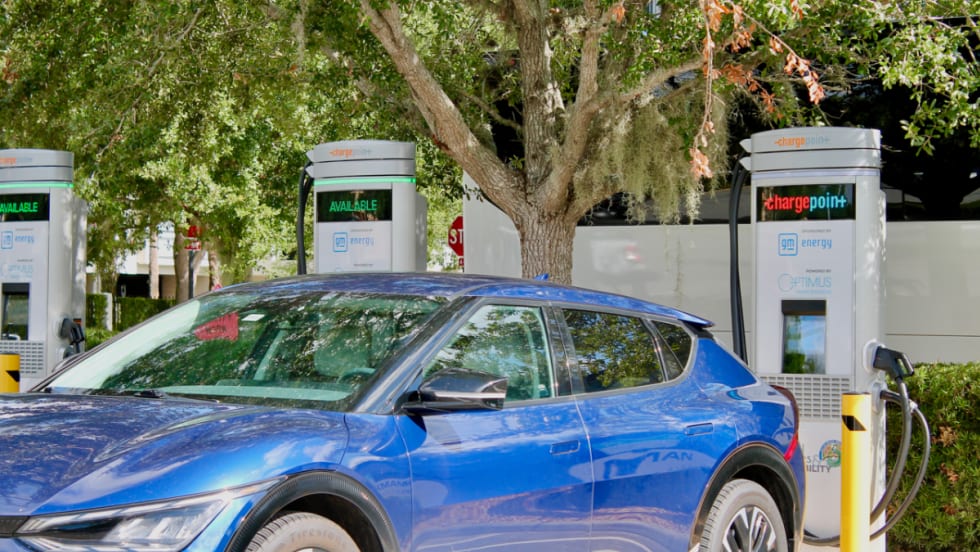
ChargePoint, Optimus Expand Fast-Charging Network Across Southeastern U.S.
ChargePoint will serve as the exclusive solutions provider, delivering hardware, software, and services to support Optimus’ growing charging network.
Read More →
Running A Profitable Electric Rental Fleet
How do you successfully operate an all-electric rental car fleet? Whether you manage a rental fleet or another commercial fleet, this conversation offers practical lessons on deploying, operating, and scaling electric vehicles.
Read More →
Registration Opens for 2026 Fleet Forward Conference
Held on the East Coast for the first time, the Washington, D.C.-area event features expert-led education, a new IIHS Crash Test Experience, and collocation with the NAFA’s Fleet Safety Symposium.
Read More →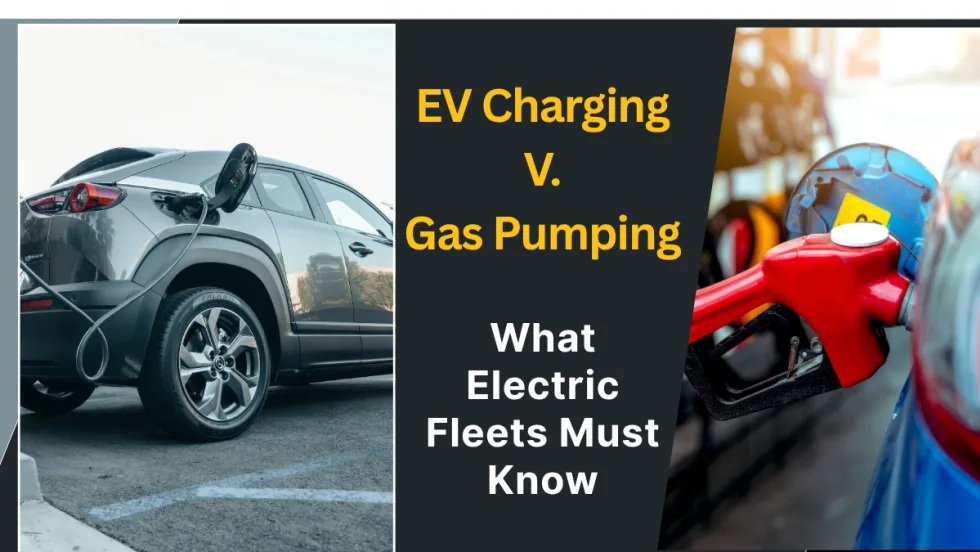
Why Charging May Never Be As Easy As Filling Up Gas
A seamless charge depends on a string of independent companies getting it right together, every time. How can electric fleets navigate the challenges to create a successful charging plan?
Read More →
Slate Debuts Colorful, Unique EV Models
A recent media and client event, studded with electric vehicles dressed up on platforms, planted a new position for the manufacturer in the wider EV market. Fleets will find cost-saving advantages.
Read More →
Slate Electric SUV, Pickup Switchable Model Aims For Light-Duty Fleets
Everything about this EV is counterintuitive and understated, making it stand out from the crowd.
Read More →
Polestar Barred from U.S. Market Under Connected Vehicle Rule
The automaker loses its authorization to sell new vehicles in the U.S., starting with the 2027 model year. Polestar owners will retain access to the brand's service network.
Read More →
Uber, Nuro and Lucid Plan Houston Robotaxi Service in 2027
The tripartite venture brings out the combined advantages of electric vehicles, mobility, and autonomy into ground transportation.
Read More →