



Read More: How to Calculate EV vs. ICE Vehicle Cost Per Mile
Are EVs or ICE Vehicles More Energy Efficient?
A Yale study analyzes how energy is converted to powering the drivetrains of both electric and gas-powered vehicles, and how much energy is lost in each process.
January 3, 2023
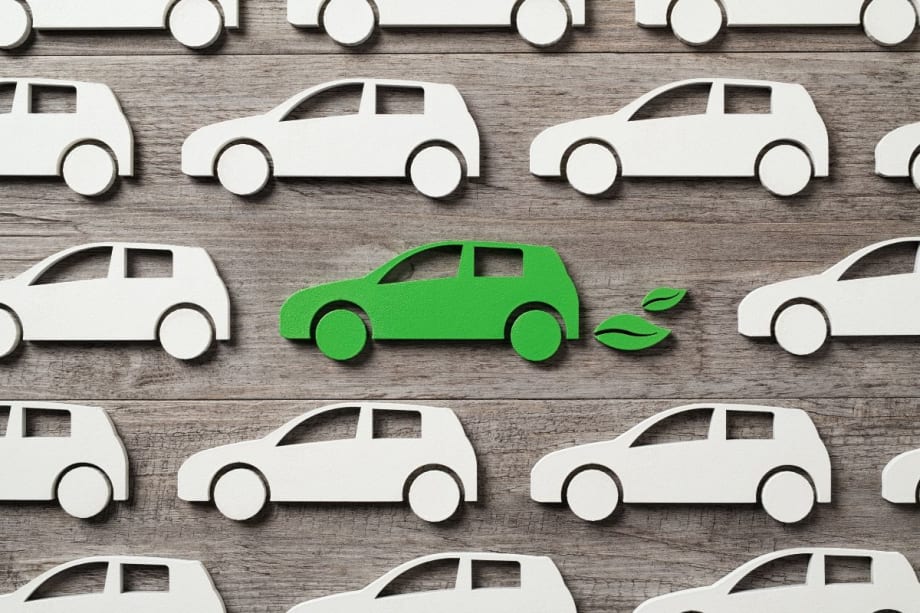
Gas-powered vehicles consume about 80% of the energy in their fuel, while EVs lose only around 11% of the original energy.
Photo: Canva
2 min to read
A Yale Climate Connections report says internal combustion engine (ICE) vehicles are “fundamentally inefficient,” primarily due to the vast amount of original energy that is wasted in gas-powered vehicles.
For every $5 gallon of gasoline, only $1 of it is used to move an ICE vehicle along the road. However, the cost of charging an EV is equivalent to $1.41 per gallon in the U.S., making it cheaper to operate than an ICE vehicle.
Gas-powered vehicles waste about 80% of the energy in their fuel. Most of the energy is consumed by the heat produced in the engine. Other energy inefficiencies stem from pumps and fans cooling the engine, mechanical friction within the transmission and drivetrain, and auxiliary electrical components such as heated seats, lights, and audio system. Only about 20% of the original energy ends up going to the wheels.
Gas-Powered Vehicle Energy Loss from 100% of Original Fuel
75-84% of original energy is lost
68-72% engine losses
4-6% parasitic losses
3-5% drivetrain losses
0-2% auxiliary electricity use
By contrast, energy enters the EV as electricity, which powers the drivetrain. Since EVs do not need to convert one form of energy to another, it is more energy efficient than ICE vehicles. But EVs are not completely efficient, since roughly 11% of the energy is lost. Energy loss is due to the recharging of the battery, and electricity used for cooling and power steering, as well as drivetrain and auxiliary components. About 87-91% of the original energy ultimately goes to the wheels.
Electric Vehicle Energy Loss from 100% of Original Fuel
31-35% of original energy is lost, but 22% is returned through regenerative braking
10% charging loss
18% drivetrain losses
3% power train cooling and steering
0-4% auxiliary electricity use
Originally posted on Automotive Fleet
More Electric Vehicles
EV Charging Use Is Outpacing Infrastructure Growth
ChargePoint’s 2026 Charging Forward Report points to rising charger use, higher-powered charging, commercial vehicle electrification, and energy-management technology. Here’s what fleets should know.
Read More →
EV Realty Names Henrik Holland President as Charging Platform Expands
The former Prologis Mobility and Shell executive will help expand EV Realty’s truck charging business and move its power-first infrastructure model into autonomous vehicle depots and other fleet sectors.
Read More →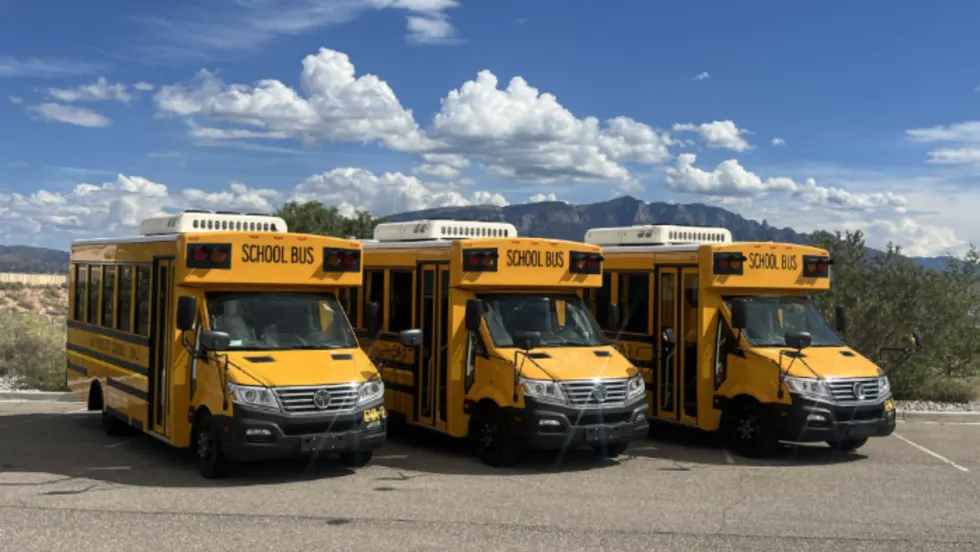
GreenPower Expands New Mexico EV Pilot With Larger Buses, V2G Testing
After logging more than 17,000 electric miles in the first year, New Mexico’s statewide pilot is moving into its second phase with larger vehicles, continued charging evaluations, and more.
Read More →
Can EV-as-a-Service Help Fleets Scale Electrification?
Sustainability Partners CEO Adam Cain explains how matching EVs, charging infrastructure, and duty cycles can help fleets scale electrification.
Read More →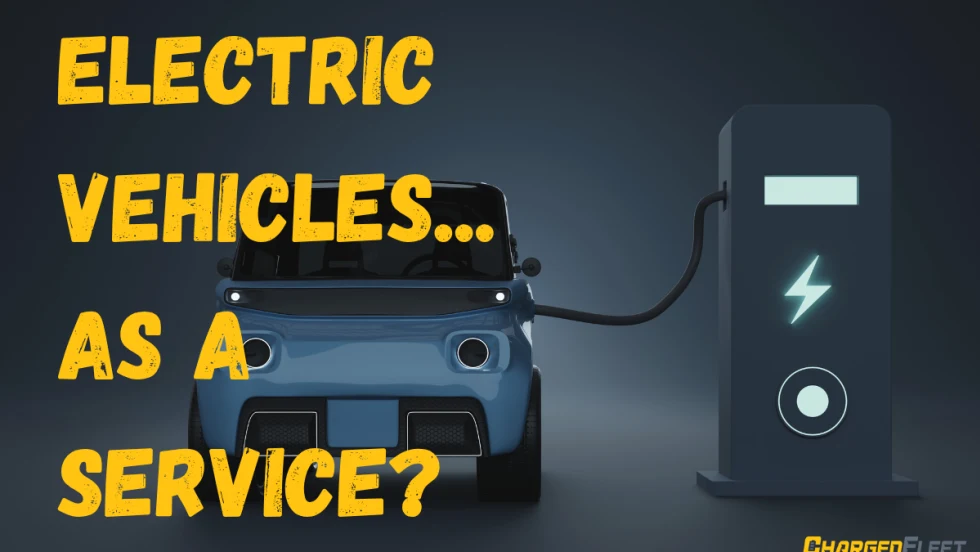
How EV-as-a-Service Is Moving Fleets Beyond Pilots
Adam Cain, president and CEO of Sustainability Partners, explains how EV-as-a-service can help fleets scale deployments by addressing duty-cycle requirements and charging challenges.
Read More →
PowerFlex, The Mobility House Join Forces to Advance Fleet Electrification
Two EV charging providers are joining forces to deliver a broader portfolio of energy management and fleet electrification solutions.
Read More →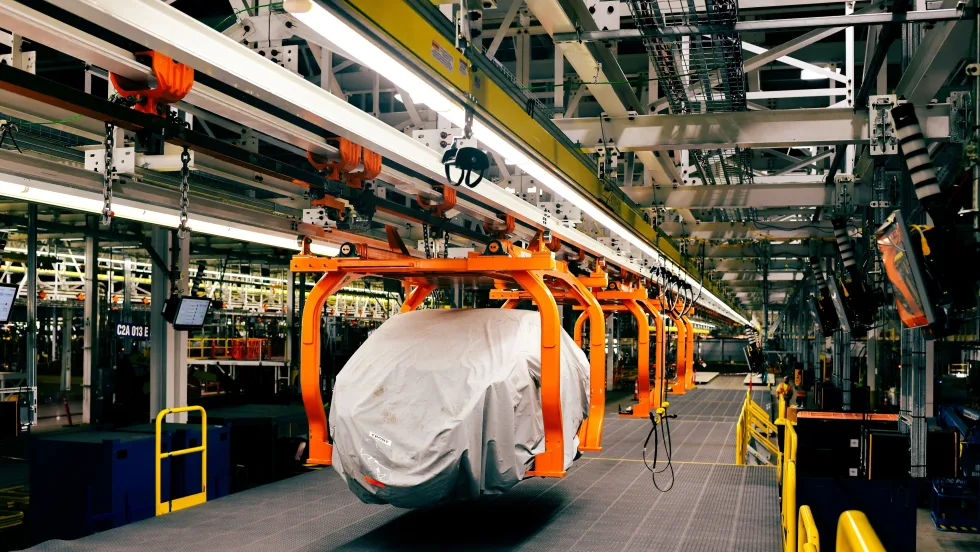
Ford Retools Louisville Plant for Fathom Electric Truck Production
Ford's $2 billion Louisville Assembly Plant overhaul introduces a three-part assembly process for the Fathom midsize electric truck, with production scheduled to begin in 2027.
Read More →
Merchants Fleet Reports 290M EV Miles as Fleets Navigate Changing Electrification Market
From millions in operating savings to hundreds of millions of EV miles, Merchants Fleet’s latest report reveals what’s working and what’s changing in fleet electrification.
Read More →
California District Commits to Electrify 25% of School Bus Fleet by 2028
One of the nation's largest school bus electrification projects to date demonstrates how grants, charging infrastructure, and public-private partnerships can help fleets transition to EVs at scale.
Read More →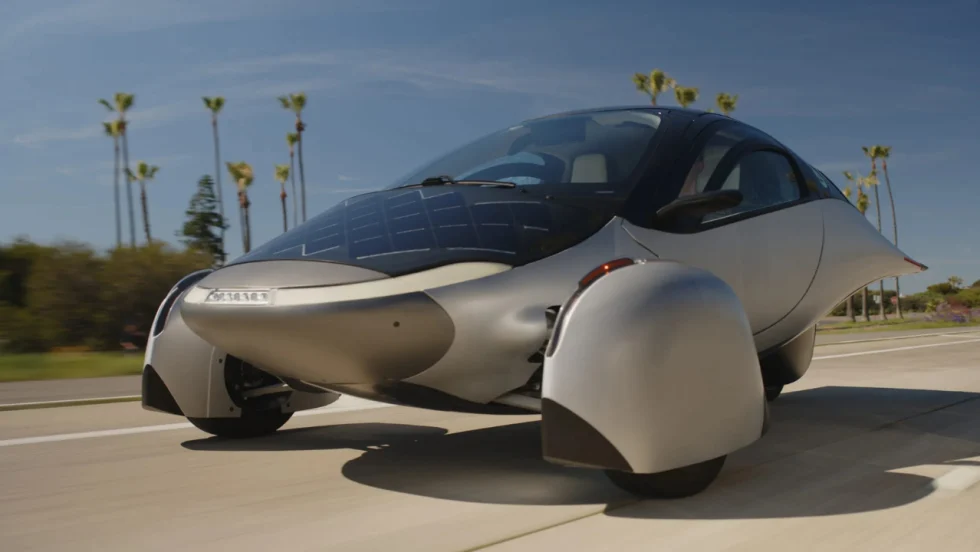
Aptera Orders Bodies and Chassis for Its First 40 Production Vehicles
Aptera Motors Corp. has issued purchase orders for the major structural components of its first 40 vehicles, and body and chassis components are expected to begin arriving in October.
Read More →