


Weighing the Options Before Procuring Hybrids
For fleets that do more driving in city areas, hybrid vehicles could be the alternative-fuel option to choose: however, do the research and weigh the options to ensure the vehicles are the right fit.

Photo via istock.com

Photo via istock.com
On paper, hybrid cars seem to make a lot of sense for today’s fleets. They use less fuel — a major expense for all fleets — and are popular with customers because they are eco-friendly. Yet, they represent a sizeable investment for fleets. Before you jump on the hybrid bandwagon, take some time to weigh the pros and cons and make the decision that is best for the company.
How Hybrids Benefit Fleets
According to www.Phys.org, hybrid vehicles are the most gasoline-efficient cars of those that use a traditional fuel. A typical hybrid has an EPA rating of between 48 and 60 mpg. Saving fuel is always a good idea, especially for fleets that spend thousands of dollars every month on it.
Yet, fuel efficiency is just one benefit. In low-speed, city driving situations, hybrids produce few if any, emissions. In average driving conditions, a hybrid will cut emissions by 25 to 35 percent.
Maintenance costs on many hybrid vehicles are also lower, because the engine’s components are not as stressed as in a traditional engine — so, while maintenance is more expensive per job, it is far less frequent.
Having a hybrid or two in the company’s fleet can improve its image to eco-conscious customers and the public at large. Customers who are committed to the environment will often support businesses that also show that commitment.
Drawbacks of Hybrid Vehicles
Before adding a hybrid to the company’s fleet, you must count the cost. Yes, hybrids have excellent fuel efficiency, but it may not be as good as you think. Compare a compact hybrid vehicle with a similar sized, similarly equipped gasoline-powered vehicle, and the fuel savings is only about 20 to 35 percent.
The good news is hybrid vehicle prices are dropping. In 2012, the cost for a hybrid car was not much higher than that for a similar gasoline-powered car. Also, the government is behind the idea of making the switch to hybrid vehicles, and tax incentives of up to $7,500 per vehicle are available to today’s fleets.
Finally, hybrids are best designed for small trips or city driving, when they rely more heavily on the battery than the gasoline motor. For fleets that regularly take long trips, a hybrid may not save much fuel, so it may not be a good fit. For those that drive around the city, it is a cost-effective, energy-efficient vehicle.
So, is a hybrid right for your company’s fleet? The answer depends on the company’s energy goals, the fleet’s drivers’ driving habits, and the fleet’s budget. For some fleets, hybrids are a cost-effective way to go green. Weigh the pros and cons, and then make the decision that best fits the fleet and the company’s needs.
Robert Hall is the president of Track Your Truck, a provider of vehicle tracking systems for small- to mid-sized business fleets. For more information, go to www.trackyourtruck.com.
Originally posted on Automotive Fleet
More Legal/Legislative

California Governor Approves Instant ZEV Rebates For First-Time Buyers
That instant rebate is the centerpiece of a broader $600 million package Governor Newsom signed into law, keeping California active in the global clean transportation race.
Read More →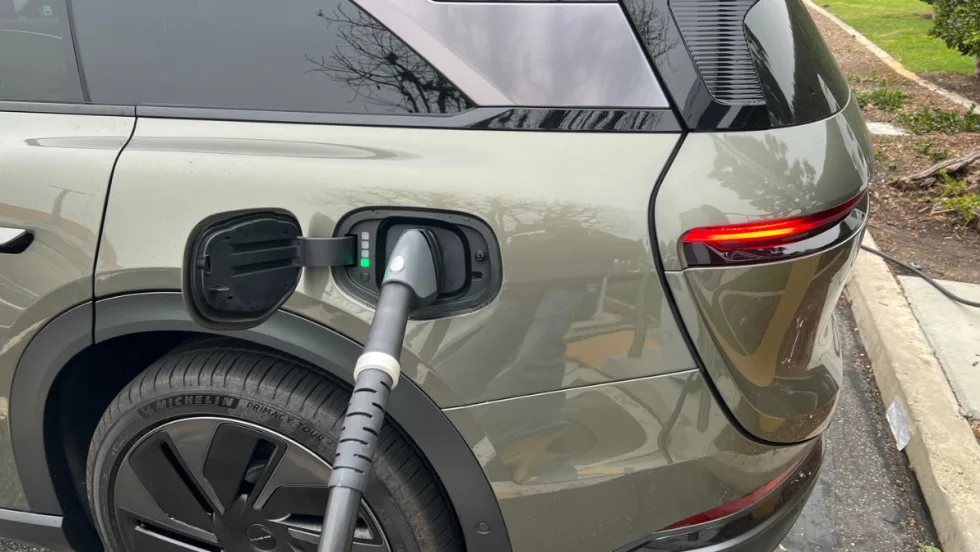
Used EVs Set Wholesale Sales Record In Q1
Rising gas prices may have boosted demand last month, as dealers pursued potential opportunities with more affordable used EVs.
Read More →
OEMS Expose Overdue EV Truths
Recent announcements from two automakers underscore a significant shift in the electric vehicle market, driven by EV losses and changing strategies. [VIDEO}
Read More →
The Freedom Era For Electric Vehicles
Season 2 Episode 1 of The Off-Peak premieres as the electric vehicle market no longer benefits from federal tax credits that expired at the end of Q3 2024. What does this mean for the future appeal of EVs?
Read More →
New Research Shows Renewed Potential And Tolerance For EVs
A new EV consumer survey finds partisan resistance is easing, but concerns around cost, incentives, and charging access still shape buyer interest.
Read More →
2025 Generated Big Headlines In The EV World
The EV industry entered a new more nuanced phase defined by realities and practical outcomes after a few years of grand visions, media hype, and bold investments.
Read More →
John Boesel Recognized at 2025 Fleet Forward Conference
Bobit recognized John Boesel, CEO of Calstart, who is retiring after over three decades of service.
Read More →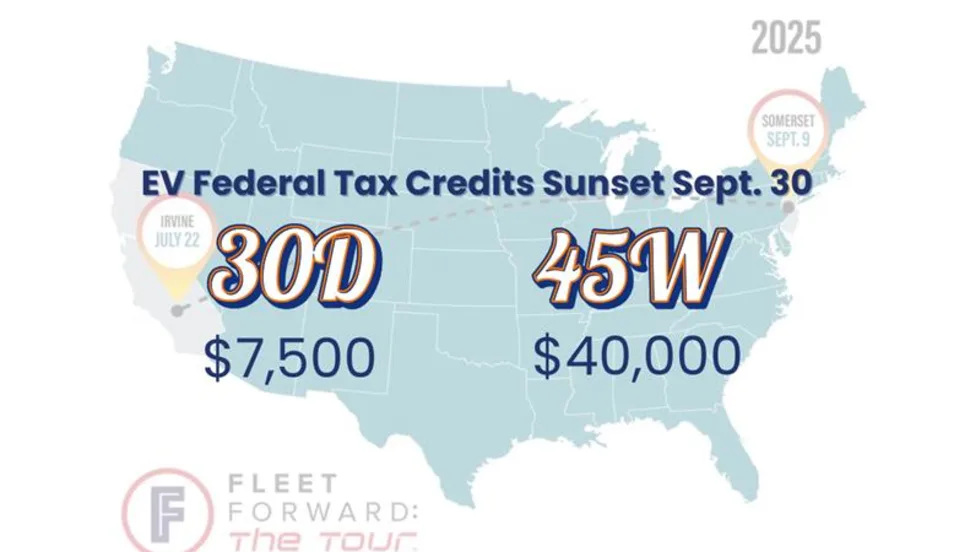
Final Push for Federal EV Incentives Highlighted at Fleet Forward Tour NJ Stop
Fleet managers in the Northeast will have a timely opportunity to take action on electric vehicle purchases at the upcoming Fleet Forward Tour stop in Somerset, NJ, on Sept. 9.
Read More →
Latest Hard Realities, Top Pressures For Electric Fleets
Speakers and experts at Fleet Forward: The Tour shared hands-on, hard-won insights on how fleet operations are handling tariffs, EV charging, rules and regs, and safety issues.
Read More →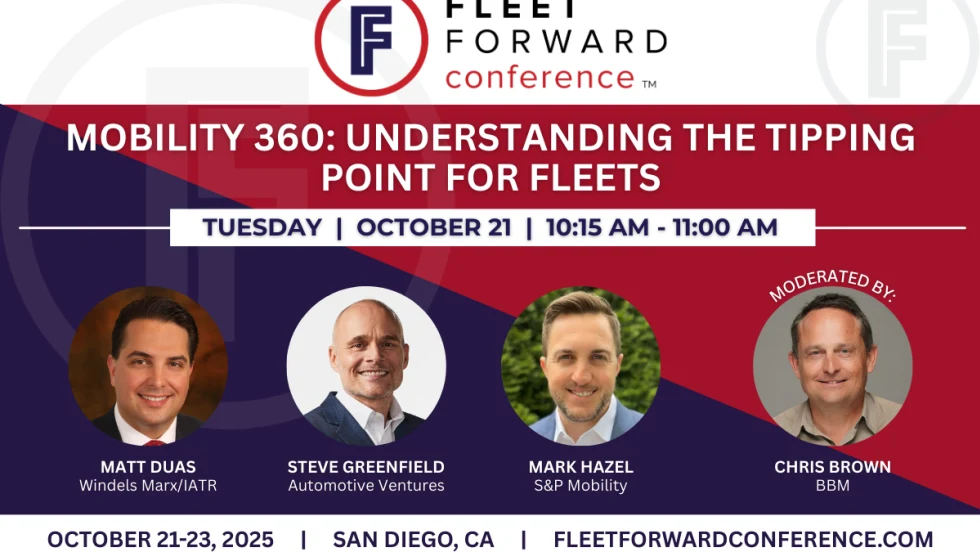
Mobility 360 Panel to Define the Fleet Industry’s Next Tipping Point
At the 2025 Fleet Forward Conference, experts in capital, policy, and data will assess which trends are transforming fleet.
Read More →