


Taking Maintenance to the Extreme
With so many limousine companies operating in areas where temperatures can become severe, vehicle care needs to be more intense.
Maintenance and detailing regimens are as much a part of the limousine industry as managing fuel costs. Without them, your vehicles won’t perform and look the way you need them to. Not only can this lead to expensive repairs and paint jobs, but also to breakdowns that cause loss of clients and reputation. This situation intensifies greatly for limousine operator runs in regions that have periods of severe heat and cold.
Extreme temperatures, such as those in Canada and the desert Southwest, are far worse on your vehicle than those of more temperate climates, such as Florida and coastal California. As many operators in extreme climates know, you must take far more care to maintain and service every vehicle. There are also tips that can help make dealing with these conditions easier on your mechanics, detailers, chauffeurs, and clients.
Seasonal Tips
There are ways to help keep your cool in the summer and keep the action hot in the winter. Maintenance and detailing are a big part, but there are other ways to help keep things going smoothly. Here are a few of the things you should consider:
WINTER TIPS:
• Be sure your tires have at least half of the original tread depth. Winter driving is treacherous and you need all the traction you can get.
• Apply a thin layer of petroleum jelly to the door water seal (weather stripping) to keep them from freezing. It’s also a good idea to apply some graphite lubricant to the locks, latch assemblies, and hinges to keep them working.
• Apply a glass treatment such as Rain-X to all exterior glass surfaces. This will help you clean ice and snow away far easier.
• One final general tip: No matter what time of the year or temperature, you should always have the tires inflated to the manufacturer’s recommended pressure. Failure to do so could lead to a failure in the tire.
SUMMER TIPS:
• On limousines, you should connect the front-passenger a/c vents to the rear air ducts. This will increase the amount of air pressure flowing into the rear compartment, giving the passengers more comfort. Air duct hoses are available at any auto parts store in any length.
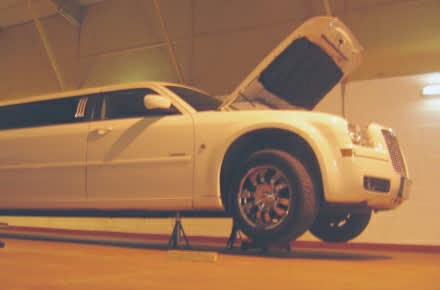
• Prop the hood open when the vehicle is sitting during summer jobs. Whether the vehicle is running or not, it will help dissipate the heat from your engine compartment. Trapped heat can damage alternators, regulators, relays, and sensors.
• When sitting in traffic, you should put the vehicle in neutral and gently step on the accelerator to raise the engine idle. This will produce more power from the alternator and keep all electric fans running at their highest capacity.
• Be sure to clean all bird droppings, berry stains, and bugs off the paint immediately. These items will damage your paint fast in the hot sun.

Extreme Heat
Now that the summer is in full swing, operators have become worried about their vehicles surviving the high temperatures. Rachel Ricks, owner of In The Scene Limousine in Phoenix Ariz., knows this well. “Our summers range between 110 and 115-degrees (F) in the summer,” she says. “You then add in the engine temperature, the heat radiating off the asphalt, and sitting in traffic, and you have brutal conditions for a vehicle.”
Ricks adds that not only is the temperature difficult on the vehicle’s systems and paint, but it also makes it difficult for the air conditioner to properly cool the car for the clients. “Although the a/c system blows air at 60-degrees, because of the exterior conditions, it may only cool the car to about 85.” Although the manufacturers have made great strides in a/c technology, nature can deal out situations that are far too extreme. However, you can take steps to minimize the effects of the heat.
ENGINE COMPARTMENT
• CHANGE OIL: In hotter areas, you should change your oil and filter between 2,000 and 3,000 miles. Hotter temperatures can cause your oil to lose viscosity (break down) more rapidly than normal conditions. It is recommended you use the highest weight oil recommended by the manufacturer; 20W-50 is most likely their recommendation.
• CHANGE ANTI-FREEZE/COOLANT EVERY TWO YEARS: This may sound radical, but extreme conditions such as 115-degree temperatures can cause your vehicle to break down your coolant faster.
• FLUSH RADIATOR: Every time you change your coolant you should have the radiator flushed. This will help you keep the coolant flowing easier and will help keep your engine cooler.
• CLEAN RADIATOR CORE: Bugs, dirt, and debris can clog the core of your radiator. Simply open the hood, spray engine cleaner into the back of the radiator, and rinse with a hose. Spraying from the engine side out will help dislodge any trapped debris.
• REPLACE HOSES AND BELTS: Again, this may sound extreme, but hoses and belts are inexpensive enough to change every other summer. This will give you the assurance that these items will not fail in the hottest conditions. The best time is when you change the coolant.
• CHANGE AIR FILTER: Air filters should be changed at the beginning of every summer. An engine starving for air will run hotter due to an inaccurate air/ fuel mixture.
• CHECK FLUID LEVELS: Be sure transmission, brake, and power steering fluids are full. You should smell transmission fluid to see if it has a burnt smell, and check to see that it has a reddish color. If not, then it should be changed along with its filter.
EXTERIOR
• WAX EVERY THREE WEEKS: In order to protect your vehicle from the hot sun, you need to keep a strong coat of carnauba wax on it. Wax dissipates quicker during hot conditions.
• TREAT VINYL TOPS: Apply a product that keeps your vinyl top soft and pliable. A hard and brittle top will crack easy, causing you some very expensive repairs.
• KEEP WHEELS CLEAN: Brake dust and road dirt can be “baked on” in the extreme heat of summer.
INTERIOR
• CLEAN AND CONDITION SEATS: Keeping your seats clean and conditioned with leather conditioner will help them stay pliable and prevent them from drying out in the heat.
• CLEAN ICE CHEST DRAINS: Be sure drains for all ice bins are clear and drain to the outside. Any blockage will cause them to back up and create a musty odor in the heat.
• SCOTCH GUARD CARPETS: Apply stain protectant to carpets. This also will help protect them from sun fading.

Extreme Cold
Operating in cold weather — as any Canadian operator will tell you — always requires special attention. However, when the mercury dips about 30-degrees below zero, such attention needs to be more focused. “People in our climate have two choices,” says Andy Poulos, president of Montreal Limousines Worldwide in Montreal, Quebec. “Either take the extra measures or find themselves without vehicles.” Poulos adds that the extra steps can extend the life of your vehicles and keep you from getting the cold shoulder from upset clients.
ENGINE COMPARTMENT
• CHANGE OIL: Change the engine oil every 3,000-4,000 miles using the lightest weight oil recommended by the vehicle’s manufacturer. 10W-30 is generally the best for winter seasons. Always change the oil filter at this time.
• USE AN OIL ADDITIVE: A coating agent such as SLICK-50 can help keep your engine parts coated with lubricant while your engine warms the oil and gets it pumped to various parts of the engine.
• CHECK ANTI-FREEZE EACH SEASON: If it doesn’t test to at least 40-degrees below zero, then it needs to be changed.
• USE A HOTTER-BURNING SPARK PLUG: With your fuel temperature being so cold, you need a hotter spark to get the most efficient burn. Consult your dealer for the highest recommended temperature plug.
• USE WINDSHIELD WASHER FLUID MADE FOR COLD: These products consist of a large amount of alcohol to avoid freezing. Be sure the particular fluid you buy is rated for the temperatures you may encounter.
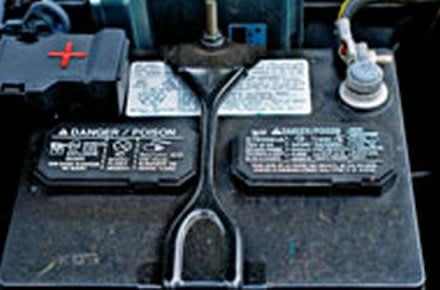
• CHECK BATTERY CONDITION: When starting a vehicle in the extreme cold, it takes more power (cold cranking amps) to turn the engine plus the thickened oil. Your battery should be at peak performance.
• COAT BATTERY TERMINALS: It’s a good policy to use a petroleum jelly to coat the terminals and cable ends. The salt from the road and higher power demands generally can create more corrosion, and the petroleum jelly can mostly eliminate this.
• CHECK AIR FILTER: Be sure the filter is clean so air can flow easily into your fuel injection system.
• CHECK OTHER FLUID LEVELS: Look at brake, transmission, and power steering fluids. Be sure all are filled to appropriate levels. Again, you should check the color and smell of the transmission fluid.
• CHECK BELTS AND HOSES: Be sure they have no cracks or wear. If any of them appear worn, it’s a good idea to change them all.
FUEL SYSTEM
• REPLACE FUEL FILTER EVERY 15,000 MILES: In the colder weather, your fuel filter tends to trap more particles from thicker fuel. These particles will add up quickly and clog your fuel system. Although it may take a long time to completely stop the flow of fuel, it causes your fuel pump to work harder and your injectors to run with less volume, creating a potential failure.
• USE A FUEL SYSTEM ADDITIVE: You should install an additive that reduces moisture in your fuel system (known to many as “dry gas”) to keep your fuel lines from freezing.
EXTERIOR
• WASH AND WAX: Be sure to wash and apply a good coat of carnauba wax before the winter season. This will protect your paint throughout the winter.
• PROTECT THE UNDERCARRIAGE: Take your vehicle to a car wash and use the gun to apply hot wax to the undercarriage, to help protect it from corrosive road salt.
• WASH VEHICLE INDOORS: In cold weather, you need to clean the car in a heated area. Remember, never use hot water when washing. The shock of the temperature difference will shatter every piece of glass on the car.
• CLEAN UNDERCARRIAGE AT WINTER’S END: Once the road salt is gone, pressure-wash the salt from all crevices under your car. Baking soda helps eliminate the corrosive properties of the salt.
• TREAT VINYL TOPS: Using a product specifically made for vinyl tops, you should treat the top before each winter season. This will protect it from the harsh snow, ice, and cold.
INTERIOR
• USE RUBBER RUNNERS: A deep-dish type of runner will help keep slush, grime, and salt from settling into your carpets.
• CLEAN CARPETS OFTEN: When salt does get into the carpets, you need to remove it quickly. Salt can fade the color and eat away the carpet fibers. Be sure to allow them to dry before closing the vehicle up.
FINDING THE RIGHT MECHANIC
MOST LIMOUSINE operators can do much of their own maintenance work. Many of the typical maintenance issues are relatively simple tasks that a repair manual can guide you through. However, there are times when the task is too involved, requires special tooling, or an operator just doesn’t have the time for it. That’s when you need to find a reliable mechanic.
But how do you find a mechanic that will be able to handle the demands of a limousine? How will you know that person will do a good job at a good price?
Bryan Baker, LCT Magazine’s “Dr. Limo,” can help. “Finding a good mechanic is not very difficult,” Baker says. “A little common sense and a little investigation is all you need.” Baker suggests to first identify all local mechanics that can work on the main type of vehicles in your fleet, such as Lincoln Town Cars. “It’s good to know that this shop has all of the special tools needed for your vehicle,” Baker says.
Next, you should check out the mechanic’s reputation. Used car dealers, towing companies, the Better Business Bureau, consumer awareness groups, chambers of commerce, and local business people can all help. Once you know who has the right tools, skills, and reputation, you need to see which ones would be interested in working on your vehicles. Talk to the shop owners and see how enthusiastic they are about your business. You also need to be sure they know you operate 24/7, and will provide you priority service and a quick turnaround.
The final step is to be sure their garage insurance is enough to cover your vehicle in case of a mishap. If you have a 2008 H3 Hummer stretch valued at $95,000, and the shop only covers up to a $50,000 vehicle, then you need to look elsewhere. Once you have everything set, you can start testing your choice. More times than not, after this much research, you choice will be a good one.
More Batteries/Tech
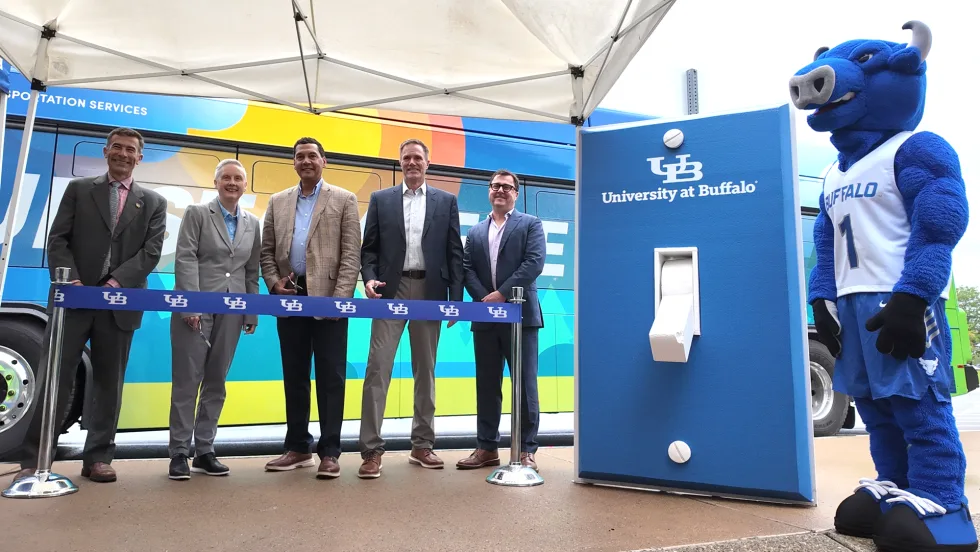
University at Buffalo Deploys 8 Electric Buses, 10 Chargers
The university, WeDriveU, and Zenobē welcomed the first electric buses to the school’s fleet under its zero-emissions roadmap.
Read More →
Samsung SDI Takes Full Control of GM Battery JV as Indiana Plant Pivots to Energy Storage
Samsung SDI is taking full control of its Indiana battery plant with GM, marking a major shift from the EV-focused joint venture Charged Fleet first covered in 2023.
Read More →
Xos White Paper Asserts LA Olympics Will Lack Enough EV Chargers
The commercial EV fleet company recommends some faster and more flexible remedies to relieve the anticipated shortfall.
Read More →
New EV and Hybrid Training Available For Auto Technicians
The curriculum covers those skill sets highly sought by electric fleet operations.
Read More →
Lucid Adds Hands-Free Highway Driving, Software Updates To Gravity SUV
Hands-free drive assist makes highway driving more comfortable while keeping drivers attentive to the road.
Read More →
California Adopts Sweeping New Autonomous Vehicle Regulations
Updated DMV rules open the door for heavy-duty AV testing and deployment while strengthening safety standards, emergency response coordination, and manufacturer accountability.
Read More →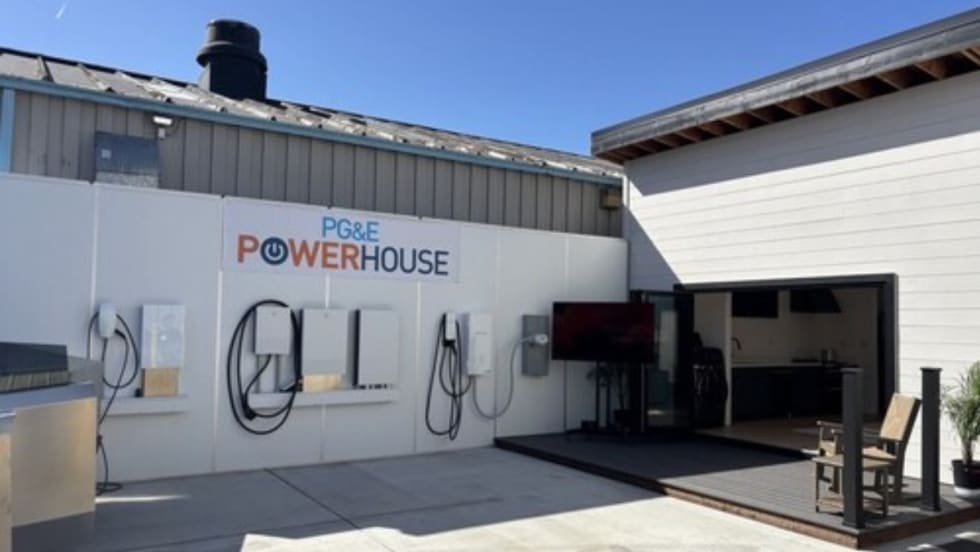
All Electric Test House Could Ease Path To EV Usage
An experimental model home shows how residential charging could enable electric fleet operations by allowing drivers to take EVs home.
Read More →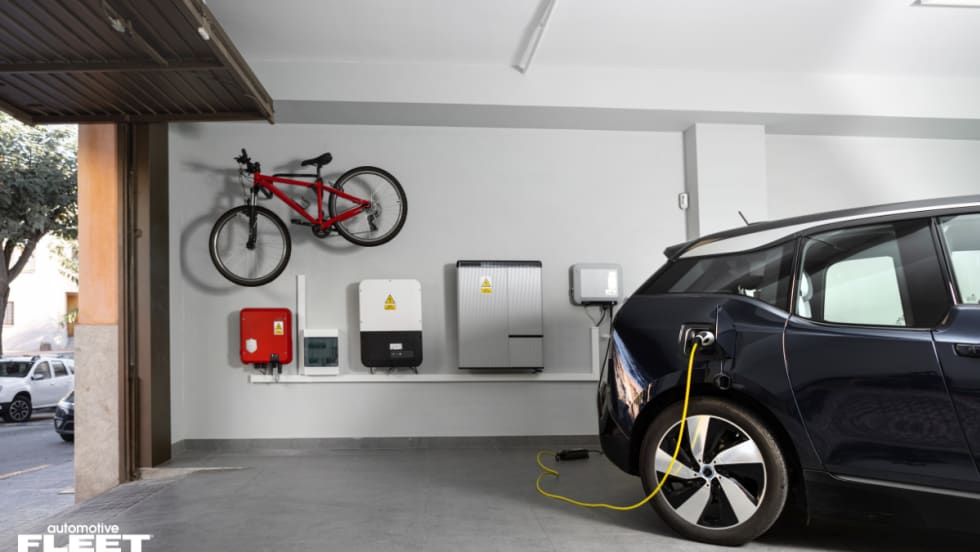
WEX Launches Solution to Close EV At-Home Charging Visibility Gap
At NAFA I&E 2026, WEX debuted an EV solution that adds a layer of verification to help fleets track, validate, and trust every at-home charging dollar.
Read More →
Major Truck Charging Hub Opens In Southern California
EV Realty opens a 76-port, 9 MW truck charging hub in San Bernardino, designed to support more than 200 medium- and heavy-duty vehicles per day with CCS and MCS capability.
Read More →
Software Speeds Up EV Fleet Charging
Learn about a new level of energy management that helps fleets control costs while maintaining service reliability. [VIDEO]
Read More →