



Learn More: Last Mile Deliveries Surge In A Socially Distanced World
New Delivery Van Overcomes EV Challenges
The Class 1 commercial vehicle from Electric Last Mile Solutions pushes the concept of an efficient, connected, electric last-mile van into daily reality.
January 4, 2021
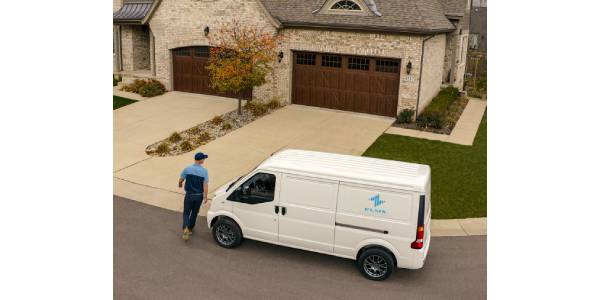
Photo: ELMS
5 min to read
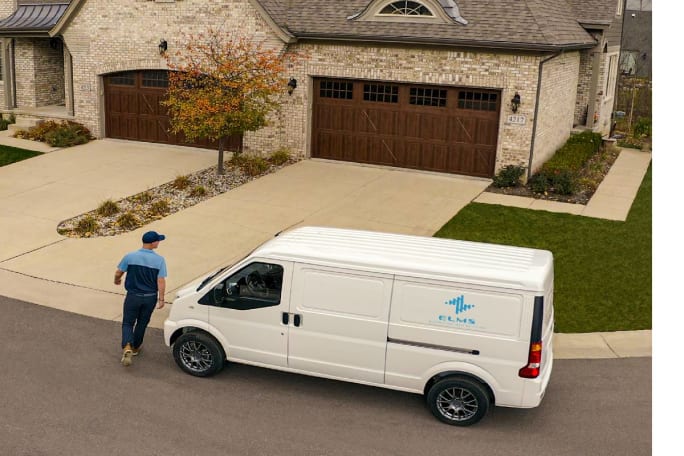
The ELMS Urban Delivery van has a cargo capacity of 170 cu.-ft., a charging range of 150 miles, and an expected price of $25,000 including federal tax credits.
Photo: ELMS
The rollout of the ELMS light cargo van already benefits from one major advantage: It’s the first of an electric type to hit the streets in 2021, timed to a global pandemic that has spurred the last-mile delivery business.
Designed by Electric Last Mile Solutions (ELMS) which is based in Auburn Hills, Mich., the Urban Delivery, the company’s class 1 electric vehicle, combines the right mix of must-haves for a viable electric vehicle that can handle the routine demands of daily light delivery.
Underscoring the potential market penetration of the ELMS Urban Delivery van, the company on Dec. 11, 2020 announced an agreement with a special purpose acquisition company (SPAC) called Forum Merger III Corporation (Nasdaq: FIII) for a business combination that would result in ELMS becoming publicly traded. Upon closing of the transaction, expected in first quarter 2021, the combined company will be named Electric Last Mile Solutions, Inc. and continue to be listed on the Nasdaq Capital Market under the new ticker symbol, “ELMS.” The transaction reflects an implied equity value of about $1.4 billion.
An Industry First
The van — with a cargo capacity of 170 cu.-ft., a charging range of 150 miles, and an expected price of $25,000 including federal tax credits — is expected to go into production in the third quarter 2021.
“We’re taking orders and building up a book of business,” said ELMS co-founder and CEO, James Taylor. “To our pleasant surprise, we have seen strong demand from customers looking for efficient, green solutions.”
Taylor refers to the ELMS electric van as a product perfectly matched to the need. Even before the pandemic fueled local last-mile deliveries, small businesses such as caterers, flower shops and pizza makers were moving toward light-duty vans wrapped in their specific logos and messaging.
“A year ago, few people had even heard the term ‘last-mile’,” Taylor said. “Now it’s in the headlines of what I read every morning.”
To date, ELMS has over 30,000 pre-orders from customers including leading brands and some of the largest fleet managers and dealers in the country. The company intends to produce its vans at a 20-year-old plant in Mishawaka, Ind., which spans 675,000 square feet and will have the ability to create more than 100,000 ELMS vehicles per year.
“The demands on last mile transportation companies are enormous, and so the time to market for our product has been very well received,” Taylor said.
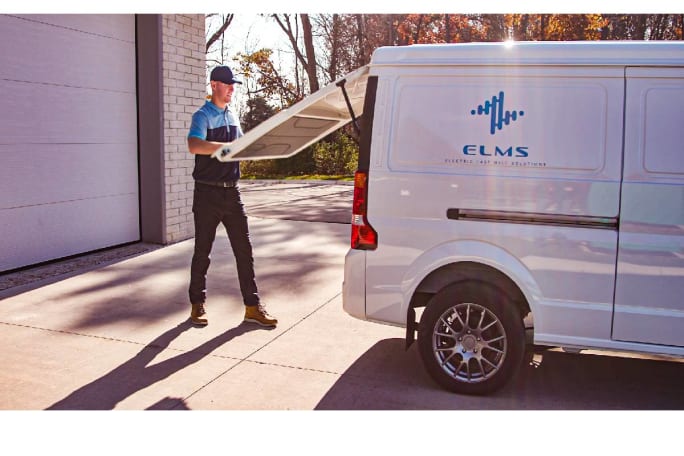
E-commerce still represents only about 15-18% of all retail purchases, indicating a strong upside for potential growth in the last-mile delivery market.
Photo: ELMS
Ecommerce Potential
The latest trend estimates that Taylor cites shows e-commerce still represents only about 15-18% of all retail purchases, indicating a strong upside for potential growth in the last-mile delivery market.
The pandemic, small business trends, and demand for home delivery coincide with the next phase of electric vehicle evolution as their ranges increase, available models grow, and costs gradually decline.
Battery Charging
With lower battery prices and more range flexibility, electric vehicles can spawn into more refined models that meet specific commercial and business needs. Taylor predicts internal combustion engine (ICE) and electric vehicles could fall into the same price range within a few years as batteries prices decline. “This natural evolution of the industry has been gradually accumulating volume and focus. There will be more positive momentum once everyone gets behind it.”
The average daily range usage for Class 1 vehicles is about 40-60 miles. With a range of 150 miles, the ELMS Urban Delivery van is well suited to this delivery market in which the routes are local, planned, and routine. “The battery doesn’t have to be too large because we know each day where the vehicle is going,” Taylor said. “The advantage here is that the vehicles leave from the same place in morning that they return to in the evening and charge all night. You only need charging infrastructure in one location.”
Because the vehicle can charge overnight, a Level 2 charger which can fully charge in six hours is not an issue, he added.

ELMS' CEO James Taylor says few people had even heard the term ‘last-mile’ a few years ago, but now it's in the morning headlines.
Photo: ELMS
Company Start
ELMS was born out of Seres, an electric vehicle and component manufacturer headquartered in Santa Clara, Calif.
Seres originally planned to develop mid-sized electric SUVs, but when the market for a Class 1 delivery van pointed to more market potential, the company pivoted and ELMS was established as an independent company. For much of this year, ELMS has worked on its business plan, customer engagements, financing and production agreements as it also awaits to finalize and close its SPAC merger in the first quarter of 2021.
The donor chassis platform came from an Asian company and is being adapted to the American market. Although the vehicle architecture is foreign, more than 50% of the equipment and content on the vehicle is American, including the battery, motor, electrification components, and software, Taylor said. Engineering will be done at the plant in Mishawaka, Ind. The vehicle composition enables ELMS to sell its van at $32,500 MSRP and $25,000 after federal tax credits, a price comparable to similar ICE models. Fleet buyers are eligible for discounts on bulk purchases.
Production Plans
ELMS plans to build about 4,000 vans in fourth-quarter 2021; 20,000 in 2022; and 35,000 in 2023. During the first three quarters, the manufacturer will conduct demos, test quality and durability, and gear up for production. ELMS will remain solely focused on commercial versions of the van, forgoing any passenger models. It plans to roll out a cab chassis version of the Urban Delivery as well as a larger Class 3 cargo truck-style model.
While ELMS cannot reveal specific customers due to non-disclosure agreements, their roster includes some household name companies, fleet management companies, large fleet dealers, and individual clients, Taylor said.
The first customers are concentrated in California, Florida, Texas and locations throughout the Sunbelt with warmer climates hospitable to electric vehicles, although they are designed to handle cold climates as well. The Urban Delivery Van will head out on demo tours on both coasts during first quarter 2021.
ELMS will officially acquire the plant once the SPAC agreement formally closes in the first quarter. It previously manufactured H2 Hummer vehicles and the Mercedes-Benz R-Class. Seres bought the plant in 2017.
Taylor expects the market for urban delivery vans to double over the next five years, reflecting a likely permanent shift in consumer purchasing patterns, even when the pandemic subsides and retail stores are free to fully open again without restrictions. That means UPS, FedEX, and all types of delivery services both global and local will be creating a demand in excess of supply, Taylor predicts. "All the variables are coming together.”
Subscribe to Our Newsletter
More Electric Vehicles
EV Charging Use Is Outpacing Infrastructure Growth
ChargePoint’s 2026 Charging Forward Report points to rising charger use, higher-powered charging, commercial vehicle electrification, and energy-management technology. Here’s what fleets should know.
Read More →
EV Realty Names Henrik Holland President as Charging Platform Expands
The former Prologis Mobility and Shell executive will help expand EV Realty’s truck charging business and move its power-first infrastructure model into autonomous vehicle depots and other fleet sectors.
Read More →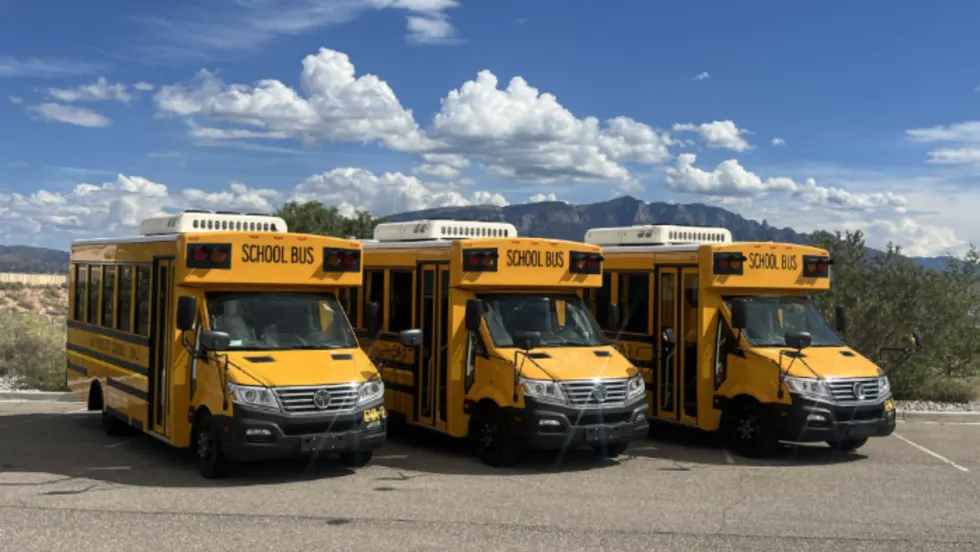
GreenPower Expands New Mexico EV Pilot With Larger Buses, V2G Testing
After logging more than 17,000 electric miles in the first year, New Mexico’s statewide pilot is moving into its second phase with larger vehicles, continued charging evaluations, and more.
Read More →
Can EV-as-a-Service Help Fleets Scale Electrification?
Sustainability Partners CEO Adam Cain explains how matching EVs, charging infrastructure, and duty cycles can help fleets scale electrification.
Read More →
How EV-as-a-Service Is Moving Fleets Beyond Pilots
Adam Cain, president and CEO of Sustainability Partners, explains how EV-as-a-service can help fleets scale deployments by addressing duty-cycle requirements and charging challenges.
Read More →
PowerFlex, The Mobility House Join Forces to Advance Fleet Electrification
Two EV charging providers are joining forces to deliver a broader portfolio of energy management and fleet electrification solutions.
Read More →
Ford Retools Louisville Plant for Fathom Electric Truck Production
Ford's $2 billion Louisville Assembly Plant overhaul introduces a three-part assembly process for the Fathom midsize electric truck, with production scheduled to begin in 2027.
Read More →
Merchants Fleet Reports 290M EV Miles as Fleets Navigate Changing Electrification Market
From millions in operating savings to hundreds of millions of EV miles, Merchants Fleet’s latest report reveals what’s working and what’s changing in fleet electrification.
Read More →
California District Commits to Electrify 25% of School Bus Fleet by 2028
One of the nation's largest school bus electrification projects to date demonstrates how grants, charging infrastructure, and public-private partnerships can help fleets transition to EVs at scale.
Read More →
Aptera Orders Bodies and Chassis for Its First 40 Production Vehicles
Aptera Motors Corp. has issued purchase orders for the major structural components of its first 40 vehicles, and body and chassis components are expected to begin arriving in October.
Read More →