



CF Video:Setting Up Reliable EV Charging
How to Phase in Charging Access, Power and Depots for Electric Fleets
Fleet managers may encounter setbacks and uncertainty in adopting electric vehicles, but a realistic plan rooted in careful steps and clear long-range goals can smooth out the journey to electrification.
December 6, 2022

Light duty fleet charging panelists (L to R) Simon Lonsdale, Kristin Slanina, and Jason Kazmar with moderator Martin Romjue (far left) go over the phases of a gradual transition to an electric fleet on Nov. 10, 2022 during the Fleet Forward Conference in Santa Clara, California.
Photo: Ross Stewart Digital Photography
7 min to read
Electric vehicle charging still has a long way to go for overall reliability, but fleets at least can carve out gradual, phased in solutions that put them on a faster path to eventual electrification.
A panel at the Fleet Forward Conference on Nov. 10 in Santa Clara, California, laid out some practical approaches for fleets starting with a handful of vehicles as well as those ready to buy EVs in bulk.
The experts for the “Formulating Your Charging Strategy for Light-Duty Fleets” panel included Kristin Slanina, chief innovation officer of ParkMyFleet and director of Charge Across America; Simon Lonsdale, head of sales and strategy for bp pulse fleet; and Jason Kazmar, director of EV strategy & sustainability for Element Fleet Management.
Slanina kicked off the discussion with a recap of last year’s Charge Across America race that wrapped up on Nov. 9, 2021, where various teams raced coast to coast over 10 days relying only on their ability to plan charging times and long-distance travels amid hotel stays, pit stops, and unforeseen mechanical delays.
The race stress-tested a wide sampling of America’s available EV infrastructure, which delivered valuable insights on the challenges to mass adoption of EVs.
“There was one team that had to go to 10 different chargers in one day and there were a lot of chargers not functioning appropriately or did not have the right power ratings,” Slanina said. The non-Tesla charging systems vary in equipment quality, software and charging times, with Tesla systems so far proving to be the only reliable and consistent infrastructure.
“It really makes it clear to me that our biggest opportunity to accelerate decarbonization is to focus on fleets that can be centrally managed, and located,” Slanina said.
Fleets will need to create an “energy ecosystem” not completely dependent on the grid and public charging facilities, she said.
The panelists delved into the following primary points about developing and accessing fleet-based EV charging systems. Here is a collective summary of their suggestions and advice:
First Steps to Electrification
The first step is to choose a site for housing and charging an electric fleet, based on how many and the type of electric vehicles. Fleet managers should then evaluate which existing ICE (internal combustion engine) vehicles and their accompanying duty cycles are most eligible to be replaced with electric ones. Some key questions: What are the incoming power sources and feeds? What are the specific power needs of those vehicles? How will the vehicles be deployed? How many shifts or duty cycles — multiple or single? Will there be overnight charging? What are options for energy management and efficiency practices? What will be the overall maximum power supply capacity of the EV fleet site?
Fleets can ramp up faster for electrification than retail and public customers. For light duty fleets, the period can take as little as two weeks in figuring out immediate short-term energy access, determine how the operation will charge, learn how fast vehicles will charge at different temperature levels, and iron out connectivity bugs and challenges.
Phasing In Electric Vehicles
Power supply and access can be phased in as fleets add vehicles and site capacity. First, look at what can be done with an existing power supply. Software can help plan and defer charging at limited plug-ins depending on vehicle needs. If you can understand when EVs are coming and going, often with a telematics tool, then you can start to level out the charging demand based on existing power while you wait to implement the next phase of power capacity.
Even if a fleet starts out with only two or three electric vehicles, it can begin the transition to more infrastructure and vehicles and get a fleet operation acclimated to the nuances and specifics of operating EVs versus ICE vehicles.
Choosing EV Chargers
Fleets can draw on three charging options: Onsite/depot, public access/enroute, and home-based. All need to be always reliable for a light duty fleet.
Fleet vehicles with duty cycles averaging 80 miles per day will only need Level 2 chargers. Fleet operations should only install Level 3 fast chargers if specific EVs need them to accommodate daily mileage.
Fleet managers should look at dwell times in deciding on how many fast chargers to install. Charging arrangements are not one size fits all. Class one through eight vehicles and trucks will span many different use cases and charging requirements.
Charging models are available that offer a central depot or facility accessible to multiple EV tenants and clients. Such infrastructure offers economies of scale that can minimize start up and power costs for an electrifying fleet while maximizing efficiency.
Working With Utilities on Infrastructure
The U.S. has more than 3,000 utilities, including municipal, city, regional and statewide ones. While the larger utilities tend to offer established electrification programs for fleets, most of those that don’t are willing to find ways to connect workable power sources. Fleets should ask about a utility’s plans to install new infrastructure, such as substations, cables, and power lines, and then offer to help guide the utility if possible.
Fleet operations and companies in a local area or region can collaborate with utilities on their projected electrification plans and needs, thereby steering how a utility will add and position power resources. By providing a more comprehensive picture of their needs, fleets can motivate the utilities to act in everyone’s best long-term interests. It’s a long conversation that can eventually lead to beneficial results. The overriding question is how do you share knowledge as fleet customers and providers to give utilities more accurate visibility into what's coming with electrification? In turn, more informed decisions from utilities can help fleet operations choose where to buy real estate for charging facilities. Larger fleets can speak in a unified voice with utilities on when and where to put resources that serve future aggregate EV load demand.
Sourcing Power and Finding Real Estate
Consider bi-directional or vehicle-to-grid (V2G) charging options that can form a micro-grid for peer-to-peer energy sharing. Renewable sources and battery storage can complement V2G arrangements. Such partial self-sufficiency enables a fleet operation to phase in electrification while waiting for a utility power grid to gradually increase megawatt output over several years. New megawatt chargers will be available in 2024 that bring more capacity.
Building a new charging facility or infrastructure will likely take time and require phases amid supply chain pressures and construction challenges. It will take longer than expected. The best approach is to expand the facility and number of charging outlets as local utility capacity and power transmission increases. A transition based on a roadmap phases that can accommodate varying energy demands drawing on a mix of utility power and a micro-grid offers fleets the most flexibility for growth.
A micro-grid with renewable energy sources and V2G capacity is a long-term commitment and likely will take 15-20 years for it to save enough energy and money to pay for itself. Solar energy supplying parked EVs will provide about 20-25% of an EV’s charging requirement.
In addition to solar canopies, sustainable energy options include hydrogen, small enclosed nuclear generators using contained ceramic fuels, energy purchases from wind farms, and large battery storage. These sources have varying energy density and involve varying amounts of acreage.
Depending on use cases, fleets should see where they get the most for the money: Own versus lease electric vehicles and renting access at a charging facility versus installing self-owned and operated infrastructure. Fleets that plan to set up their own charging stations should “future proof” the site by projecting how many EVs will eventually use it and build accordingly. Of course, fleets can find a combination of all these options and phase them in and out as more EVs join the fleet. Aligning vehicles and chargers can be a complex puzzle to solve.
Determining the Right Standards
The EV industry will need to figure out and choose a common charger connector to encourage more adoption and widen access to charging options. Since the EV industry is still moving through its early stage, chargers and connectors will vary. Once charging equipment can be accessed at scale, the industry will move into the next phase of growth.
Smartening Up with Telematics Tools
The more integrated telematics on EVs can provide far more intelligent data than for ICE vehicles by calculating and factoring in charge times, duty cycles and deployment routes, delivery schedules, driver behavior, utility usage capacity and electricity rates, weather influences, component performance, and energy consumption. Smart EVs will continuously generate data that can be applied in aggregate across the electric fleet for more efficient usage. Such a thorough trove of information can help a fleet better manage its overall energy plan while optimizing routes and teaching drivers to improve their skills.
Subscribe to Our Newsletter
More Operations
The EV Breakdown Nobody's Talking About: Why Most Electric Vehicle Roadside Calls Aren't Mechanical Failures
Here's why EV breakdowns are widely misunderstood.
Read More →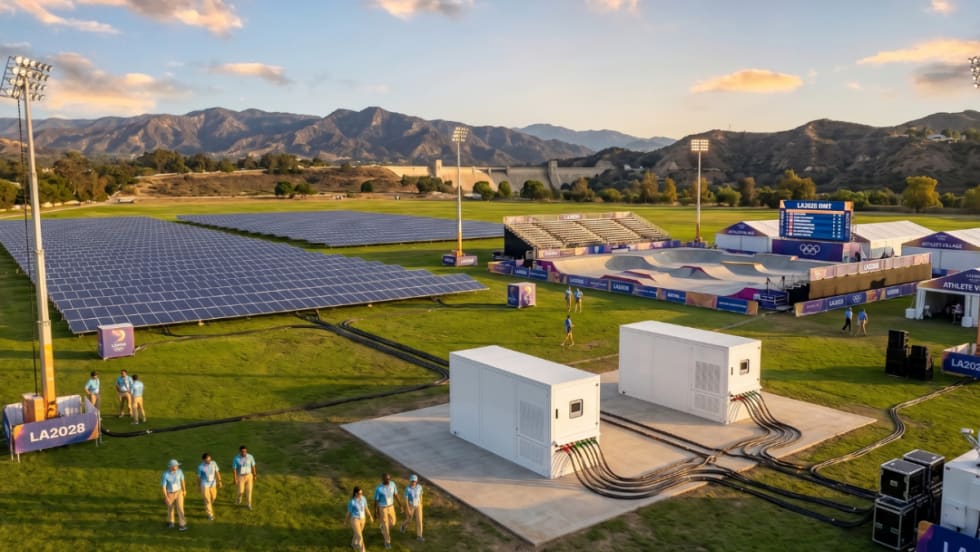
Xos White Paper Asserts LA Olympics Will Lack Enough EV Chargers
The commercial EV fleet company recommends some faster and more flexible remedies to relieve the anticipated shortfall.
Read More →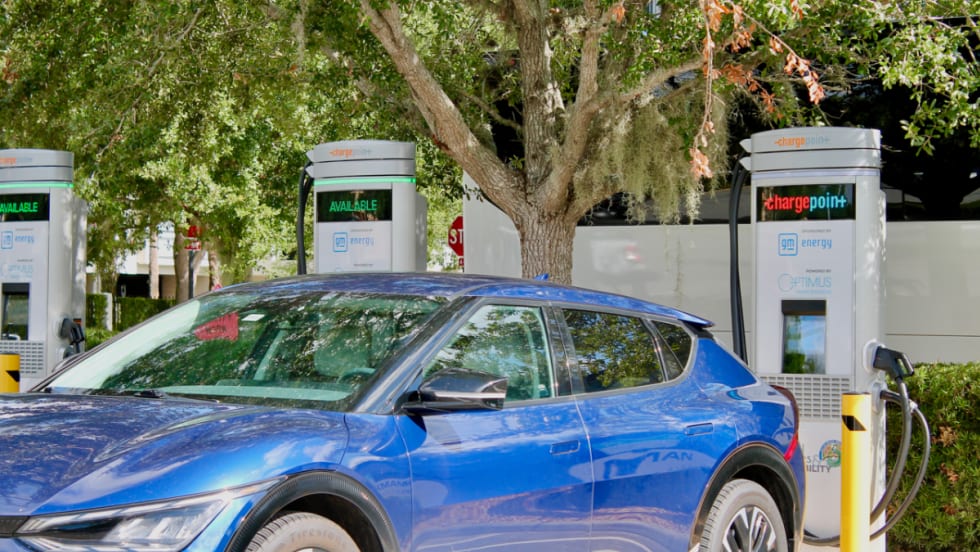
ChargePoint, Optimus Expand Fast-Charging Network Across Southeastern U.S.
ChargePoint will serve as the exclusive solutions provider, delivering hardware, software, and services to support Optimus’ growing charging network.
Read More →
Running A Profitable Electric Rental Fleet
How do you successfully operate an all-electric rental car fleet? Whether you manage a rental fleet or another commercial fleet, this conversation offers practical lessons on deploying, operating, and scaling electric vehicles.
Read More →
Registration Opens for 2026 Fleet Forward Conference
Held on the East Coast for the first time, the Washington, D.C.-area event features expert-led education, a new IIHS Crash Test Experience, and collocation with the NAFA’s Fleet Safety Symposium.
Read More →
Why Charging May Never Be As Easy As Filling Up Gas
A seamless charge depends on a string of independent companies getting it right together, every time. How can electric fleets navigate the challenges to create a successful charging plan?
Read More →
Slate Debuts Colorful, Unique EV Models
A recent media and client event, studded with electric vehicles dressed up on platforms, planted a new position for the manufacturer in the wider EV market. Fleets will find cost-saving advantages.
Read More →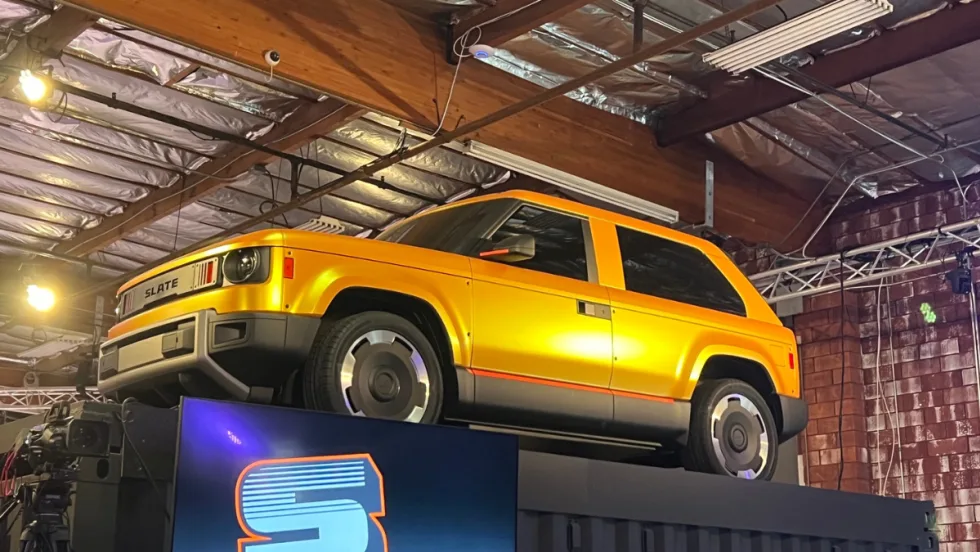
Slate Electric SUV, Pickup Switchable Model Aims For Light-Duty Fleets
Everything about this EV is counterintuitive and understated, making it stand out from the crowd.
Read More →
Polestar Barred from U.S. Market Under Connected Vehicle Rule
The automaker loses its authorization to sell new vehicles in the U.S., starting with the 2027 model year. Polestar owners will retain access to the brand's service network.
Read More →
Uber, Nuro and Lucid Plan Houston Robotaxi Service in 2027
The tripartite venture brings out the combined advantages of electric vehicles, mobility, and autonomy into ground transportation.
Read More →