


Missed the "Educating Drivers on Electric Vehicle Safety" Seminar? Register to Watch!
How to Educate Drivers on Electric Vehicle Safety
It’s crucial for fleet managers to educate drivers on the unique driving characteristics of EVs. Solutions include information sessions with manufacturers, gamification, and developing training modules.
by Chad Simon
October 4, 2021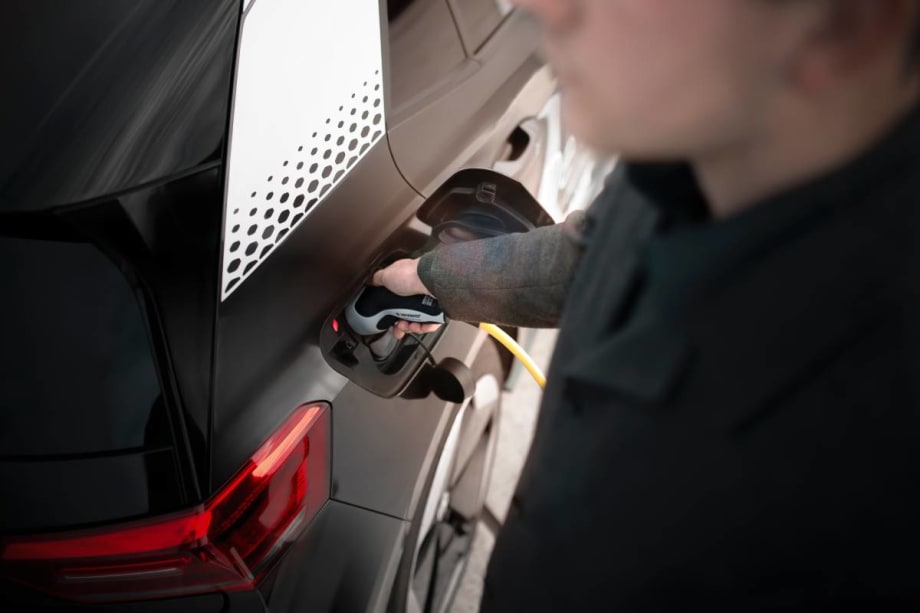
EVs are held to the same safety standards as ICE vehicles, and drivers must understand the differences in engine noise, acceleration, and braking.
Photo: Maxim Hopman on Unsplash.
5 min to read
The electric vehicle wave is upon us, and the technology inside these vehicles is progressively evolving — and, in turn, competing with the road for your driver’s attention. With distraction at an all-time high, providing continuous education to drivers on how and when to use the complex technologies found in EVs is critical to maintaining a safe fleet.
This was a small sampling of the discussion during a seminar on EV safety at the 2021 Fleet Safety Experience presented on Sept. 22. Sara Sweeney, senior product manager, Wheels Inc., moderated a panel that included Tony Vinciguerra, chief operating officer, Driving Dynamics, and Katie Keeton, fleet manager, Siemens.
Driver Education
As EV sales grow year-over-year and become established in fleets, organizations must address the unique characteristics of EV operation and educate drivers accordingly.
Although Siemens has offered EVs on its selector for a few years, drivers were slow to adopt them. “The reason for that is because people are generally not aware of what it means to drive an electric vehicle,” said Katie Keeton, fleet manager, Siemens.
Siemens held information sessions for drivers on EVs and brought in manufacturers to discuss the specifics of EV operation.
“It was an opportunity for us to look at how we educate our drivers,” Keeton said. “Most EVs are just as safe, if not safer, than any other vehicle on the road. We had to demystify what is means to operate an EV, while at the same time help our drivers understand we have a carbon-neutral goal, so we need them to be a part of this journey with us. This is uncharted territory in fleet, so the best thing we can do is continuously educate.”
EVs must pass all the same safety standards as vehicles with internal-combustion engines (ICE). According to Tony Vinciguerra, chief operating officer, Driving Dynamics, 94% of all crashes are due to human error, and that’s not going to change when a driver goes from ICE to electric. However, there are a few notable differences: the acceleration is quicker in an electric vehicle and regenerative braking is more responsive.
“Make sure your employees understand the nuances of an EV, and that you can turn off certain features, like cruise control or regenerative braking, so that you have more control over the vehicle when you’re traveling in ice or snow,” Vinciguerra said. “In a gas-powered vehicle, if you take your foot off the gas, you coast, but with an EV, if you take your foot off the pedal, you can feel it; it’s almost as if you have your emergency brake on. It’s that aggressive.”
Another difference between ICE vehicles and EVs is that EVs have noiseless engines. “According to the National Highway Traffic Safety Administration (NHTSA), there’s a 19% greater chance of hitting a pedestrian in a plug-in or hybrid vehicle because the vehicles are so quiet,” Vinciguerra said.
Organizations should keep this in mind when training drivers. For instance, drivers should create eye contact or give a quick beep on the horn to pedestrians or cyclists so they know that the driver is there, he said.
Engage Drivers
Sweeney cited alarming statistics on the rise of roadway fatalities in the last two years. “Safety doesn’t jump into people’s minds when they’re thinking about electrification,” Sweeney said, “but based on what we’re seeing on the roadways, we can’t leave safety on the wayside as we move into this new frontier of electric vehicles.”
It’s crucial for fleet managers to communicate with employees so they understand the organization’s goals for electrification.
“Fleet managers are taking on the monumental task of getting in front of their drivers and educating them,” Sweeney said. “They (drivers) can be so amped to drive their EVs that they may not have their full attention on the road.”
Additional tools Sweeney utilizes are telematics, gamification, and a “train-the-trainers” module, where the company’s leaders are taught EV operations and safety techniques, and they go back and demonstrate what they’ve learned to their employees.
“If you can get your drivers excited and engaged in thinking about the company’s sustainability efforts and safety, it’s a great way to get them educated,” she said.
Understanding Complex Technology
Autonomous driver-assistance systems and EVs are increasingly entwined, which makes it all the more important to train employees on how to use the technology.
“There’s a whole change going on in the automotive industry, and that’s what’s causing these challenges we’re facing,” Vinciguerra said. “There are way too many distractions and toys inside the vehicle, and electric vehicles are just another layer on top of that. Unless fleet managers start educating their drivers and making them more comfortable behind the wheel, we will continue to see increased fatalities and injuries on the road.”
Drivers are becoming too reliant on safety equipment, according to Keeton. Vehicles are becoming safer, but if vehicle operators aren’t doing their job, then all the safety systems in the world are not going to help them.
“Fundamentally, people need to realize that the most dangerous thing they are going to do during the course of a day is get behind the wheel,” Vinciguerra said. “They get into bad habits and need to be reminded frequently about what they should be doing.”
When it comes to electrification, fleet managers should never compromise on any part of their safety policy.
“If your policy says a vehicle has to have certain features or a minimum crash rating, don’t compromise just because it’s an EV and you need to get an EV initiative,” Sweeney said. “Continuing to promote your safety culture and enhancing it as you move to an electric fleet is going to be important so that you don’t lose all the hard work you’ve done to build it up over the course of many years.”
Originally posted on Automotive Fleet
Subscribe to Our Newsletter
More Electric Vehicles
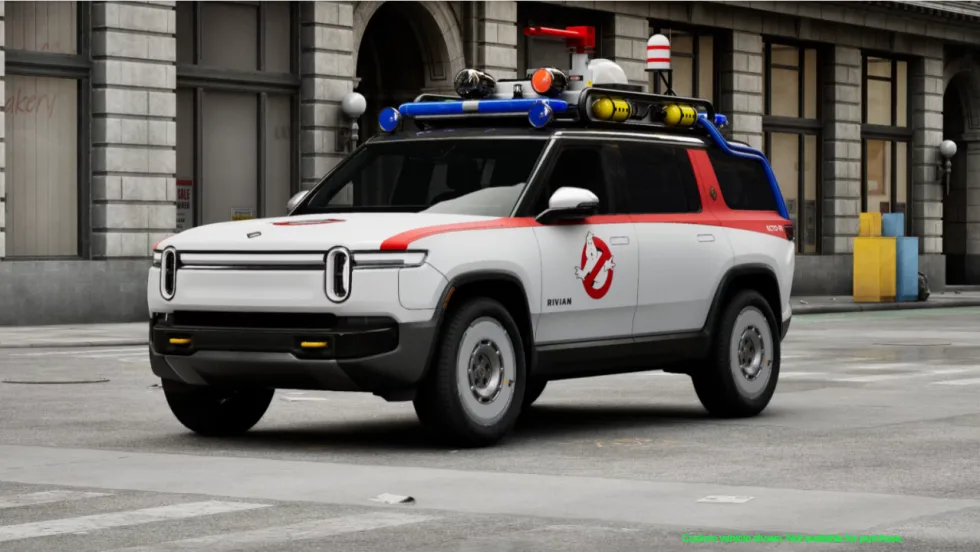
Who You Gonna Call? Rivian Turns Electric Vehicles Into Ghostbusters Rides
Rivian teams up with Sony Pictures for a Ghostbusters-inspired Halloween software update, complete with custom sounds, lighting effects, and a special Ecto-R1.
Read More →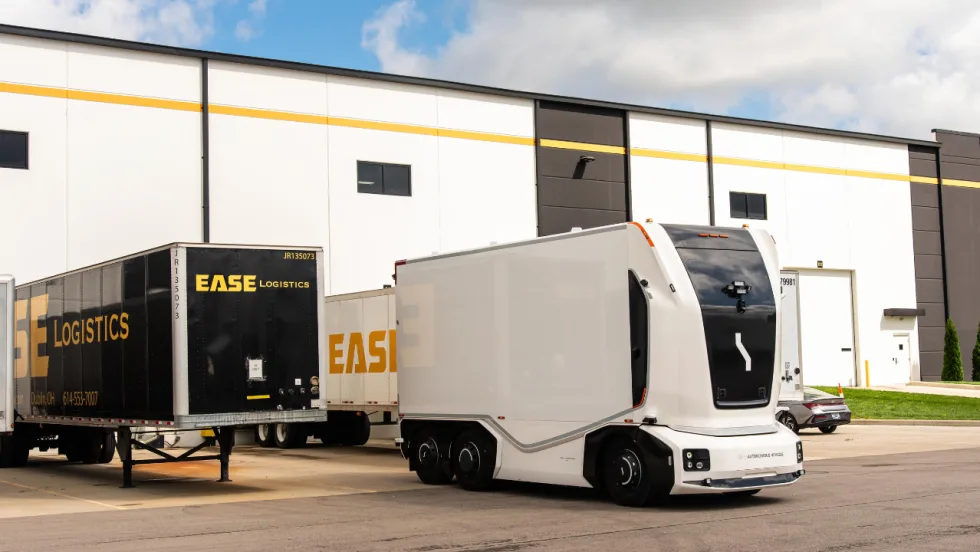
Einride Electric Driverless Trucks Begin Daily Freight Operations in Ohio
Two cabless electric trucks are now moving freight between EASE Logistics facilities, putting autonomous EV technology into daily commercial operations.
Read More →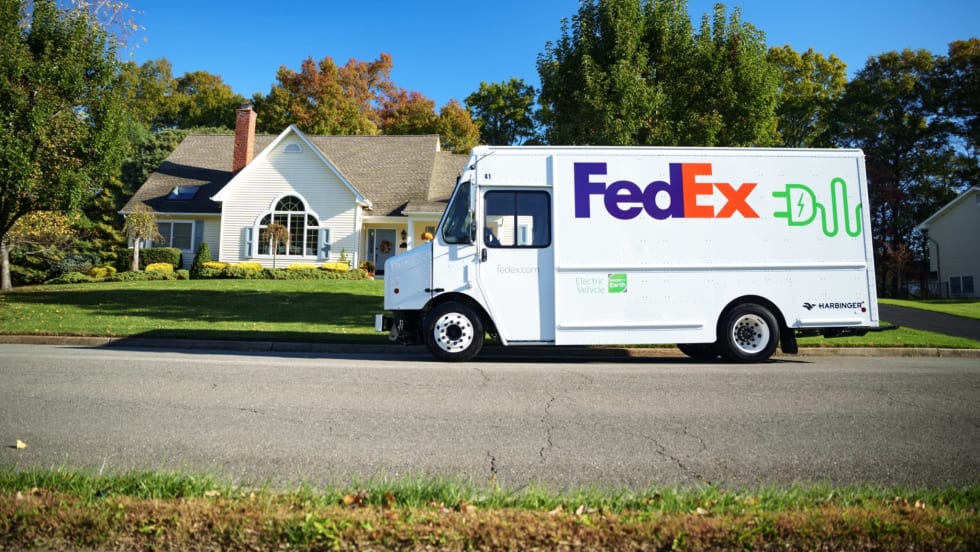
FedEx Orders 2,000 Harbinger Electric Trucks in $300 Million Deal
The Class 5 and 6 electric trucks are planned for delivery by the end of 2027 and will be deployed in FedEx pickup and delivery operations across the U.S. and Canada.
Read More →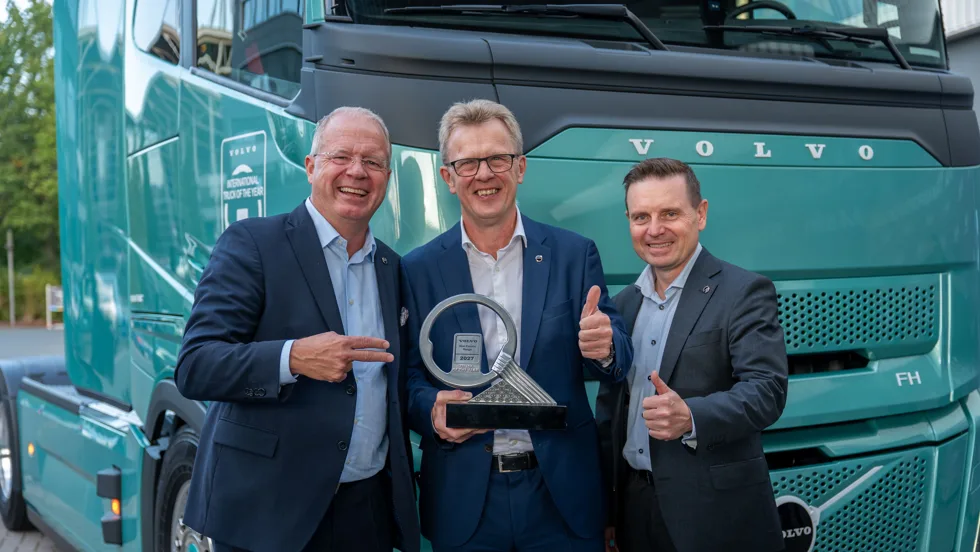
Volvo Trucks’ Electric Range Named International Truck of the Year 2027
The award recognizes Volvo’s global heavy-duty electric lineup, while more than 750 VNR Electric trucks have accumulated nearly 37 million miles in U.S. and Canadian fleet operations.
Read More →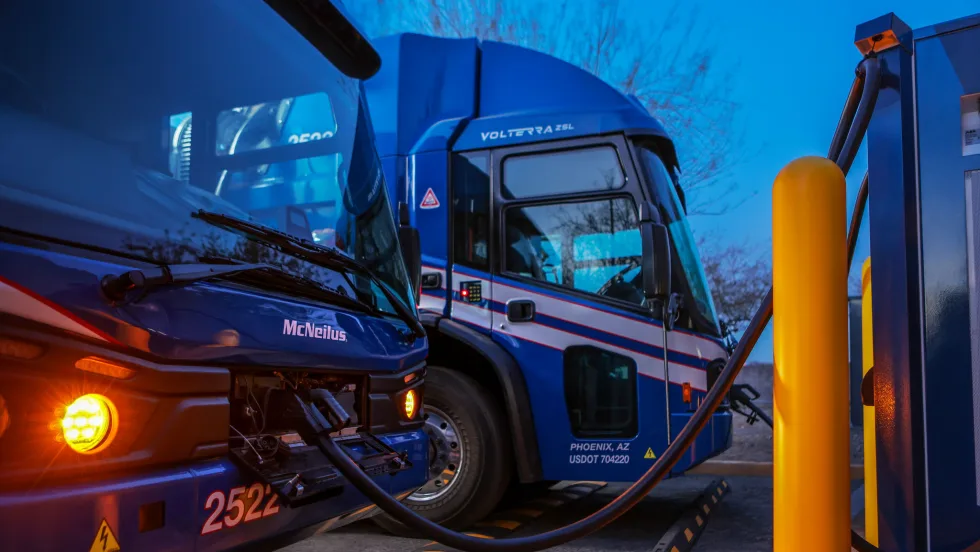
How Republic Services Decides Where Its Next Electric Trucks Can Go
With 250 electric collection trucks now in service, Republic Services is learning that scaling electrification depends less on proving the vehicle and more on whether each site can support what comes next.
Read More →
EV Charging Use Is Outpacing Infrastructure Growth
ChargePoint’s 2026 Charging Forward Report points to rising charger use, higher-powered charging, commercial vehicle electrification, and energy-management technology. Here’s what fleets should know.
Read More →
EV Realty Names Henrik Holland President as Charging Platform Expands
The former Prologis Mobility and Shell executive will help expand EV Realty’s truck charging business and move its power-first infrastructure model into autonomous vehicle depots and other fleet sectors.
Read More →
GreenPower Expands New Mexico EV Pilot With Larger Buses, V2G Testing
After logging more than 17,000 electric miles in the first year, New Mexico’s statewide pilot is moving into its second phase with larger vehicles, continued charging evaluations, and more.
Read More →
Can EV-as-a-Service Help Fleets Scale Electrification?
Sustainability Partners CEO Adam Cain explains how matching EVs, charging infrastructure, and duty cycles can help fleets scale electrification.
Read More →
How EV-as-a-Service Is Moving Fleets Beyond Pilots
Adam Cain, president and CEO of Sustainability Partners, explains how EV-as-a-service can help fleets scale deployments by addressing duty-cycle requirements and charging challenges.
Read More →