


How a Smarter, Renewable Power Grid Can Serve EV Fleets
Utilities and fleets can work together on a connected platform approach to make electric vehicle usage easier and cheaper.
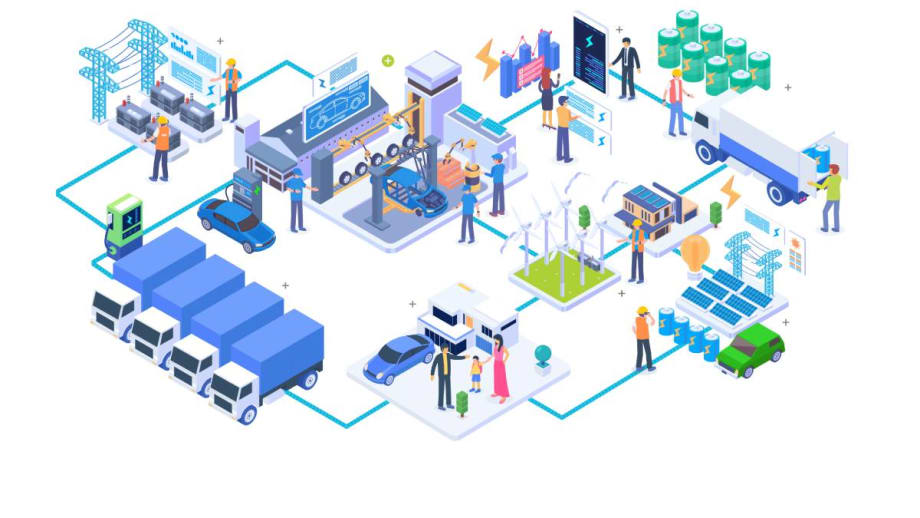
Today's challenge for industry practitioners is solving the fundamental problem of exponential load growth in the context of the existing utility-built network environment within a relatively short period, all while EV adoption grows.
Graphic: Rhythmos
Vehicle electrification and renewable energy have the potential to radically decarbonize the world. From only 13% today, electric vehicles (EVs) could make up 55% of total global vehicle sales by 2030, according to consultant EY.
Indeed, as the transition to EVs accelerates, the electricity infrastructure will need to adapt. Ideally, the new energy economy will be characterized by flexible, open, and distributed clean energy sources accessed through intelligent and consumer-friendly systems.
But can the existing grid infrastructure and utility network accommodate this shift?
Big Promise or Bigger Problem?
This transition will impact every utility in the United States — the size of the region doesn’t matter, nor whether it is mountainous or flat, coastal or inland. To meet the projected electricity demands for charging electric vehicles, U.S. generation capacity will need to double by 2050, notes the US. Energy Information Administration.
However, today’s electric grid is complex, at times unpredictable, and desperately underinvested, with infrastructure already past its expected life. Beyond the hefty price tag associated with the necessary grid modernization, regulatory and supply chain hurdles will slow development.
Furthermore, since the new generation will need to come from low-carbon, renewable resources, it isn’t just a matter of adding more generation when you need more power. Instead, it will require creating flexibility by way of energy storage, solar, wind, and vehicle electrification as power sources for later use — and this will mean creating additional transparency across the electric grid with intelligent energy management capabilities.
Three things are clear:
We need to aggressively add new generation capacity
We need to manage existing grid assets more effectively to extend their life
We need to manage major new loads — EVs in particular — or risk grid failures.
Utility Systems and Their Challenges
The concept of “orchestration” — connecting and coordinating multiple systems on the grid through a central solution — has been well understood in the industry for over a decade.
These technologies include distributed energy resources (DERs), DER management systems (DERMS), and advanced distribution management systems (ADMS). The technologies give the utility more control at the grid edge but are typically limited in their reach and coordination of both front-of-the-meter (FTM) and behind-the-meter (BTM) assets simultaneously.
Furthermore, the time, resources, and cost to implement these systems are significant. Utility networks have evolved over time, with layers of new added on top of or alongside old, increasing integration challenges.
A typical DERMS implementation can run to tens of millions of dollars (depending on functionality and breadth) and take two to five years to deploy fully. This can limit traditional implementations to only the largest investor and municipally owned utilities.
Today's challenge for industry practitioners is solving the fundamental problem of exponential load growth in the context of the existing utility-built network environment within a relatively short period, all while EV adoption grows.
But how do you overcome the lengthy build-out timelines, the costs for infrastructure expansion, and the complexity associated with integration? Utility practitioners, fleet operators, and fleet managers need:
A more flexible operating platform so that they can identify, manage, and control distributed assets alongside an increasingly constrained network
To leverage the systems they already have in place to extract more value and improve their return on capital investment.
A Holistic Approach Can Pay Dividends
The answer lies in broader, more holistic orchestration of grid systems and services —specifically, in a cloud-based (private or public) platform that acts as a system-of-systems. Such a platform would extend beyond the substation to coordinate systems, devices, and stakeholders intelligently and simultaneously across generation, transmission, distribution, markets, and the grid edgeb—bboth in front of and behind the meter.
There are five essential characteristics that this platform would need to have:
Identifies assets on the network, with a high-fidelity view into what’s happening at the grid edge, including holistic transparency into all-electric vehicles in a utility service territory and all grid network and customer assets that those EVs impact.
Characterizes network asset loads and customer charging characteristics as part of the entire network topology, including the vehicles, drivers, site, and business.
Contextualizes the customer's operating requirements and constraints, removing concerns about demand charge impact or unexpected grid interconnect charges.
Supports decision-making using holistic predictive algorithms while extending the functionality of any existing built environment (including charge management systems, advanced metering infrastructure (AMI), supervisory control and data acquisition (SCADA) systems, DERMS, and graphical information systems (GIS).
Engages with and delivers information tailored to individual users across the utility and fleet ecosystem, whether that’s distribution operations, distribution planning, customer programs, energy traders, rate and tariff analysts, fleet managers, operators, or planners.
Building on these principles, Rhythmos designed a modern analytics platform from the ground up as a simple, intuitive, and user-enabling platform that addresses the needs of fleet managers, operators, and planners alongside its utility partners.
Meanwhile, the platform provides scalable, modular functionality — meaning it offers an \integrated, and transparent network solution that can grow with a utility or fleet, adding functionality when the need arises without a replacement or additional solution.
This modularity lets the platform meet the customer where they are. For example, utilities that need help today with transformer loading in the future could add geographic information systems (GIS) cleanup, EV detection and forecasting, EV planning scenarios, EV optimization, and full DER integration.
Key Goals of a Smarter Power Grid
Today’s grid requires predictability, flexibility, and smart energy management to enable faster, more reliable, and cost-efficient EV adoption for fleets and utilities. Today’s grid needs a solution that:
Creates transparency in near real-time for both utilities and their EV customers.
Is simple, integrating with and extending the value of existing systems and providing an easy-to-use interface.
Can be implemented quickly — in months versus years.
Is much less expensive than a typical ADMS/DERMS deployment.
Serves multiple stakeholders across the utility, DER, and fleet industry.
This end-to-end approach offers a new way to address an estimated $7 trillion gridmodernization problem, speeding up a cost-efficient transition from fossil fuels to clean, renewable energy and decarbonized transportation.
Ken Munson is the CEO of Rythmos, a provider of grid optimization technology.
More Operations
The EV Breakdown Nobody's Talking About: Why Most Electric Vehicle Roadside Calls Aren't Mechanical Failures
Here's why EV breakdowns are widely misunderstood.
Read More →
Xos White Paper Asserts LA Olympics Will Lack Enough EV Chargers
The commercial EV fleet company recommends some faster and more flexible remedies to relieve the anticipated shortfall.
Read More →
ChargePoint, Optimus Expand Fast-Charging Network Across Southeastern U.S.
ChargePoint will serve as the exclusive solutions provider, delivering hardware, software, and services to support Optimus’ growing charging network.
Read More →
Running A Profitable Electric Rental Fleet
How do you successfully operate an all-electric rental car fleet? Whether you manage a rental fleet or another commercial fleet, this conversation offers practical lessons on deploying, operating, and scaling electric vehicles.
Read More →
Registration Opens for 2026 Fleet Forward Conference
Held on the East Coast for the first time, the Washington, D.C.-area event features expert-led education, a new IIHS Crash Test Experience, and collocation with the NAFA’s Fleet Safety Symposium.
Read More →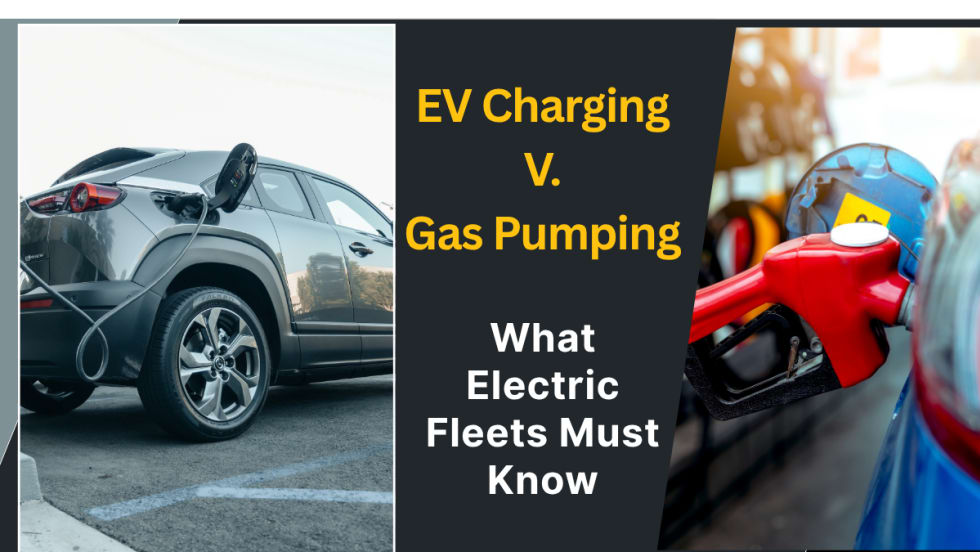
Why Charging May Never Be As Easy As Filling Up Gas
A seamless charge depends on a string of independent companies getting it right together, every time. How can electric fleets navigate the challenges to create a successful charging plan?
Read More →
Slate Debuts Colorful, Unique EV Models
A recent media and client event, studded with electric vehicles dressed up on platforms, planted a new position for the manufacturer in the wider EV market. Fleets will find cost-saving advantages.
Read More →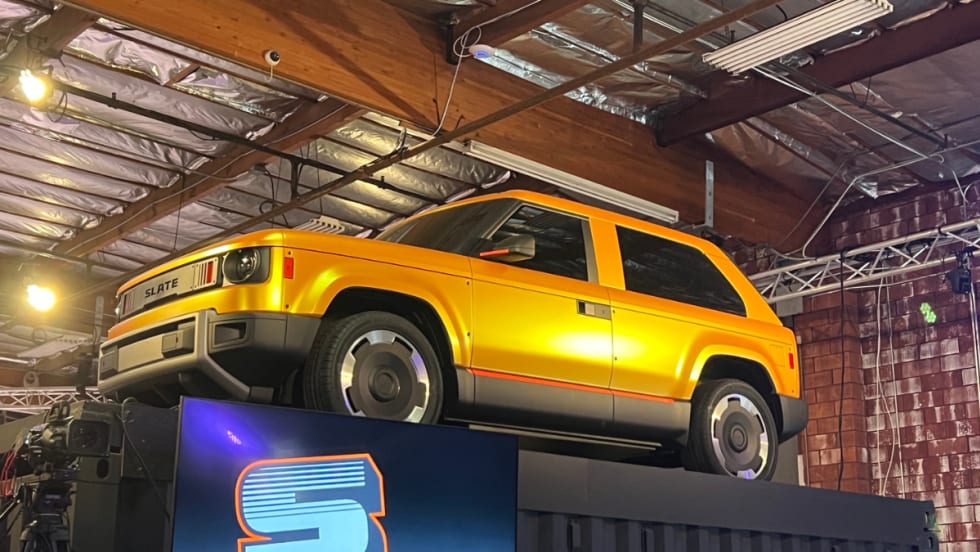
Slate Electric SUV, Pickup Switchable Model Aims For Light-Duty Fleets
Everything about this EV is counterintuitive and understated, making it stand out from the crowd.
Read More →
Polestar Barred from U.S. Market Under Connected Vehicle Rule
The automaker loses its authorization to sell new vehicles in the U.S., starting with the 2027 model year. Polestar owners will retain access to the brand's service network.
Read More →
Uber, Nuro and Lucid Plan Houston Robotaxi Service in 2027
The tripartite venture brings out the combined advantages of electric vehicles, mobility, and autonomy into ground transportation.
Read More →