


For more information when purchasing an EV, check out our Electric Vehicle Buyer's Guide.
EV Adoption: Take Advantage of Governmental Regulations
Learn how you can offset the initial cost of your electric vehicle when you know the governmental regulations for EVs.
by Ronnie Wendt
September 17, 2021
Through understanding government regulations and incentives, there are opportunities to cut costs and to improve your city and state with EV adoption.
Photo: Getty Images
2 min to read
Governmental regulations and incentives are a top consideration when adopting electric vehicles (EVs). You can offset the initial cost of your electric vehicle when you know the governmental regulations for EVs and are aware of the incentives from the government and manufacturers.
Carbon-Free Zones
Cities are implementing carbon-free zones: a growing movement that will eventually affect fleets, particularly last-mile delivery. For example, Seattle and New York City are two major cities implementing clean fleet plans to reduce emissions and improve sustainability through fleet electrification. From a national level, the Biden Administration is looking to implement point-of-sale consumer EV rebates to increase fleet electrification across the U.S.
EV Incentives for Fleets
Besides government regulations, there are potential incentives to save when switching to an EV. One of which includes the electric vehicle tax credit. This tax credit is a rebate on income taxes funded by the state or federal government. These credits incentivize businesses to purchase electric vehicles by lowering the cost via tax rebates. The U.S. Federal government has provided rebates for over a decade.
When looking into these rebates, be sure to consider the following:
How do electric vehicle tax credits work?
How do you claim a tax credit?
Where are these credits currently?
Manufacturers offer rebates as well to offset the cost of EVs. However, these incentives are constantly changing. Be sure you know the available rebates before entering the sales process.
Carbon Neutral Ports
Lastly, another new political movement to consider is carbon neutral ports that will impact Class 6 through Class 8 vehicles. Currently, the EU is striving toward reducing emissions and aims to decrease emissions by 50% by 2030. These efforts will quickly spread to the United States in years to come.
By understanding government regulations and incentives, there are opportunities to cut costs and improve your city and state with EV adoption.
Originally posted on Automotive Fleet
Subscribe to Our Newsletter
More Electric Vehicles
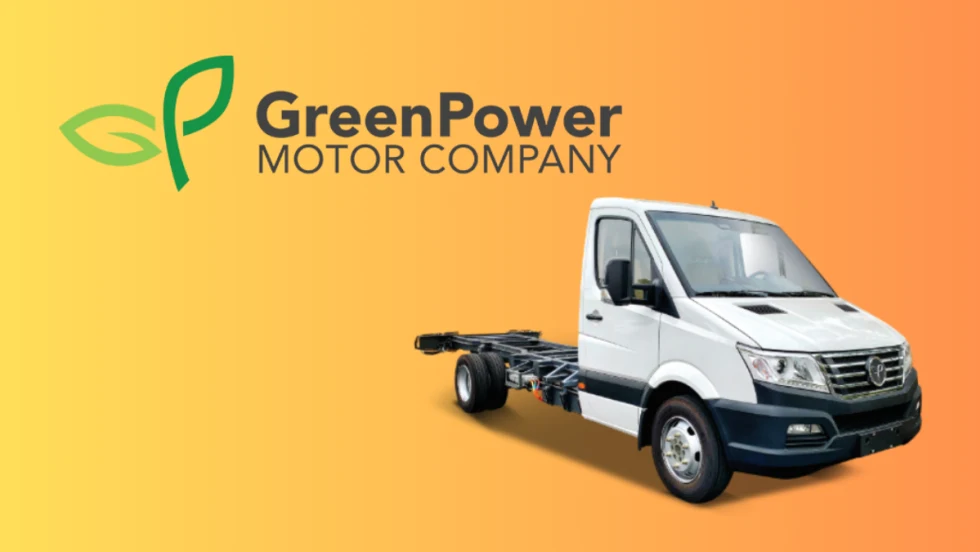
GreenPower Plans 50 Electric Shuttle Buses for Mexico
GreenPower plans to build 50 electric shuttle buses for Mexico using its EV Star Cab & Chassis platform, partnering with local body builders to expand its market reach.
Read More →
Who You Gonna Call? Rivian Turns Electric Vehicles Into Ghostbusters Rides
Rivian teams up with Sony Pictures for a Ghostbusters-inspired Halloween software update, complete with custom sounds, lighting effects, and a special Ecto-R1.
Read More →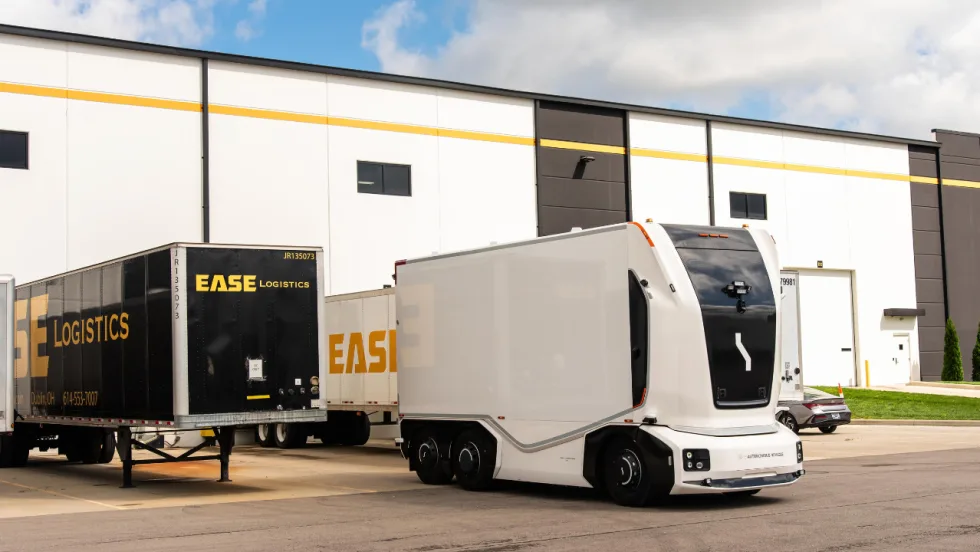
Einride Electric Driverless Trucks Begin Daily Freight Operations in Ohio
Two cabless electric trucks are now moving freight between EASE Logistics facilities, putting autonomous EV technology into daily commercial operations.
Read More →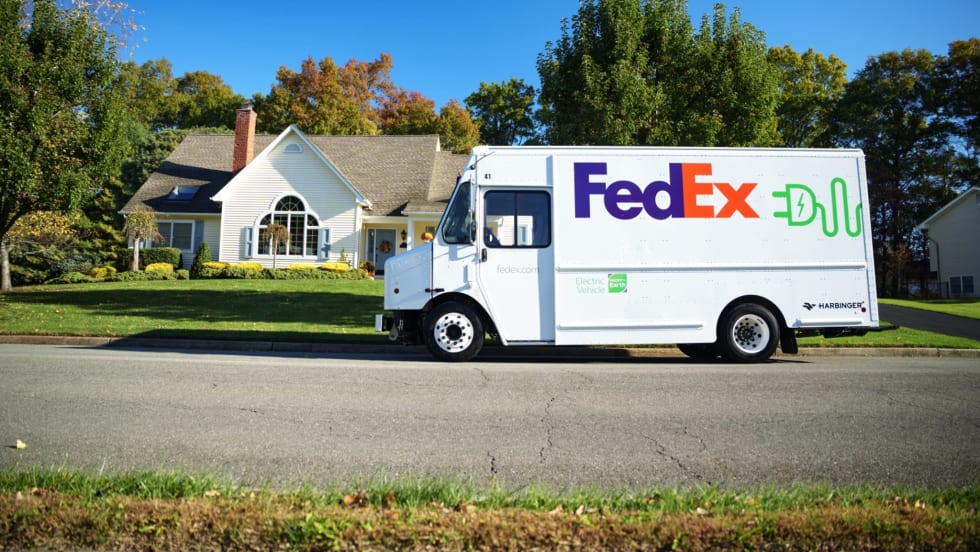
FedEx Orders 2,000 Harbinger Electric Trucks in $300 Million Deal
The Class 5 and 6 electric trucks are planned for delivery by the end of 2027 and will be deployed in FedEx pickup and delivery operations across the U.S. and Canada.
Read More →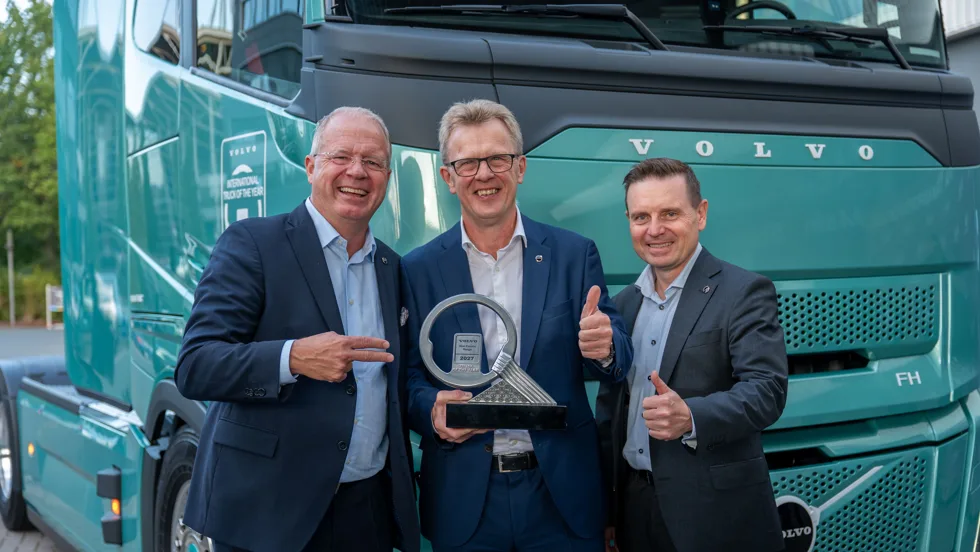
Volvo Trucks’ Electric Range Named International Truck of the Year 2027
The award recognizes Volvo’s global heavy-duty electric lineup, while more than 750 VNR Electric trucks have accumulated nearly 37 million miles in U.S. and Canadian fleet operations.
Read More →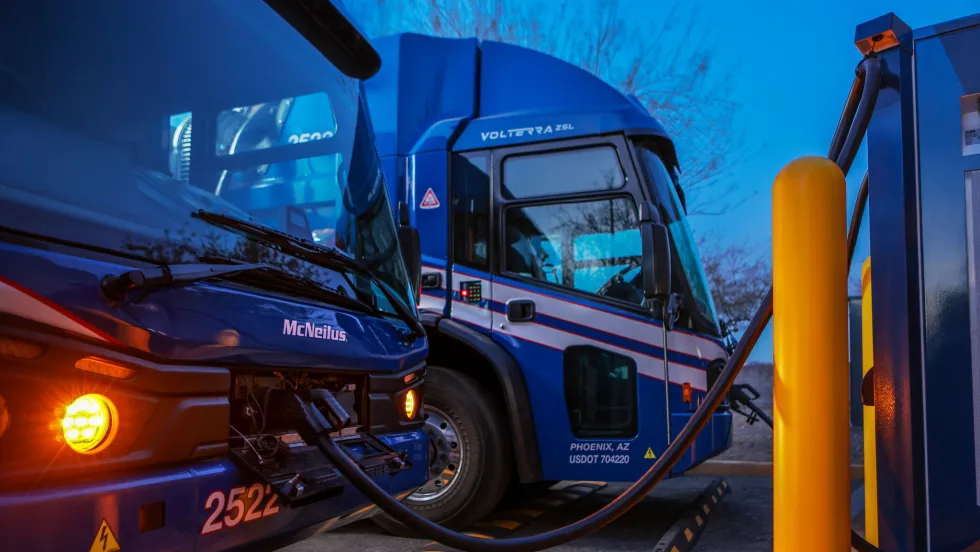
How Republic Services Decides Where Its Next Electric Trucks Can Go
With 250 electric collection trucks now in service, Republic Services is learning that scaling electrification depends less on proving the vehicle and more on whether each site can support what comes next.
Read More →
EV Charging Use Is Outpacing Infrastructure Growth
ChargePoint’s 2026 Charging Forward Report points to rising charger use, higher-powered charging, commercial vehicle electrification, and energy-management technology. Here’s what fleets should know.
Read More →
EV Realty Names Henrik Holland President as Charging Platform Expands
The former Prologis Mobility and Shell executive will help expand EV Realty’s truck charging business and move its power-first infrastructure model into autonomous vehicle depots and other fleet sectors.
Read More →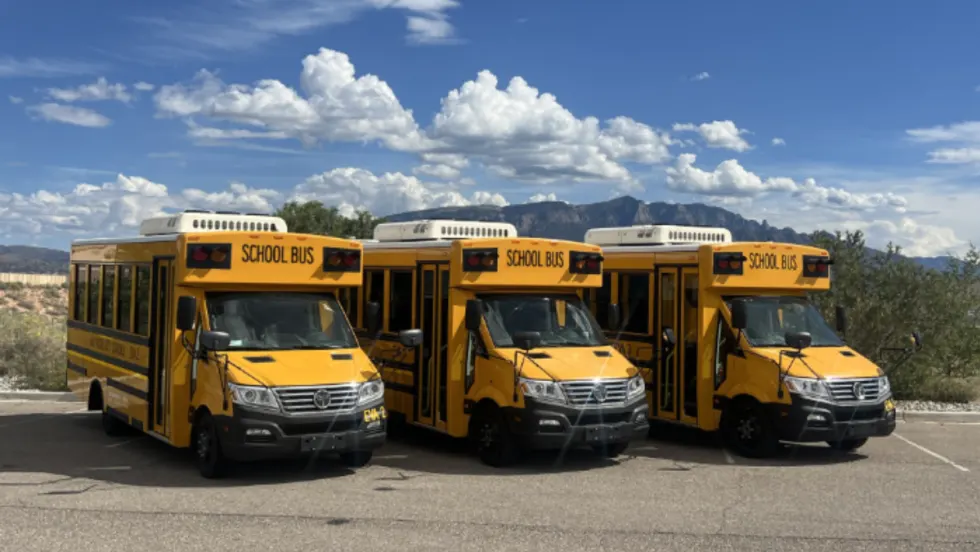
GreenPower Expands New Mexico EV Pilot With Larger Buses, V2G Testing
After logging more than 17,000 electric miles in the first year, New Mexico’s statewide pilot is moving into its second phase with larger vehicles, continued charging evaluations, and more.
Read More →
Can EV-as-a-Service Help Fleets Scale Electrification?
Sustainability Partners CEO Adam Cain explains how matching EVs, charging infrastructure, and duty cycles can help fleets scale electrification.
Read More →