



Learn More: EVs Now Thrown On The Free Market
2025 EV Sales Only Fell 2% Despite Q4 Plunge
Thanks in part to record volume in Q3, total EV sales last year came in just shy of 2024’s 1.30 million.
January 14, 2026
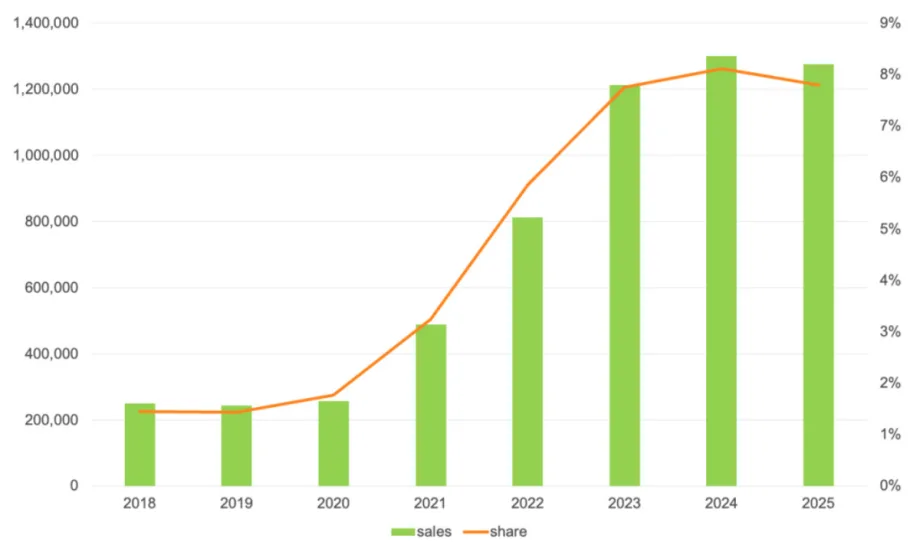
2025 was the second-best year on record for EV sales in the U.S., and the EV share of total market sales was a strong 7.8%,
Credit: Cox Automotive
3 min to read
As widely forecast, sales of new electric vehicles (EVs) in the U.S. fell sharply in the fourth quarter, following record-breaking results in Q3.
With government-backed sales incentives ending at the start of October, total EV sales in Q4 plunged to 234,000 units, down 46% from Q3 and 36% year over year. Sales in the final quarter of 2025 were at the lowest point since Q4 2022.
While the Q4 collapse will command headlines, total EV sales in calendar year 2025 tell a different story: Thanks in part to record volume in Q3, total EV sales last year came in just shy of 2024’s 1.30 million. In fact, 2025 was the second-best year on record for EV sales in the U.S., and the EV share of total market sales was a strong 7.8%, down from 8.1% a year earlier, according to Kelley Blue Book estimates.
“2025 unfolded largely as anticipated, with changes to federal EV incentives reshaping the demand patterns that drove record Q3 sales,” said Stephanie Valdez Streaty, director of industry insights at Cox Automotive, in a Jan. 13 news release. “Rather than signaling a retreat from electrification, this shift marks a structural transition toward a market increasingly driven by consumer choice. While 2026 will bring challenges, momentum remains grounded in market maturation: expanding model availability across price points, improving charging reliability, and continued advances in battery performance and cost.”
Tesla remains the EV market leader, by far, despite sales declining for the second consecutive year after peaking in 2023. Nearly half of all EVs sold in the U.S. come from Tesla, primarily the Model 3 and Model Y. Tesla sales fell to 589,000 in 2025, down 7%, or 44,000 vehicles, from 2024.
While Tesla’s sales declined, General Motors’ sales accelerated thanks to strong new models. GM sold more than 150,000 EVs in 2025, up 48% year over year and now accounting for 13% of total EV sales in the U.S. Chevrolet and Cadillac lead GM’s EV push with strong-performing models. While volume remains modest compared to Tesla, GM has clearly established its position as the market’s EV leader not named Tesla (AKA No. 2).
The Next Chapter Begins
Electric-vehicle share of total U.S. new-vehicle sales peaked at 10.5% in Q3 2025, then fell to 5.8% in Q4, roughly equal to the share in the first half of 2022.
Cox Automotive expects EV share in the year ahead to be near 8%, as new product enters the market, infrastructure improves, and consumer confidence in EV technology continues to grow.
New vehicles, including the affordable 2026 Chevrolet Bolt, the Rivian R2, and a new generation of BMW EVs – as personified in the soon-to-launch BMW iX3 SUV – will help write the next chapter of EV sales in the U.S.
Government policy remains a wildcard in this equation. Recent moves by the current administration suggest less regulatory pressure to improve fuel economy and reduce emissions, leaving growth largely in the hands of automakers and consumers.
Still, Cox Automotive believes EV sales will increase in the long run, and the U.S. market will become more electrified in the coming decade, with product innovation and infrastructure improvements supporting gradual sales growth. The automotive market in the U.S. is more than 100 years old. Change takes time.
More Electric Vehicles

Who You Gonna Call? Rivian Turns Electric Vehicles Into Ghostbusters Rides
Rivian teams up with Sony Pictures for a Ghostbusters-inspired Halloween software update, complete with custom sounds, lighting effects, and a special Ecto-R1.
Read More →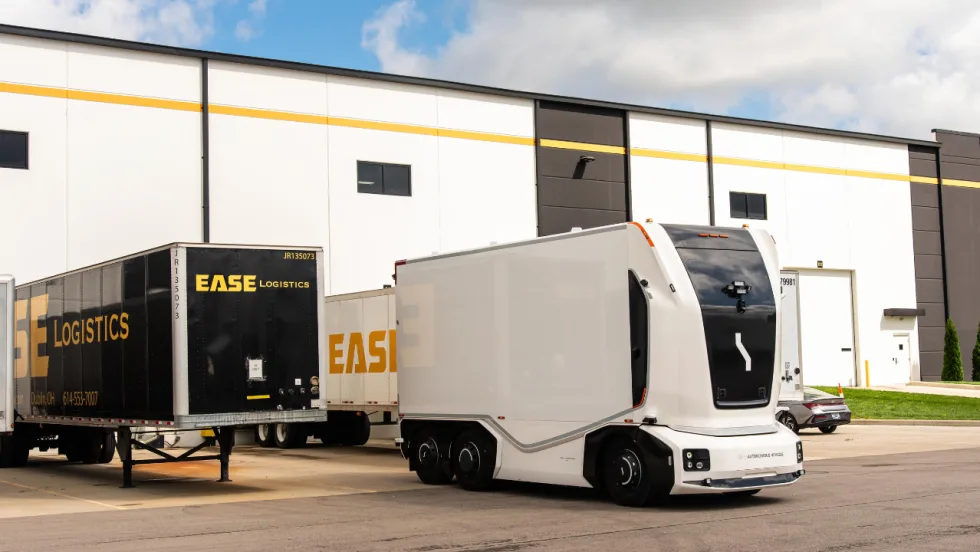
Einride Electric Driverless Trucks Begin Daily Freight Operations in Ohio
Two cabless electric trucks are now moving freight between EASE Logistics facilities, putting autonomous EV technology into daily commercial operations.
Read More →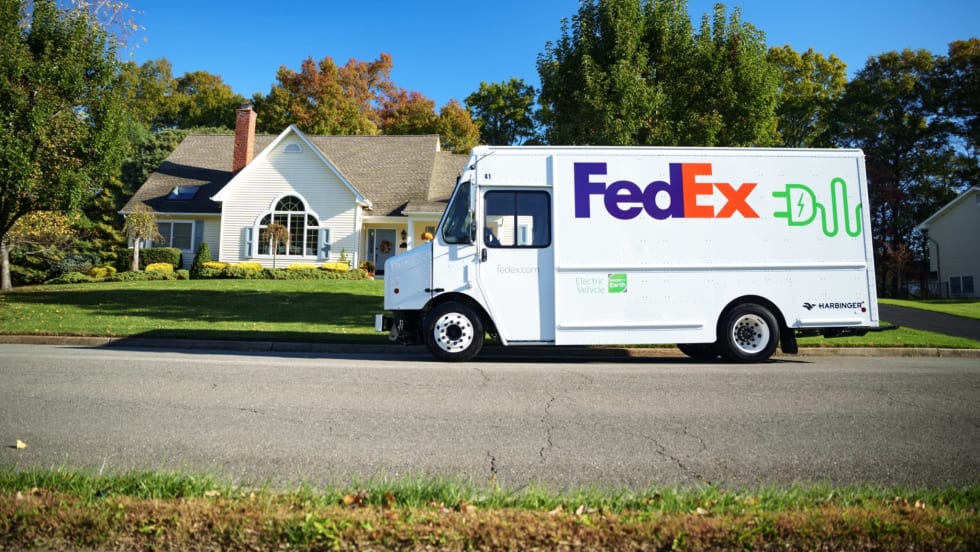
FedEx Orders 2,000 Harbinger Electric Trucks in $300 Million Deal
The Class 5 and 6 electric trucks are planned for delivery by the end of 2027 and will be deployed in FedEx pickup and delivery operations across the U.S. and Canada.
Read More →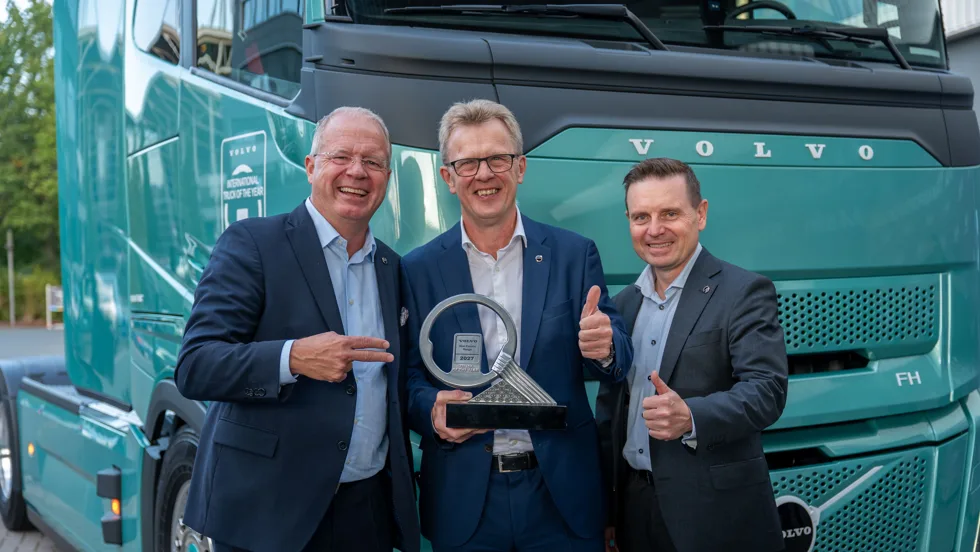
Volvo Trucks’ Electric Range Named International Truck of the Year 2027
The award recognizes Volvo’s global heavy-duty electric lineup, while more than 750 VNR Electric trucks have accumulated nearly 37 million miles in U.S. and Canadian fleet operations.
Read More →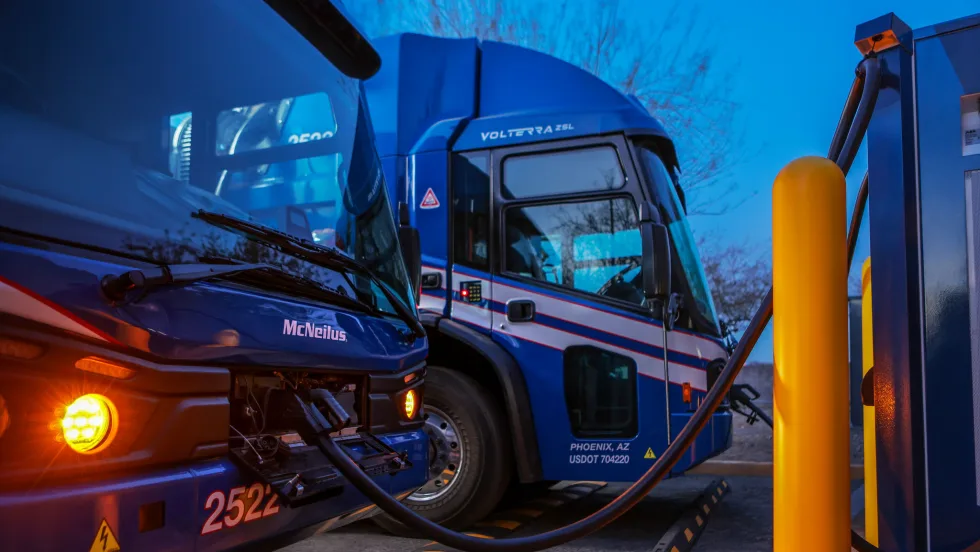
How Republic Services Decides Where Its Next Electric Trucks Can Go
With 250 electric collection trucks now in service, Republic Services is learning that scaling electrification depends less on proving the vehicle and more on whether each site can support what comes next.
Read More →
EV Charging Use Is Outpacing Infrastructure Growth
ChargePoint’s 2026 Charging Forward Report points to rising charger use, higher-powered charging, commercial vehicle electrification, and energy-management technology. Here’s what fleets should know.
Read More →
EV Realty Names Henrik Holland President as Charging Platform Expands
The former Prologis Mobility and Shell executive will help expand EV Realty’s truck charging business and move its power-first infrastructure model into autonomous vehicle depots and other fleet sectors.
Read More →
GreenPower Expands New Mexico EV Pilot With Larger Buses, V2G Testing
After logging more than 17,000 electric miles in the first year, New Mexico’s statewide pilot is moving into its second phase with larger vehicles, continued charging evaluations, and more.
Read More →
Can EV-as-a-Service Help Fleets Scale Electrification?
Sustainability Partners CEO Adam Cain explains how matching EVs, charging infrastructure, and duty cycles can help fleets scale electrification.
Read More →
How EV-as-a-Service Is Moving Fleets Beyond Pilots
Adam Cain, president and CEO of Sustainability Partners, explains how EV-as-a-service can help fleets scale deployments by addressing duty-cycle requirements and charging challenges.
Read More →