



Related News: SparkCharge Secures $30.5M to Expand Mobile EV Charging Across North America
SparkCharge Launches AI-Driven EV Charging System
The new SparkAI platform aims to accelerate fleet electrification through faster planning and reduced infrastructure costs.
November 14, 2025

SparkCharge’s SparkAI platform uses automated planning tools to cut charging infrastructure costs and speed up fleet electrification.
Photo: SparkCharge
2 min to read
SparkCharge has launched SparkAI, a planning platform designed to help commercial EV fleets deploy charging infrastructure faster and with less reliance on local grid capacity.
The company said the tool aims to reduce the long lead times — often exceeding a year — that fleets face when waiting for utility upgrades.
SparkAI uses real-time data to analyze variables such as fleet size, duty cycles, power availability, weather, and site conditions. It produces recommended charging designs in under a minute, tailored for fleets from five vehicles to more than 5,000 across North America.
“Electrification planning is often slowed by grid limitations,” said Joshua Aviv, SparkCharge founder and CEO, in a recent news release. “We built SparkAI to give fleets a practical way to move forward without getting stuck behind utility timelines.”
The system can support deployments in as little as three days by incorporating hybrid or off-grid charging options using the company’s portable battery systems and power hubs, SparkCharge said.
Deployment Strategies for Grid-Limited Sites
SparkAI evaluates each site’s local constraints to recommend grid-connected, hybrid, or off-grid solutions based on power availability and operational needs. The goal is to make electrification feasible in areas where traditional charging installations have been difficult, including rural routes, urban cores, industrial zones, and regions with restricted utility capacity.
The platform also enables planners to schedule charging to avoid peak demand or rely on independent power sources where appropriate, which SparkCharge said could ease pressure on the grid as demand from data centers and other high-load sectors rises.
SparkCharge reports that fleets using SparkAI may reduce infrastructure and operational costs by 15–30% by avoiding oversized systems, minimizing delays, and optimizing energy use.
“Smarter planning improves both deployment speed and return on investment,” said David Piperno, SparkCharge CFO.
Company Growth and Market Position
The platform launch follows a year of expansion for SparkCharge, including deployments at large public events and a recent $30.5 million capital raise to support scaling its Charging-as-a-Service model. SparkCharge continues to develop mobile and stationary charging solutions for fleet operators seeking to expand electrification without the need for extensive infrastructure construction.
More Charging
California Opens $28 Million in EV Fast-Charging Incentives
The Fast Charge California Project offers up to $100,000 per charging port for eligible, ready-to-build public charging projects, with applications open through Jan. 14, 2027.
Read More →
Honda Develops In-Motion Wireless EV Charging Technology for Commercial Vehicles
Honda, Taisei and Taisei Rotec are developing a road-embedded wireless charging system capable of transferring up to 150 kW, with public-road testing planned in Japan beginning in fiscal 2027.
Read More →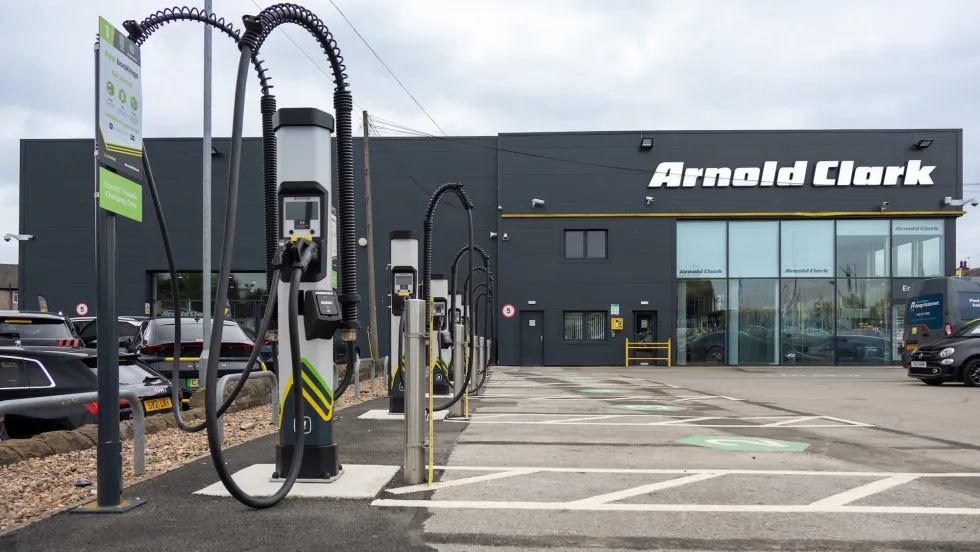
Arnold Clark Charge Opens Six Ultra-Rapid EV Chargers in Huddersfield
The new public charging site brings the Arnold Clark Charge network to 63 locations across the U.K., with charging priced at 55 pence per kWh.
Read More →
ChargerHelp Report Finds EV Charger Recovery Delays Can Stretch Beyond a Month
An analysis of approximately 500 million data points found charging issues requiring multiple work orders took a median of 32 days to resolve, highlighting the operational impact of diagnostics and repair coordination.
Read More →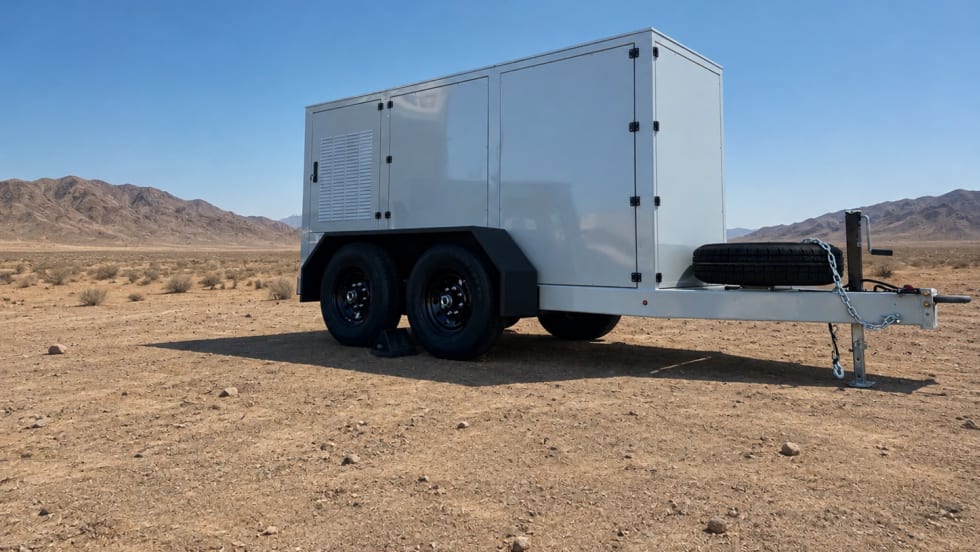
Xos Mobile Charging Hub Surpasses 1 GWh of Energy Delivered
As fleets electrify, charging capacity does not always arrive on the same timeline as the vehicles. Operating data from one Xos Hub shows how mobile, grid-independent charging can support vehicles when permanent infrastructure or utility upgrades aren't available.
Read More →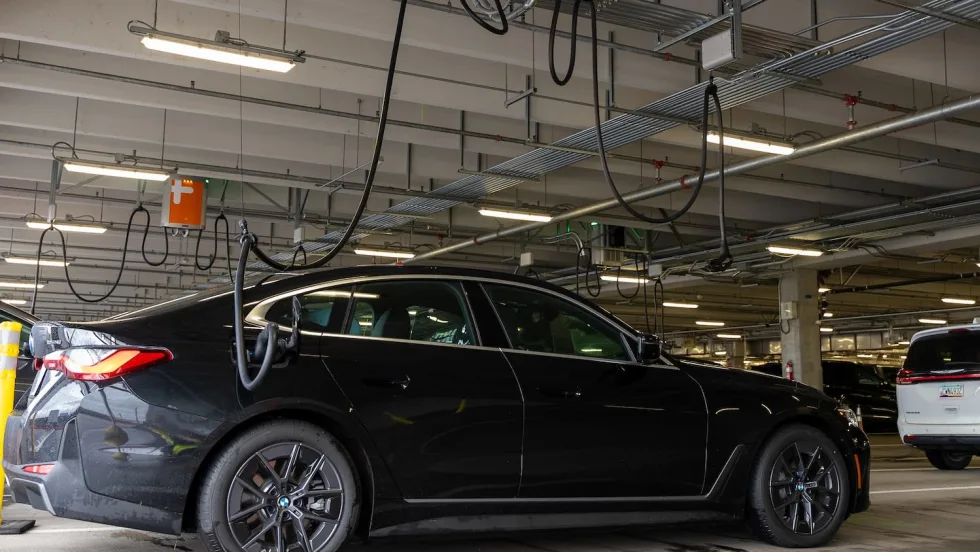
ChargePoint Adds Overhead EV Fast Charging at Portland International Airport
The installation can charge up to 20 rental vehicles simultaneously and uses overhead equipment to preserve ground-level space at the airport's Quick Turnaround Facility.
Read More →
Octopus Energy Launches Public EV Charging App in U.S.
Octopus Charge allows EV drivers to locate and access public charging stations through a single app, building on the company's Electroverse platform in Europe.
Read More →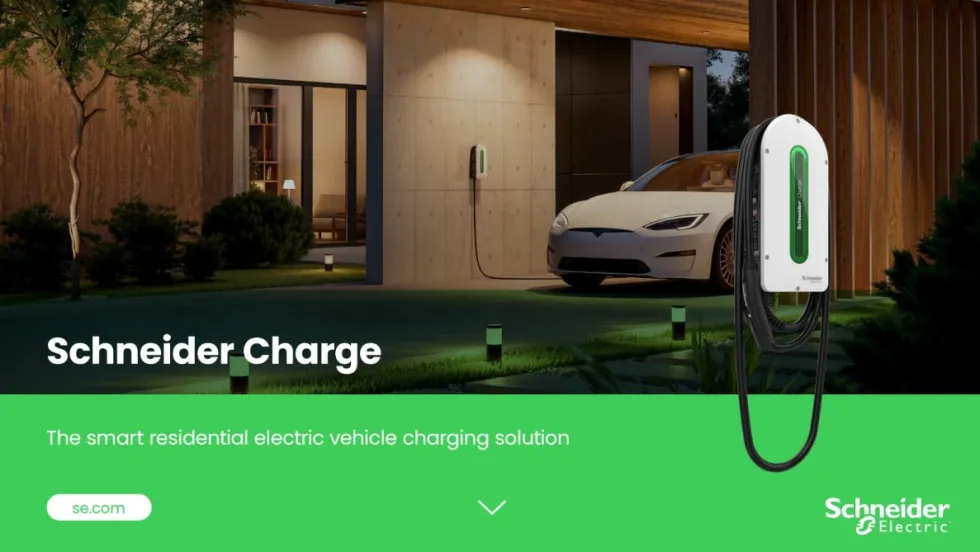
Schneider Electric Launches Level 2 Home EV Charger With Integrated Load Management
Schneider Charge uses integrated SmartAmp technology to adjust charging output based on household electrical demand and is available with NACS or J1772 connectors.
Read More →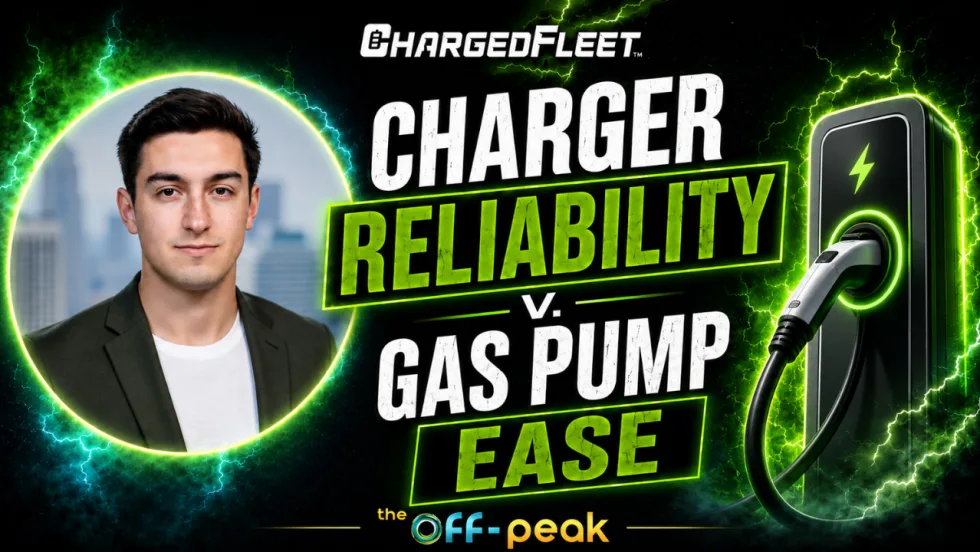
Why EV Charging Reliability Is More Complicated Than It Looks
GridLink CEO Josh Silets explains what causes EV chargers to fail, why fleet operators often struggle to identify the source, and what questions they should ask charging vendors.
Read More →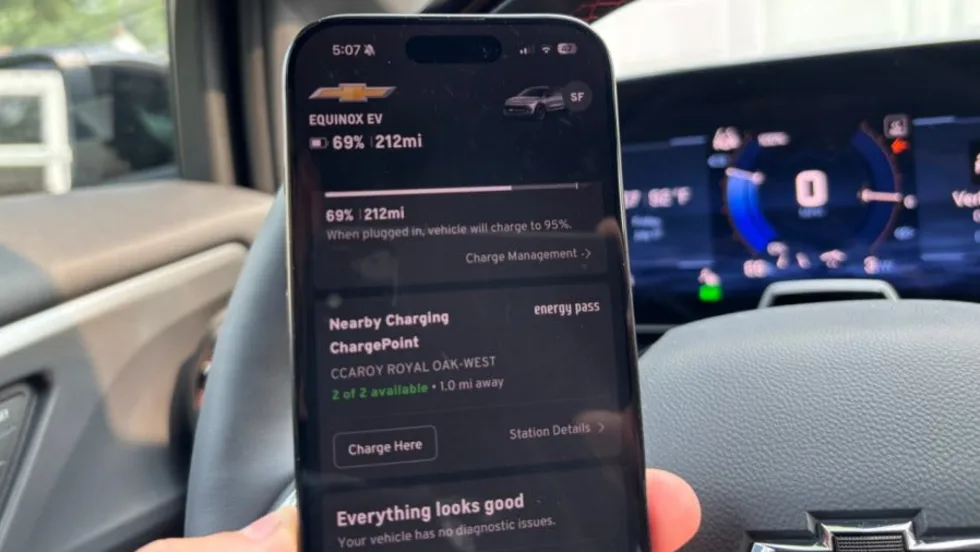
GM Adds ChargePoint Network to Energy Pass Platform
The integration gives GM EV drivers access to additional DC fast chargers and Level 2 stations through a single app while expanding the automaker's public charging ecosystem.
Read More →