



Keep Reading: How Geotab and Vitality Are Optimizing Commercial Fleet Performance
Geotab Unveils Sustainability Center with EV Charge Monitoring to Cut Costs and Boost Efficiency
The new tools would help fleets cut costs, track emissions, monitor EV charging, and optimize fuel efficiency in real time.
February 26, 2025
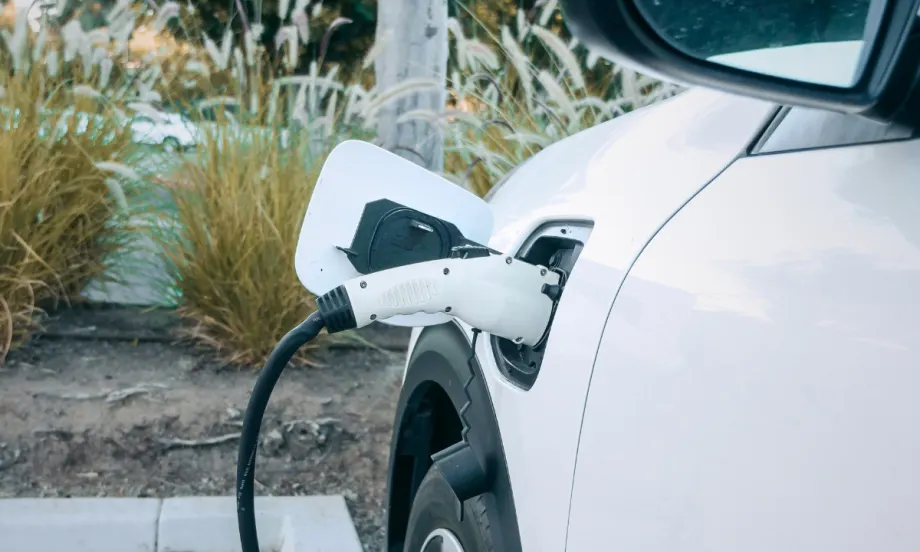
The Geotab Sustainability Center includes a streamlined dashboard to help companies maximize fuel savings, reduce carbon emissions, and simplify compliance.
Photo: Kindel Media via Pexels
2 min to read
Geotab announced it is expanding its connected vehicle platform with the Geotab Sustainability Center and EV Charge Monitoring.
Geotab’s Sustainability Center allows fleet managers to monitor, report, and take action on key metrics — fuel, emissions, idling trends, and electrification potential — within a single, centralized platform to improve efficiency and cost while reducing environmental impact.
Geotab designed the Sustainability Center to fill the data gap, providing management and sustainability teams a go-to hub for cost control, compliance, and operations.
“Even small changes like monitoring idling can have a big impact on operations. The Geotab Sustainability Center empowers fleets with precise data insights to take actions that translate into lower costs while supporting their environmental goals,” said Megan Allen, senior group product manager at Geotab.
Optimizing Fuel, Energy Savings and Performance
The Geotab Sustainability Center includes a streamlined dashboard to help companies maximize fuel savings, reduce carbon emissions, and simplify compliance. This new hub complements the existing centers in MyGeotab, the Geotab Safety Center, and the Geotab Maintenance Center.
Key features:
Idling trends: Understand idling time and fuel wasted, and identify idling hotspots.
Fuel metrics: Assess total fuel and EV energy use, as well as fuel and EV energy economy.
Emissions trends: Track the effectiveness of emissions reduction strategies, such as anti-idling campaigns and electrification.
Electrification insights: Get a snapshot of how many vehicles in the fleet are best fit for replacement with EVs.
Geotab also recently introduced a Greenhouse Gas Emissions Report with a TÜV Rheinland certified calculation method for tracking Scope 1 greenhouse gas (GHG) emissions from fleet vehicles, providing near real-time emissions data for accurate and transparent climate disclosures related to the Corporate Sustainability Reporting Directive (CSRD) and other frameworks.
EV Charge Monitoring — EVs Ready When Needed
To help fleets avoid disruptions to operations, Geotab introduced EV Charge Monitoring, a live monitoring of fleet charge status to ensure EVs are charged and ready to go when needed.
With Geotab EV Charge Monitoring, fleets can identify and resolve charging issues early, maximize uptime, and realize electrification’s fuel cost saving and operational benefits.
With EV Charge Monitoring, fleets can:
Identify and resolve charging problems before they disrupt operations.
Manage a queue of vehicles waiting to charge, even when there are limited available stations.
Make informed dispatch decisions by knowing when EVs will be ready.
Realize the fuel cost savings related to getting EVs on the road.
The Geotab Sustainability Center and EV Charge Monitoring are integrated into MyGeotab, a program used in both the public and private sectors for end-to-end telematics data security.
Originally posted on Automotive Fleet
More Electric Vehicles

GreenPower Plans 50 Electric Shuttle Buses for Mexico
GreenPower plans to build 50 electric shuttle buses for Mexico using its EV Star Cab & Chassis platform, partnering with local body builders to expand its market reach.
Read More →
Who You Gonna Call? Rivian Turns Electric Vehicles Into Ghostbusters Rides
Rivian teams up with Sony Pictures for a Ghostbusters-inspired Halloween software update, complete with custom sounds, lighting effects, and a special Ecto-R1.
Read More →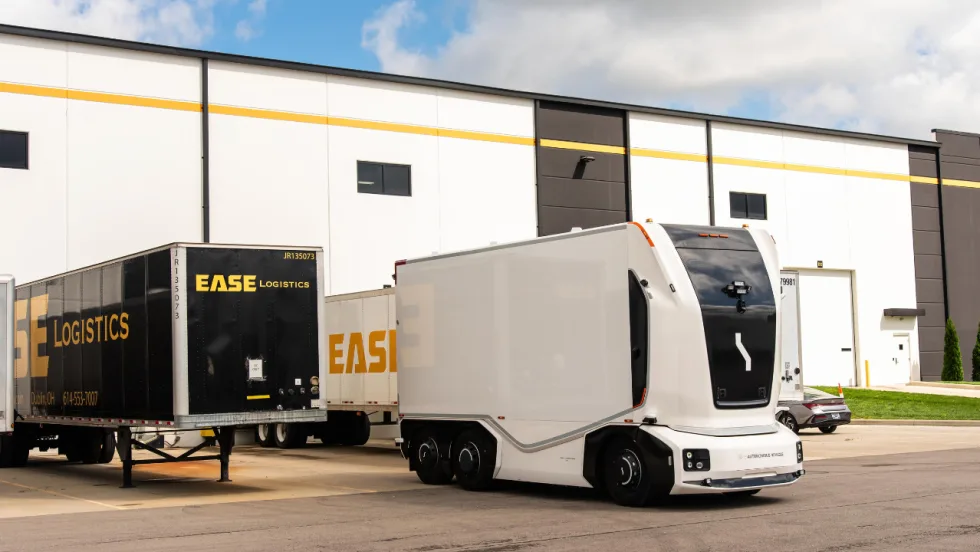
Einride Electric Driverless Trucks Begin Daily Freight Operations in Ohio
Two cabless electric trucks are now moving freight between EASE Logistics facilities, putting autonomous EV technology into daily commercial operations.
Read More →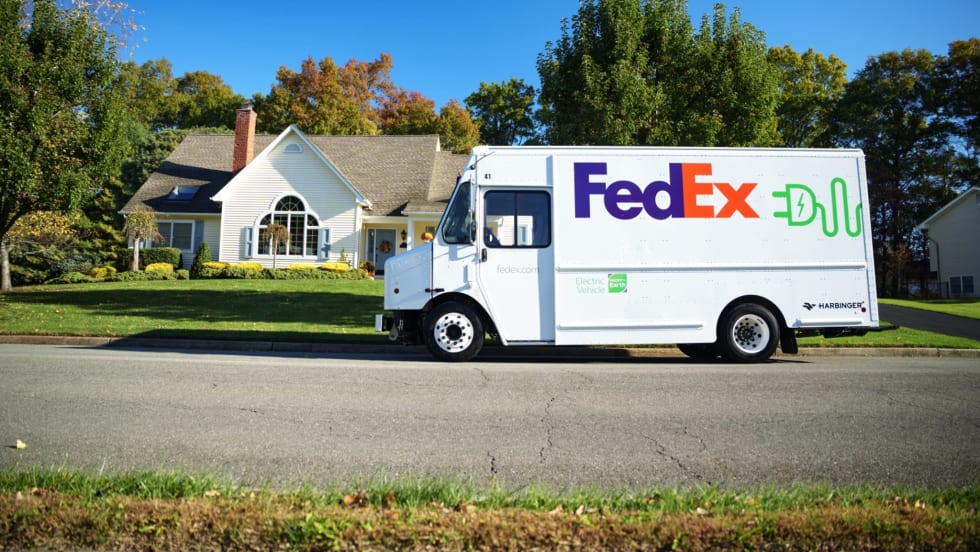
FedEx Orders 2,000 Harbinger Electric Trucks in $300 Million Deal
The Class 5 and 6 electric trucks are planned for delivery by the end of 2027 and will be deployed in FedEx pickup and delivery operations across the U.S. and Canada.
Read More →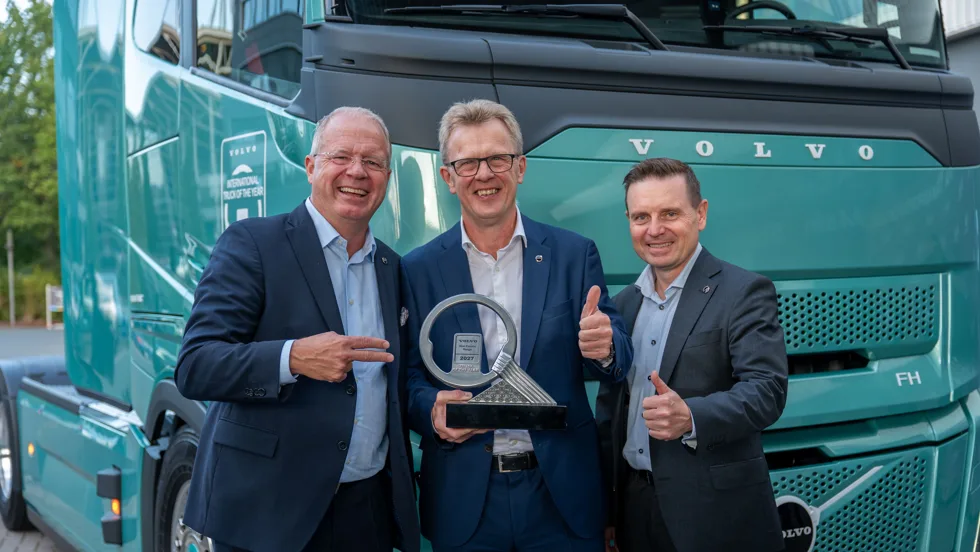
Volvo Trucks’ Electric Range Named International Truck of the Year 2027
The award recognizes Volvo’s global heavy-duty electric lineup, while more than 750 VNR Electric trucks have accumulated nearly 37 million miles in U.S. and Canadian fleet operations.
Read More →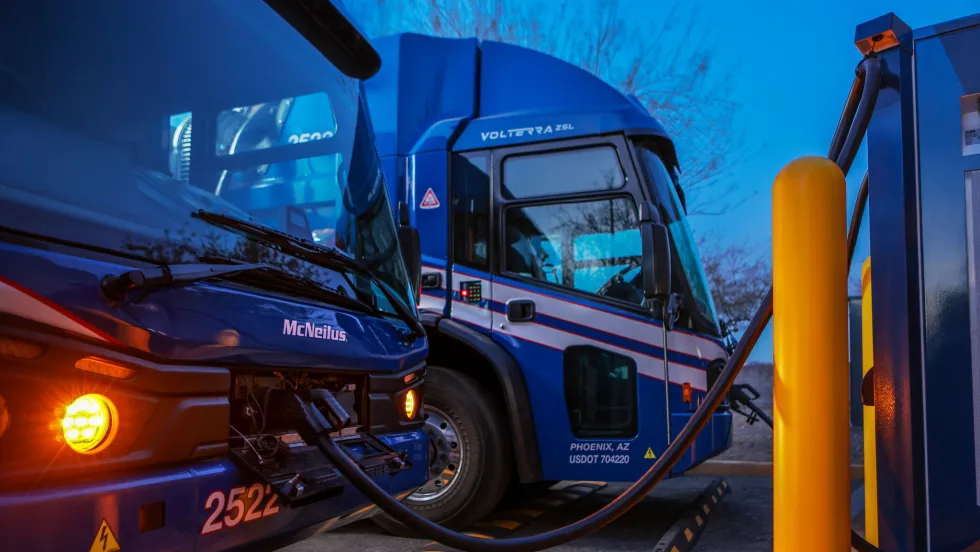
How Republic Services Decides Where Its Next Electric Trucks Can Go
With 250 electric collection trucks now in service, Republic Services is learning that scaling electrification depends less on proving the vehicle and more on whether each site can support what comes next.
Read More →
EV Charging Use Is Outpacing Infrastructure Growth
ChargePoint’s 2026 Charging Forward Report points to rising charger use, higher-powered charging, commercial vehicle electrification, and energy-management technology. Here’s what fleets should know.
Read More →
EV Realty Names Henrik Holland President as Charging Platform Expands
The former Prologis Mobility and Shell executive will help expand EV Realty’s truck charging business and move its power-first infrastructure model into autonomous vehicle depots and other fleet sectors.
Read More →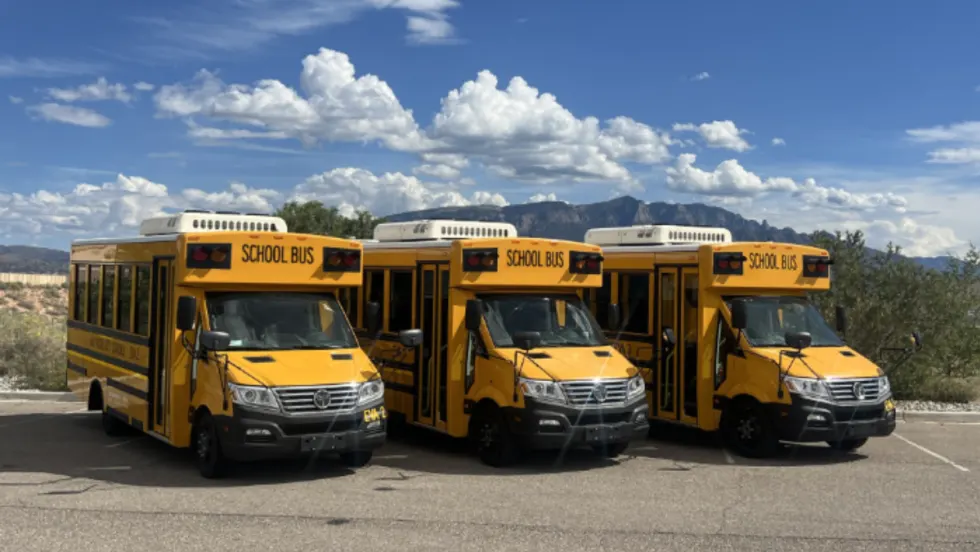
GreenPower Expands New Mexico EV Pilot With Larger Buses, V2G Testing
After logging more than 17,000 electric miles in the first year, New Mexico’s statewide pilot is moving into its second phase with larger vehicles, continued charging evaluations, and more.
Read More →
Can EV-as-a-Service Help Fleets Scale Electrification?
Sustainability Partners CEO Adam Cain explains how matching EVs, charging infrastructure, and duty cycles can help fleets scale electrification.
Read More →