



Going Green: What are Automakers Doing to Bridge the EV Charging Gap?
CARB Rescinds EPA Waiver: What Now for Private Fleets?
A CARB official pointed to uncertainty with the incoming administration as the reasoning behind the move.
January 15, 2025

Despite the ACF requirement for private fleets becoming void, fleets may eventually be left to only purchase ZEVs — depending on vehicle size — in the coming years, due to the Advanced Clean Trucks rule, which lays out requirements for ZEV sales of vehicles by OEMs.
Photo: CARB/Automotive Fleet
2 min to read
The California Air Resources Board has withdrawn its waiver request that was necessary for the Advanced Clean Fleets (ACF) regulation to apply to 'high-priority' private fleets.
High-priority fleets are entities that:
Own, operate, or direct at least one vehicle in California, and that have either $50 million or more in gross annual revenues, or
Own, operate, or have common ownership or control of a total of 50 or more vehicles
What this Means for 'High-Priority' Fleets
The move, which made national headlines, leaves the requirements for private fleets to purchase zero emissions vehicles void.
In a statement, CARB Chair Liane Randolph stated, "While we are disappointed that U.S. EPA was unable to act on all the requests in time, the withdrawal is an important step given the uncertainty presented by the incoming administration that previously attacked California’s programs to protect public health and the climate and has said will continue to oppose those programs."
She continued on to say that CARB is assessing its option to continue its progress as part of its commitment to improve the state's air quality.
The portion of ACF that applied to state and local government fleets continues, as that did not require an EPA waiver.
See how this impacts drayage fleets by reading our coverage on Heavy Duty Trucking.
Why the Pulled Waiver May Not Matter for Fleet Purchases
Fleets may eventually be left to only purchase ZEVs — depending on vehicle size — in the coming years anyway. That's because the Advanced Clean Trucks rule still stands.
Under that rule, which was approved by a separate waiver in 2023, OEMs are required to sell an increasing percentage of their trucks and other vehicles with a gross vehicle weight rating (GVWR) of over 8,500 lbs. as ZEVs.
What About the Other States that Adopted California's ACF Regulation?
Neither California nor the other states that adopted its ACF regulation are allowed to set more stringent rules without the EPA waiver.
Because the other states did not have waivers approved by the EPA either, those regulations are also void.
Originally posted on Automotive Fleet
More Electric Vehicles
EV Charging Use Is Outpacing Infrastructure Growth
ChargePoint’s 2026 Charging Forward Report points to rising charger use, higher-powered charging, commercial vehicle electrification, and energy-management technology. Here’s what fleets should know.
Read More →
EV Realty Names Henrik Holland President as Charging Platform Expands
The former Prologis Mobility and Shell executive will help expand EV Realty’s truck charging business and move its power-first infrastructure model into autonomous vehicle depots and other fleet sectors.
Read More →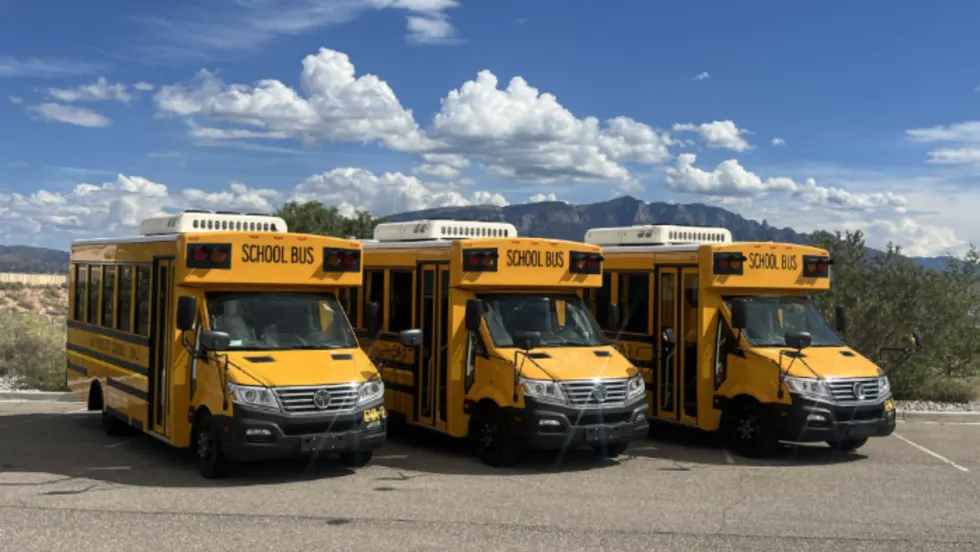
GreenPower Expands New Mexico EV Pilot With Larger Buses, V2G Testing
After logging more than 17,000 electric miles in the first year, New Mexico’s statewide pilot is moving into its second phase with larger vehicles, continued charging evaluations, and more.
Read More →
Can EV-as-a-Service Help Fleets Scale Electrification?
Sustainability Partners CEO Adam Cain explains how matching EVs, charging infrastructure, and duty cycles can help fleets scale electrification.
Read More →
How EV-as-a-Service Is Moving Fleets Beyond Pilots
Adam Cain, president and CEO of Sustainability Partners, explains how EV-as-a-service can help fleets scale deployments by addressing duty-cycle requirements and charging challenges.
Read More →
PowerFlex, The Mobility House Join Forces to Advance Fleet Electrification
Two EV charging providers are joining forces to deliver a broader portfolio of energy management and fleet electrification solutions.
Read More →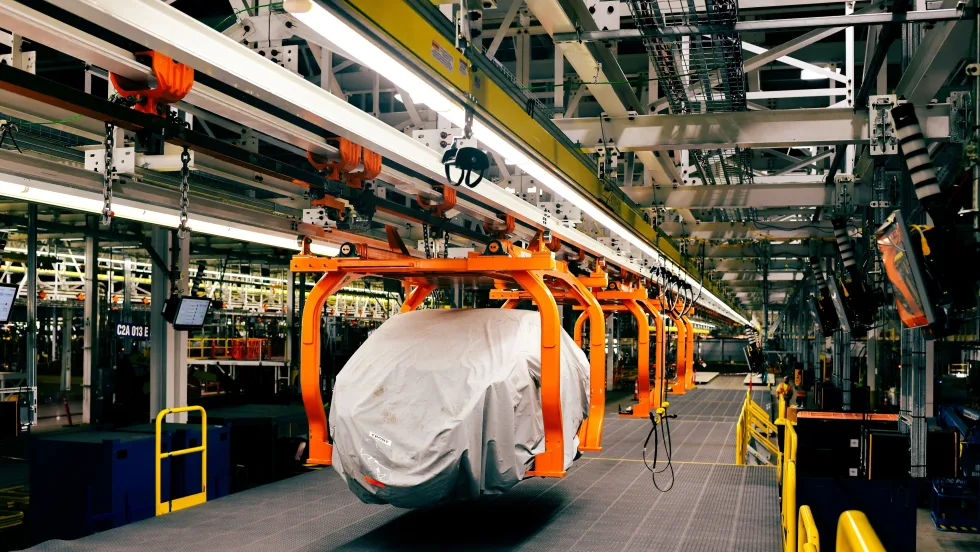
Ford Retools Louisville Plant for Fathom Electric Truck Production
Ford's $2 billion Louisville Assembly Plant overhaul introduces a three-part assembly process for the Fathom midsize electric truck, with production scheduled to begin in 2027.
Read More →
Merchants Fleet Reports 290M EV Miles as Fleets Navigate Changing Electrification Market
From millions in operating savings to hundreds of millions of EV miles, Merchants Fleet’s latest report reveals what’s working and what’s changing in fleet electrification.
Read More →
California District Commits to Electrify 25% of School Bus Fleet by 2028
One of the nation's largest school bus electrification projects to date demonstrates how grants, charging infrastructure, and public-private partnerships can help fleets transition to EVs at scale.
Read More →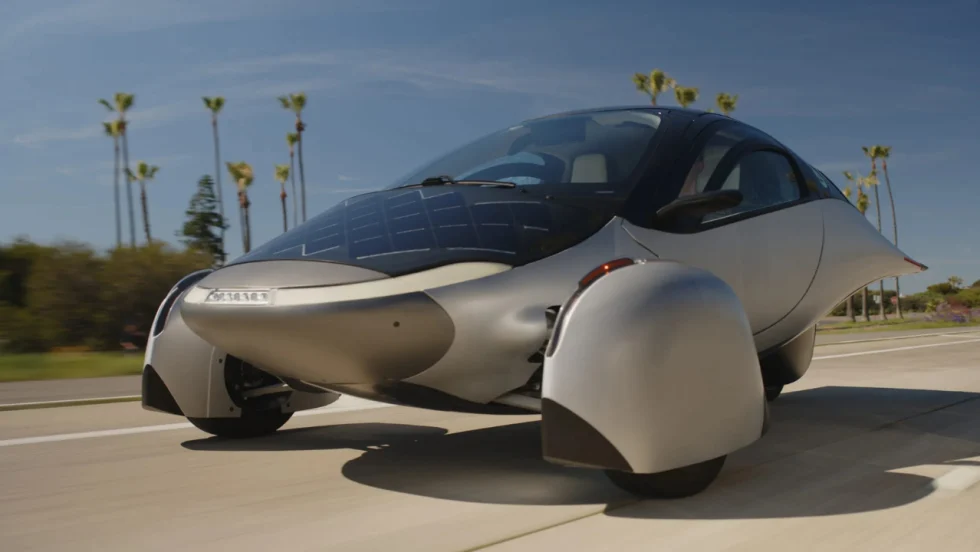
Aptera Orders Bodies and Chassis for Its First 40 Production Vehicles
Aptera Motors Corp. has issued purchase orders for the major structural components of its first 40 vehicles, and body and chassis components are expected to begin arriving in October.
Read More →