



Read More: How to Calculate EV vs. ICE Vehicle Cost Per Mile
Are EVs or ICE Vehicles More Energy Efficient?
A Yale study analyzes how energy is converted to powering the drivetrains of both electric and gas-powered vehicles, and how much energy is lost in each process.
January 3, 2023
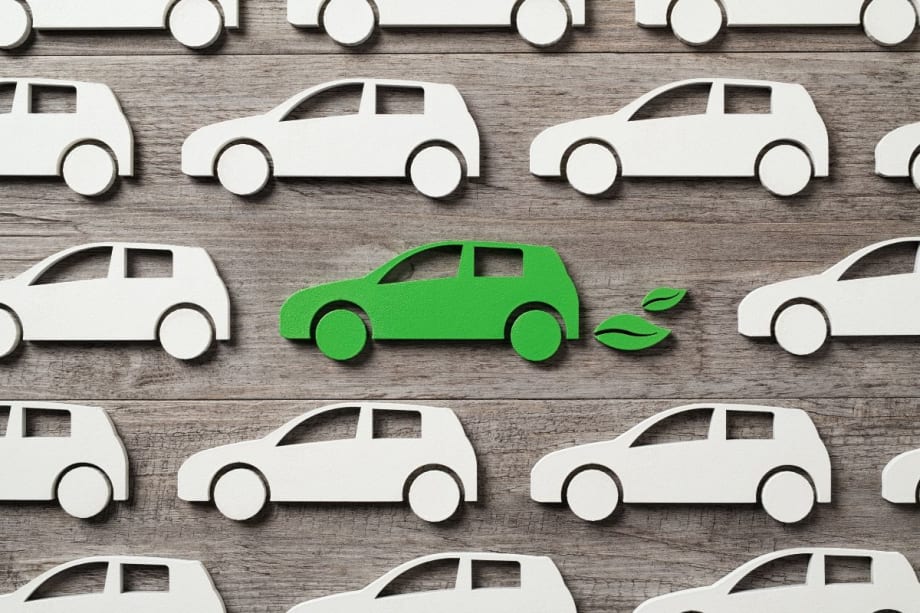
Gas-powered vehicles consume about 80% of the energy in their fuel, while EVs lose only around 11% of the original energy.
Photo: Canva
2 min to read
A Yale Climate Connections report says internal combustion engine (ICE) vehicles are “fundamentally inefficient,” primarily due to the vast amount of original energy that is wasted in gas-powered vehicles.
For every $5 gallon of gasoline, only $1 of it is used to move an ICE vehicle along the road. However, the cost of charging an EV is equivalent to $1.41 per gallon in the U.S., making it cheaper to operate than an ICE vehicle.
Gas-powered vehicles waste about 80% of the energy in their fuel. Most of the energy is consumed by the heat produced in the engine. Other energy inefficiencies stem from pumps and fans cooling the engine, mechanical friction within the transmission and drivetrain, and auxiliary electrical components such as heated seats, lights, and audio system. Only about 20% of the original energy ends up going to the wheels.
Gas-Powered Vehicle Energy Loss from 100% of Original Fuel
75-84% of original energy is lost
68-72% engine losses
4-6% parasitic losses
3-5% drivetrain losses
0-2% auxiliary electricity use
By contrast, energy enters the EV as electricity, which powers the drivetrain. Since EVs do not need to convert one form of energy to another, it is more energy efficient than ICE vehicles. But EVs are not completely efficient, since roughly 11% of the energy is lost. Energy loss is due to the recharging of the battery, and electricity used for cooling and power steering, as well as drivetrain and auxiliary components. About 87-91% of the original energy ultimately goes to the wheels.
Electric Vehicle Energy Loss from 100% of Original Fuel
31-35% of original energy is lost, but 22% is returned through regenerative braking
10% charging loss
18% drivetrain losses
3% power train cooling and steering
0-4% auxiliary electricity use
Originally posted on Automotive Fleet
More Electric Vehicles
GreenPower Plans 50 Electric Shuttle Buses for Mexico
GreenPower plans to build 50 electric shuttle buses for Mexico using its EV Star Cab & Chassis platform, partnering with local body builders to expand its market reach.
Read More →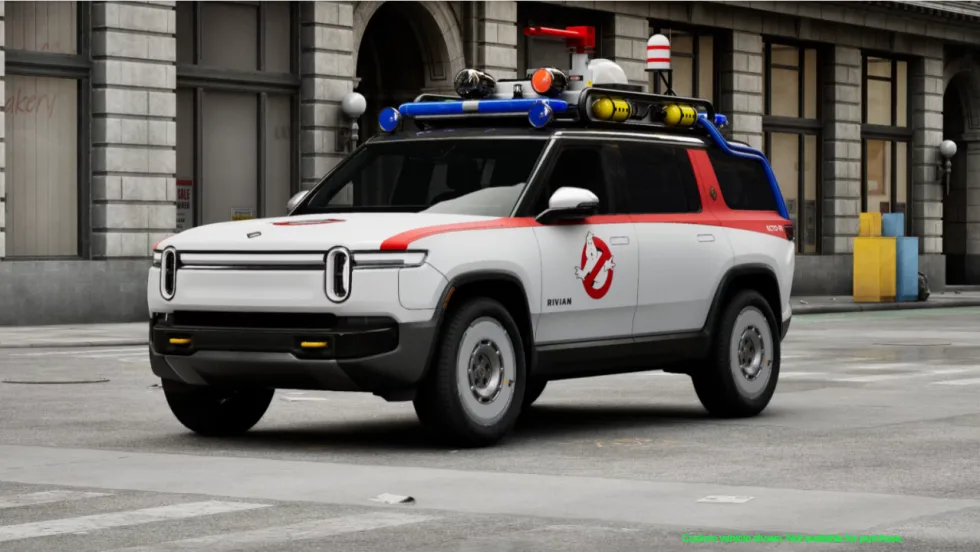
Who You Gonna Call? Rivian Turns Electric Vehicles Into Ghostbusters Rides
Rivian teams up with Sony Pictures for a Ghostbusters-inspired Halloween software update, complete with custom sounds, lighting effects, and a special Ecto-R1.
Read More →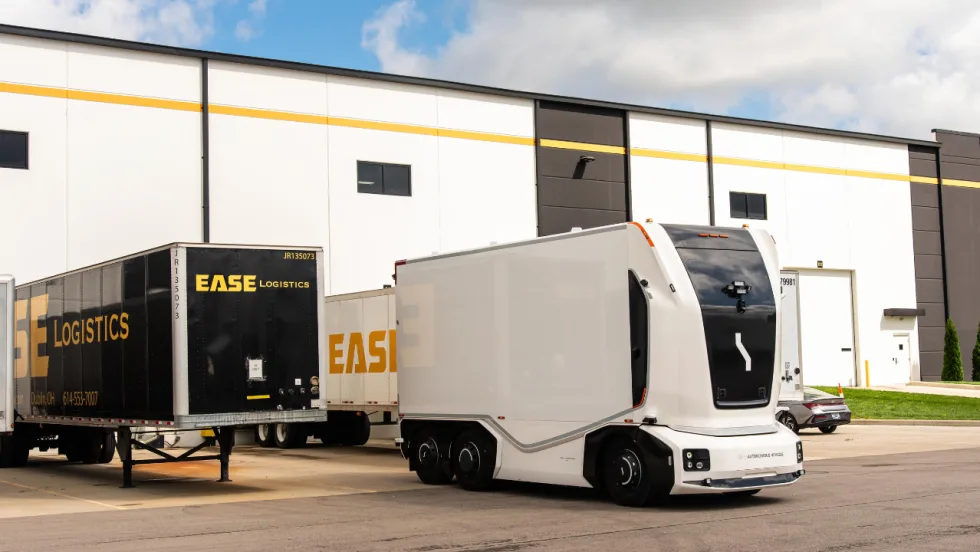
Einride Electric Driverless Trucks Begin Daily Freight Operations in Ohio
Two cabless electric trucks are now moving freight between EASE Logistics facilities, putting autonomous EV technology into daily commercial operations.
Read More →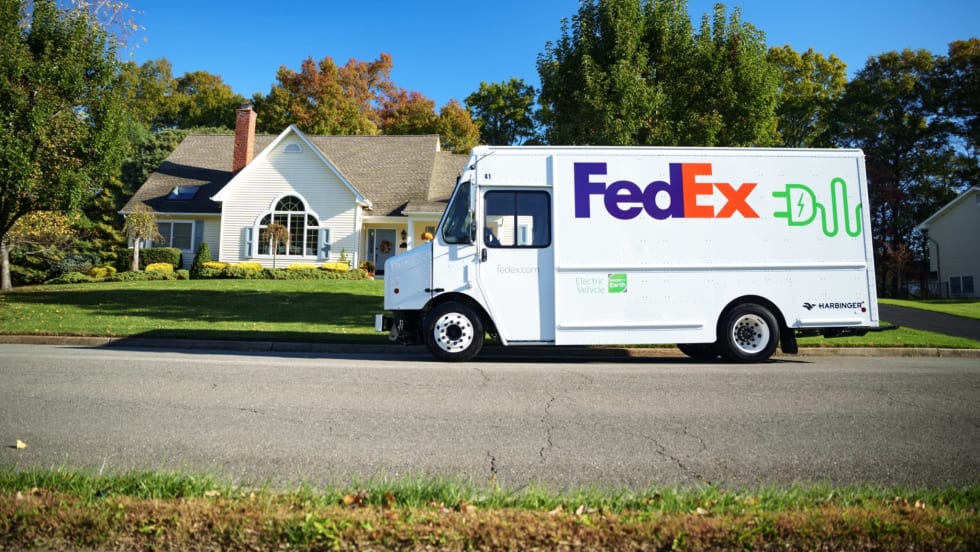
FedEx Orders 2,000 Harbinger Electric Trucks in $300 Million Deal
The Class 5 and 6 electric trucks are planned for delivery by the end of 2027 and will be deployed in FedEx pickup and delivery operations across the U.S. and Canada.
Read More →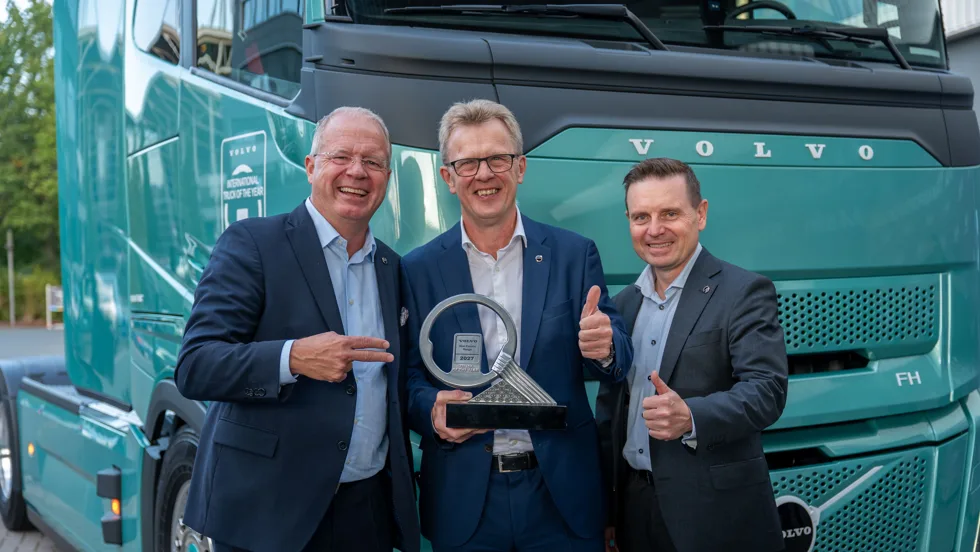
Volvo Trucks’ Electric Range Named International Truck of the Year 2027
The award recognizes Volvo’s global heavy-duty electric lineup, while more than 750 VNR Electric trucks have accumulated nearly 37 million miles in U.S. and Canadian fleet operations.
Read More →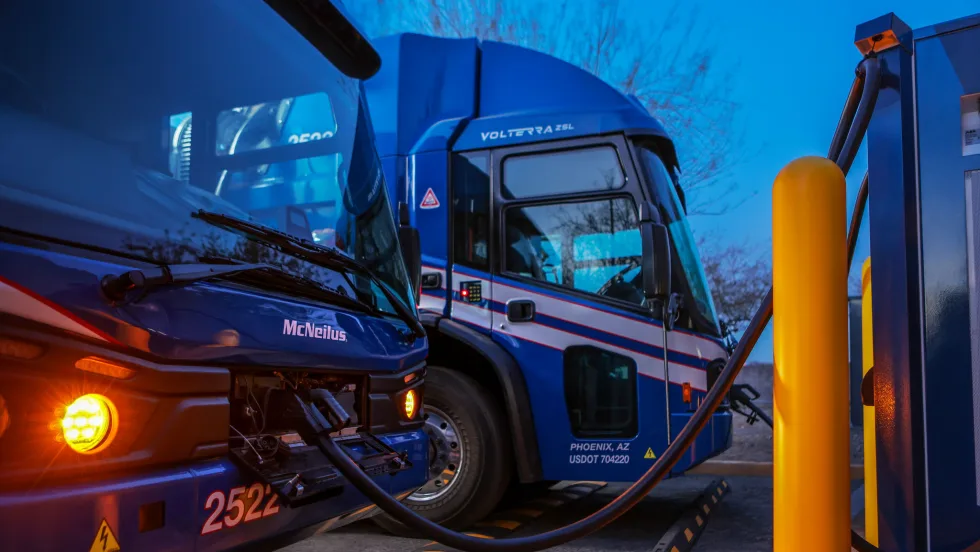
How Republic Services Decides Where Its Next Electric Trucks Can Go
With 250 electric collection trucks now in service, Republic Services is learning that scaling electrification depends less on proving the vehicle and more on whether each site can support what comes next.
Read More →
EV Charging Use Is Outpacing Infrastructure Growth
ChargePoint’s 2026 Charging Forward Report points to rising charger use, higher-powered charging, commercial vehicle electrification, and energy-management technology. Here’s what fleets should know.
Read More →
EV Realty Names Henrik Holland President as Charging Platform Expands
The former Prologis Mobility and Shell executive will help expand EV Realty’s truck charging business and move its power-first infrastructure model into autonomous vehicle depots and other fleet sectors.
Read More →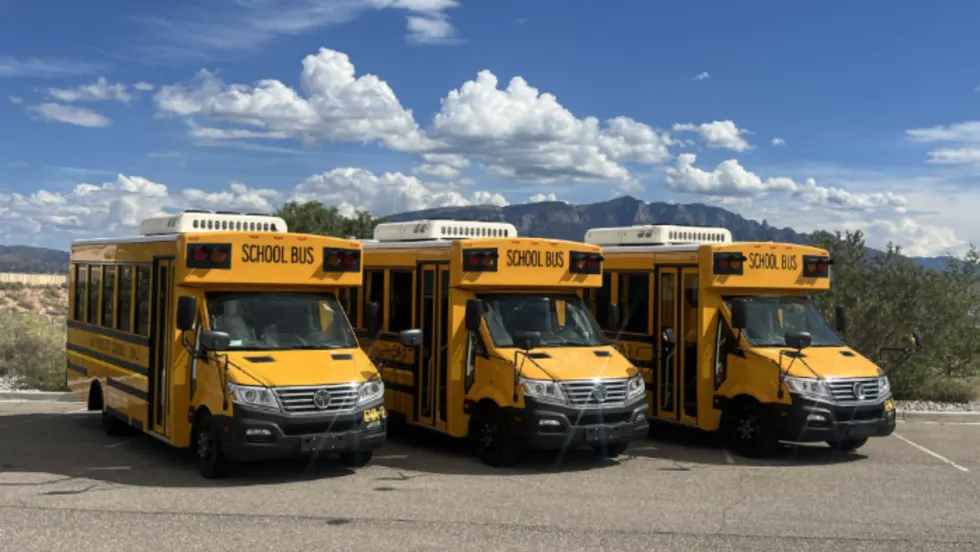
GreenPower Expands New Mexico EV Pilot With Larger Buses, V2G Testing
After logging more than 17,000 electric miles in the first year, New Mexico’s statewide pilot is moving into its second phase with larger vehicles, continued charging evaluations, and more.
Read More →
Can EV-as-a-Service Help Fleets Scale Electrification?
Sustainability Partners CEO Adam Cain explains how matching EVs, charging infrastructure, and duty cycles can help fleets scale electrification.
Read More →