



Related News: Stellantis Invests in Indiana Plants to Speed Up Electrification
Chrysler Unveils EV Concept Vehicle at CES 2022
The Airflow sedan will lead Stellantis' plans to launch its first battery-electric vehicle (BEV) by 2025 and offer a full battery-electric portfolio by 2028.
January 6, 2022
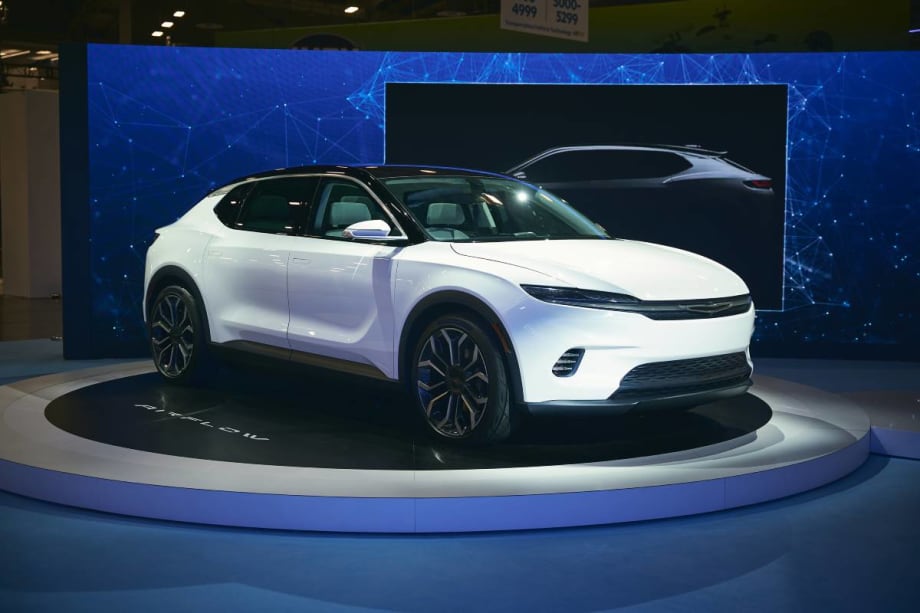
The Airflow Concept embodies Chrysler’s new contemporary, technology-forward design, featuring an elegantly dynamic profile and LED-illuminated Chrysler wing logo on the cross-car grille/light blade, complementing the Airflow’s sleek, silent electric-powered ride.
Photo: Stellantis
5 min to read
The Chrysler brand on Jan. 5 revealed the Chrysler Airflow Concept at CES 2022, giving a glimpse at the electric vehicle positioned to propel the Chrysler brand’s future.
Chrysler also announced in its news release that the brand’s transformation will include the launch of its first battery-electric vehicle (BEV) by 2025 and a future all-electric Chrysler vehicle lineup.
“The Chrysler Airflow Concept provides a peek at the dynamic design, advanced technologies and seamless connectivity that will characterize the full-electric portfolio we plan to reach by 2028,” said Chris Feuell, Chrysler brand CEO of Stellantis in a statement. “Chrysler is an iconic American automotive brand, with a heritage in creating new advanced technologies and product segments. Our brand will serve at the forefront as Stellantis transforms to deliver clean mobility and connected customer experiences.”
One recent vehicle, the Chrysler Pacifica Hybrid, a plug-in hybrid minivan, served as a springboard to the brand’s electrified future.
The Chrysler Airflow Concept reinvents the customer experience by integrating the STLA Brain platform and STLA SmartCockpit to deliver seamless connectivity to transform the experience for driver and passengers. The concept creates a connected hub that brings a consumer’s digital lifestyle into the vehicle, using advanced technology to create a customized space for each occupant.
“The Chrysler Airflow Concept represents the start of the brand’s journey toward a fully electrified future,” said Ralph Gilles, chief design officer of Stellantis. “It is the result of a thoughtful synthesis of the full arsenal of Stellantis’ connected vehicle technology – inside and out. The design features a decisively elegant aerodynamic exterior and a modern, sophisticated interior.”
Seamless Connectivity Optimizing Customer Experiences
Enabled by STLA Brain and STLA SmartCockpit, the user experience in the Airflow Concept is agile, intuitive and always fresh. The interior showcases ideas for giving every passenger a personalized experience that seamlessly connects them with their digital lives, as well as the other passengers.
The Airflow Concept unifies these advanced technologies, communicating through advanced visualization and thoughtful interaction. The Airflow Concept user experience employs multi-layered, high-contrast graphics and details to provide a clean, sophisticated appearance that is safe, easy to use and easy to understand.
Using a menu-based format, screens throughout the Airflow interior can be personalized, simplified and grouped based on individuals and interests. Information on the screens can be shared with all passengers by swiping. Customization and personalization are key, whether driving or acting as a co-pilot.
Each screen is a personalized space to access the digital world via connected entertainment, apps and downloads. Each seat also features a built-in camera, enabling occupants to participate in a group video conference call from the comfort of the Airflow cabin.
The backbone of the Airflow Concept user experience is the new electrical/electronic (E/E) and software architecture, STLA Brain. This architecture is highly flexible, breaking today’s bond between hardware and software generations. It enables software developers to create and update features and services quickly, taking advantage of capabilities built into the cockpit without waiting for a new hardware launch.
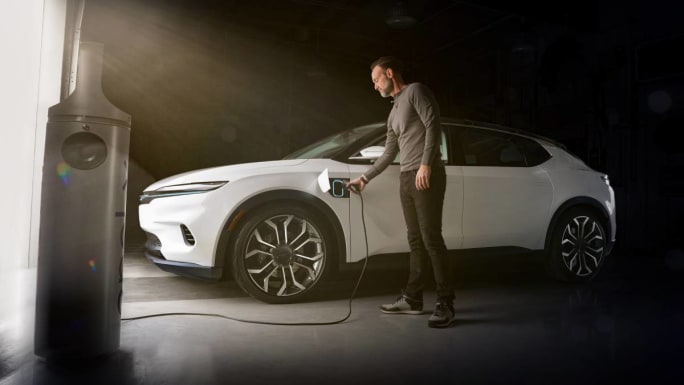
The Chrysler Airflow Concept is designed to achieve between a 350- and 400-mile range on a single charge.
Photo: Stellantis
Fully Electrified + Fully Connected
The Chrysler Airflow Concept previews the brand’s commitment to delivering a fully electric vehicle lineup by 2028, produced using clean manufacturing processes and made with recyclable and renewable materials.
The Chrysler Airflow Concept is equipped with STLA AutoDrive, which delivers Level 3 autonomous driving capabilities and will be upgradable via OTA updates.
The concept features all-wheel-drive capability and is powered by two 150 kW electric drive motors (EDMs), one in the front and one in the rear. The concept is designed to accommodate larger capacity EDMs, offering the potential for future high-performance applications. Drive motors are located toward the front and rear of the vehicle, maximizing interior space and enabling the large wheel size and wide stance of the Airflow Concept. The battery is designed to achieve between a 350- and 400-mile range on a single charge.
Dynamic Design Language
The Airflow Concept features a dynamic design proportion, with a low ride height and streamlined, two-tone roof line that achieves an elegant yet athletic profile while increasing EV range. A long wheelbase and wide track, along with large 22-inch wheels and tires, are enhanced visually with Celestial Blue accent color cladding. The design elements work together to enable a dramatic stance and deliver excellent handling and performance dynamics.
The Airflow’s silent electric ride harmoniously supports the sleek design aesthetic, with the concept’s dramatic expression completed by an Arctic White body color that conveys a sense of calm and serenity. Up front, the Airflow announces its electric aesthetic with the Chrysler wing logo tied into a cross-car grille/light blade illuminated with crystal LED lighting. A crystal LED taillight runs the full width of the vehicle, accentuating the wide stance. The Airflow Concept features welcome, departure and animated lighting, including a unique aqua that signifies the vehicle is charging. The diffuser shape of the lower rear fascia highlights the aerodynamic, smooth underbody, a key to achieving optimum driving range.
The modern and spacious interior is also accented by a light and calming color palette, evoking an open, airy lounge area that delivers a comfortable space between home and work. The interior design is made to sooth and relax occupants, surrounding those inside with flowing lines that move throughout the space, creating a greater feeling of spaciousness and comfort. Technology is integrated seamlessly into the interior in the form of dark glass sculptures. The central control area integrates individualized climate controls near the C-shaped air slots. Crystalized textures throughout the vehicle add a sense of precision, providing an intricate transition from the exterior and aligning with the advanced interior design highlighted by premium refinement.
Soft leather-wrapped seats help achieve a lighter, smoother atmosphere. Materials, including vegetable-tanned leather, as well as floor mats, fabric and carpeting made of recycled materials, imagine a future of sustainable design.
Seating uses a unique slim structure that rests on a pedestal base, enhancing comfort and roominess while allowing for maximum legroom, shoulder space and personal storage for each passenger.
More Electric Vehicles

EV Charging Use Is Outpacing Infrastructure Growth
ChargePoint’s 2026 Charging Forward Report points to rising charger use, higher-powered charging, commercial vehicle electrification, and energy-management technology. Here’s what fleets should know.
Read More →
EV Realty Names Henrik Holland President as Charging Platform Expands
The former Prologis Mobility and Shell executive will help expand EV Realty’s truck charging business and move its power-first infrastructure model into autonomous vehicle depots and other fleet sectors.
Read More →
GreenPower Expands New Mexico EV Pilot With Larger Buses, V2G Testing
After logging more than 17,000 electric miles in the first year, New Mexico’s statewide pilot is moving into its second phase with larger vehicles, continued charging evaluations, and more.
Read More →
Can EV-as-a-Service Help Fleets Scale Electrification?
Sustainability Partners CEO Adam Cain explains how matching EVs, charging infrastructure, and duty cycles can help fleets scale electrification.
Read More →
How EV-as-a-Service Is Moving Fleets Beyond Pilots
Adam Cain, president and CEO of Sustainability Partners, explains how EV-as-a-service can help fleets scale deployments by addressing duty-cycle requirements and charging challenges.
Read More →
PowerFlex, The Mobility House Join Forces to Advance Fleet Electrification
Two EV charging providers are joining forces to deliver a broader portfolio of energy management and fleet electrification solutions.
Read More →
Ford Retools Louisville Plant for Fathom Electric Truck Production
Ford's $2 billion Louisville Assembly Plant overhaul introduces a three-part assembly process for the Fathom midsize electric truck, with production scheduled to begin in 2027.
Read More →
Merchants Fleet Reports 290M EV Miles as Fleets Navigate Changing Electrification Market
From millions in operating savings to hundreds of millions of EV miles, Merchants Fleet’s latest report reveals what’s working and what’s changing in fleet electrification.
Read More →
California District Commits to Electrify 25% of School Bus Fleet by 2028
One of the nation's largest school bus electrification projects to date demonstrates how grants, charging infrastructure, and public-private partnerships can help fleets transition to EVs at scale.
Read More →
Aptera Orders Bodies and Chassis for Its First 40 Production Vehicles
Aptera Motors Corp. has issued purchase orders for the major structural components of its first 40 vehicles, and body and chassis components are expected to begin arriving in October.
Read More →