



Related News: NHTSA Issues Chevrolet Bolt Recall Alert
GM Expands Chevrolet Bolt Recall to All Model Years
The batteries supplied to GM for these electric vehicles may have two manufacturing defects in the same battery cell, which increases the risk of fire.
August 20, 2021
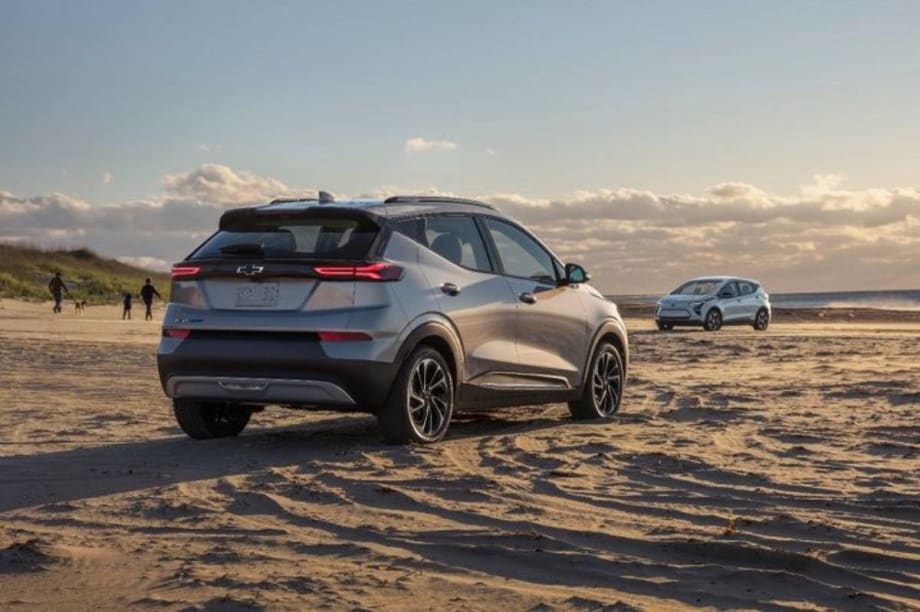
The 2022 Chevrolet Bolt EUV was added to the recall list by GM on Aug. 20, 2021.
Photo: GM
3 min to read
General Motors on Aug. 20 widened an ongoing recall of the Chevrolet Bolt EV to cover the remaining 2019 and all 2020-2022 model year vehicles, including the Bolt EUV, according to a press release.
In rare circumstances, the batteries supplied to GM for these vehicles may have two manufacturing defects – a torn anode tab and folded separator – present in the same battery cell, which increases the risk of fire. Out of an abundance of caution, GM will replace defective battery modules in Chevrolet Bolt EVs and EUVs with new modules, with an expected additional cost of about $1 billion.
This recall affects 73,018 Chevrolet Bolt vehicles. The previous recall spanned 50,932 MY 2017-19 Bolts. The double-down recall comes as GM has promoted goals to sell only electric vehicles by 2035.
In one incident, the Vermont State Police publicized a 2019 Chevrolet Bolt EV that caught fire on July 1 in the driveway of state Rep. Timothy Briglin, CNBC reported. GM has confirmed one fire in the new segment of recalled vehicles in addition to at least nine previous confirmed fires in the first round of vehicles that were recalled, according to the cable news channel.
Doug Parks, GM executive vice president of global product development, purchasing and supply chain, said in the GM release, “As leaders in the transition to an all-electric future, we know that building and maintaining trust is critical. GM customers can be confident in our commitment to taking the steps to ensure the safety of these vehicles.”
After further investigating the manufacturing processes at LG and disassembling battery packs, GM discovered defects in certain battery cells produced at LG manufacturing facilities beyond the Ochang, Korea, plant. GM and LG are working to rectify the cause of these defects. Meanwhile, GM is pursuing commitments from LG for reimbursement of this field action.
This new recall volume includes:
9,335 (6,989 in the U.S. and 1,212 in Canada) – 2019 model year Bolt EVs that were not included in the previous recall
63,683 (52,403 in the U.S. and 9,019 in Canada) – 2020–2022 model year Chevrolet Bolt EVs and EUVs
Batteries with these new modules will come with an 8-year/100,000-mile limited warranty (or 8-year/160,000 km limited warranty in Canada).
GM is working with LG to increase production as soon as possible. GM will notify customers when replacement parts are ready. Until customers in the new recall receive replacement modules, they should:
1. Set their vehicle to a 90% state of charge limitation using target charge level mode. Instructions on how to do this are available on chevy.com/boltevrecall. If customers are unable to make these changes, or do not feel comfortable doing so, GM is asking them to visit their dealer to complete the adjustments.
2. Charge their vehicle more frequently and avoid depleting their battery below about 70 miles (113 km) of remaining range, where possible.
3. Park their vehicles outside immediately after charging and not leave their vehicles charging indoors overnight.
Customers can visit www.chevy.com/boltevrecall or contact the Chevrolet EV Concierge 1-833-EVCHEVY (available Monday through Friday from 8 a.m.–midnight ET; Saturday and Sunday from Noon – 9 p.m. ET) or contact their preferred Chevrolet EV dealer.
Canadian customers can visit the Chevrolet Owner’s Centre or contact their preferred dealer.
More Electric Vehicles
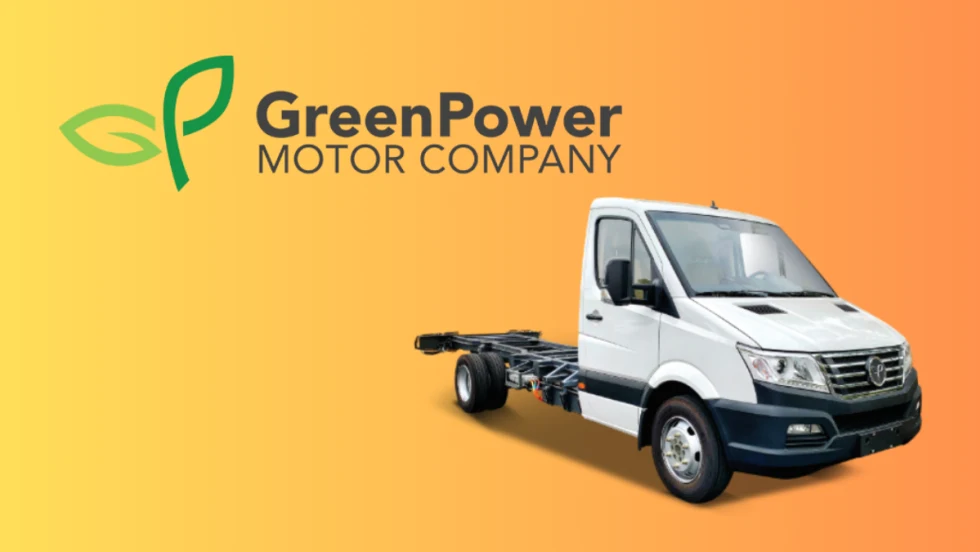
GreenPower Plans 50 Electric Shuttle Buses for Mexico
GreenPower plans to build 50 electric shuttle buses for Mexico using its EV Star Cab & Chassis platform, partnering with local body builders to expand its market reach.
Read More →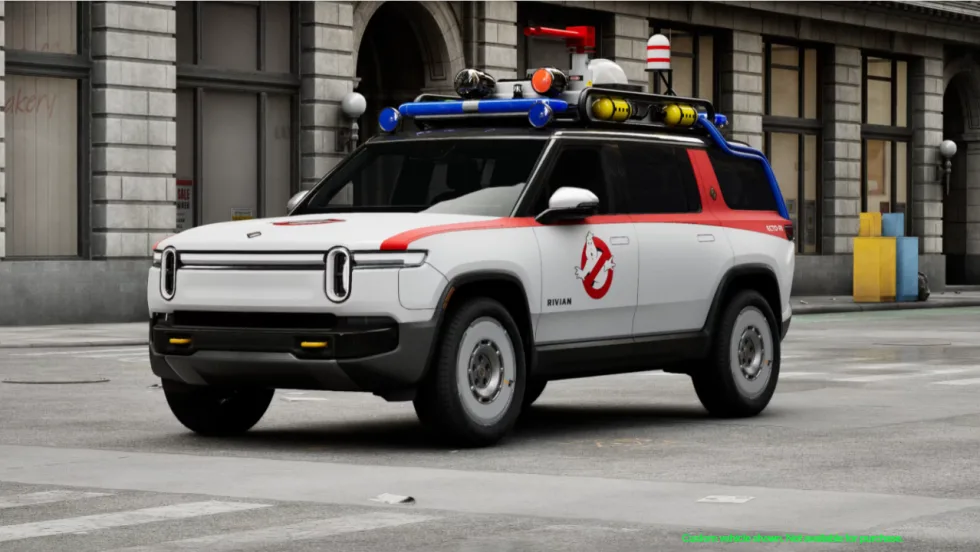
Who You Gonna Call? Rivian Turns Electric Vehicles Into Ghostbusters Rides
Rivian teams up with Sony Pictures for a Ghostbusters-inspired Halloween software update, complete with custom sounds, lighting effects, and a special Ecto-R1.
Read More →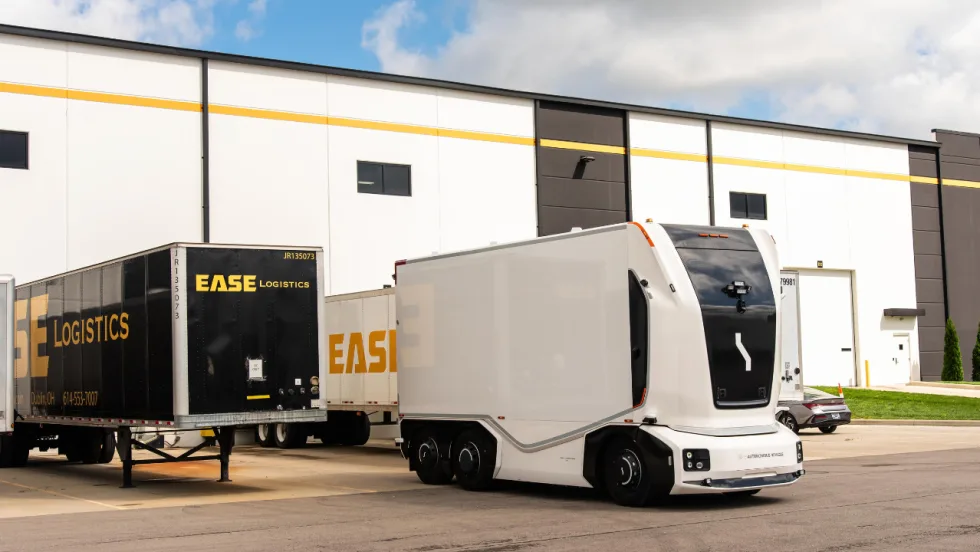
Einride Electric Driverless Trucks Begin Daily Freight Operations in Ohio
Two cabless electric trucks are now moving freight between EASE Logistics facilities, putting autonomous EV technology into daily commercial operations.
Read More →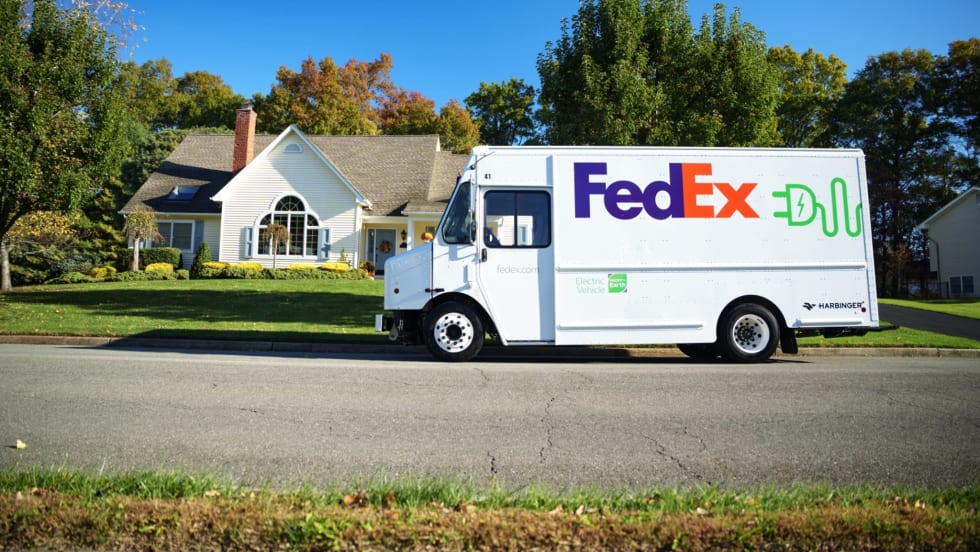
FedEx Orders 2,000 Harbinger Electric Trucks in $300 Million Deal
The Class 5 and 6 electric trucks are planned for delivery by the end of 2027 and will be deployed in FedEx pickup and delivery operations across the U.S. and Canada.
Read More →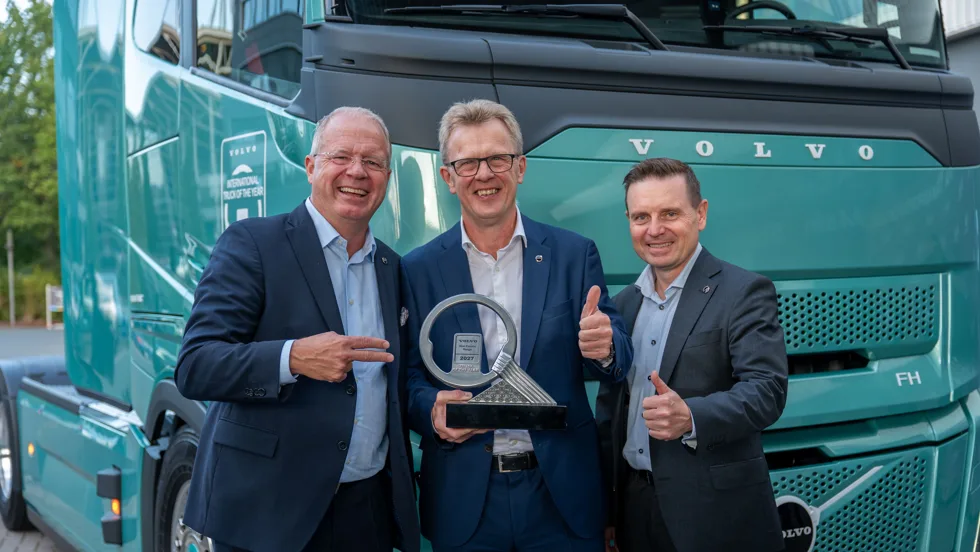
Volvo Trucks’ Electric Range Named International Truck of the Year 2027
The award recognizes Volvo’s global heavy-duty electric lineup, while more than 750 VNR Electric trucks have accumulated nearly 37 million miles in U.S. and Canadian fleet operations.
Read More →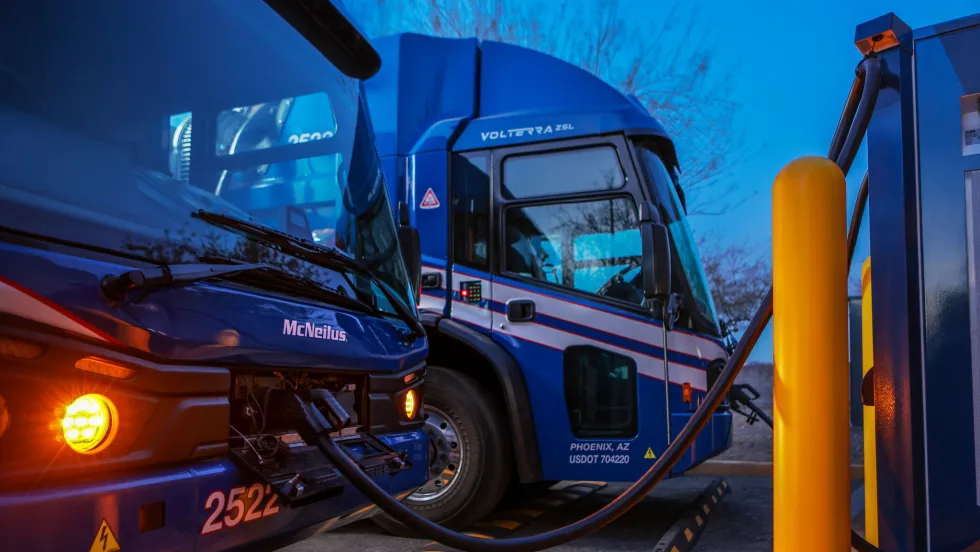
How Republic Services Decides Where Its Next Electric Trucks Can Go
With 250 electric collection trucks now in service, Republic Services is learning that scaling electrification depends less on proving the vehicle and more on whether each site can support what comes next.
Read More →
EV Charging Use Is Outpacing Infrastructure Growth
ChargePoint’s 2026 Charging Forward Report points to rising charger use, higher-powered charging, commercial vehicle electrification, and energy-management technology. Here’s what fleets should know.
Read More →
EV Realty Names Henrik Holland President as Charging Platform Expands
The former Prologis Mobility and Shell executive will help expand EV Realty’s truck charging business and move its power-first infrastructure model into autonomous vehicle depots and other fleet sectors.
Read More →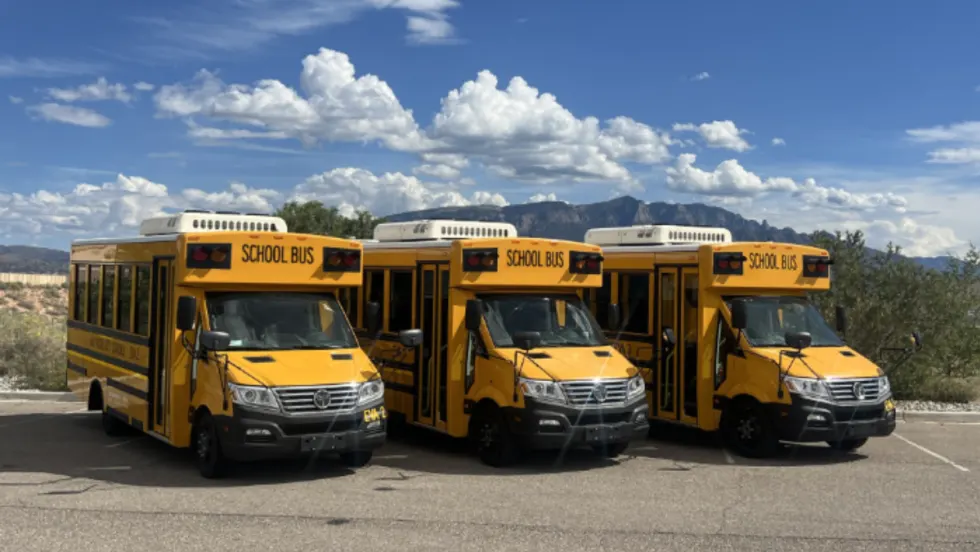
GreenPower Expands New Mexico EV Pilot With Larger Buses, V2G Testing
After logging more than 17,000 electric miles in the first year, New Mexico’s statewide pilot is moving into its second phase with larger vehicles, continued charging evaluations, and more.
Read More →
Can EV-as-a-Service Help Fleets Scale Electrification?
Sustainability Partners CEO Adam Cain explains how matching EVs, charging infrastructure, and duty cycles can help fleets scale electrification.
Read More →