


How the Fleet Industry is Adjusting to Vehicle Electrification
Many businesses have implemented corporate sustainability initiatives, with fleet electrification programs being a critical component to this.


[EMPTY CREDIT]
Through much of 2020 and so far in 2021, the industry has seen major announcements regarding the development of battery-electric vehicles directed at the commercial fleet industry. Not only with announcements coming from major OEMs, but also through newer companies who are focused solely on producing battery-electric technology.
Some of the OEMs that had major reveals in the battery-electric commercial vehicle space includes Ford’s announcement of the all-electric E-Transit in 2020; General Motors’ announcing the EV600, an electric light-commercial vehicle; as well as Mercedes-Benz announcing that its eSprinter van would be heading to the U.S. market, just to name a few announcements from major OEMs.
Additionally, other newer automakers with a focus on battery-electric vehicles have emerged. Some prominent names in the industry include Lordstown Motors, Workhorse, Lightning Motors, Rivian, and Electric Last Mile Solutions. Part of this push from some of the manufacturers was spurred by the boom in last-mile delivery business, brought on by the shelter-in-place mandates as a result of the pandemic.
Also reflecting this industry shift, many businesses have implemented corporate sustainability initiatives, with fleet electrification programs being a critical component to this for some.
Companies who have joined the EV100 offers one point of view as to what some of these initiatives might look like.
Some fleets listed in the Climate Groups EV100 include Novo Nordisk, which plans to transition its fleet of 8,000 vehicles to electric vehicles by 2030; Unilever, which is also transitioning its fleet of over 11,000 vehicles to EVs and installing workplace charging for its staff by 2030; and Siemens, which is transitioning its global fleet of approximately 50,500 vehicles to EVs by 2030.
Fleet management company LeasePlan is also committed to the EV100, which plans to achieve net zero emissions across its 1.8 million vehicle customer fleet by 2030 and transition its own employee fleet to EVs in 2021. Genentech is another fleet that is part of the EV100 that is fully embracing the direction the industry is taking in terms of EV adoption. Aleece Beaulieu, senior program manager, transportation Genentech, has also made sustainability a major component to her fleet program.

[EMPTY CREDIT]
“As part of EV100, we have committed to do the following by 2030: convert our sales fleet of over 1,300 passenger vehicles to all electric or plug-in hybrid; electrify the majority of our commuter bus fleet; and transition at least 50% of our 30-plus medium-duty site fleet vehicles to EV or plug-in hybrid,” she said.
She noted that the fleet’s EV100 ambitions, with the gradual transition to battery-electric vehicles, are first being rolled out through the introduction of plug-in hybrid electric vehicles (PHEVs) for her operations. This is partially driven by the fact that many drivers may not be familiar with how to operate EVs; the education of EV technology for fleet drivers will be a critical part of the company’s EV100 plans.
“Based on where you are in the U.S., EVs may not be as widely adopted. So we started with PHEVs and getting drivers comfortable with the technology, building trust,” said Beaulieu. “And it’s a good stepping stone so that employees are more excited to order a full electric vehicle next time they’re allowed to order.”
One of the latest developments in this area on a federal level has been President Biden’s recent announcement, during a Jan. 25, 2021 speech regarding his “Buy American” executive order, that his administration is making a commitment to upgrade the federal fleet to electric vehicles (EVs) made in the U.S.
According to the latest Federal Fleet Report, the fleet consists of over 645,000 vehicles. No formal timeline for the shift has been revealed as of yet.

[EMPTY CREDIT]
However, despite these hopeful ambitions for the market, infrastructure and range anxiety still remains a fleet concern. But fleet concerns go beyond these issues as well, as there are many other caveats to introducing this technology more widely to the industry.
“We have looked at EVs and how we could apply them to the business. Right now, a majority of our fleet is light truck, and at this time there are no real choices in that segment. They are coming, but still waiting to see how they perform. There are still a lot of questions that we have to answer from an operating standpoint that we just don’t have any good an-swers for at the moment. It is a segment we are looking at to incorporate as soon as it makes sense,” Alex May, senior manager of fleet at Rollins, said.
To more closely follow this rapidly growing segment of the industry, Bobit Business Media launched a new digital publication, Charged-Fleet.com, to create a space for thorough coverage that is happening in the battery-electric vehicle space for commercial fleets.
Originally posted on Automotive Fleet
More Electric Vehicles

Who You Gonna Call? Rivian Turns Electric Vehicles Into Ghostbusters Rides
Rivian teams up with Sony Pictures for a Ghostbusters-inspired Halloween software update, complete with custom sounds, lighting effects, and a special Ecto-R1.
Read More →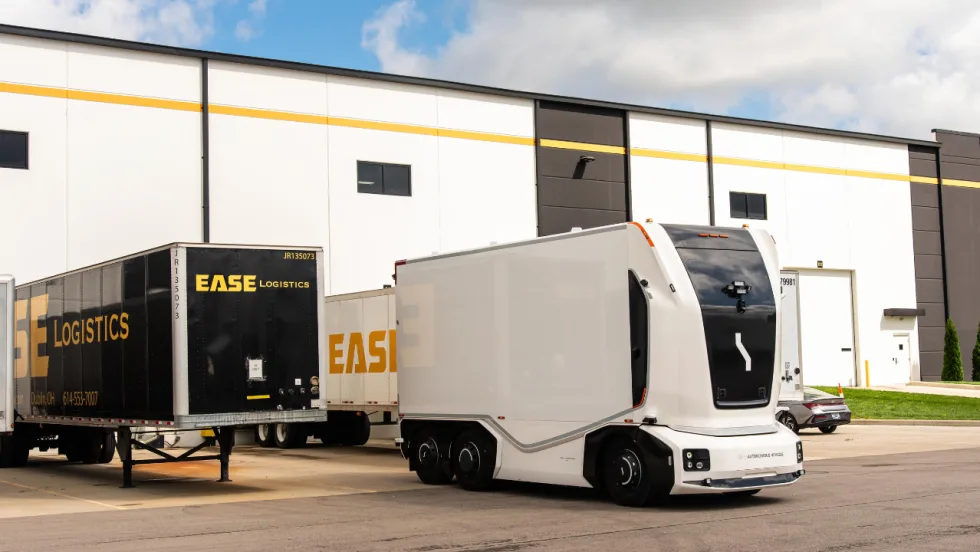
Einride Electric Driverless Trucks Begin Daily Freight Operations in Ohio
Two cabless electric trucks are now moving freight between EASE Logistics facilities, putting autonomous EV technology into daily commercial operations.
Read More →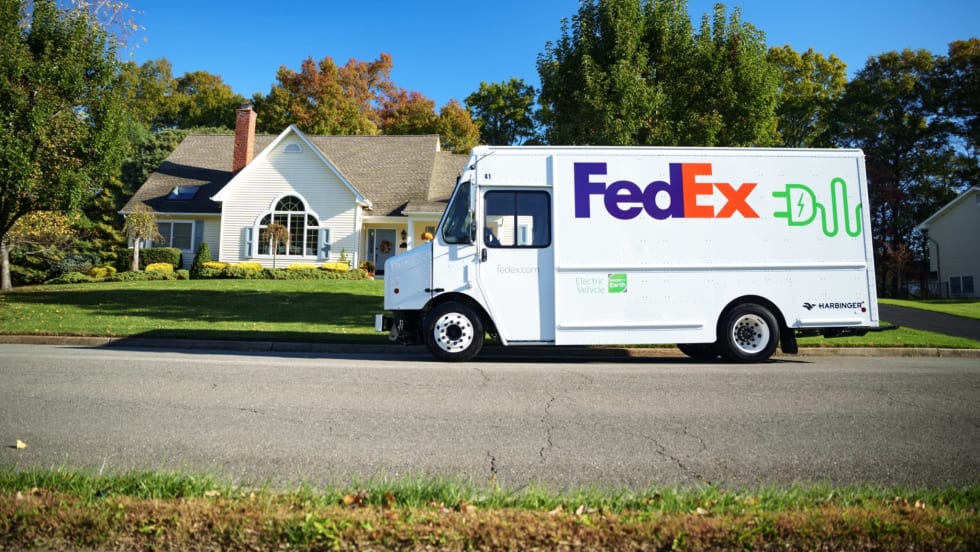
FedEx Orders 2,000 Harbinger Electric Trucks in $300 Million Deal
The Class 5 and 6 electric trucks are planned for delivery by the end of 2027 and will be deployed in FedEx pickup and delivery operations across the U.S. and Canada.
Read More →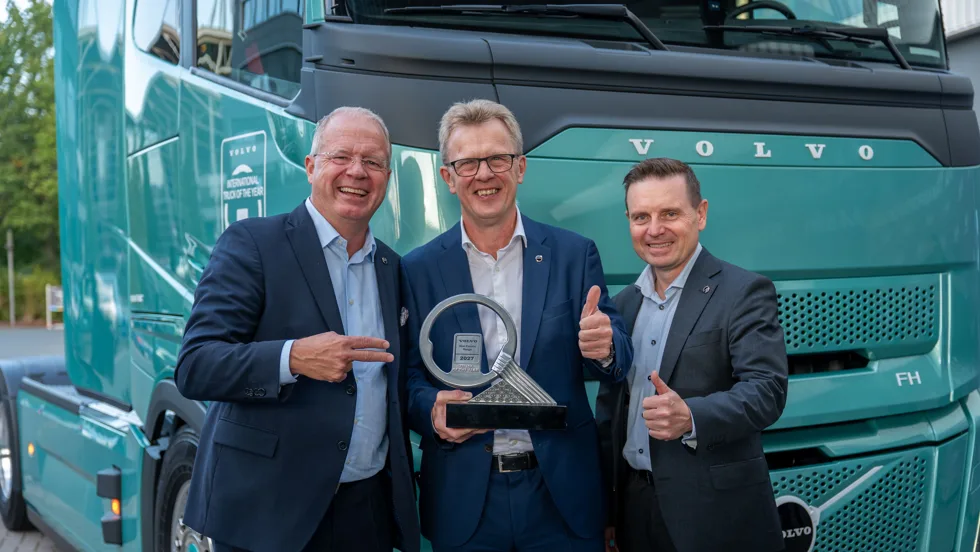
Volvo Trucks’ Electric Range Named International Truck of the Year 2027
The award recognizes Volvo’s global heavy-duty electric lineup, while more than 750 VNR Electric trucks have accumulated nearly 37 million miles in U.S. and Canadian fleet operations.
Read More →
How Republic Services Decides Where Its Next Electric Trucks Can Go
With 250 electric collection trucks now in service, Republic Services is learning that scaling electrification depends less on proving the vehicle and more on whether each site can support what comes next.
Read More →
EV Charging Use Is Outpacing Infrastructure Growth
ChargePoint’s 2026 Charging Forward Report points to rising charger use, higher-powered charging, commercial vehicle electrification, and energy-management technology. Here’s what fleets should know.
Read More →
EV Realty Names Henrik Holland President as Charging Platform Expands
The former Prologis Mobility and Shell executive will help expand EV Realty’s truck charging business and move its power-first infrastructure model into autonomous vehicle depots and other fleet sectors.
Read More →
GreenPower Expands New Mexico EV Pilot With Larger Buses, V2G Testing
After logging more than 17,000 electric miles in the first year, New Mexico’s statewide pilot is moving into its second phase with larger vehicles, continued charging evaluations, and more.
Read More →
Can EV-as-a-Service Help Fleets Scale Electrification?
Sustainability Partners CEO Adam Cain explains how matching EVs, charging infrastructure, and duty cycles can help fleets scale electrification.
Read More →
How EV-as-a-Service Is Moving Fleets Beyond Pilots
Adam Cain, president and CEO of Sustainability Partners, explains how EV-as-a-service can help fleets scale deployments by addressing duty-cycle requirements and charging challenges.
Read More →