



Related: 5 Tips On Connecting Your Fleet To the Electric Grid
Which States Have the Most (and Least) EV Chargers Per Capita?
According to November data from the Dept. of Energy’s Alternative Fuels Data Center, there are 28,947 public charging stations in the U.S. The Center is now tracking private fleet chargers and has begun publishing this data.
January 21, 2021
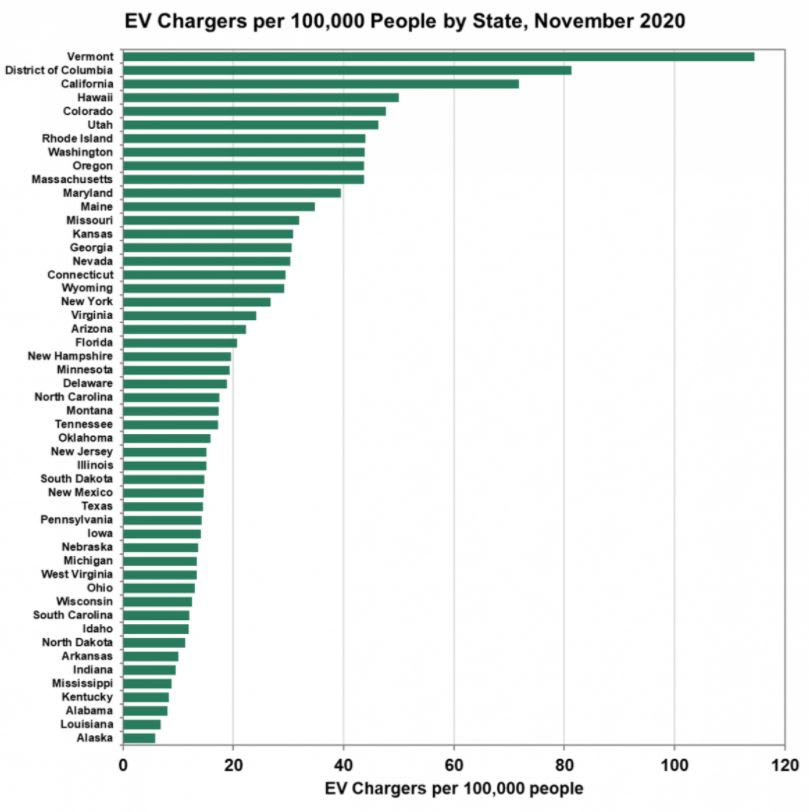
D.C. and 21 states have more than 20 public chargers per 100,000 people.
Data courtesy of U.S. Department of Energy, Alternative Fuels Data Center.
2 min to read
The number of public electric vehicle (EV) chargers across the U.S. continues to grow. According to a report from the U.S. Dept. of Energy’s Alternative Fuels Data Center (AFDC), as of November 2020, Vermont had the highest number of public chargers per capita with 114 chargers per 100,000 people.
Vermont was followed by the District of Columbia (81) and California (72). Hawaii and Colorado round out the top five. D.C. and 21 states had more than 20 chargers per 100,000 people. Mississippi, Kentucky, Alabama, Louisiana, and Alaska have the lowest number of chargers per capita.
According to AFDC, there are 28,947 public charging stations in the U.S., with 96,720 charging outlets. This includes Level I, II, and DC Fast Chargers. The AFDC notes that EV chargers refers to the number of plugs available to charge EVs. There may be more than one EV charger at a single charging station.
These figures do not include residential, workplace, or commercial/municipal/fleet chargers.
The AFDC publishes an Alternative Fueling Station Locator that allows users to search for public stations in their area by address. While fleet stations are not yet designated in the station locator, AFDC reports that it has recently added this level of tracking and has begun publishing this data.
A September 2020 report by ResearchandMarkets.com estimates that the total installed base of dedicated charging points — both private and public — in North America was about 700,000 in 2019. This is estimated to reach 2.4 million in 2024 at a compound annual growth rate (CAGR) of 26.7%.
Originally posted on Automotive Fleet
More Charging
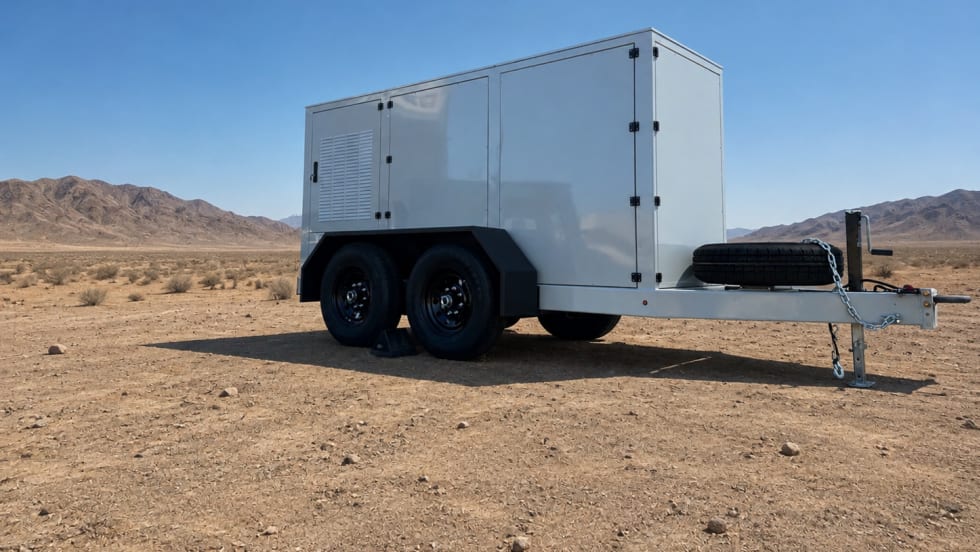
Xos Mobile Charging Hub Surpasses 1 GWh of Energy Delivered
As fleets electrify, charging capacity does not always arrive on the same timeline as the vehicles. Operating data from one Xos Hub shows how mobile, grid-independent charging can support vehicles when permanent infrastructure or utility upgrades aren't available.
Read More →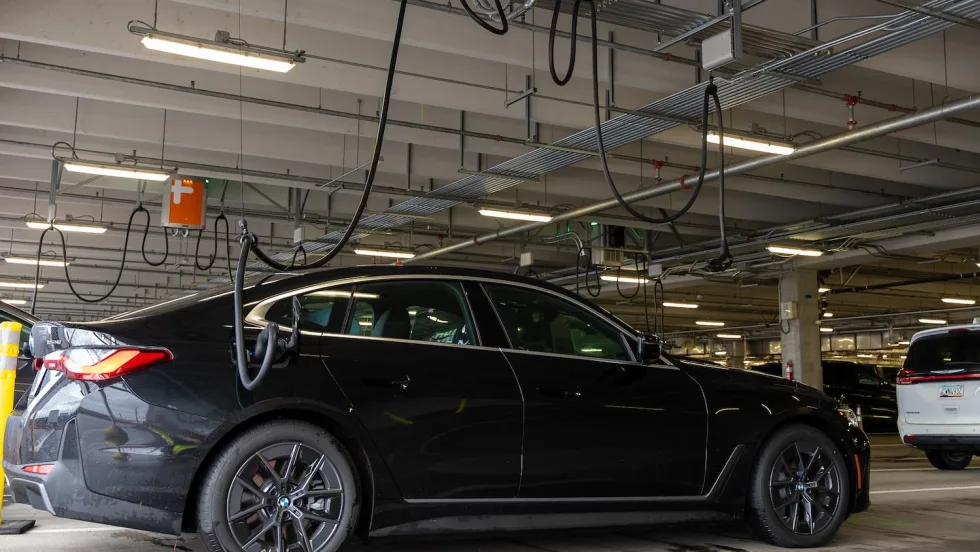
ChargePoint Adds Overhead EV Fast Charging at Portland International Airport
The installation can charge up to 20 rental vehicles simultaneously and uses overhead equipment to preserve ground-level space at the airport's Quick Turnaround Facility.
Read More →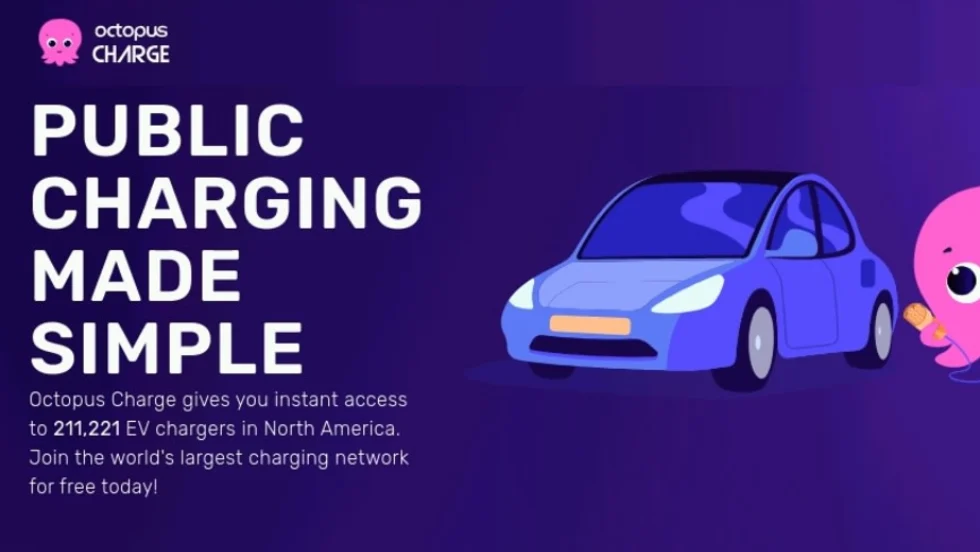
Octopus Energy Launches Public EV Charging App in U.S.
Octopus Charge allows EV drivers to locate and access public charging stations through a single app, building on the company's Electroverse platform in Europe.
Read More →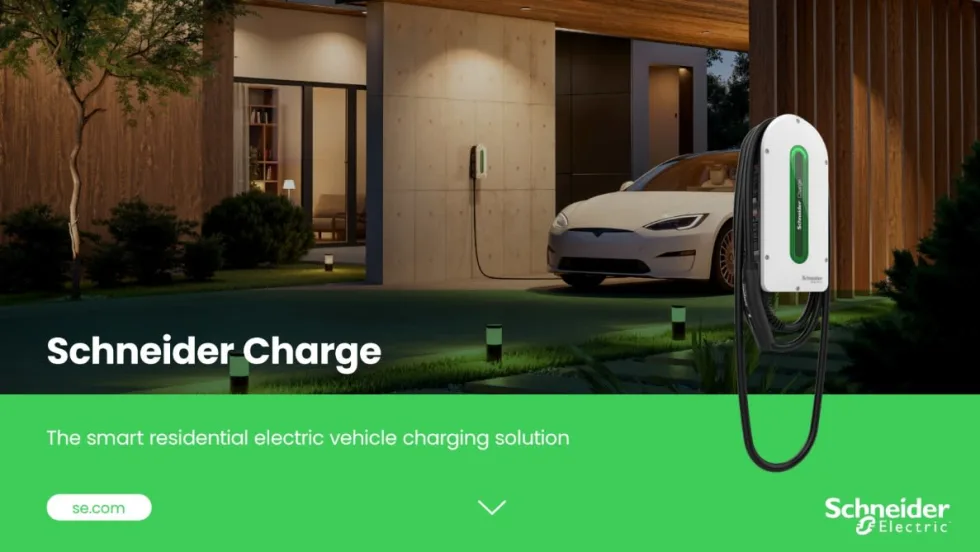
Schneider Electric Launches Level 2 Home EV Charger With Integrated Load Management
Schneider Charge uses integrated SmartAmp technology to adjust charging output based on household electrical demand and is available with NACS or J1772 connectors.
Read More →
Why EV Charging Reliability Is More Complicated Than It Looks
GridLink CEO Josh Silets explains what causes EV chargers to fail, why fleet operators often struggle to identify the source, and what questions they should ask charging vendors.
Read More →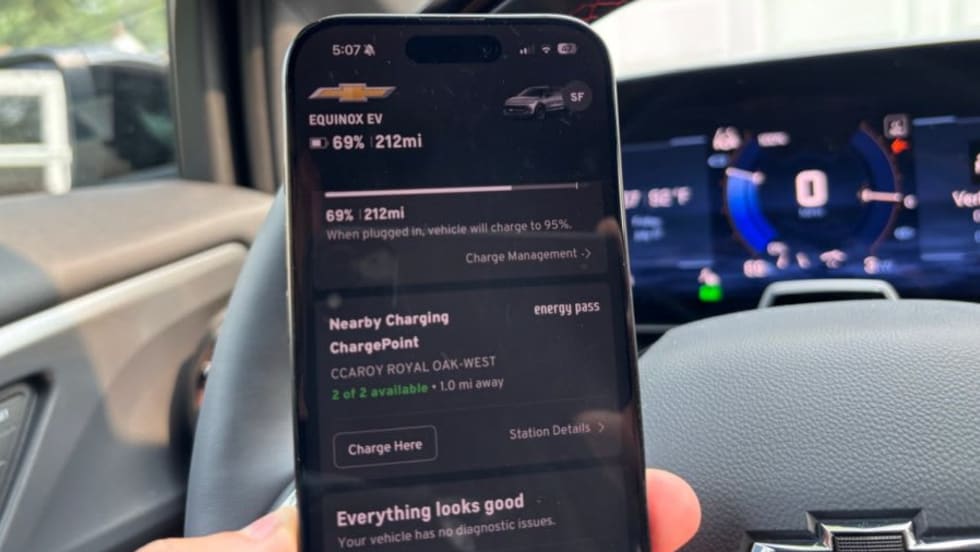
GM Adds ChargePoint Network to Energy Pass Platform
The integration gives GM EV drivers access to additional DC fast chargers and Level 2 stations through a single app while expanding the automaker's public charging ecosystem.
Read More →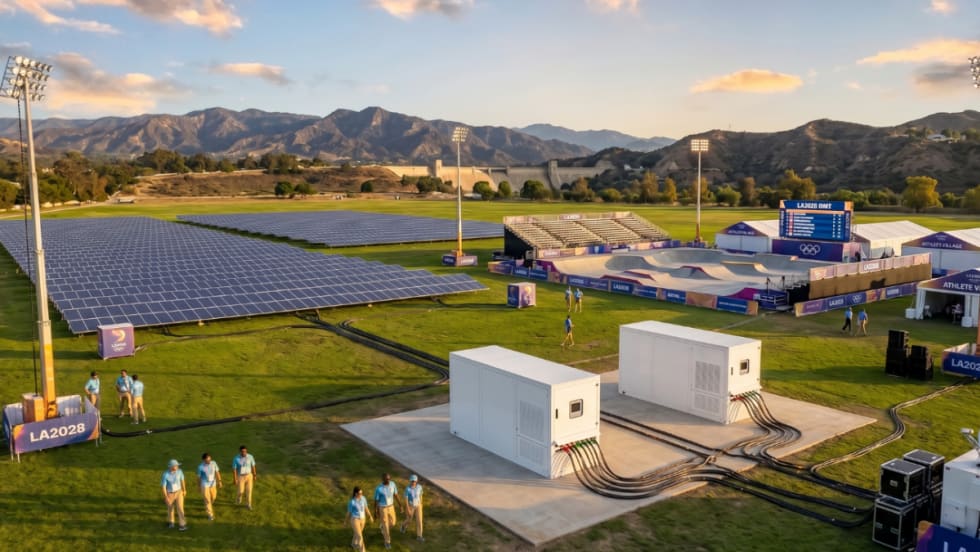
Xos White Paper Asserts LA Olympics Will Lack Enough EV Chargers
The commercial EV fleet company recommends some faster and more flexible remedies to relieve the anticipated shortfall.
Read More →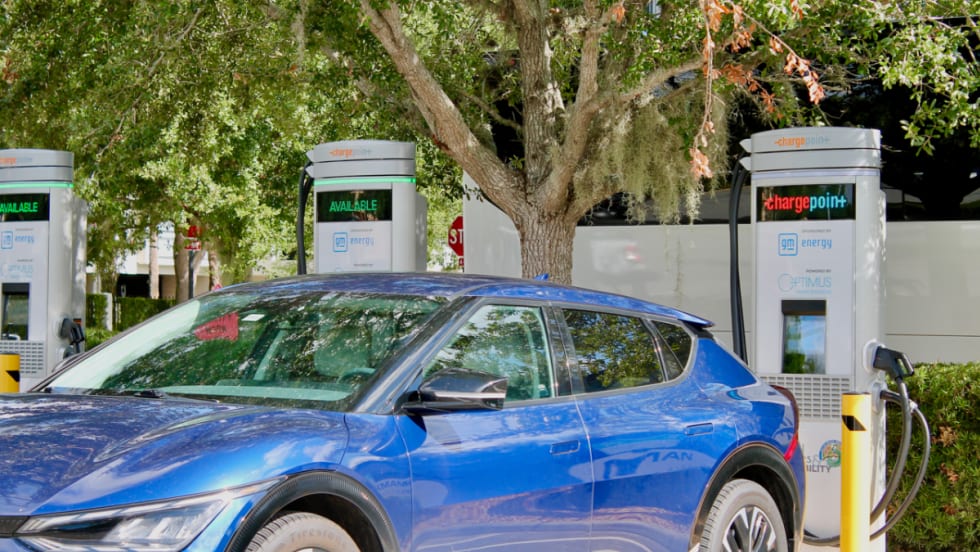
ChargePoint, Optimus Expand Fast-Charging Network Across Southeastern U.S.
ChargePoint will serve as the exclusive solutions provider, delivering hardware, software, and services to support Optimus’ growing charging network.
Read More →
Running A Profitable Electric Rental Fleet
How do you successfully operate an all-electric rental car fleet? Whether you manage a rental fleet or another commercial fleet, this conversation offers practical lessons on deploying, operating, and scaling electric vehicles.
Read More →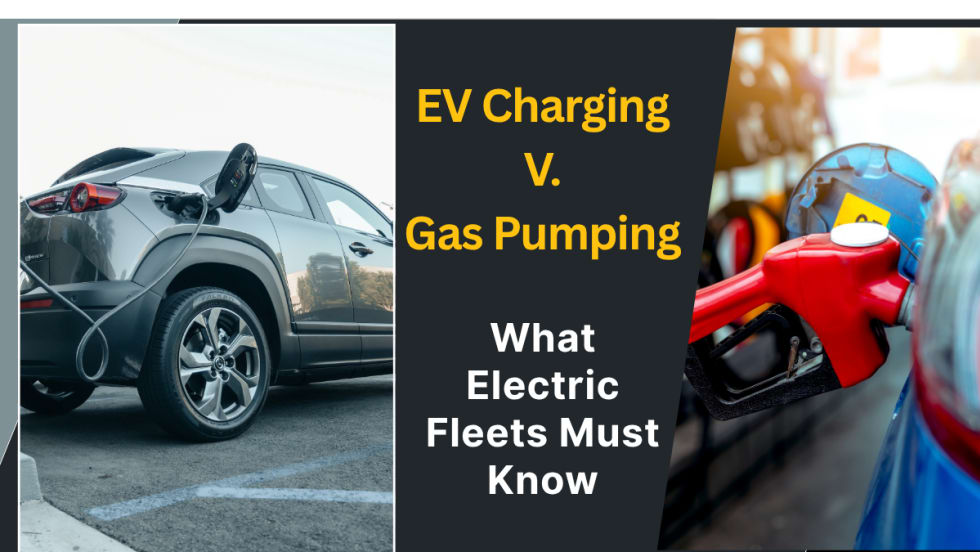
Why Charging May Never Be As Easy As Filling Up Gas
A seamless charge depends on a string of independent companies getting it right together, every time. How can electric fleets navigate the challenges to create a successful charging plan?
Read More →