



For More Info: 40 Interesting EV Stats/Trends
Fleets Key To Electric Vehicle Adoption
With their planned routes and regular charging access, electrified fleets will lead the industry in developing reliable data and pushing forward wider adoption, expert says.
January 20, 2021
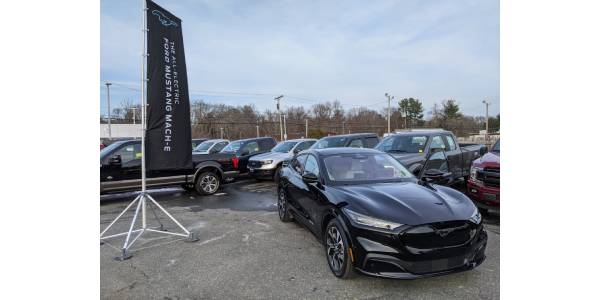
Photo: Findthebestcarprice.com
5 min to read
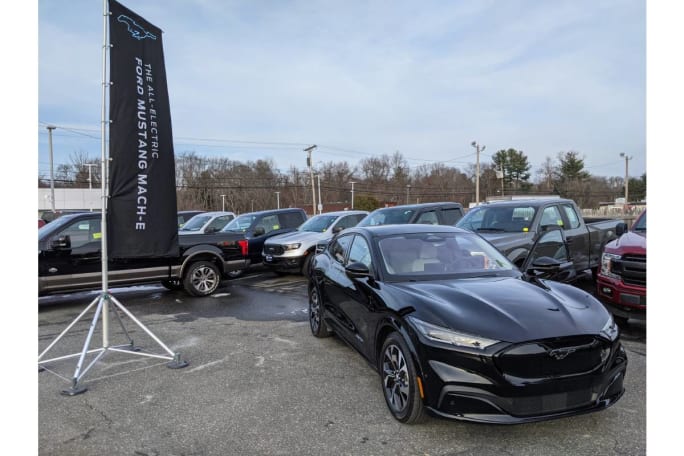
Lower cost and more durable batteries will increase the appeal of EVs across the ground transportation industry in coming years.
Photo: Findthebestcarprice.com
For now, electric vehicle fleets are small scale experiments, but the influx of electric vans and pick-ups will get more EVs on the road and start creating a critical mass toward successful adoption and usage, says an EV researcher.
“Fleets are key to electrification,” says Steve Birkett, an electric vehicle advocate and specialist with Findthebestcarprice.com. “Consumers are more emotional and need a 500-mile range car, and are more likely to find fault with EVs. The emotional side is taken out for the fleet manager who is looking at practicality, savings and economics.”
GM’s recent announcement about its Brightdrop last-mile delivery unit along with electric vehicle interest from FedEx, UPS and Amazon underscore the long-term potential for electric vehicle fleets.
Birkett works with Geoff Cudd who created Findthebestcarprice.com in 2010 and recently began offering information about EVs. There are still few models with sufficient ranges and appeal to consumers, with Tesla taking the biggest share of sales, Birkett says.
Fleet Options
That applies to the fleet side as well, with Tesla Models 3 and Y being the most viable sedans for corporate traveling sales teams, for example, in terms of range and a super-charging network, he says.
EVs are especially well suited to metro and suburban areas with plenty of charging access, especially the Chevy Bolt EV providing sufficient range for local daily driving.
The Bolt is more utilitarian, Birkett says, and although a compact by class, it offers 56 cubic feet of cargo once the rear seat is down allowing a team of two workers to haul some tools and equipment. It works for light deliveries as well in urban and limited regional areas. Its range can extend to 300 miles on a single charge if driven efficiently.
Overall, hybrid plug-in models still provide the most assurance and flexibility for longer-range, work-related fleets, Birkett says.
That likely will change soon and fast with the pending production of electric pick-up trucks, most notably the Lordstown Endurance and models by Rivian. These trucks provide the same space and size as conventional pick-ups with ranges of 250 miles+.
“Which model will lead the way is tough to say because there is nothing on the road yet, but large contenders are signing deals,” Birkett says. “By 2025 they will be on road en mass. From a fleet standpoint, the savings are there. It’s just a matter of getting the metal put out on the road.”
Helping spur adoption, battery costs will continue to decline, having already fallen 89% over the past decade, Birkett says. Battery pack prices in 2019 were an average of $156/kWh, which is down from $1,100/kWh in 2010. The battery packs are also becoming lighter, lessening the weight of the vehicle.
In the U.S., IHS Markit predicts there will be 130 available models by 2026, offered by 43 brands.

Fleets can best adopt EVs and prove their worth on the road, says EV specialist and advocate Steve Birkett.
Photo: Findthebestcarprice.com
Fleet Advantages
Charging infrastructure still remains a major challenge for widespread public adoption of EVs, but that’s not a problem for most fleets, Birkett says. Many fleets are used locally on predictable routes and service/work assignments. Government and delivery fleets often can return to a depot or maintenance lot where they can be charged overnight.
As EV fleets gain collective mileage, the vehicles will generate more data, helping fleet managers optimize their daily use and charging patterns. “Every aspect of fleet management would benefit from data and charging infrastructure,” he says. “Data can help with route planning and energy usage.”
Another future benefit of electric vehicles will be their bi-directional ability to give back power to electric grids, thereby boosting power when needed while enabling fleet managers and owners to reduce costs and even profit from batter storage.
“If an EV fleet is not being used, they are stationary battery storage,” Birkett says. “Some municipalities can sell power back to the grid. Maybe these become a revenue generator for you. That is still on the edge of the tech, and not developed yet.” Within 10 years, vehicle-to-grid arrangements could be quite common, especially as EV usage escalates in 2025 and beyond.
EV Incentives
EV fleet buyers can expect more incentives and charging stations if the incoming Biden Administration follows through on its electrification agenda, which includes the construction of 500,000 new charge points nationwide. That would speed up EV adoption, Birkett says.
Most of the fleet incentive programs and been on the state level. Federal programs in place carried over from Obama Administration which also pushed for electric and cleaner vehicles. During the Trump years, there was no real regression or progress on federal EV programs, Birkett says.
In Massachusetts, for example, the state allocated $4 million toward EV adoption, including $7,500 per vehicle rebates toward the purchase of qualified EVs. Birkett advises fleet buyers to look out for changes or expansions in incentive programs at state and federal levels.
EV Ramp Up
Birkett predicts OEMs and manufacturers will achieve production economies of scale, battery partnerships, and consistent sales by 2024, Birkett says. That is also the year when battery prices will decline enough to make EVs comparable to ICE ones. Predictions of this happening in 2022 are too optimistic, he believes.
“How quickly can you get a factory up and what takes priority? Companies now are trying to map out and get a plan. I’m not putting my money on any one company to say what they will deliver. It will be shaken out.”
Battery Realities
Birkett remains skeptical of solid state batteries, which have existed for decades but have yet to be full developed into stronger, more efficient replacements of lithium-ion batteries.
“Solid-state battery announcements go back to 2015 and are always around the corner,” he said. “I don’t see solid state battery vehicles en masse by 2025. Lithium ion is all we have. The R&D at moment is going in the direction of lithium ion or advanced variations of them. The company that gets on solid state vehicle batteries first will take a turn toward profitable vehicles, but no one has anything to be released in the next few years.”
More Electric Vehicles

California Governor Approves Instant ZEV Rebates For First-Time Buyers
That instant rebate is the centerpiece of a broader $600 million package Governor Newsom signed into law, keeping California active in the global clean transportation race.
Read More →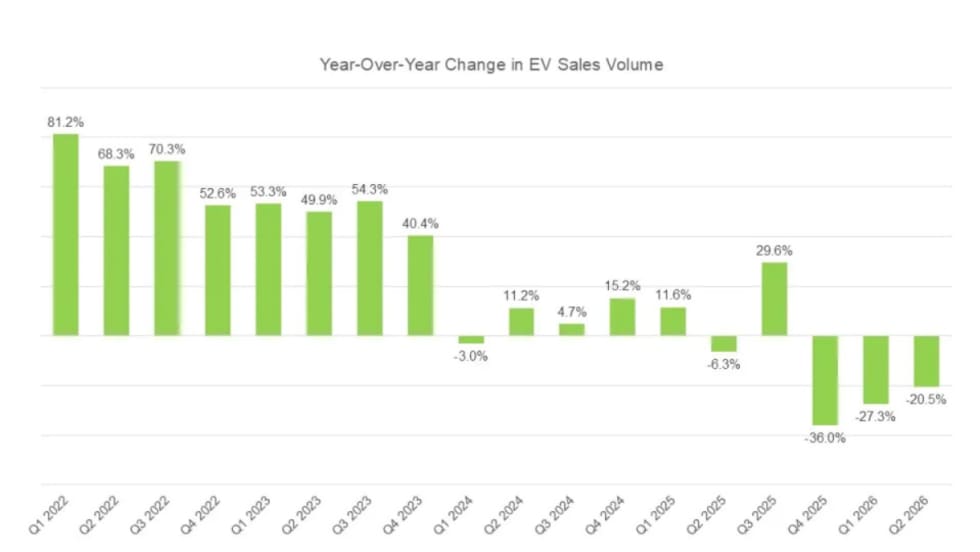
New Vehicle Models Stabilize Electrified Market In Q2
But more credit goes to hybrids than to all-electric vehicles, as more buyers look for fuel-efficient alternatives amid high gas prices.
Read More →
Xos White Paper Asserts LA Olympics Will Lack Enough EV Chargers
The commercial EV fleet company recommends some faster and more flexible remedies to relieve the anticipated shortfall.
Read More →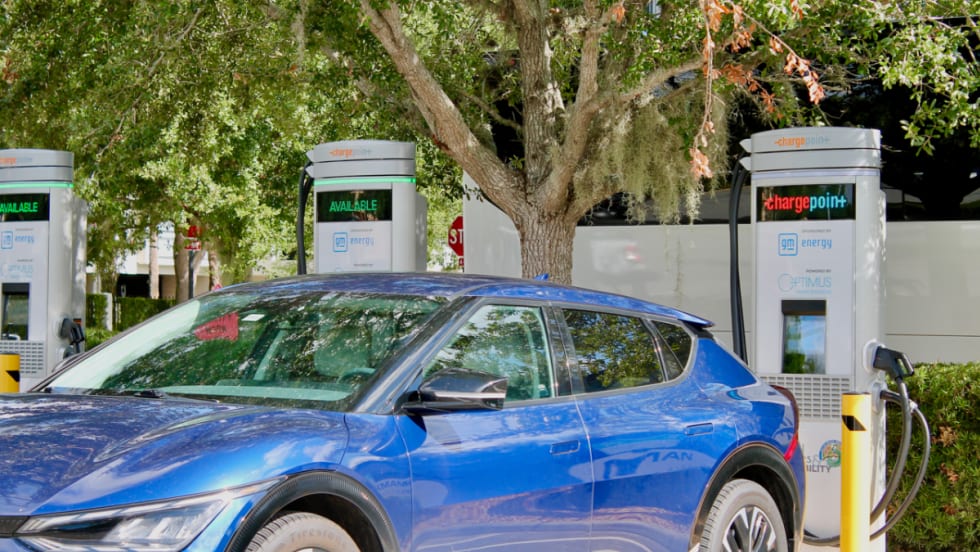
ChargePoint, Optimus Expand Fast-Charging Network Across Southeastern U.S.
ChargePoint will serve as the exclusive solutions provider, delivering hardware, software, and services to support Optimus’ growing charging network.
Read More →
Running A Profitable Electric Rental Fleet
How do you successfully operate an all-electric rental car fleet? Whether you manage a rental fleet or another commercial fleet, this conversation offers practical lessons on deploying, operating, and scaling electric vehicles.
Read More →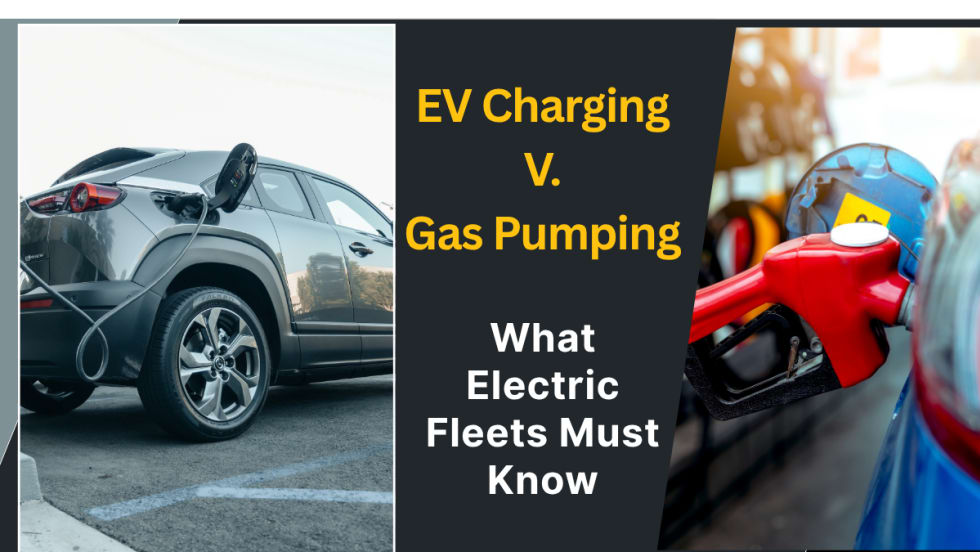
Why Charging May Never Be As Easy As Filling Up Gas
A seamless charge depends on a string of independent companies getting it right together, every time. How can electric fleets navigate the challenges to create a successful charging plan?
Read More →
Slate Debuts Colorful, Unique EV Models
A recent media and client event, studded with electric vehicles dressed up on platforms, planted a new position for the manufacturer in the wider EV market. Fleets will find cost-saving advantages.
Read More →
Slate Electric SUV, Pickup Switchable Model Aims For Light-Duty Fleets
Everything about this EV is counterintuitive and understated, making it stand out from the crowd.
Read More →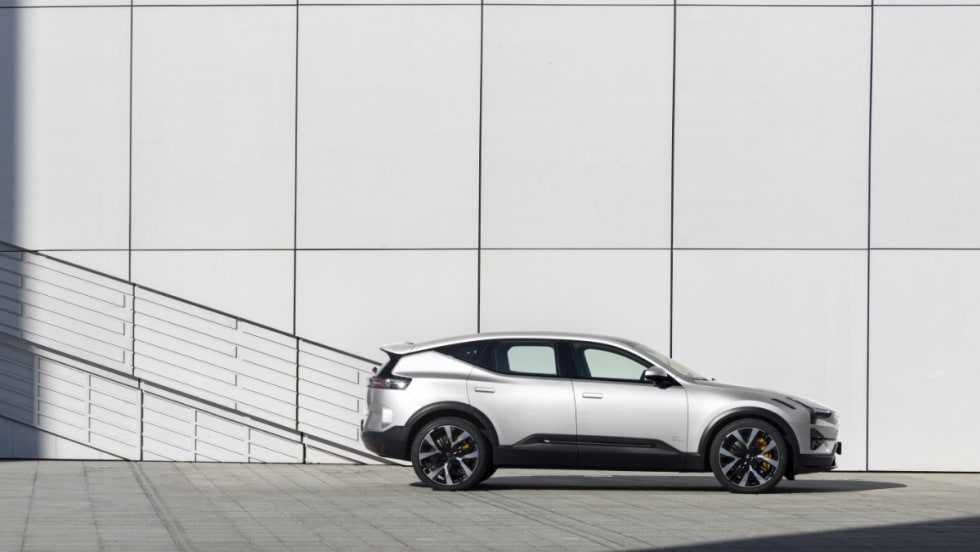
Polestar Barred from U.S. Market Under Connected Vehicle Rule
The automaker loses its authorization to sell new vehicles in the U.S., starting with the 2027 model year. Polestar owners will retain access to the brand's service network.
Read More →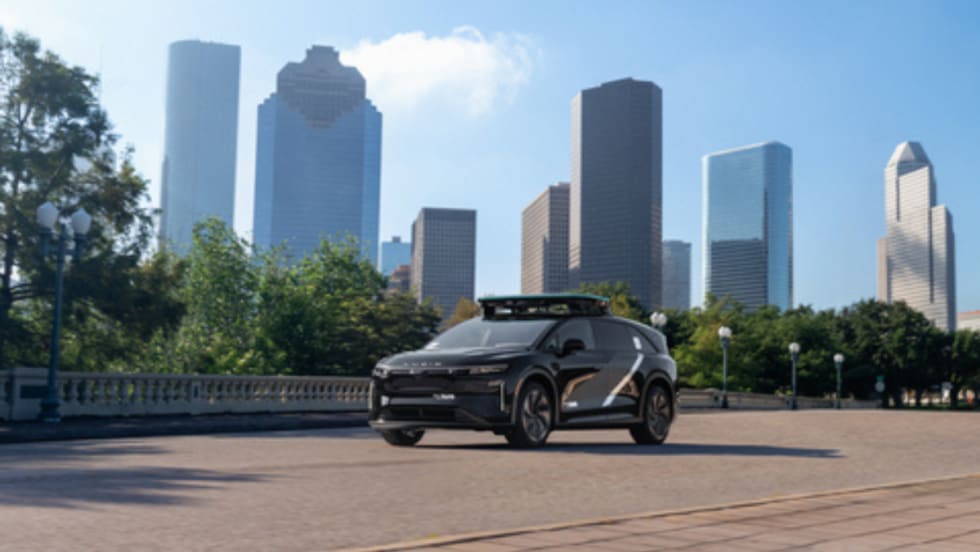
Uber, Nuro and Lucid Plan Houston Robotaxi Service in 2027
The tripartite venture brings out the combined advantages of electric vehicles, mobility, and autonomy into ground transportation.
Read More →