


Wireless Charging Trial for Fleets Goes Live in Edinburgh
Electric vans will be fitted with a charging pad to park on as part of the trial. The £1.6 million project is led by Flexible Power Systems, in partnership with the City of Edinburgh Council and Heriot-Watt University.

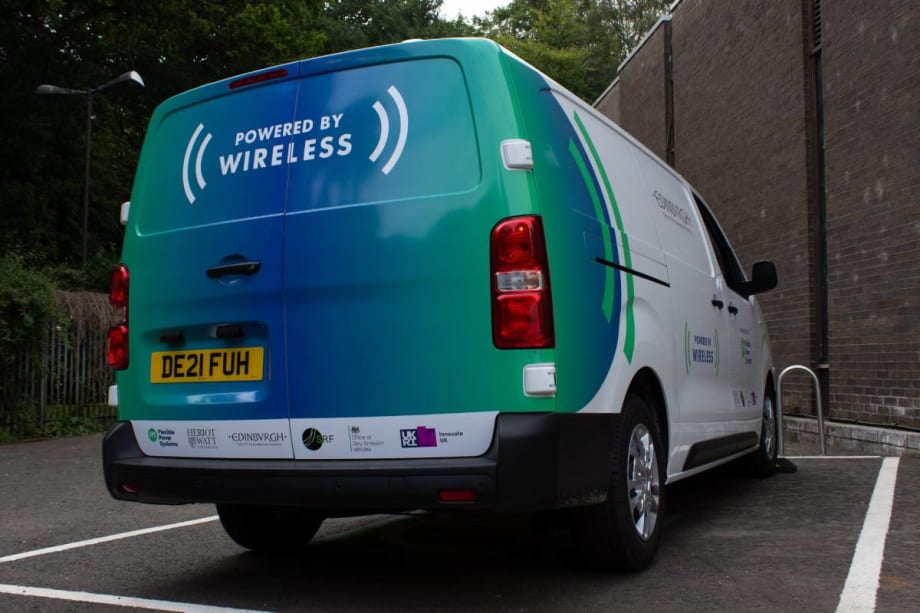
Four vans will be included in the initial trial. Charging pads underneath the vehicle are reported to provide a full charge in under an hour.
Photo: Flexible Power Systems
Four modified Vauxhall vans will take to the streets in Edinburgh as part of a real-world trial to test wireless electric vans. The £1.6 million project is led by Flexible Power Systems, in partnership with the City of Edinburgh Council and Heriot-Watt University.
The vehicles will be fitted with a slim charging pad on the underside. In order to charge, they just need to park above electric pads, and are charged in under an hour with no need to plug in.
“Wireless changing could offer fleets efficiencies in terms of number of chargers needed, time required for charging and space in depots, all barriers to electrification," said FPS managing director Michael Ayres. "In future, driverless vans could even be used, as no one is needed to plug in charging cables.”
Funding for the trial is being provided by the U.K. Government’s Office for Low-Emission Vehicles through its innovation agency, Innovate UK.
Autonomous Vehicles
Heriot-Watt University has been working with industry representatives from LogisticsUK and the Society of Motor Manufacturers and Traders to ensure its research in this project has real-world application and relevance.
Professor Phil Greening is deputy director of the Centre for Sustainable Road Freight, a joint initiative between Heriot-Watt University and Cambridge University. Greening said in a press releades from Flexible Power Systems that wireless charging is a cornerstone technology and an essential requirement if commercial vehicles are to transport goods autonomously in the future.
“There are enormous challenges for us to overcome if we are to see autonomous commercial vehicles on our roads," he says. "Our role for around the past three years, has been to explore future scenarios assisted by advanced computer modelling in order to determine the benefits of wireless charging and find solutions to these challenges. While shared infrastructure and collaboration have great potential to reduce the costs of decarbonising last-mile logistics, there are complex scheduling and commercial trade-offs to be considered. Our research will help accelerate the decarbonisation of last mile deliveries and crucially reduce the cost of those operations.”
Net Zero
City of Edinburgh Councillor Karen Doran, Transport and Environment Vice Convener, added: “Our commitment to supporting cleaner, more sustainable transport in the capital, both as part of our City Mobility Plan and our ambition to become carbon neutral by 2030, starts with our own fleet, and advances such as this will help us achieve our goals. ...It’s these kinds of innovations, along with our own plans for electric vehicle charging across the city, that will be crucial to our move to zero emission transport.”
James Derby, chief engineer, electrical systems at FPS said: "There has to be electrification of vehicles in future, we can’t go on burning fossil fuels. Wireless is now part of the mix of advanced charging technologies we can offer fleets adopting EVs."
The trial runs through April next year.
Originally posted on Automotive Fleet
More Electric Vehicles
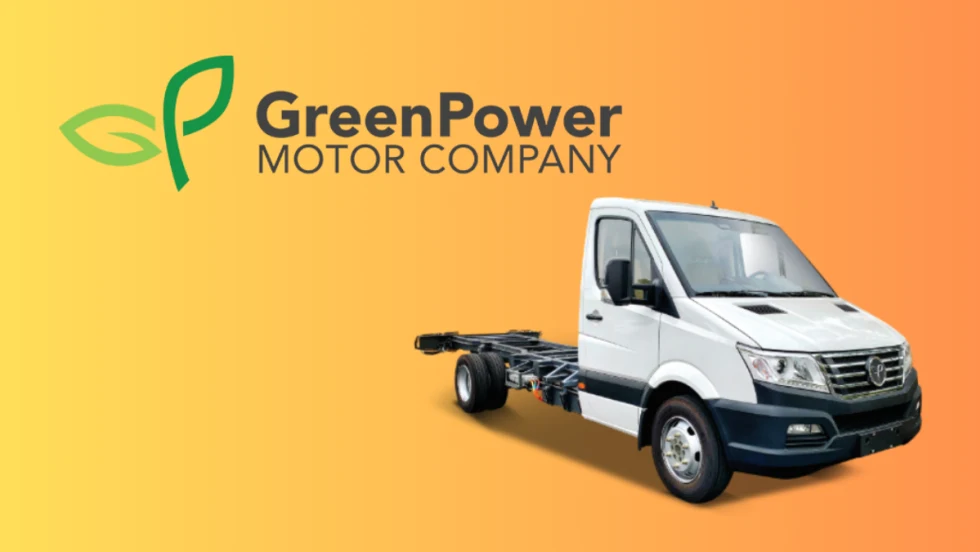
GreenPower Plans 50 Electric Shuttle Buses for Mexico
GreenPower plans to build 50 electric shuttle buses for Mexico using its EV Star Cab & Chassis platform, partnering with local body builders to expand its market reach.
Read More →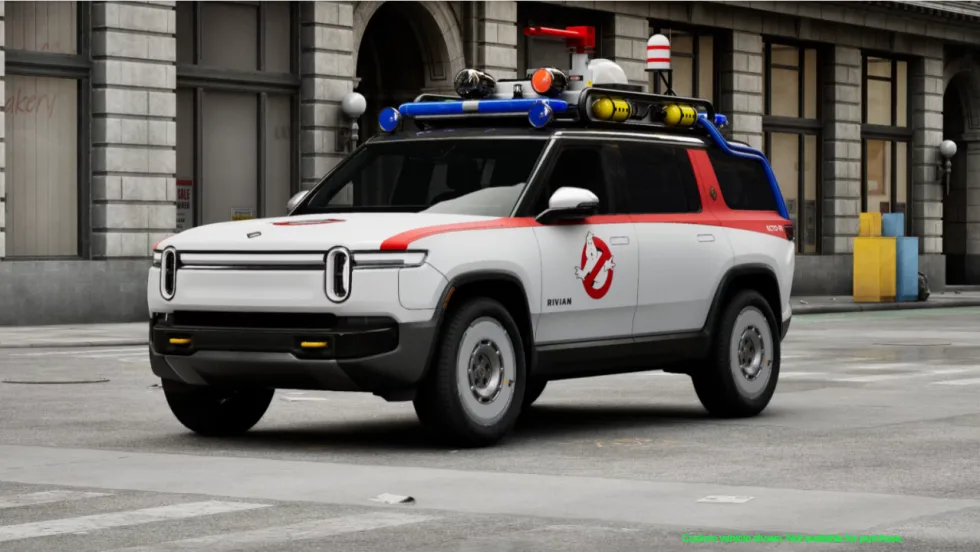
Who You Gonna Call? Rivian Turns Electric Vehicles Into Ghostbusters Rides
Rivian teams up with Sony Pictures for a Ghostbusters-inspired Halloween software update, complete with custom sounds, lighting effects, and a special Ecto-R1.
Read More →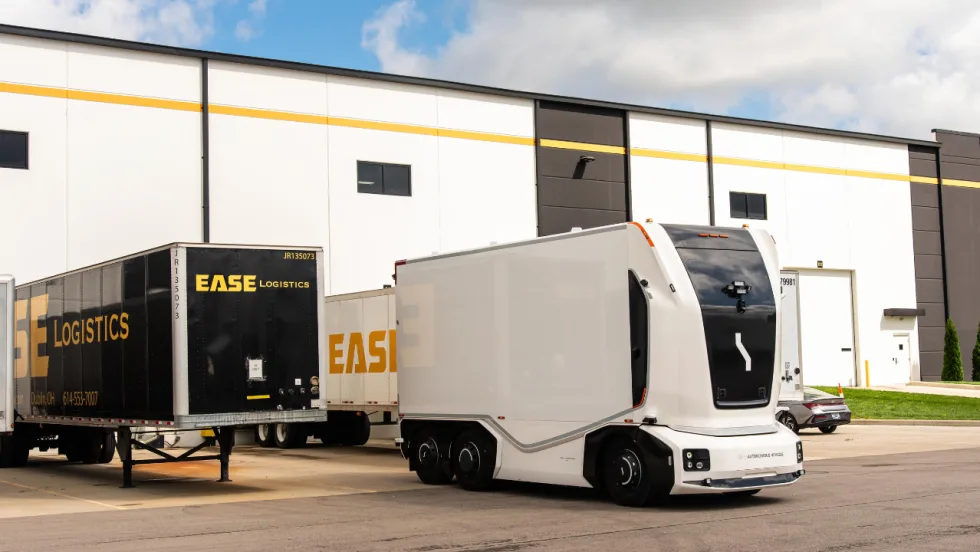
Einride Electric Driverless Trucks Begin Daily Freight Operations in Ohio
Two cabless electric trucks are now moving freight between EASE Logistics facilities, putting autonomous EV technology into daily commercial operations.
Read More →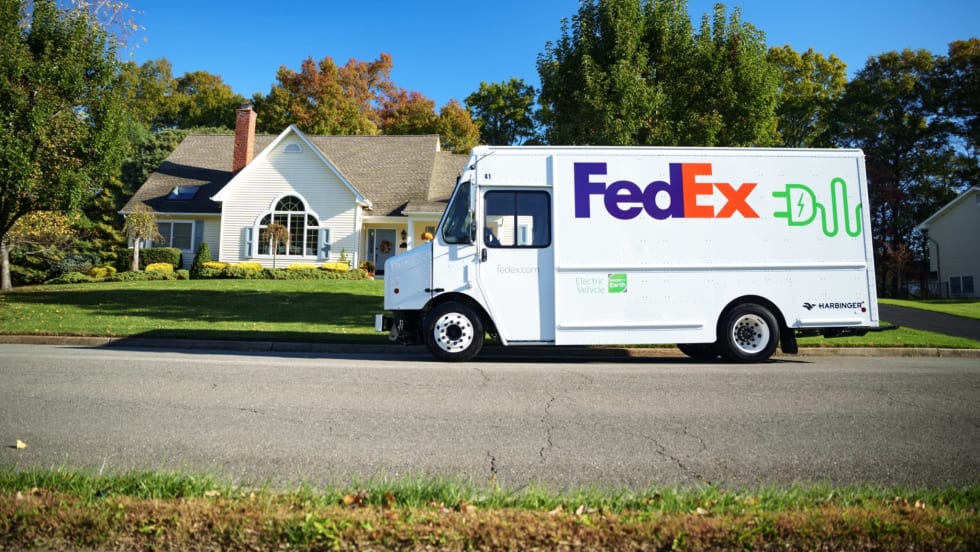
FedEx Orders 2,000 Harbinger Electric Trucks in $300 Million Deal
The Class 5 and 6 electric trucks are planned for delivery by the end of 2027 and will be deployed in FedEx pickup and delivery operations across the U.S. and Canada.
Read More →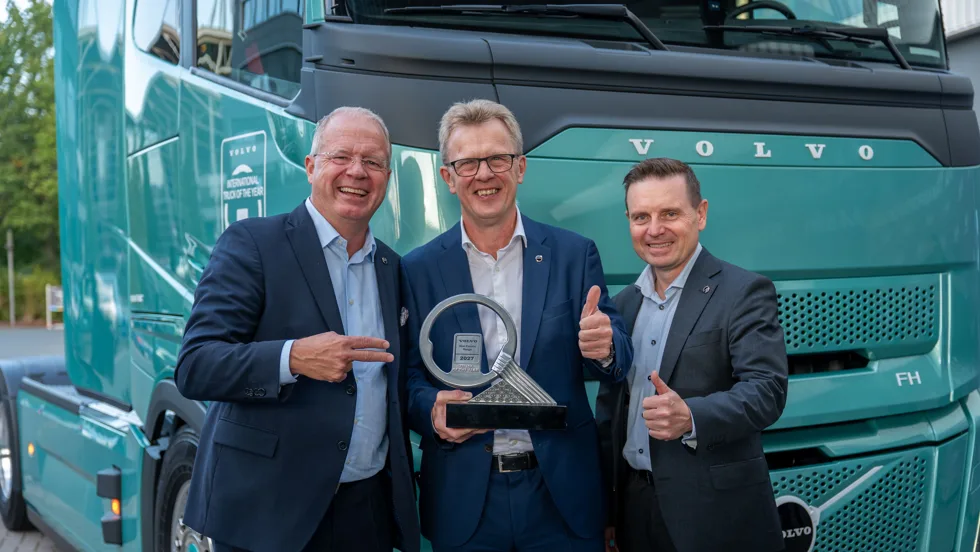
Volvo Trucks’ Electric Range Named International Truck of the Year 2027
The award recognizes Volvo’s global heavy-duty electric lineup, while more than 750 VNR Electric trucks have accumulated nearly 37 million miles in U.S. and Canadian fleet operations.
Read More →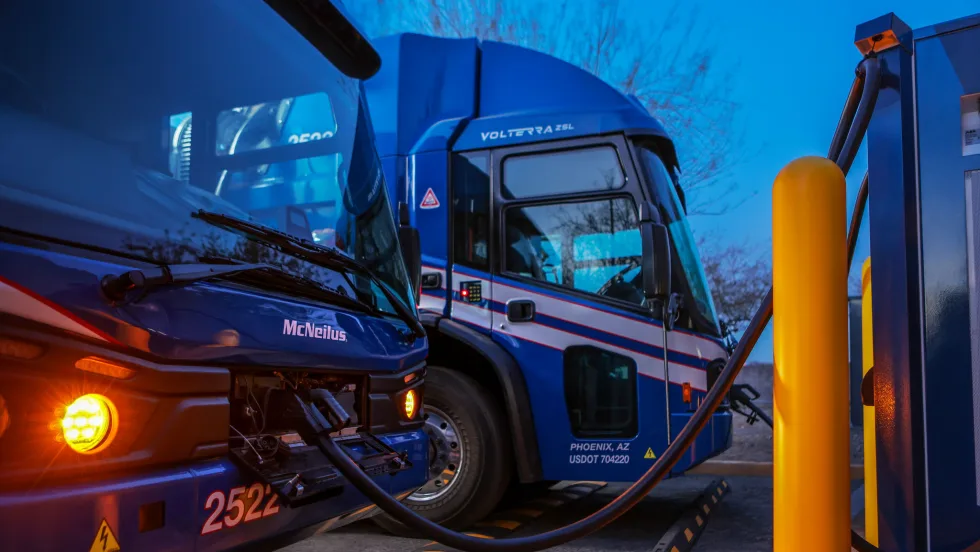
How Republic Services Decides Where Its Next Electric Trucks Can Go
With 250 electric collection trucks now in service, Republic Services is learning that scaling electrification depends less on proving the vehicle and more on whether each site can support what comes next.
Read More →
EV Charging Use Is Outpacing Infrastructure Growth
ChargePoint’s 2026 Charging Forward Report points to rising charger use, higher-powered charging, commercial vehicle electrification, and energy-management technology. Here’s what fleets should know.
Read More →
EV Realty Names Henrik Holland President as Charging Platform Expands
The former Prologis Mobility and Shell executive will help expand EV Realty’s truck charging business and move its power-first infrastructure model into autonomous vehicle depots and other fleet sectors.
Read More →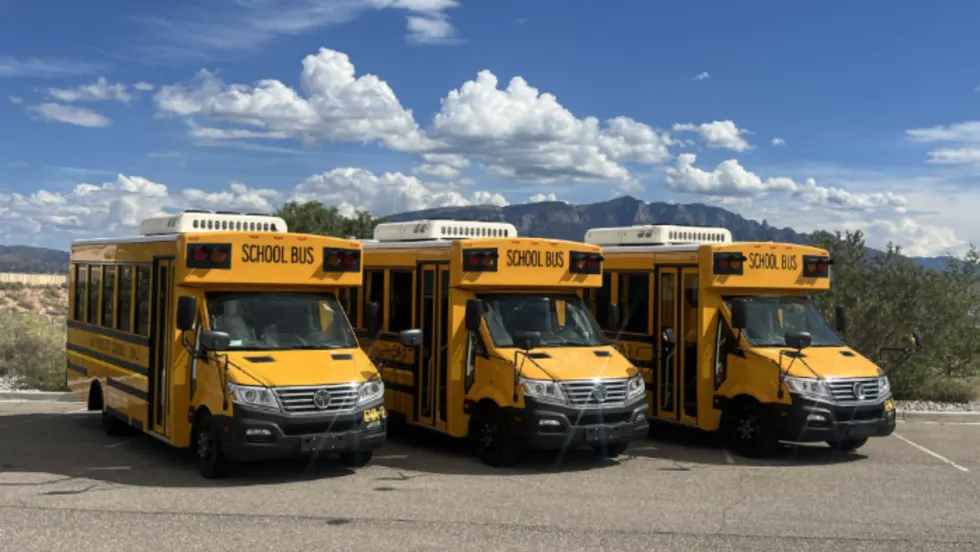
GreenPower Expands New Mexico EV Pilot With Larger Buses, V2G Testing
After logging more than 17,000 electric miles in the first year, New Mexico’s statewide pilot is moving into its second phase with larger vehicles, continued charging evaluations, and more.
Read More →
Can EV-as-a-Service Help Fleets Scale Electrification?
Sustainability Partners CEO Adam Cain explains how matching EVs, charging infrastructure, and duty cycles can help fleets scale electrification.
Read More →