


Volvo Declares Last Diesel Car Will Be Produced in Early 2024
Volvo announced at Climate Week NYC the end of production to all diesel-powered Volvo Car models by early 2024, with the aim to be a climate neutral company by 2040.

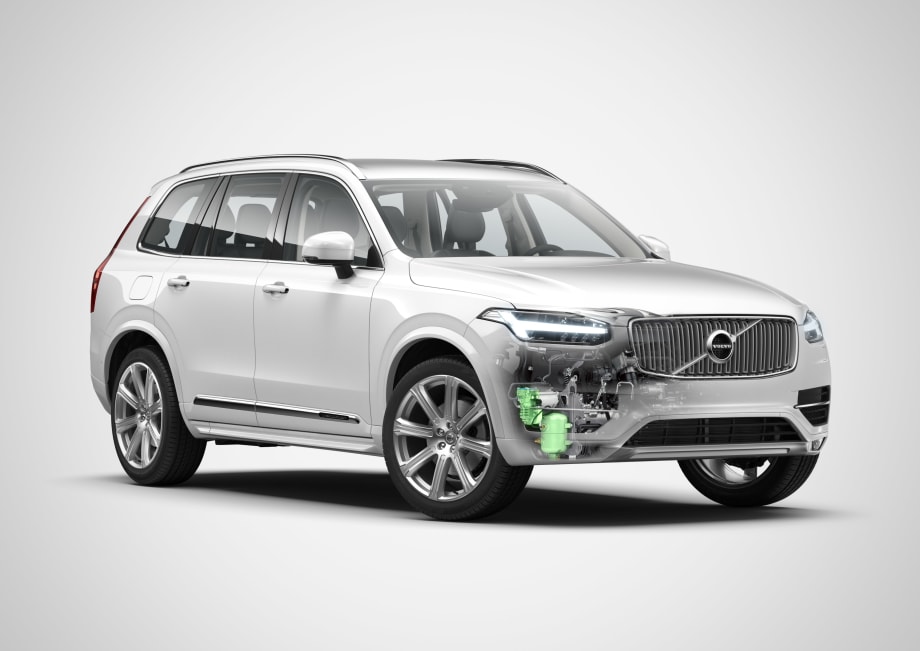
This decision follows a similar one they had made November 2022, where Volvo sold their stake in Aurobay, the joint venture company that harbored all of Volvo’s remaining combustion engine assets.
Photo: Volvo
Volvo has announced on Sept. 19 that they plan on only selling fully electric cars by 2030 and by aim to be a climate neutral company by 2040.
To emphasize this plan, Volvo announced at Climate Week NYC the end of production to all diesel-powered Volvo car models by early 2024. In a few months from now, the last diesel-powered Volvo car will have been built, making Volvo Cars one of the first legacy car makers to take this step.
This decision follows a similar one they had made November 2022, where Volvo sold their stake in Aurobay, the joint venture company that harbored all of Volvo’s remaining combustion engine assets.
“Electric powertrains are our future, and superior to combustion engines: they generate less noise, less vibration, less servicing costs for our customers and zero tailpipe emissions,” said Jim Rowan, chief executive at Volvo in a recent news release. “We’re fully focused on creating a broad portfolio of premium, fully electric cars that deliver on everything our customers expect from a Volvo - and are a key part of our response to climate change.”
An Urgent Need for Action
“What the world needs now, at this critical time for our planet and humanity, is leadership,” said Rowan. “It is high time for industry and political leaders to be strong and decisive, and deliver meaningful policies and actions to fight climate change. We’re committed to doing our part and encourage our peers as well as political leaders around the globe to do theirs.”
Volvo’s Chief Sustainability Officer Anders Kärrberg will also be attending an event organized by the Accelerating to Zero (A2Z) Coalition at this year’s Climate Week NYC.
Launched at the COP27 climate summit, the A2Z Coalition provides a multi-stakeholder platform for signatories of the Glasgow Declaration on Zero Emission Vehicles.
The A2Z platform allows automotive industry companies to collaborate and coordinate actions with others towards the coalition’s collective target of ‘making 100% of global new car and van sales free of tailpipe emissions by 2040, and no later than 2035 in leading markets’.
A Changing Outlook
This decision to completely phase out diesels by early 2024 illustrates how rapidly both the car industry and customer demand are changing in the face of the climate crisis.
Only four years ago, the diesel engine was the bread and butter for car makers in Europe. The majority of cars sold in Europe by Volvo only a few years ago were powered by a diesel engine, while electrified models were only just beginning to make their mark.
That trend has largely inverted itself since then, driven by changing market demand, tighter emission regulations as well as a focus on electrification.
Originally posted on Automotive Fleet
More Electric Vehicles
EV Charging Use Is Outpacing Infrastructure Growth
ChargePoint’s 2026 Charging Forward Report points to rising charger use, higher-powered charging, commercial vehicle electrification, and energy-management technology. Here’s what fleets should know.
Read More →
EV Realty Names Henrik Holland President as Charging Platform Expands
The former Prologis Mobility and Shell executive will help expand EV Realty’s truck charging business and move its power-first infrastructure model into autonomous vehicle depots and other fleet sectors.
Read More →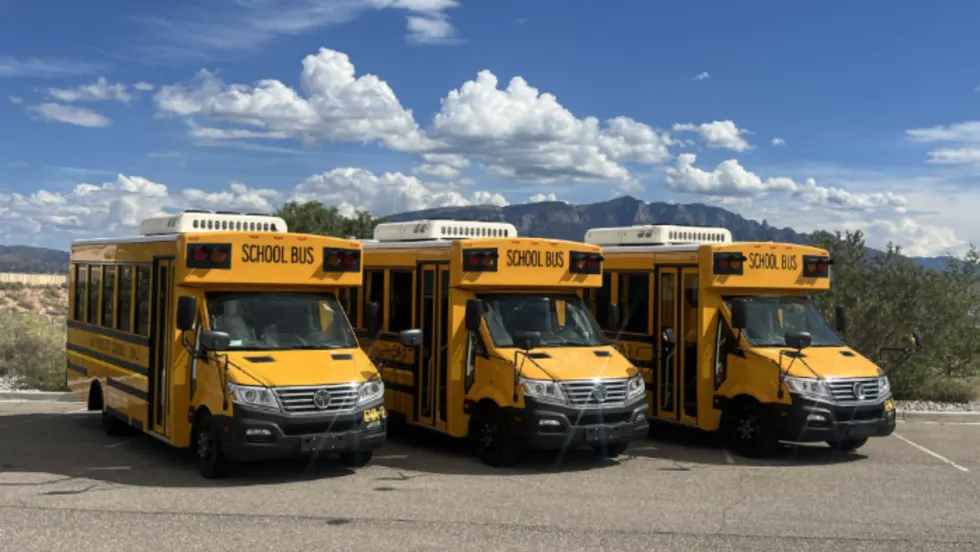
GreenPower Expands New Mexico EV Pilot With Larger Buses, V2G Testing
After logging more than 17,000 electric miles in the first year, New Mexico’s statewide pilot is moving into its second phase with larger vehicles, continued charging evaluations, and more.
Read More →
Can EV-as-a-Service Help Fleets Scale Electrification?
Sustainability Partners CEO Adam Cain explains how matching EVs, charging infrastructure, and duty cycles can help fleets scale electrification.
Read More →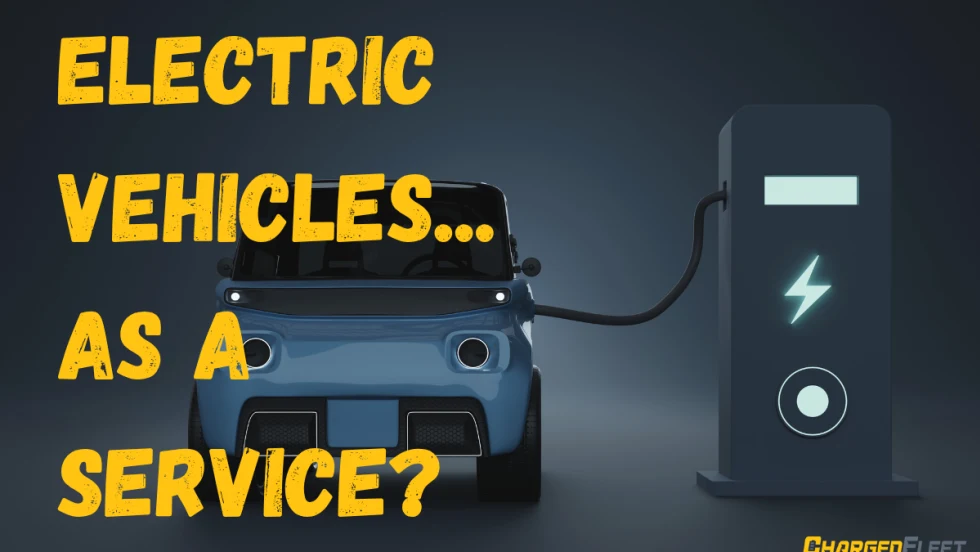
How EV-as-a-Service Is Moving Fleets Beyond Pilots
Adam Cain, president and CEO of Sustainability Partners, explains how EV-as-a-service can help fleets scale deployments by addressing duty-cycle requirements and charging challenges.
Read More →
PowerFlex, The Mobility House Join Forces to Advance Fleet Electrification
Two EV charging providers are joining forces to deliver a broader portfolio of energy management and fleet electrification solutions.
Read More →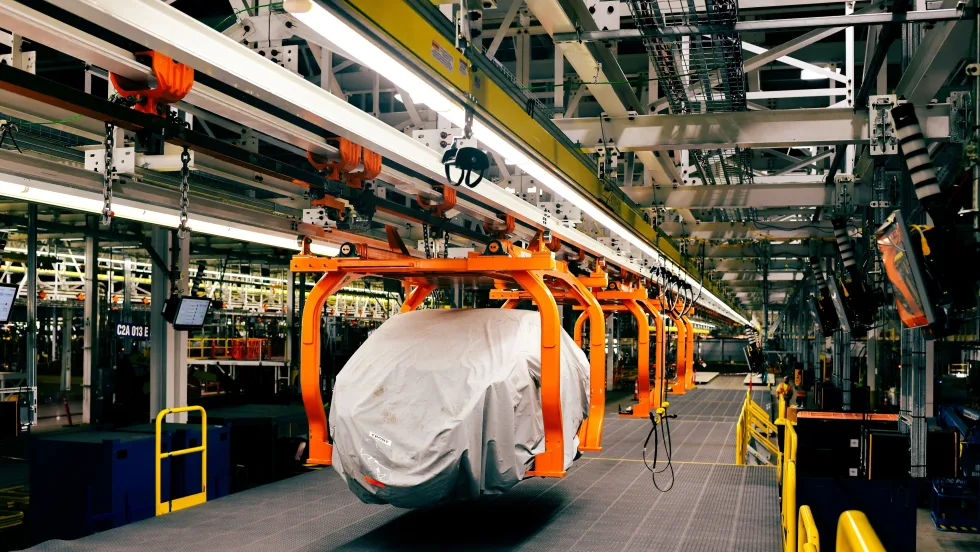
Ford Retools Louisville Plant for Fathom Electric Truck Production
Ford's $2 billion Louisville Assembly Plant overhaul introduces a three-part assembly process for the Fathom midsize electric truck, with production scheduled to begin in 2027.
Read More →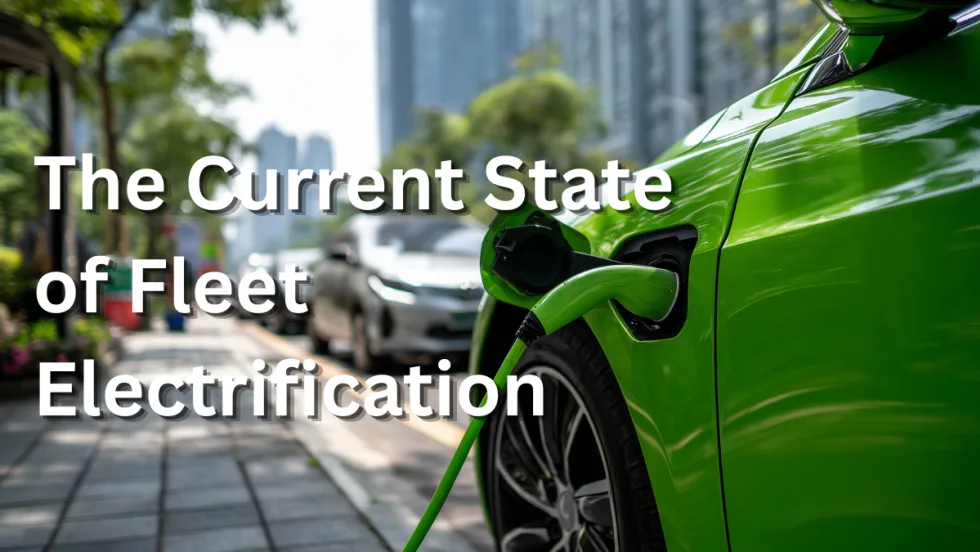
Merchants Fleet Reports 290M EV Miles as Fleets Navigate Changing Electrification Market
From millions in operating savings to hundreds of millions of EV miles, Merchants Fleet’s latest report reveals what’s working and what’s changing in fleet electrification.
Read More →
California District Commits to Electrify 25% of School Bus Fleet by 2028
One of the nation's largest school bus electrification projects to date demonstrates how grants, charging infrastructure, and public-private partnerships can help fleets transition to EVs at scale.
Read More →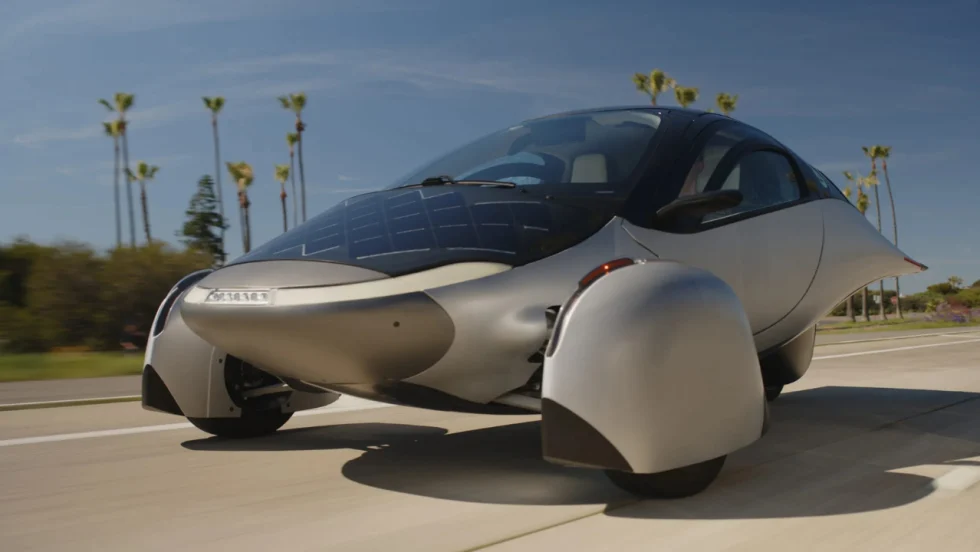
Aptera Orders Bodies and Chassis for Its First 40 Production Vehicles
Aptera Motors Corp. has issued purchase orders for the major structural components of its first 40 vehicles, and body and chassis components are expected to begin arriving in October.
Read More →