


Tiger Woods Crash Calls Attention to Speeding Problem
Fleet managers need to continually remind drivers to refrain from the behavior, which can be triggered by everything from heavy traffic to running late.


For more than two decades, speeding has been involved in an estimated one-third of all motor vehicle fatalities.
Photo via Unsplash.com/Jonathan Cooper.
Tiger Woods was driving about 40 miles per hour over the speed limit when he crashed on Feb. 23 in Los Angeles, putting a renewed focus on the perils of speeding on the nation’s roadways.
In 2018, 9,378 people lost their lives due to speeding, according to the National Highway Traffic Safety Administration (NHTSA). Woods was among the fortunate in that he walked away from the wreck.
For more than two decades, speeding has been involved in an estimated one-third of all motor vehicle fatalities. In 2018, speeding was a contributing factor in 26% of all traffic fatalities, notes NHTSA.
Speeding is a type of aggressive driving behavior and fleet owners need to continually remind drivers to refrain from the behavior, which can be triggered by everything from heavy traffic to running late.
Experts say the actual extent of the problem is underestimated because the reporting of speeding-related crashes is inconsistent. But here’s what we do know.
Speeding can result in loss of vehicle control, which increases both the likelihood of a crash and the severity of injuries sustained. Higher vehicle speeds lead to larger changes in velocity, which, in turn, lead to higher injury severity.
The National Transportation Safety Board recently announced its 2021-2022 Most Wanted List of Safety Improvements. Chief among them is “Implementing a comprehensive strategy to eliminate speeding-related crashes.”
The NTSB says speed-limiters on large trucks, automated enforcement, expert speed analysis tools, and education campaigns are underused. The organization is advocating for usage of these critical tools and strategies in order to address this chronic roadway safety problem. Many safety advocates also endorse lowering speed limits.
More Operations
The EV Breakdown Nobody's Talking About: Why Most Electric Vehicle Roadside Calls Aren't Mechanical Failures
Here's why EV breakdowns are widely misunderstood.
Read More →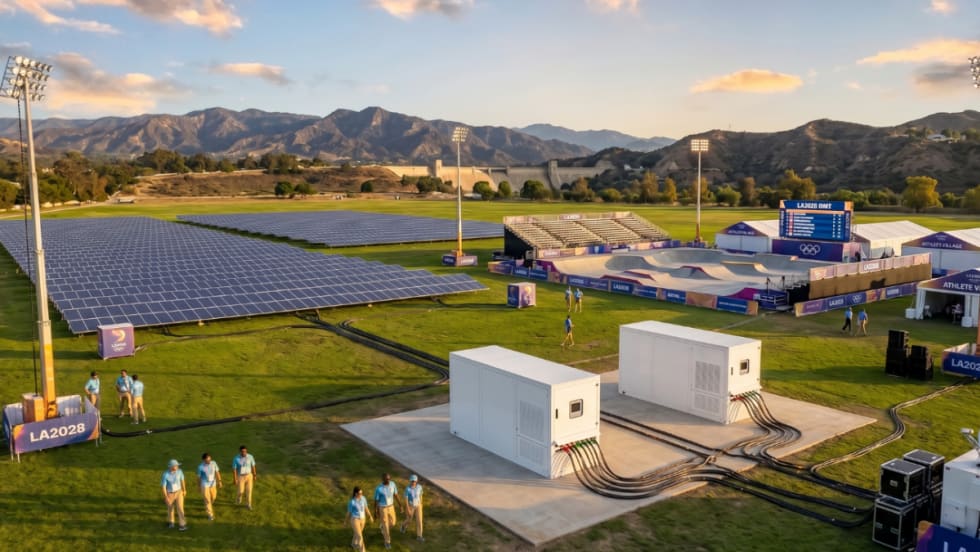
Xos White Paper Asserts LA Olympics Will Lack Enough EV Chargers
The commercial EV fleet company recommends some faster and more flexible remedies to relieve the anticipated shortfall.
Read More →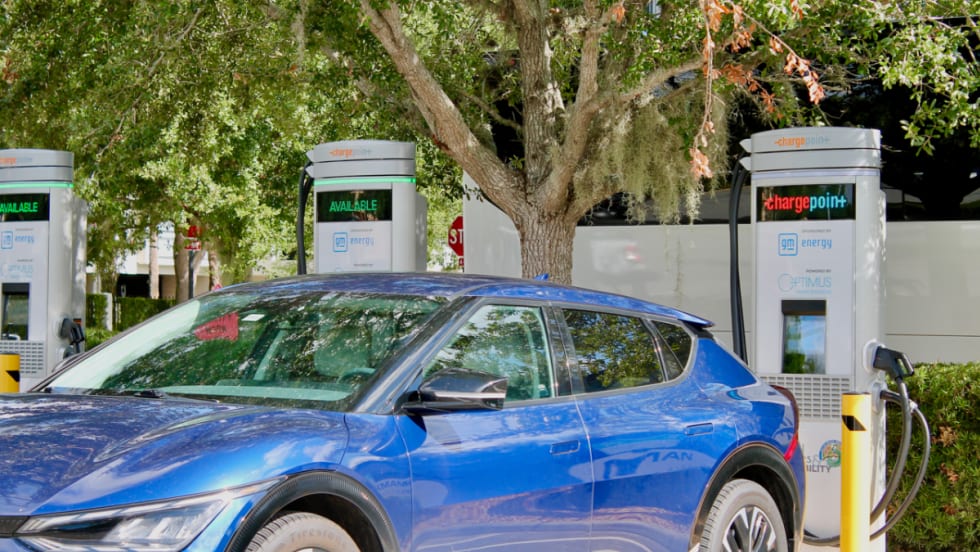
ChargePoint, Optimus Expand Fast-Charging Network Across Southeastern U.S.
ChargePoint will serve as the exclusive solutions provider, delivering hardware, software, and services to support Optimus’ growing charging network.
Read More →
Running A Profitable Electric Rental Fleet
How do you successfully operate an all-electric rental car fleet? Whether you manage a rental fleet or another commercial fleet, this conversation offers practical lessons on deploying, operating, and scaling electric vehicles.
Read More →
Registration Opens for 2026 Fleet Forward Conference
Held on the East Coast for the first time, the Washington, D.C.-area event features expert-led education, a new IIHS Crash Test Experience, and collocation with the NAFA’s Fleet Safety Symposium.
Read More →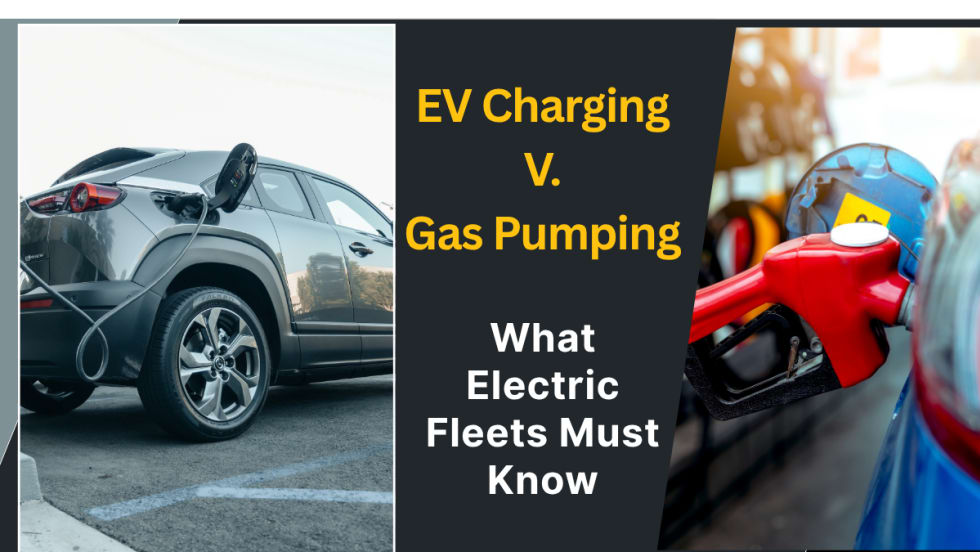
Why Charging May Never Be As Easy As Filling Up Gas
A seamless charge depends on a string of independent companies getting it right together, every time. How can electric fleets navigate the challenges to create a successful charging plan?
Read More →
Slate Debuts Colorful, Unique EV Models
A recent media and client event, studded with electric vehicles dressed up on platforms, planted a new position for the manufacturer in the wider EV market. Fleets will find cost-saving advantages.
Read More →
Slate Electric SUV, Pickup Switchable Model Aims For Light-Duty Fleets
Everything about this EV is counterintuitive and understated, making it stand out from the crowd.
Read More →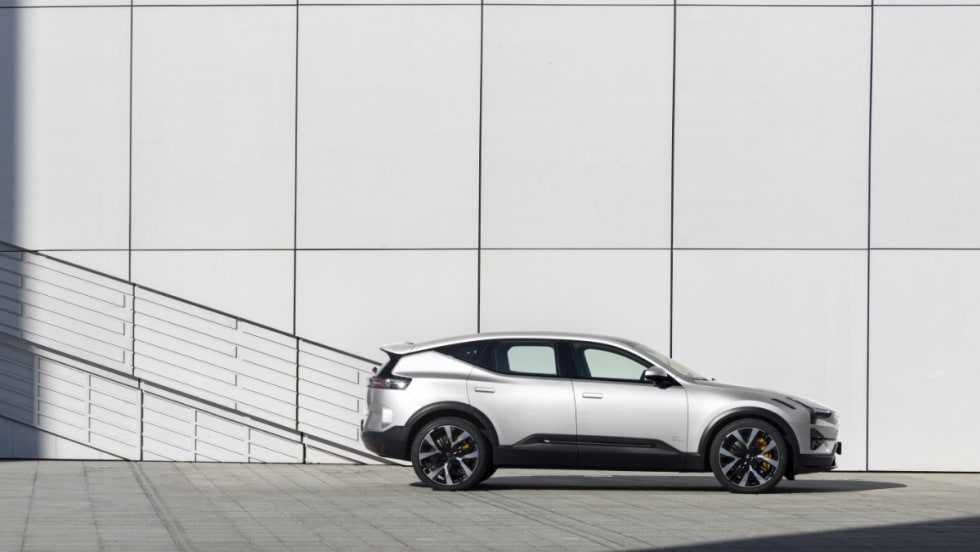
Polestar Barred from U.S. Market Under Connected Vehicle Rule
The automaker loses its authorization to sell new vehicles in the U.S., starting with the 2027 model year. Polestar owners will retain access to the brand's service network.
Read More →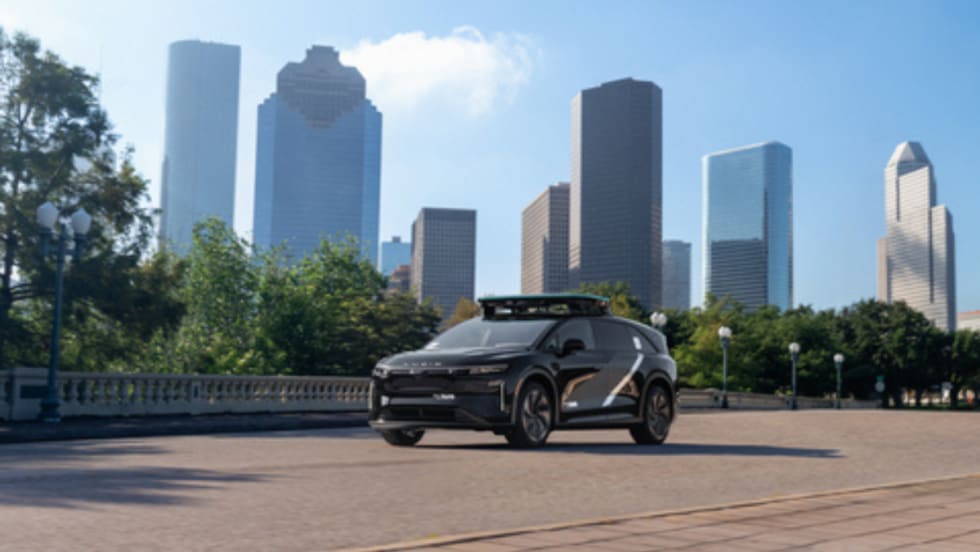
Uber, Nuro and Lucid Plan Houston Robotaxi Service in 2027
The tripartite venture brings out the combined advantages of electric vehicles, mobility, and autonomy into ground transportation.
Read More →