



Related: Terex Offered More Than 50 Tech Tips for Utility Fleets in 2019
Terex Shares Equipment Financing Options Tips
Terex shares tips to help fleet operations managers better understand their options for maintaining as much financial liquidity as possible without compromising investment in mission critical equipment.
April 2, 2020
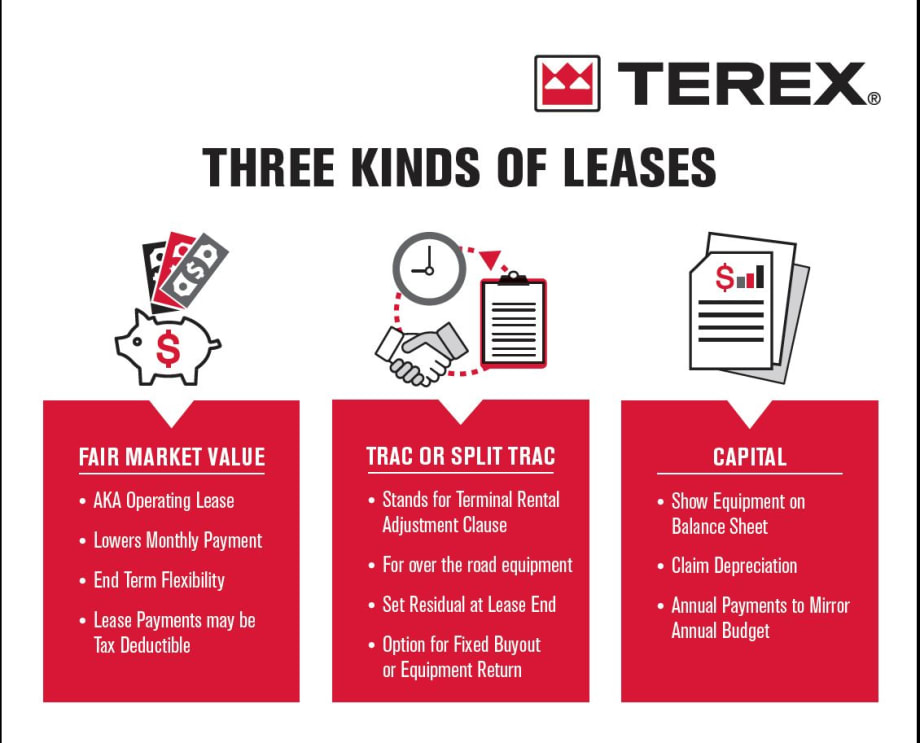
Not all leases are built the same and depending on overall needs, there are three main options to choose from.
Image: Terex
3 min to read
Telecom and utility providers are critical to our infrastructure, but many co-ops and municipalities are faced with making short-term decisions focused on cash management.
The following frequently asked questions were posed to the Terex Financial Services team to help fleet operations managers better understand their options for maintaining as much financial liquidity as possible without compromising investment in mission critical equipment.
Q: Historically, we are a cash buyer of utility equipment. I have been charged with maximizing cash flow in order to build up cash reserves for emergency use. What are financing options that will allow me to do that while maintaining my fleet purchase plans?
“If you have concerns, it is important to be proactive to establish the financing options available to you,” said Al Herndon, Financial Services Business Partner for Terex Financial Services. “Terex Financial Services can offer lease and finance options that include deferred and skip payments to keep your fleet replacement cycle on track,” he said.
Terex Financial Services offers three kinds of leases:
Fair Market Value Leases, also known as Operating Leases, can lower monthly payments and give you end of term flexibility, allowing you to update or replace equipment more often. In addition, lease payments may be tax deductible, and we encourage you to consult with your tax adviser where applicable. Generally, this option has the lowest monthly cost.
TRAC or Split TRAC leases refers to Terminal Rental Adjustment Clause and is used for over the road equipment. This lease has a set residual at lease end, which gives you the option to have a fixed buyout while still having the option to return at lease end.
Capital Leases allow the lessee to show the equipment on their balance sheet and claim depreciation. This is a common lease for municipalities that look to pay for their capital equipment over time. Lease can be set up with annual payments to mirror annual budget.
Q: Is leasing a more cost-effective way to acquire fleet than cash purchase?
“It is important that the fleet manager considers the true cost of using and maintaining a piece of equipment over its life. The longer you keep equipment, the greater the maintenance costs. Sometimes, it is actually less expensive to lease equipment,” said Herndon.
Another benefit is that a new warranty is issued each time equipment is replaced, potentially saving out of pocket expenses for downtime and repairs. Leases also eliminate costs associated with disposal and transfer of equipment at the end of its life.
Q: I currently have equipment on order. What are the repercussions if I decide to delay purchase or delivery?
During times of crisis when cash flow is a concern, investment in capital equipment is often postponed. However, it is important to balance that with capital investments that are necessary for supporting essential infrastructure, and to consider what equipment will be needed on the rebound.
“The electric utility industry is considered a critical infrastructure industry. The need to maintain your fleet does not change, nor does the need to have a reliable fleet. Co-Ops and municipalities should be cautious of adjusting their buying cycle. Delays now could mean long lead times later,” said Jamie Gibson, Global Director, Terex Financial Services.
Originally posted on Work Truck Online
More Electric Vehicles

EV Charging Use Is Outpacing Infrastructure Growth
ChargePoint’s 2026 Charging Forward Report points to rising charger use, higher-powered charging, commercial vehicle electrification, and energy-management technology. Here’s what fleets should know.
Read More →
EV Realty Names Henrik Holland President as Charging Platform Expands
The former Prologis Mobility and Shell executive will help expand EV Realty’s truck charging business and move its power-first infrastructure model into autonomous vehicle depots and other fleet sectors.
Read More →
GreenPower Expands New Mexico EV Pilot With Larger Buses, V2G Testing
After logging more than 17,000 electric miles in the first year, New Mexico’s statewide pilot is moving into its second phase with larger vehicles, continued charging evaluations, and more.
Read More →
Can EV-as-a-Service Help Fleets Scale Electrification?
Sustainability Partners CEO Adam Cain explains how matching EVs, charging infrastructure, and duty cycles can help fleets scale electrification.
Read More →
How EV-as-a-Service Is Moving Fleets Beyond Pilots
Adam Cain, president and CEO of Sustainability Partners, explains how EV-as-a-service can help fleets scale deployments by addressing duty-cycle requirements and charging challenges.
Read More →
PowerFlex, The Mobility House Join Forces to Advance Fleet Electrification
Two EV charging providers are joining forces to deliver a broader portfolio of energy management and fleet electrification solutions.
Read More →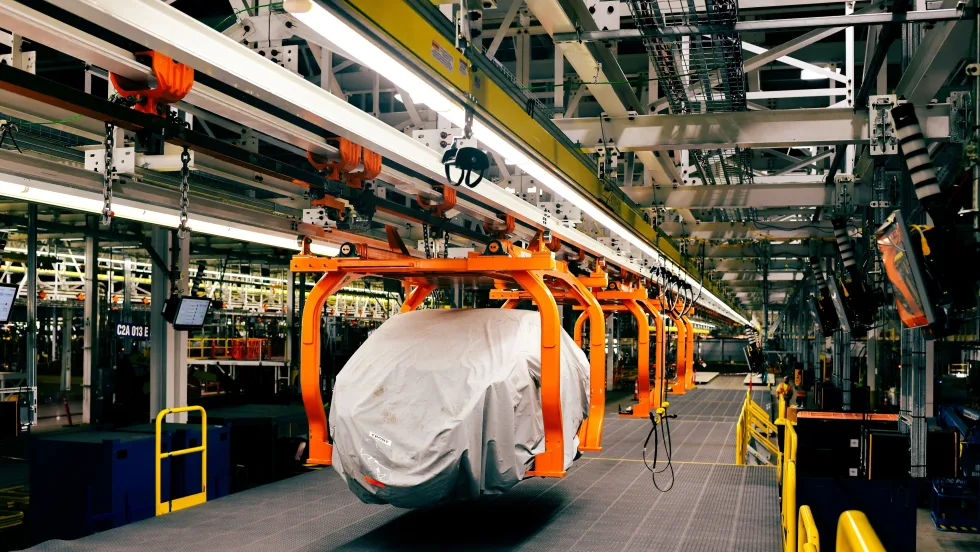
Ford Retools Louisville Plant for Fathom Electric Truck Production
Ford's $2 billion Louisville Assembly Plant overhaul introduces a three-part assembly process for the Fathom midsize electric truck, with production scheduled to begin in 2027.
Read More →
Merchants Fleet Reports 290M EV Miles as Fleets Navigate Changing Electrification Market
From millions in operating savings to hundreds of millions of EV miles, Merchants Fleet’s latest report reveals what’s working and what’s changing in fleet electrification.
Read More →
California District Commits to Electrify 25% of School Bus Fleet by 2028
One of the nation's largest school bus electrification projects to date demonstrates how grants, charging infrastructure, and public-private partnerships can help fleets transition to EVs at scale.
Read More →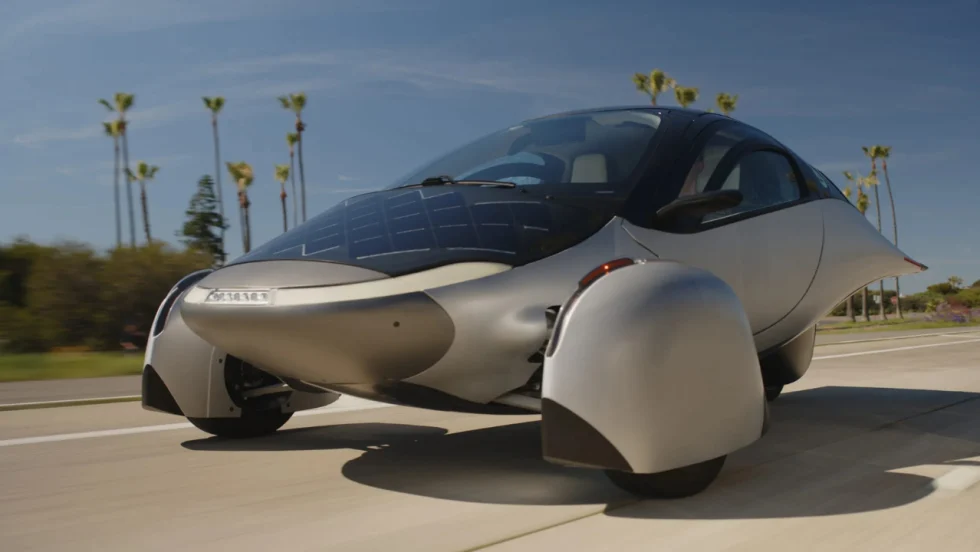
Aptera Orders Bodies and Chassis for Its First 40 Production Vehicles
Aptera Motors Corp. has issued purchase orders for the major structural components of its first 40 vehicles, and body and chassis components are expected to begin arriving in October.
Read More →