


SoCalGas Powers 2 Facilities with Bloom Energy
Southern California Gas Co. has begun powering two of its largest Los Angeles-area facilities with Bloom Energy solid oxide fuel cells.

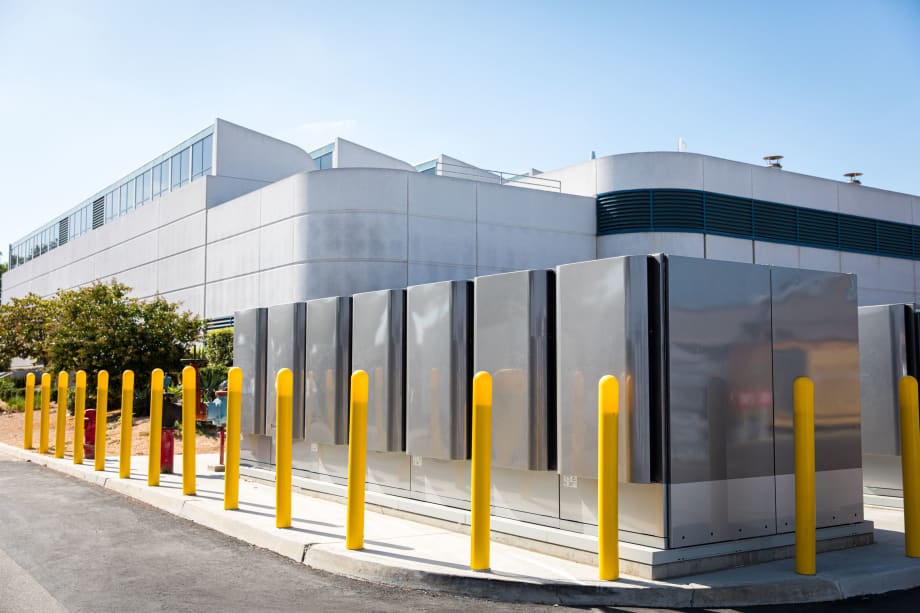
To produce electricity, Bloom Energy's fuel cells could use natural gas, renewable natural gas, or hydrogen.
Photo: SoCalGas
Southern California Gas Co. has begun powering two of its largest Los Angeles-area facilities with Bloom Energy solid oxide fuel cells. The switch to fuel cells will reduce greenhouse gas (GHG) emissions, air pollutants, and the cost of power, as well as provide reliable electricity independent of the power grid, according to the utility fleet.
To produce electricity, Bloom Energy's fuel cells could use natural gas, renewable natural gas, or hydrogen. The fuel cells at SoCalGas intake natural gas and oxygen, and through an electrochemical reaction, produce electricity without any combustion. Bloom Energy Servers can operate at 60% efficiency and are considered one of the most efficient power solutions currently available.
"Using Bloom Energy's fuel cells for our facilities is yet another way that SoCalGas is demonstrating our commitment to be an industry leader supporting a 21st century energy system," said Maryam Brown, president of SoCalGas. "These onsite generation systems will provide clean, affordable and resilient energy to key facilities so that we can ensure safe and reliable service to our 22 million customers."
In addition to providing cost savings and improving reliability of power, the fuel cells will lead to a reduction in carbon emissions by 683 metric tons per year compared to the current grid profile – which is like eliminating annual GHG emissions produced by the electricity use of 112 homes. Because no fuel is burned to produce the electricity, smog-forming pollutants and particulate matter are reduced by more than 99%. And, because they virtually eliminate all combustion-related pollutants, the California Air Resources Board has certified the Bloom Energy Servers as a Distributed Generation Technology that do not require a generation permit, a designation given only to the cleanest technologies in the state.
"I am delighted to see SoCalGas has chosen Pico Rivera to showcase this exciting new technology," said Sen. Bob Archuleta (D-Pico Rivera). "It is no longer up for debate; hydrogen will be a part of California's clean energy future. I have fought for investments in both hydrogen infrastructure and clean transportation programs in the California Legislature and I will continue to do so. I am proud of SoCalGas for taking the initiative and bringing these investments to the 32nd Senate District and I look forward to continuing to work with them as we pursue our clean energy goals."
Adoption of distributed power generation solutions, also called distributed energy resources, is a growing trend in the U.S. These solutions can combine environmental benefits and the ability to provide uninterrupted power in the event of natural disasters or outages. While SoCalGas uses solar generation at six of its 113 facilities, the company selected the fuel cell solution for its Monterey Park and Pico Rivera facilities for their superior resiliency.
The Bloom Energy Servers at each of SoCalGas' facilities total 950 kilowatts in size, replacing over 90% of the baseload power that would otherwise come from the grid. The Servers are configured as AlwaysON Microgrids. Microgrids are a distributed power supply that are always-on – operating alongside the main grid and independently during an outage. Bloom Energy has deployed its Servers at 600 sites globally, and more than 85 of those are microgrids, which have powered through over 1,500 outages.
The environmental benefits of switching to fuel cells at these facilities are part of SoCalGas' vision to be the cleanest gas utility in North America, and support a 21st century energy system that provides clean, affordable, resilient and integrated energy. As part of its vision, the utility last year committed to replacing 5% of natural gas supplies to its core customers with renewable natural gas (RNG) by 2022 and 20% by 2030.
Originally posted on Work Truck Online
More Electric Vehicles

EV Charging Use Is Outpacing Infrastructure Growth
ChargePoint’s 2026 Charging Forward Report points to rising charger use, higher-powered charging, commercial vehicle electrification, and energy-management technology. Here’s what fleets should know.
Read More →
EV Realty Names Henrik Holland President as Charging Platform Expands
The former Prologis Mobility and Shell executive will help expand EV Realty’s truck charging business and move its power-first infrastructure model into autonomous vehicle depots and other fleet sectors.
Read More →
GreenPower Expands New Mexico EV Pilot With Larger Buses, V2G Testing
After logging more than 17,000 electric miles in the first year, New Mexico’s statewide pilot is moving into its second phase with larger vehicles, continued charging evaluations, and more.
Read More →
Can EV-as-a-Service Help Fleets Scale Electrification?
Sustainability Partners CEO Adam Cain explains how matching EVs, charging infrastructure, and duty cycles can help fleets scale electrification.
Read More →
How EV-as-a-Service Is Moving Fleets Beyond Pilots
Adam Cain, president and CEO of Sustainability Partners, explains how EV-as-a-service can help fleets scale deployments by addressing duty-cycle requirements and charging challenges.
Read More →
PowerFlex, The Mobility House Join Forces to Advance Fleet Electrification
Two EV charging providers are joining forces to deliver a broader portfolio of energy management and fleet electrification solutions.
Read More →
Ford Retools Louisville Plant for Fathom Electric Truck Production
Ford's $2 billion Louisville Assembly Plant overhaul introduces a three-part assembly process for the Fathom midsize electric truck, with production scheduled to begin in 2027.
Read More →
Merchants Fleet Reports 290M EV Miles as Fleets Navigate Changing Electrification Market
From millions in operating savings to hundreds of millions of EV miles, Merchants Fleet’s latest report reveals what’s working and what’s changing in fleet electrification.
Read More →
California District Commits to Electrify 25% of School Bus Fleet by 2028
One of the nation's largest school bus electrification projects to date demonstrates how grants, charging infrastructure, and public-private partnerships can help fleets transition to EVs at scale.
Read More →
Aptera Orders Bodies and Chassis for Its First 40 Production Vehicles
Aptera Motors Corp. has issued purchase orders for the major structural components of its first 40 vehicles, and body and chassis components are expected to begin arriving in October.
Read More →