


SoCalGas Dispensing California-Produced Renewable Natural Gas
Southern California Gas Co. (SoCalGas) announced it is for the first time dispensing California-produced renewable natural gas (RNG) at many of the natural gas fueling stations it operates across the state.


SoCalGas recently began purchasing RNG from Pixley-based Calgren Dairy Fuels (Calgren), which captures the greenhouse gas-producing manure from dairy farms and turns it into RNG, a renewable fuel.
Photo: SoCalGas
Southern California Gas Co. (SoCalGas) announced it is for the first time dispensing California-produced renewable natural gas (RNG) at many of the natural gas fueling stations it operates across the state.
The utility recently began purchasing RNG from Pixley-based Calgren Dairy Fuels (Calgren), which captures the greenhouse gas-producing manure from dairy farms and turns it into RNG, a renewable fuel. SoCalGas has dispensed 100% RNG from out-of-state sources at its fueling stations for a year. Calgren's facility is part of a rapidly growing biomethane industry in California and is currently the largest dairy biogas operation in the U.S.
"RNG is an important tool in reducing greenhouse gas emissions, which cause climate change, and we're looking forward to major growth in production of this renewable fuel in California," said Jawaad Malik, SoCalGas vice president of gas acquisition. "With the right incentives in place, RNG has significant opportunity to help the state move toward carbon-neutrality in not only the transportation sector but in many areas where traditional natural gas is now used."
RNG is produced when methane, a greenhouse gas that occurs naturally when organic waste breaks down, is captured and upgraded to pipeline standards rather than being released into the air. Organic waste sources such as dairy farms, landfills, sewage, food waste, and dead forest trees create about 80% of all methane emissions in California. Capturing this methane and converting it to RNG rapidly reduces greenhouse gas emissions.
In California, a 2016 law requires a 40% reduction of methane emissions from waste sources, with provisions to deliver that energy to customers.
Production of the fuel has accelerated quickly in California, supported by state incentive programs seeking to reduce greenhouse gas emissions from trucking and dairy farms. In just the next three and a half years, at least 160 RNG production facilities will be online in California to serve the transportation fuel sector, producing more than 15.8 million therms of carbon-negative RNG every year and replacing about 119 million gallons of diesel fuel. That's enough to reduce greenhouse gas emissions by over 3.4 million tons every year, the equivalent of taking more than 730,000 cars off the road.
Renewable natural gas trucks currently displace about 150 million gallons of diesel fuel in California. By increasing RNG trucks by ten times and decreasing diesel trucks by half, California could cut NOx emissions by 200 tons and reduce greenhouse gas emissions by 10 million tons.
In addition, California recently enacted legislation that expands the definition of renewable natural gas to include organic waste such as dead trees, agricultural waste and vegetation removed for wildfire mitigation which is typically converted to RNG by non-combustion thermal conversion. The new legislation has a twin benefit of helping to manage wildfires with reduced debris and also lowering greenhouse gas emissions.
To help expand the growth and use of RNG, SoCalGas has proposed a service that would give its customers the option to purchase a portion of their natural gas from renewable sources, just as millions of people can opt to purchase renewable electricity today. The California Public Utilities Commission (CPUC) has issued a draft ruling authorizing such a service, which is expected to be voted on by the end of the year.
Investment in RNG is also growing beyond California. Oregon recently enacted legislation allowing its natural gas utilities to purchase RNG on behalf of its customers, with the goal of replacing 15% of traditional natural gas with RNG by 2030. Virginia-based Dominion Energy has committed to investing in enough RNG projects to make its gas infrastructure net-zero carbon by 2040. In 20 years, enough RNG could be available in the U.S. to replace about 90% of the nation's current residential natural gas consumption, according to a recent study by ICF.
"Calgren is excited to be one of the leading production facilities in the U.S., which will eventually capture the waste of more than 132,000 cows from at least 18 dairies," said Lyle Schlyer, president of Calgren. "Using the methane captured from dairy waste for transportation fuel is good for the environment because it not only keeps methane from escaping to the air, it allows us to replace traditional natural gas with a renewable version, and it reduces pollution from diesel truck engines."
Originally posted on Work Truck Online
More Electric Vehicles
EV Charging Use Is Outpacing Infrastructure Growth
ChargePoint’s 2026 Charging Forward Report points to rising charger use, higher-powered charging, commercial vehicle electrification, and energy-management technology. Here’s what fleets should know.
Read More →
EV Realty Names Henrik Holland President as Charging Platform Expands
The former Prologis Mobility and Shell executive will help expand EV Realty’s truck charging business and move its power-first infrastructure model into autonomous vehicle depots and other fleet sectors.
Read More →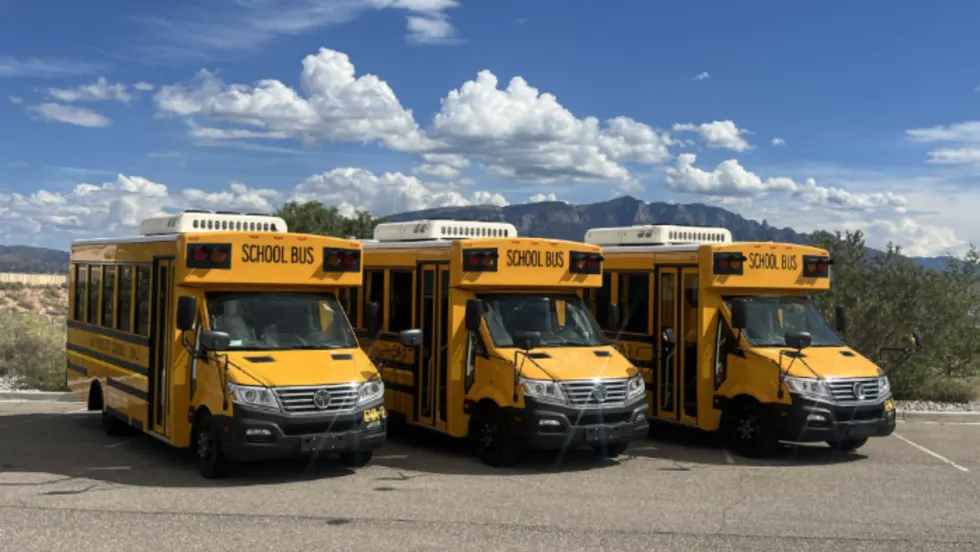
GreenPower Expands New Mexico EV Pilot With Larger Buses, V2G Testing
After logging more than 17,000 electric miles in the first year, New Mexico’s statewide pilot is moving into its second phase with larger vehicles, continued charging evaluations, and more.
Read More →
Can EV-as-a-Service Help Fleets Scale Electrification?
Sustainability Partners CEO Adam Cain explains how matching EVs, charging infrastructure, and duty cycles can help fleets scale electrification.
Read More →
How EV-as-a-Service Is Moving Fleets Beyond Pilots
Adam Cain, president and CEO of Sustainability Partners, explains how EV-as-a-service can help fleets scale deployments by addressing duty-cycle requirements and charging challenges.
Read More →
PowerFlex, The Mobility House Join Forces to Advance Fleet Electrification
Two EV charging providers are joining forces to deliver a broader portfolio of energy management and fleet electrification solutions.
Read More →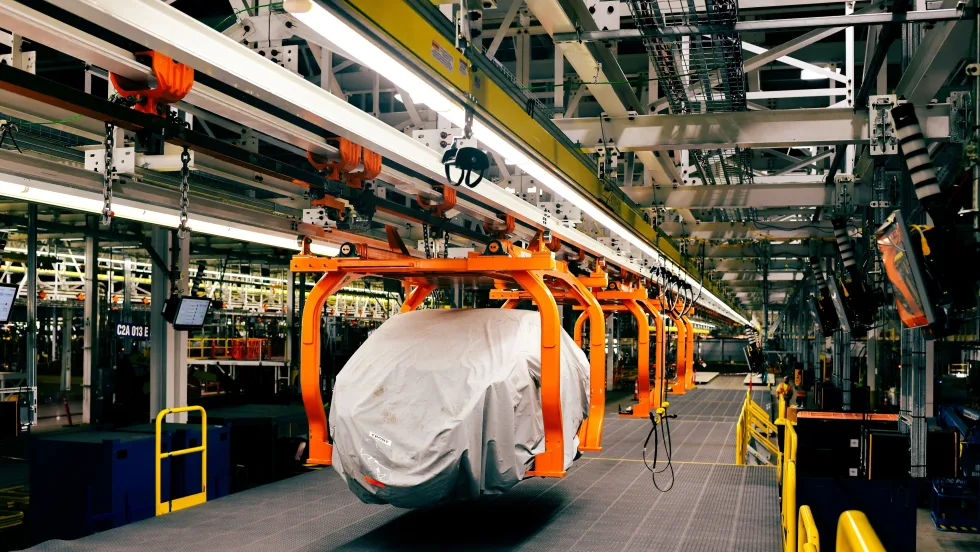
Ford Retools Louisville Plant for Fathom Electric Truck Production
Ford's $2 billion Louisville Assembly Plant overhaul introduces a three-part assembly process for the Fathom midsize electric truck, with production scheduled to begin in 2027.
Read More →
Merchants Fleet Reports 290M EV Miles as Fleets Navigate Changing Electrification Market
From millions in operating savings to hundreds of millions of EV miles, Merchants Fleet’s latest report reveals what’s working and what’s changing in fleet electrification.
Read More →
California District Commits to Electrify 25% of School Bus Fleet by 2028
One of the nation's largest school bus electrification projects to date demonstrates how grants, charging infrastructure, and public-private partnerships can help fleets transition to EVs at scale.
Read More →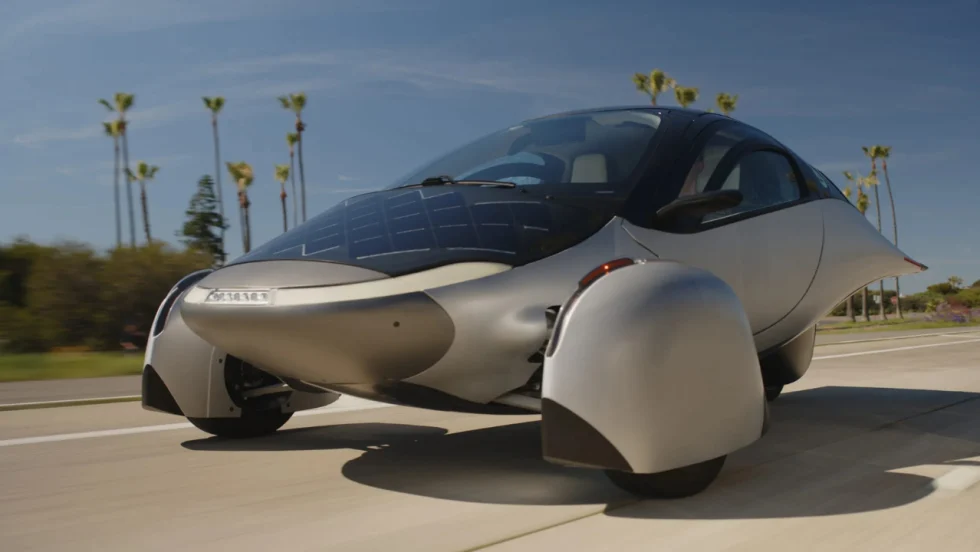
Aptera Orders Bodies and Chassis for Its First 40 Production Vehicles
Aptera Motors Corp. has issued purchase orders for the major structural components of its first 40 vehicles, and body and chassis components are expected to begin arriving in October.
Read More →