


Pedestrian Fatalities Surge in First Half of 2020
Despite many fewer vehicle miles driven, traffic deaths are on pace with 2019 levels.

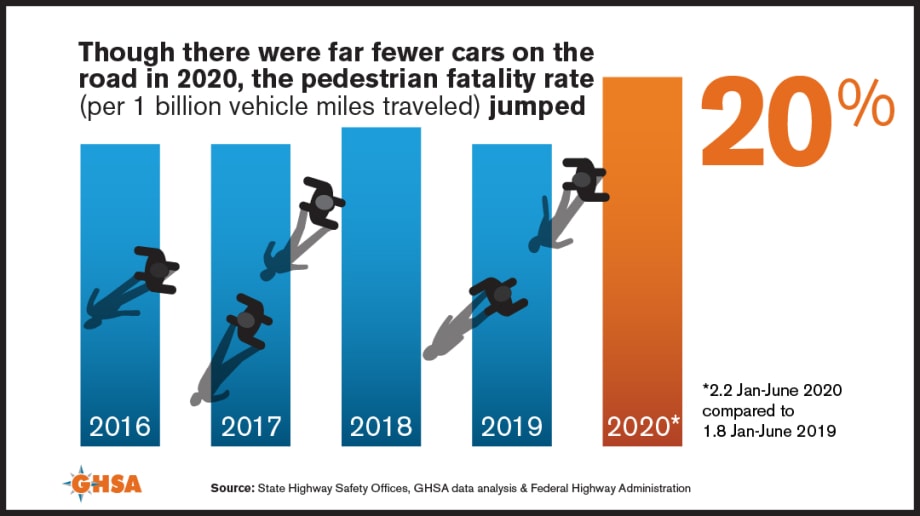
Despite large reductions in motor vehicle traffic associated with the COVID-19 pandemic, pedestrian traffic deaths are on pace with the high levels of 2019.
Infographic courtesy of GHSA.
A new report projects the U.S. pedestrian fatality rate per billion vehicle miles traveled (VMT) rose to 2.2 deaths for the first six months of 2020 compared to 1.8 during the same period in 2019 — a staggering 20% increase.
Specifically, the report from the Governors Highway Safety Association (GHSA) found that 2,957 pedestrians lost their lives in motor vehicle crashes from January through June 2020. That’s six more fatalities than the 2,951 in the same period in 2019, but the analysis also factors in a significant 16.5% reduction in VMT nationwide in 2020.
The upshot: Despite large reductions in motor vehicle traffic associated with the COVID-19 pandemic, pedestrian traffic deaths are on pace with the high levels of 2019.
The report also evaluates data at the state level. While 27 states experienced increases in pedestrian fatalities in 2020, 20 states and D.C. saw decreases, and 3 had no change in fatalities from 2019. Noteworthy, seven states — Arizona, California, Florida, Georgia, New York, North Carolina and Texas — accounted for over half (54%) of all pedestrian deaths.
New Mexico had the highest rate of pedestrian deaths per resident population, while Vermont had the lowest.
The report notes that the national footprint of pedestrian safety is not uniform, and there are many reasons for differing pedestrian fatality rates among states. These include land use patterns, roadway designs, vehicle speeds, population density and demographics, and differing levels of investment in highway safety.
However, safety experts say if the nationwide trend continues for the second half of the year, 2020 is projected to have the largest ever annual increase in the U.S. pedestrian fatality rate per mile driven.
More Operations

The EV Breakdown Nobody's Talking About: Why Most Electric Vehicle Roadside Calls Aren't Mechanical Failures
Here's why EV breakdowns are widely misunderstood.
Read More →
Xos White Paper Asserts LA Olympics Will Lack Enough EV Chargers
The commercial EV fleet company recommends some faster and more flexible remedies to relieve the anticipated shortfall.
Read More →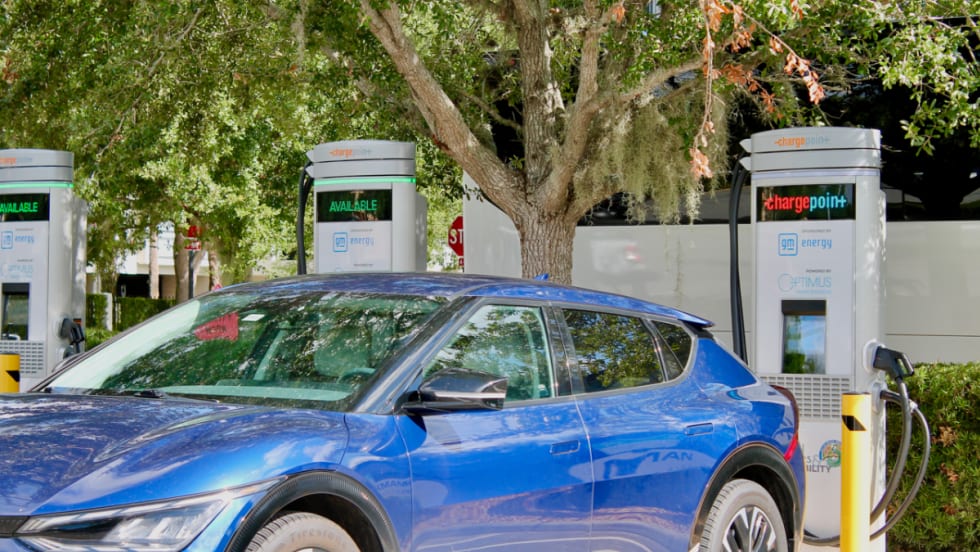
ChargePoint, Optimus Expand Fast-Charging Network Across Southeastern U.S.
ChargePoint will serve as the exclusive solutions provider, delivering hardware, software, and services to support Optimus’ growing charging network.
Read More →
Running A Profitable Electric Rental Fleet
How do you successfully operate an all-electric rental car fleet? Whether you manage a rental fleet or another commercial fleet, this conversation offers practical lessons on deploying, operating, and scaling electric vehicles.
Read More →
Registration Opens for 2026 Fleet Forward Conference
Held on the East Coast for the first time, the Washington, D.C.-area event features expert-led education, a new IIHS Crash Test Experience, and collocation with the NAFA’s Fleet Safety Symposium.
Read More →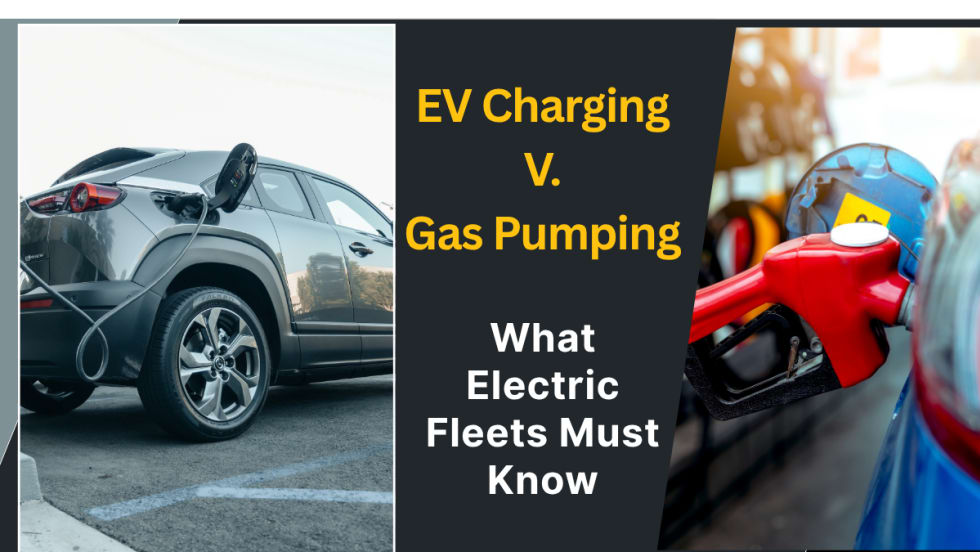
Why Charging May Never Be As Easy As Filling Up Gas
A seamless charge depends on a string of independent companies getting it right together, every time. How can electric fleets navigate the challenges to create a successful charging plan?
Read More →
Slate Debuts Colorful, Unique EV Models
A recent media and client event, studded with electric vehicles dressed up on platforms, planted a new position for the manufacturer in the wider EV market. Fleets will find cost-saving advantages.
Read More →
Slate Electric SUV, Pickup Switchable Model Aims For Light-Duty Fleets
Everything about this EV is counterintuitive and understated, making it stand out from the crowd.
Read More →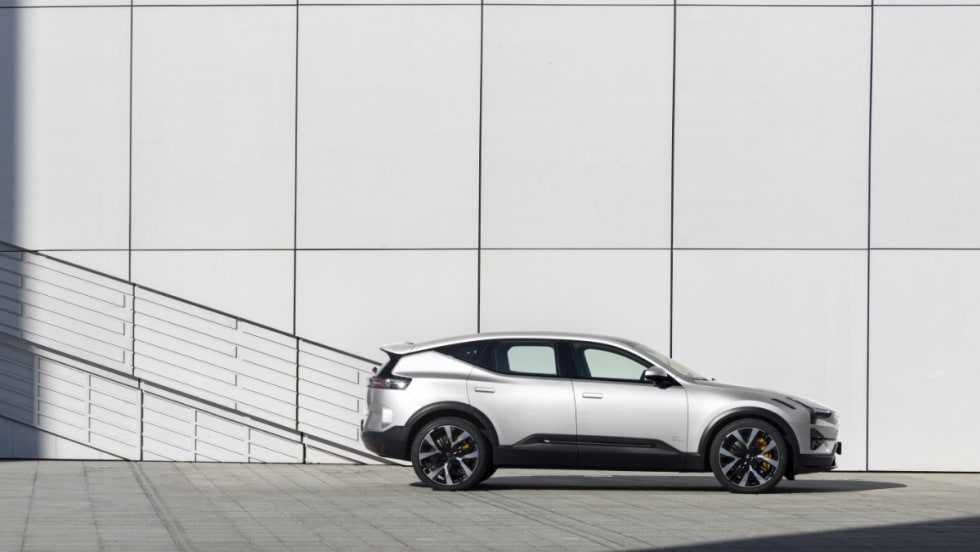
Polestar Barred from U.S. Market Under Connected Vehicle Rule
The automaker loses its authorization to sell new vehicles in the U.S., starting with the 2027 model year. Polestar owners will retain access to the brand's service network.
Read More →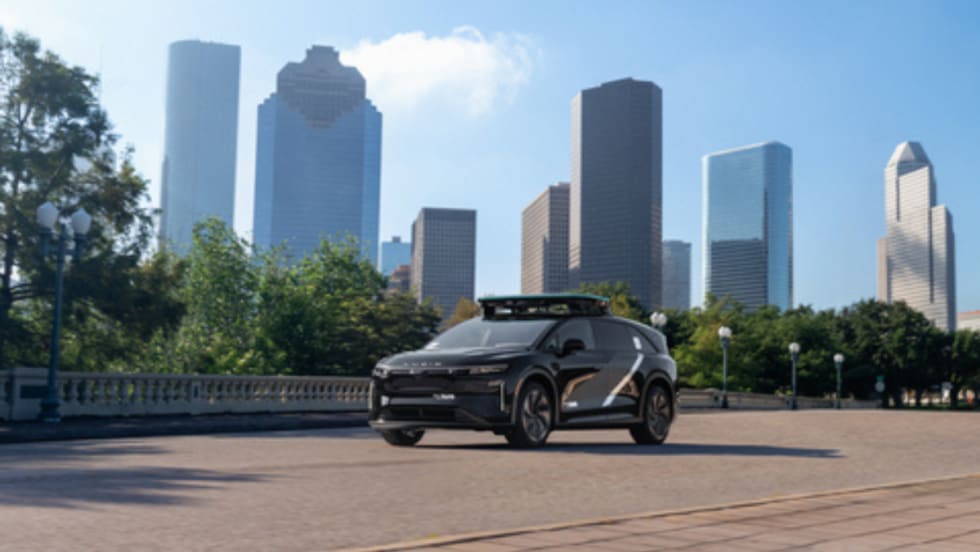
Uber, Nuro and Lucid Plan Houston Robotaxi Service in 2027
The tripartite venture brings out the combined advantages of electric vehicles, mobility, and autonomy into ground transportation.
Read More →